

The Basics of a Sustainable Garden
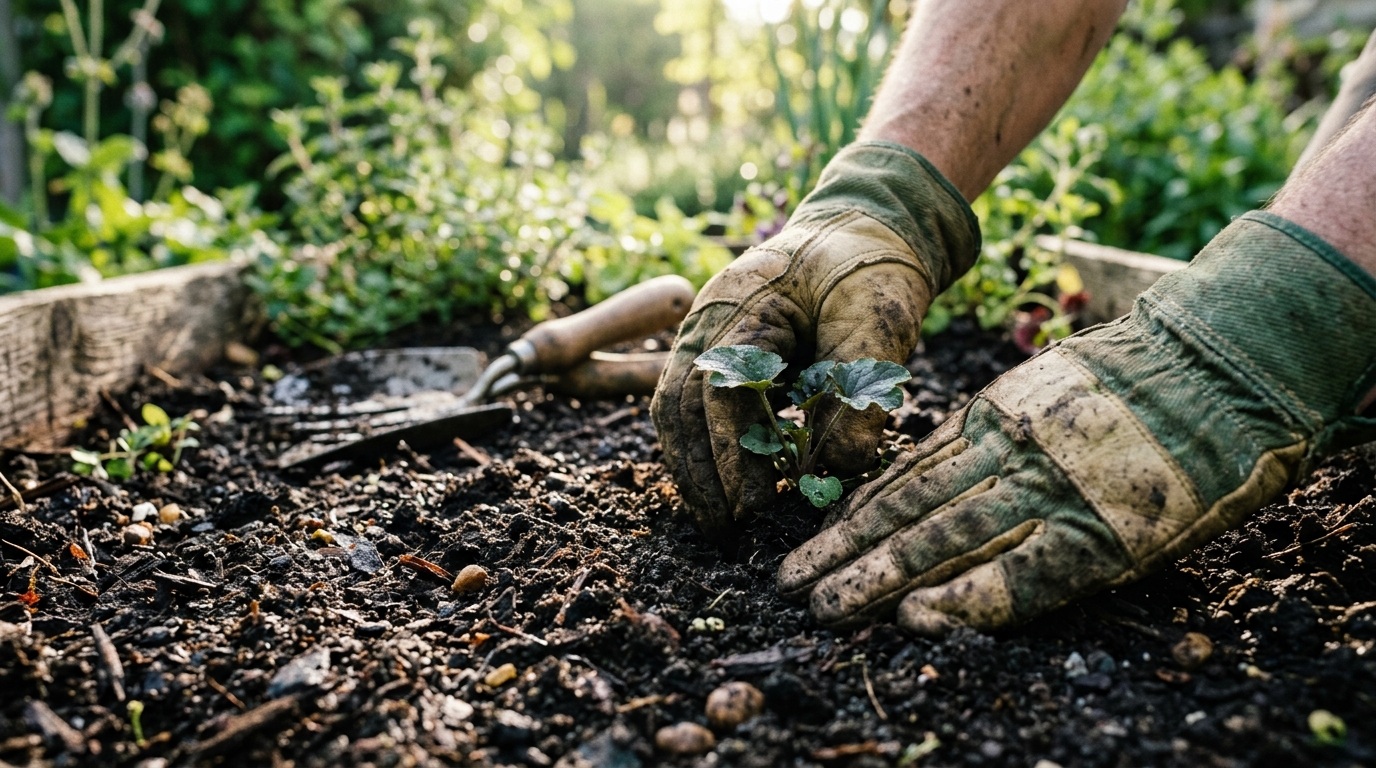
Establishing these young plants requires patience before full growth becomes apparent. It generally takes two to three years for the roots to become firmly established in the soil. An old saying in the horticultural world describes this growth process: “it crawls, it walks, it runs.” Growth begins slowly in the first year, accelerates in the second, and then really takes off in the third season.
The Peony
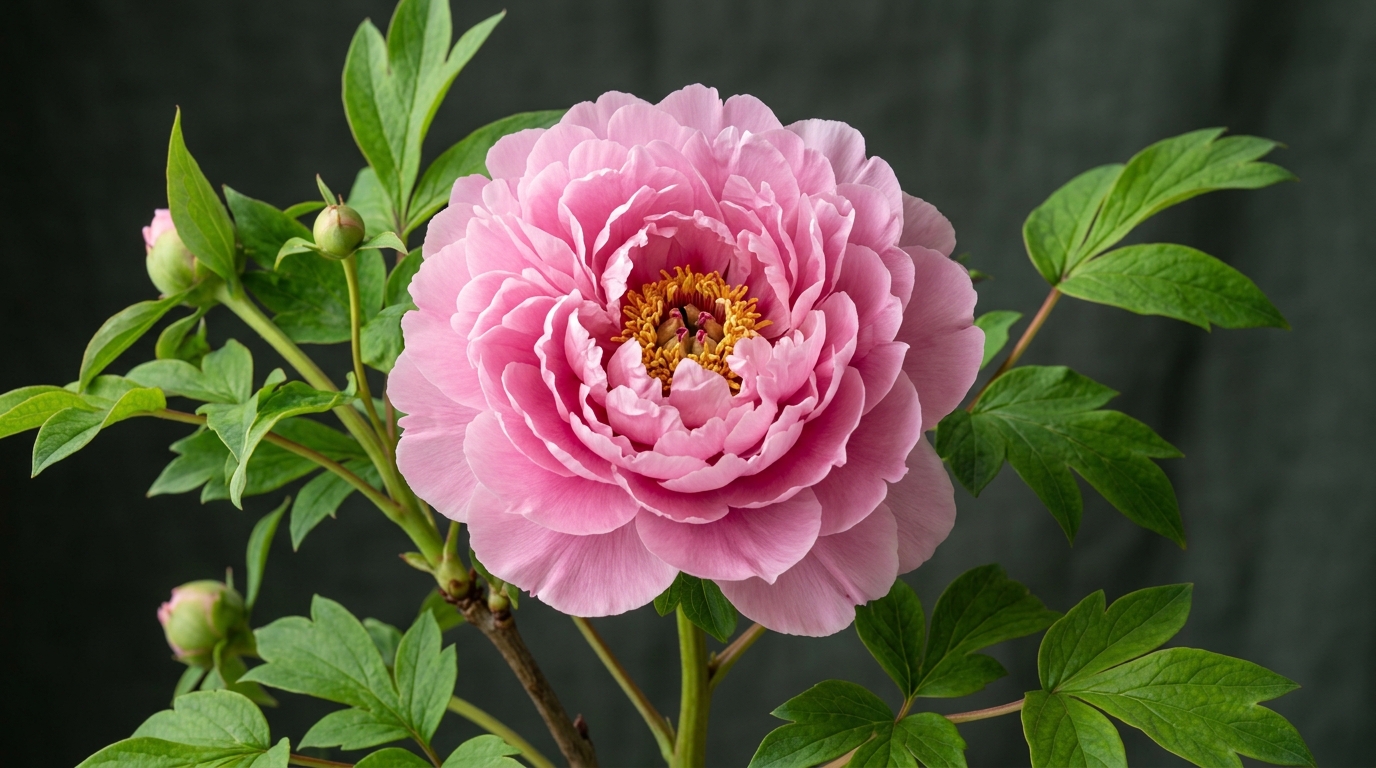
Arricca Elin SanSone reports that she transplanted her grandmother’s peonies more than twenty years ago. These plants bloom reliably every spring. This consistent annual blooming allows her to maintain a direct connection with the person who passed on her passion for gardening.
Catnip
Daylily
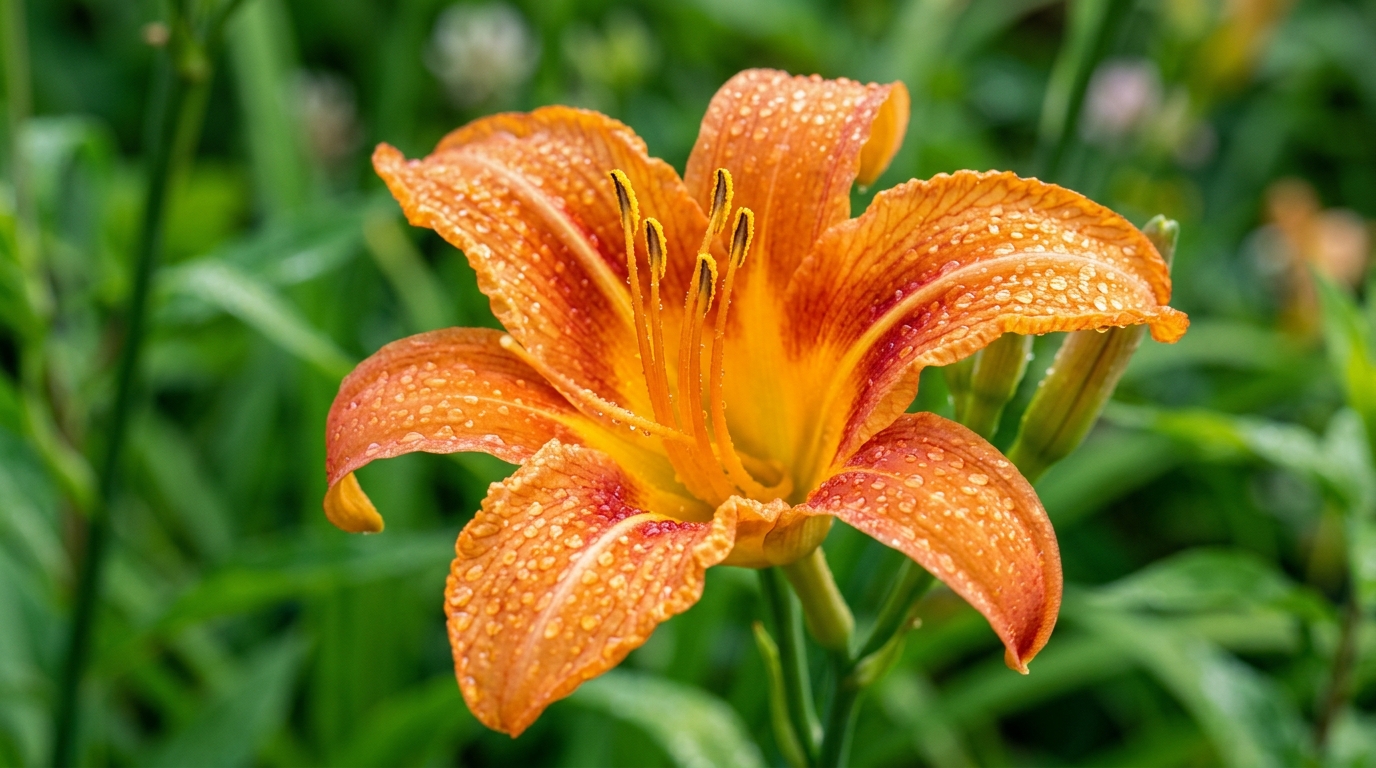
When flowering begins to slow down, gardeners can divide the plant to create new plants to distribute throughout the landscape. This technique helps ensure the variety’s survival over the years. It’s worth noting that daylilies are “a real treat for deer,” so planting them is not recommended if “Bambi” is known to visit the property.
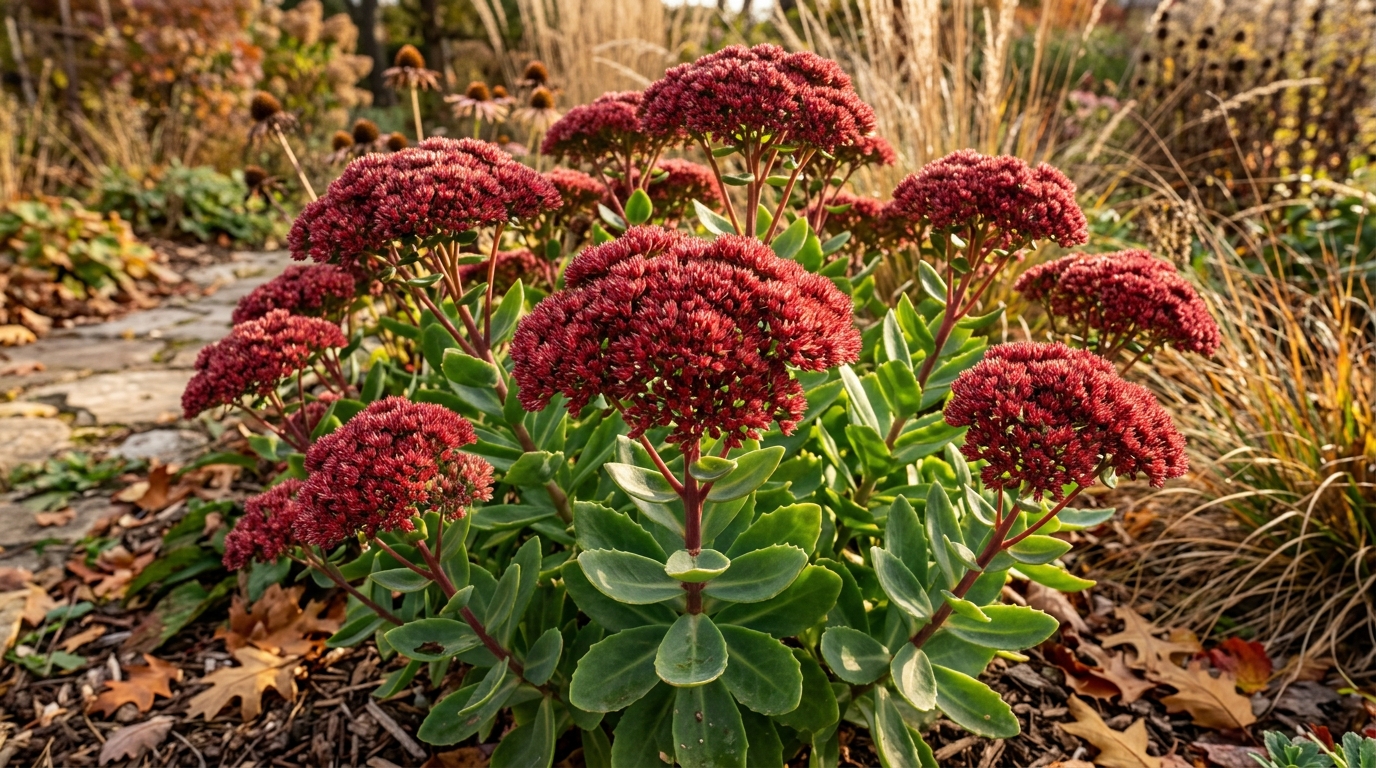
Sedum
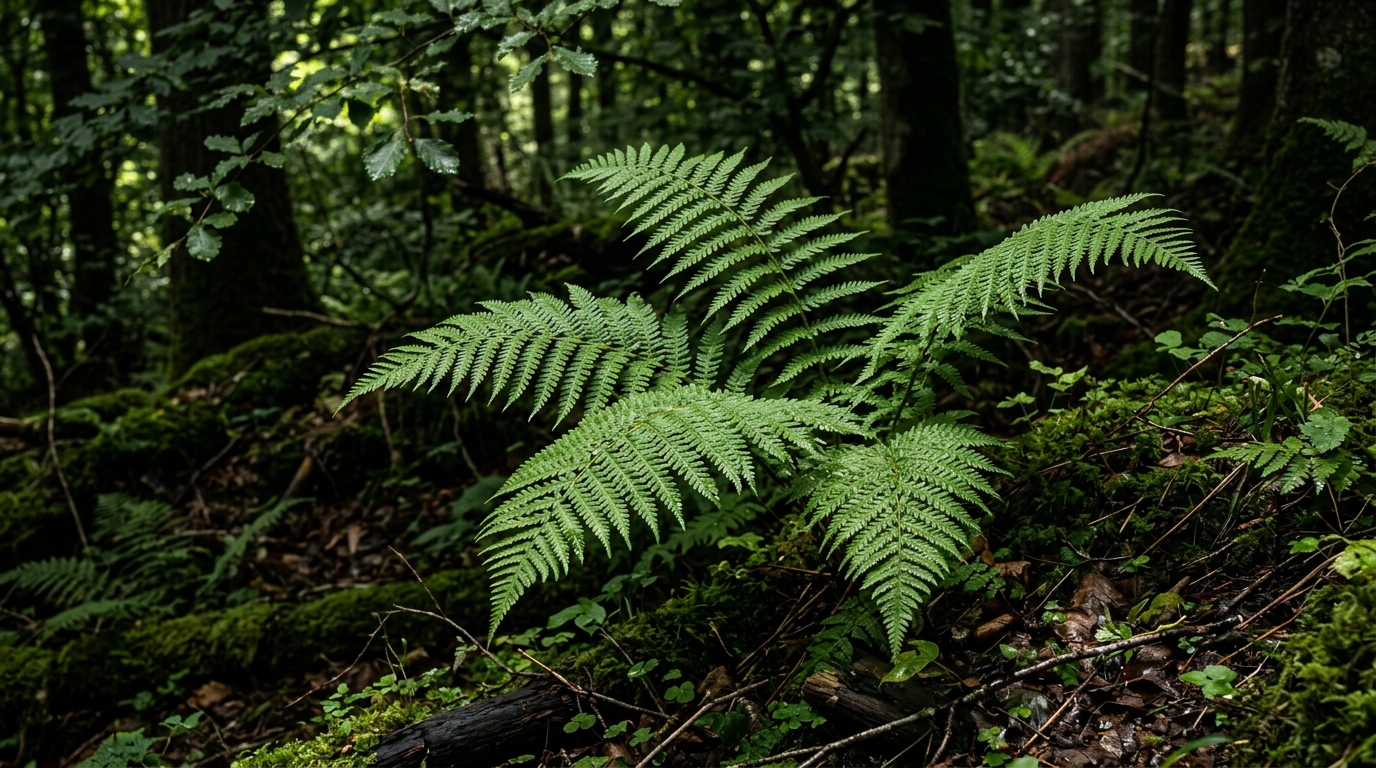
Ferns
Lady’s Mantle
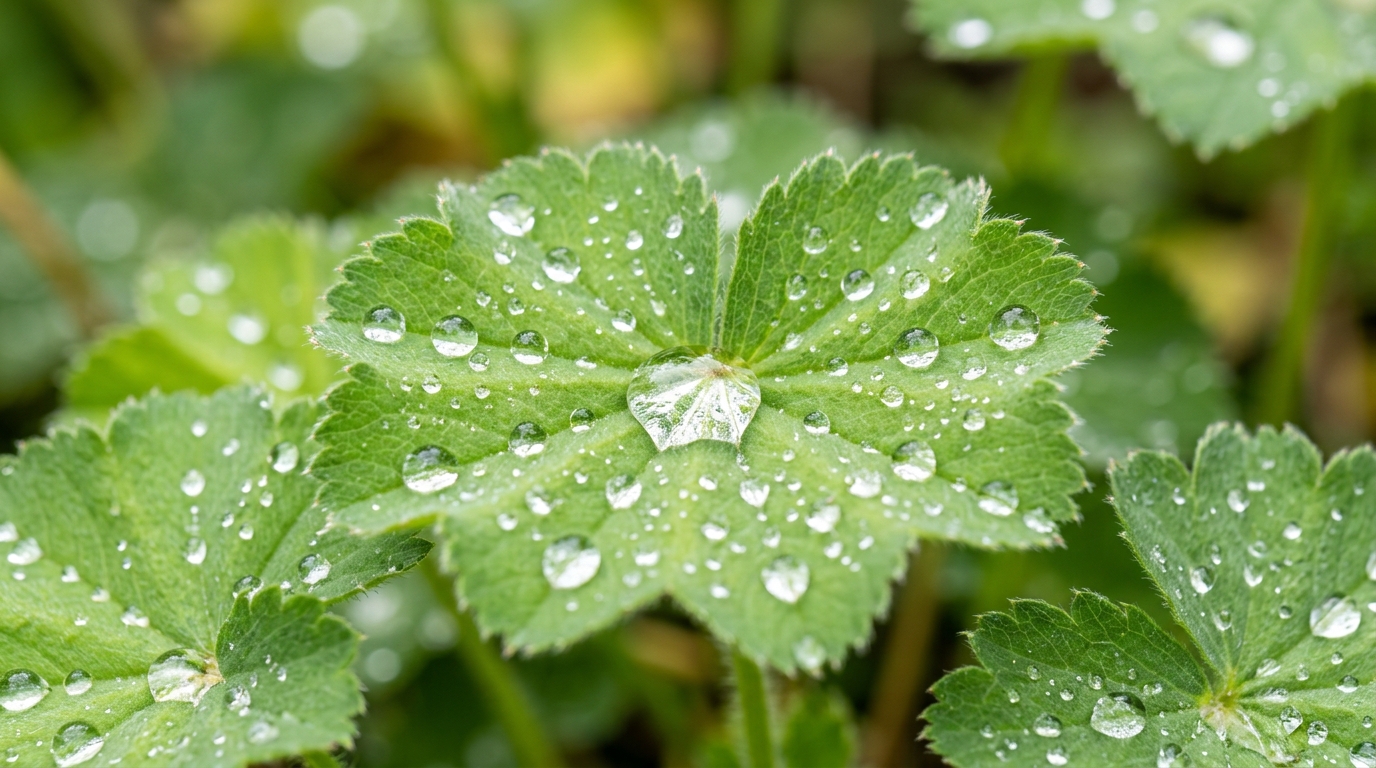
Lady’s mantle remains a perennial that is often overlooked in contemporary gardens. Its rounded foliage has the unique ability to hold water droplets, creating a sparkling display after every rain shower. Tiny yellow flowers emerge in late spring, covering the plant abundantly.
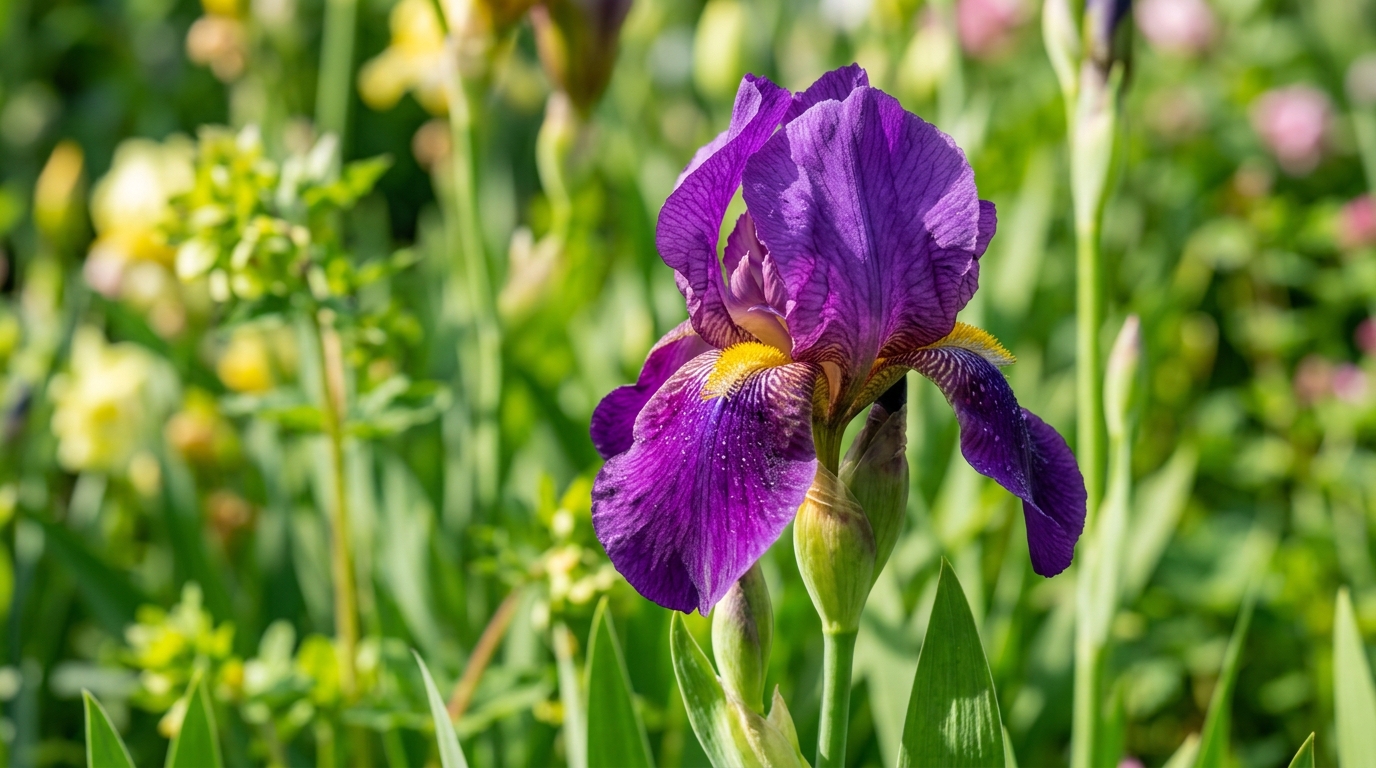
The Iris
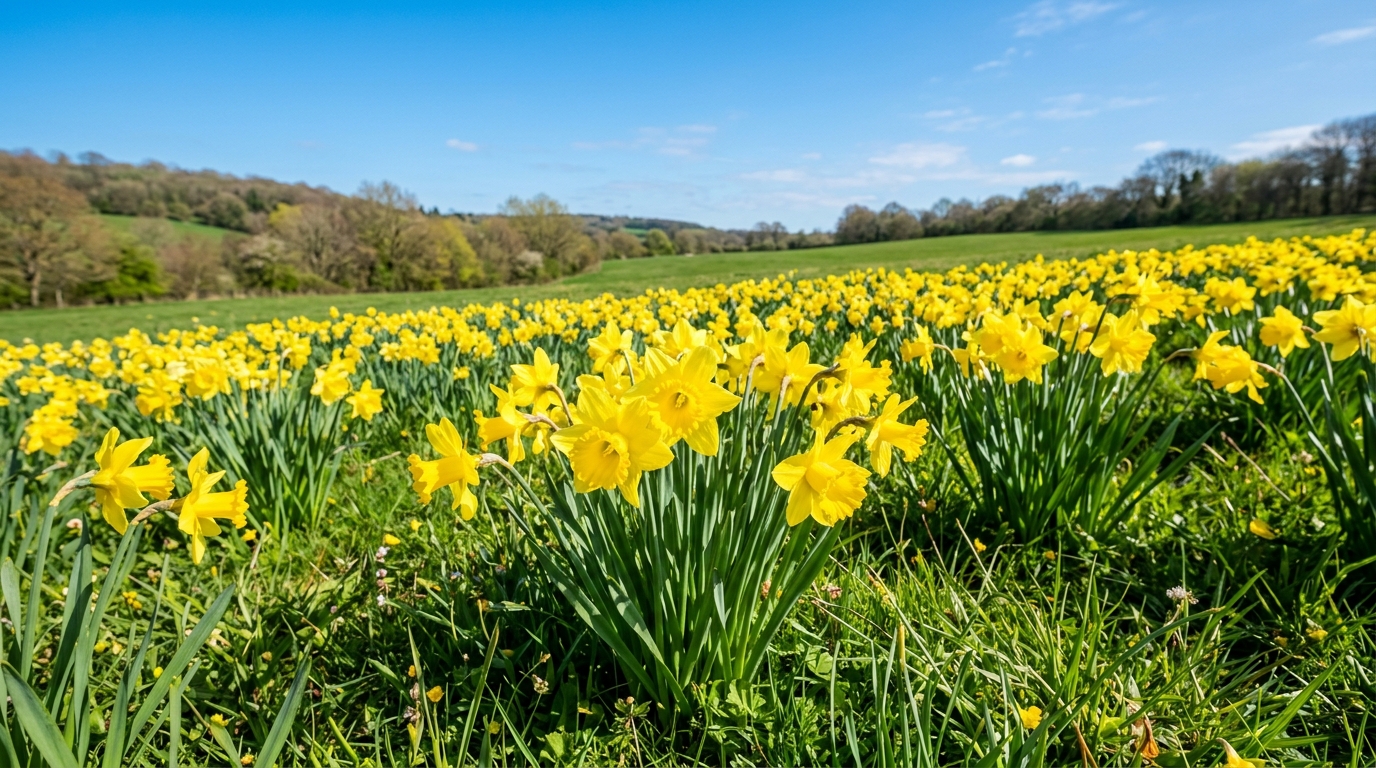
The Daffodil
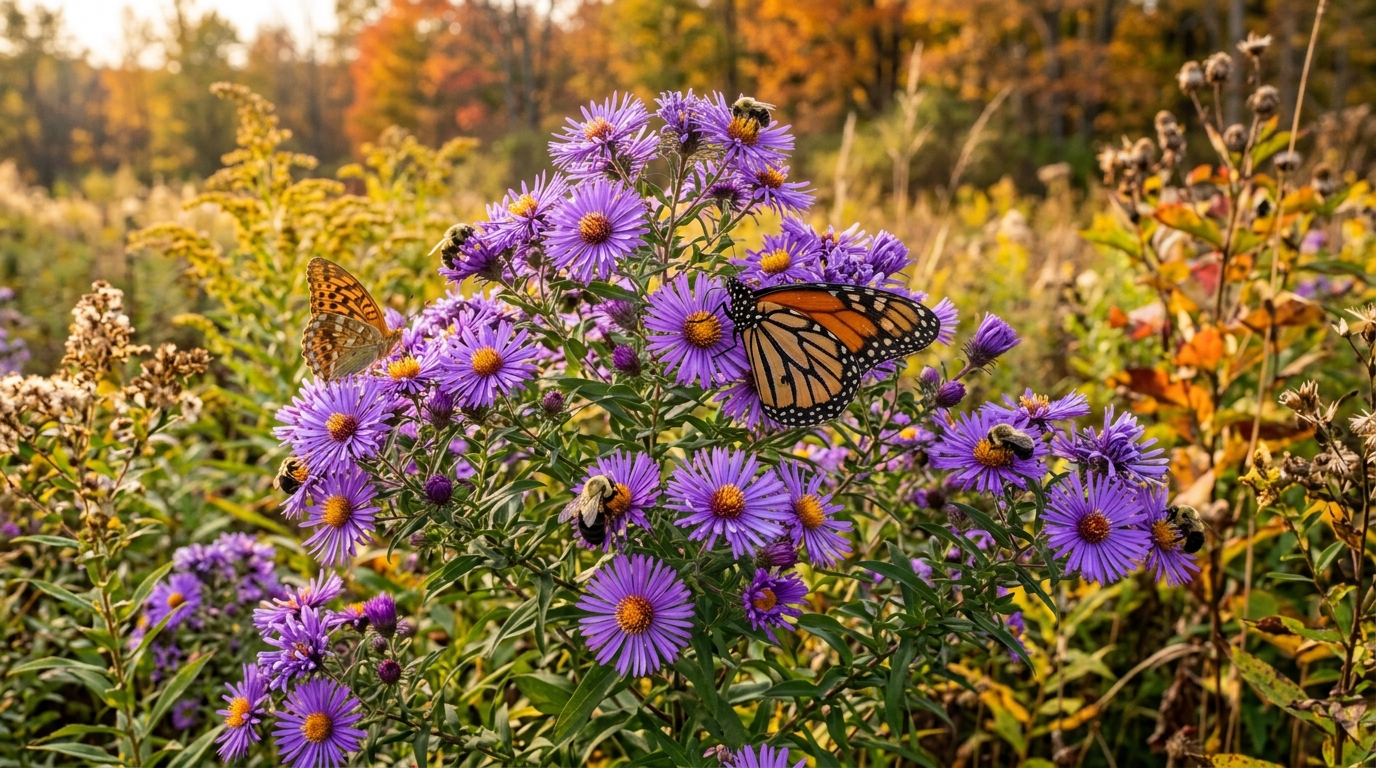
The New England aster
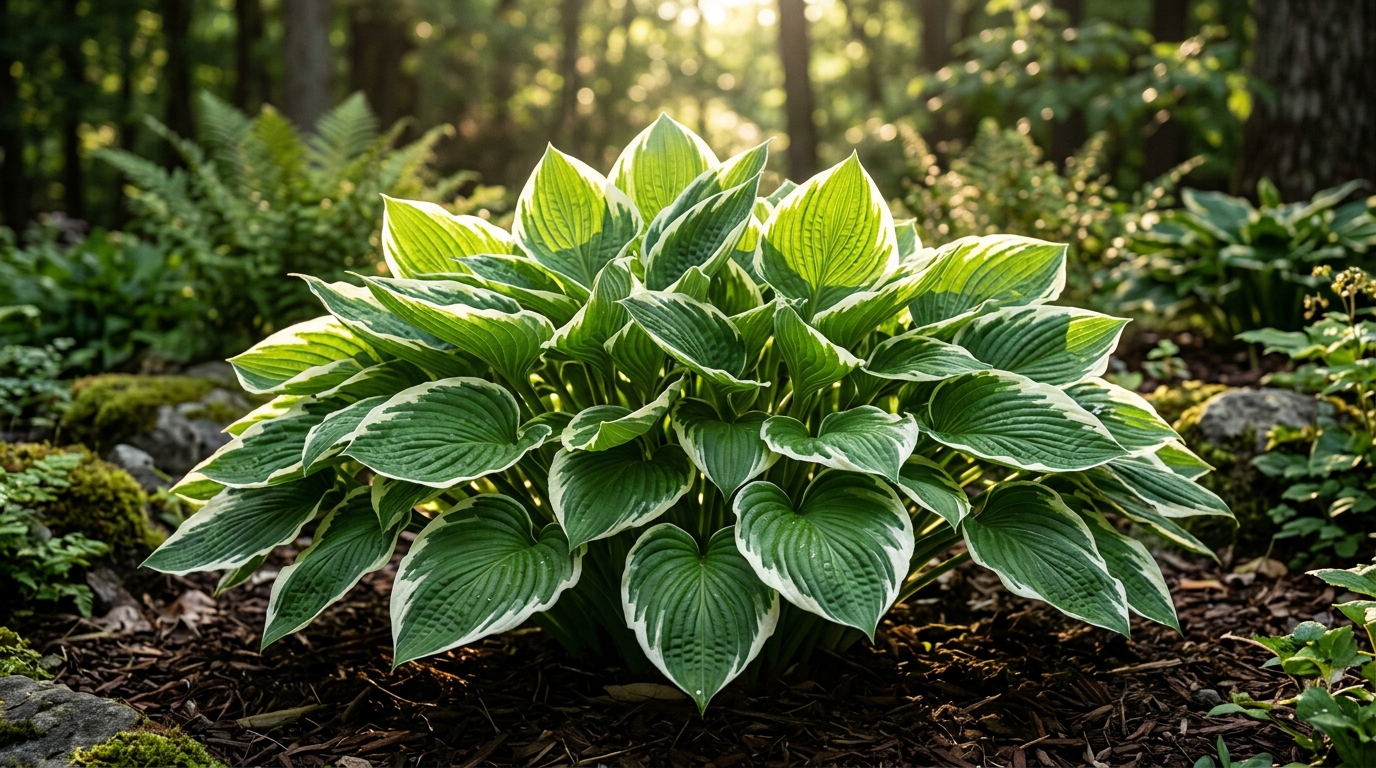
The Hosta
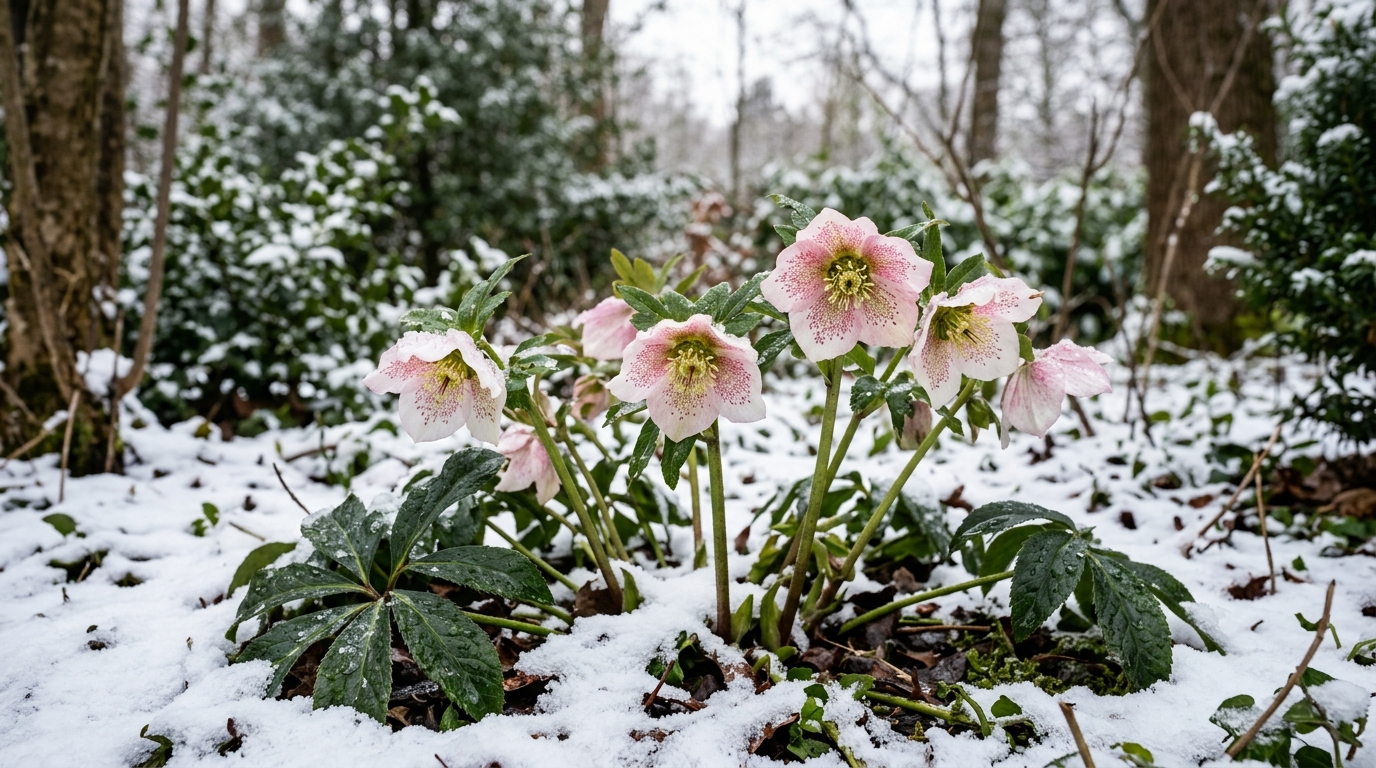
The hellebore
Perennial Geranium (Crane’s Bill)
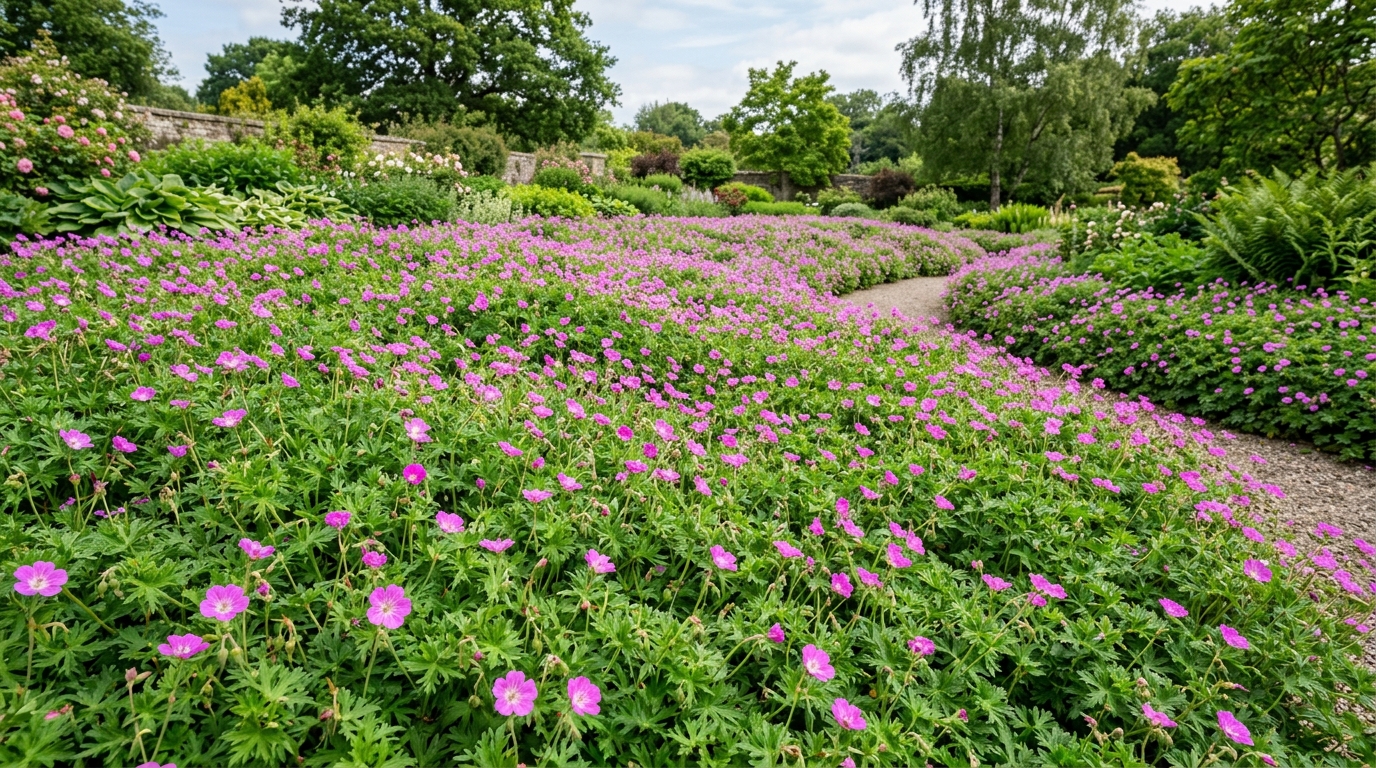
The citrus scent given off by these groundcovers deters rabbits and deer from approaching them. In late spring, crane-shaped flowers seem to dance just above the plant’s dense foliage.
This variety spreads very easily. What began as a simple 10-centimeter pot 15 years ago now forms a ground cover that extends among most of the other perennials in the editor’s flower beds.
The Art of Landscaping for the Future
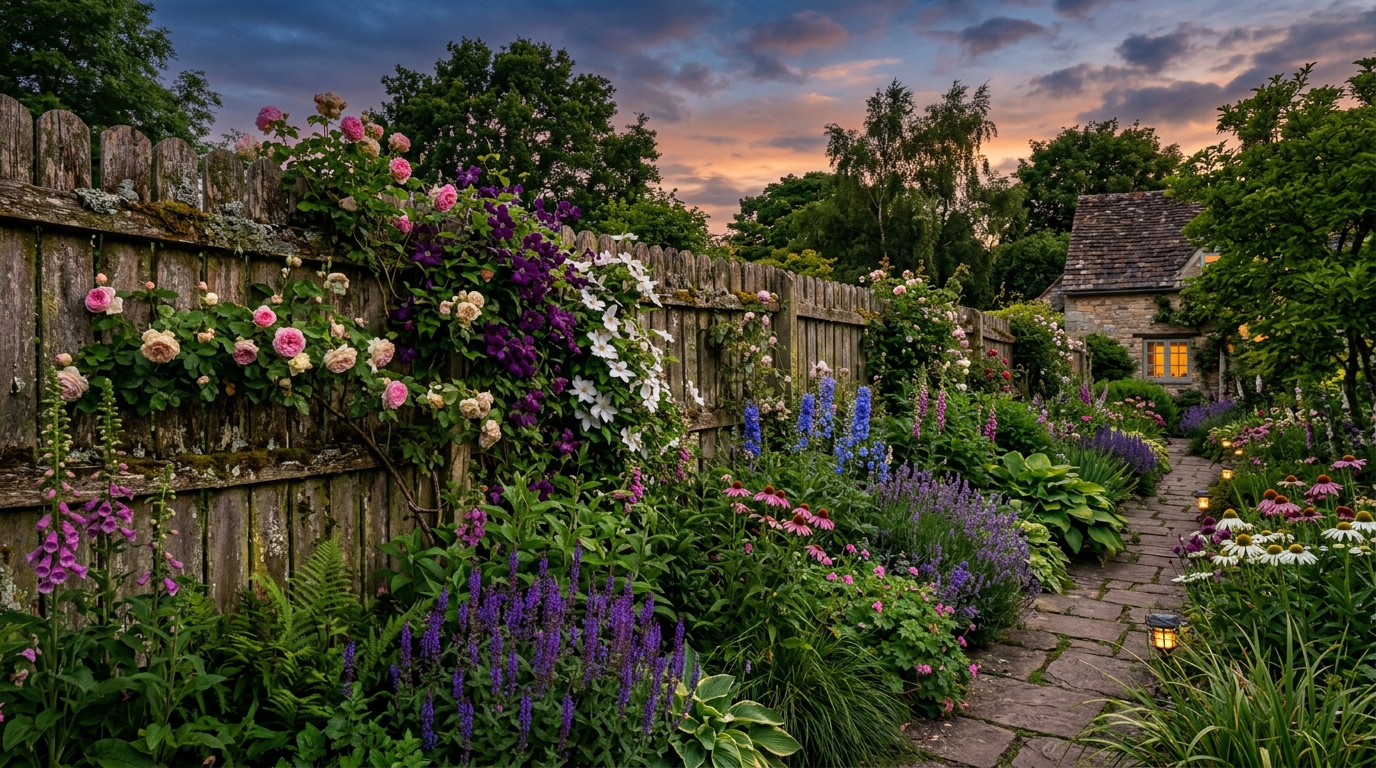
Selecting plants capable of standing the test of time changes the traditional approach to gardening. Integrating these hardy species requires a precise understanding of their life cycle—from their rooting needs to their full bloom.
Source: countryliving.com
12 Hardy Perennials to Bring Color to Your Garden for Decades


