

A Scientific Paradigm Shift
For generations, biologists believed that the development of a queen bee was solely a matter of diet. The prevailing theory held that feeding an ordinary larva a sufficient amount of royal jelly—that milky, nutrient-rich substance—was enough to transform it into the colony’s ruler. This diet was thought to enable her to grow larger, live much longer, and become the sole egg-layer responsible for the next generation of bees.
“The old idea was relatively simple: take an egg, move it into a queen cell, feed it royal jelly, and you get a queen,” explains Boris Baer, an entomologist and director of the Center for Integrative Bee Research (CIBER) at the University of California, Riverside, whose lab participated in the study. “What we discovered is that there’s a whole machinery behind this process. It’s much more sophisticated than we imagined.”
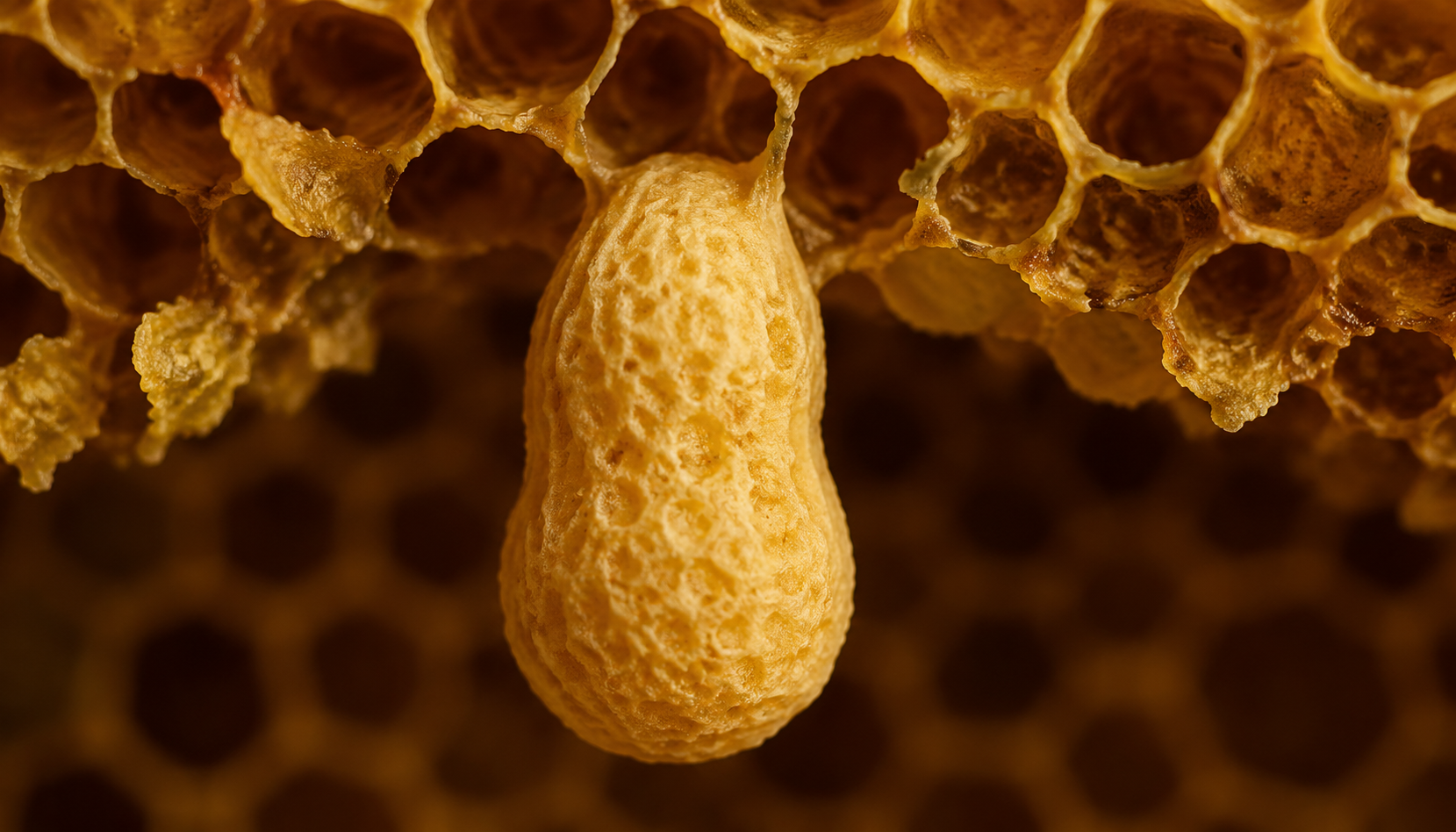
The Specific Architecture of the Queen Cells
A Highly Specialized Workforce
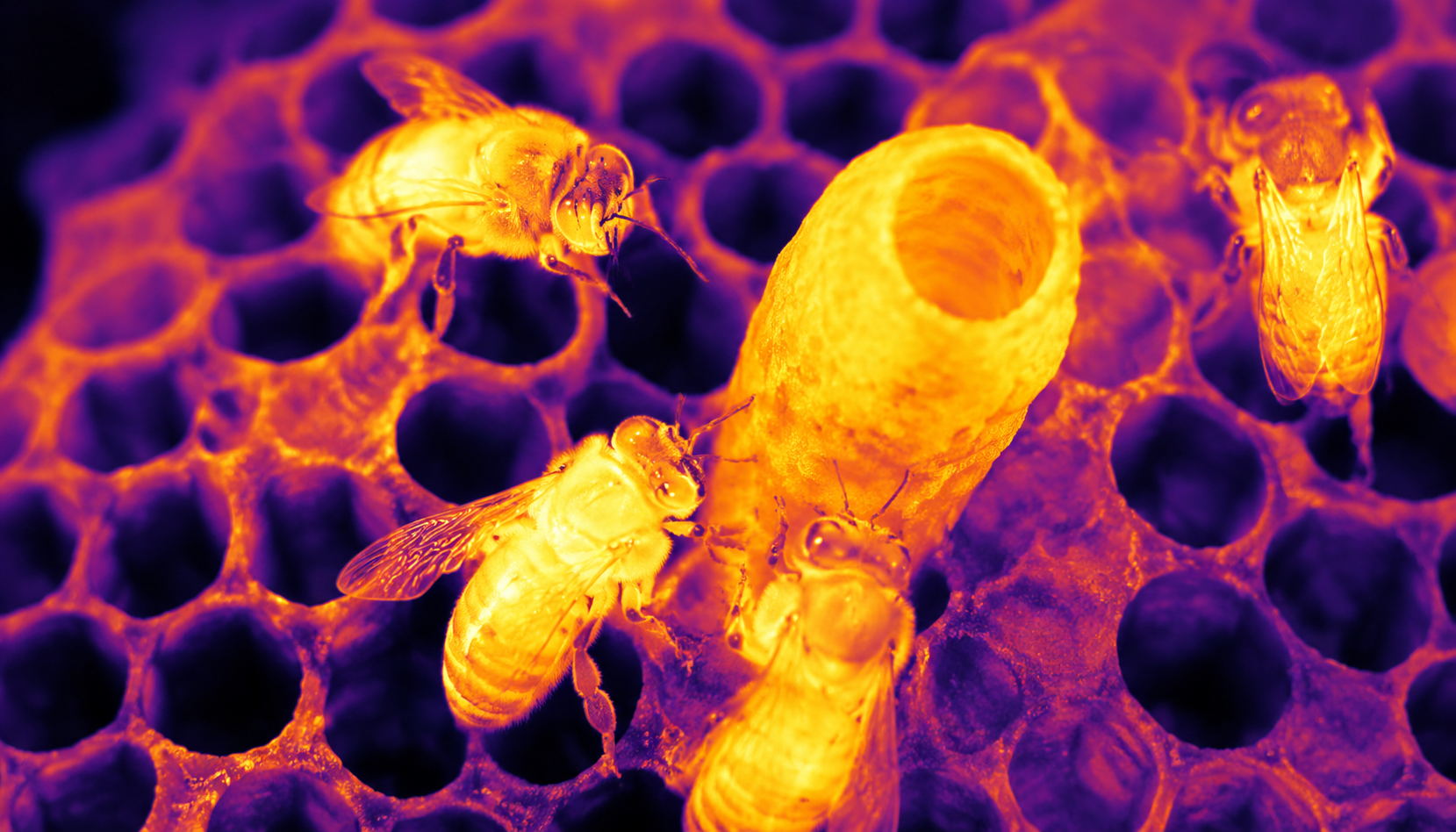
The study also highlights the existence of a previously unknown class of bees, which scientists have dubbed “queen cell builders.” These workers, generally younger than other members of the hive, appear to have unique adaptations for carrying out this crucial task for the colony.
When caring for future queens, these young worker bees undergo physiological changes and maintain a high body temperature. This extra heat, transferred to the queen cells, acts as a catalyst for the larvae’s development, significantly accelerating their growth.
Thanks to this thermal effort, queens reach maturity in just about 16 days, compared to about 21 days for typical worker bees. This time savings represents a decisive strategic advantage for the group’s survival, particularly when a colony faces the urgent need to crown a new leader to ensure its continuity.
Recycling and Materials Engineering
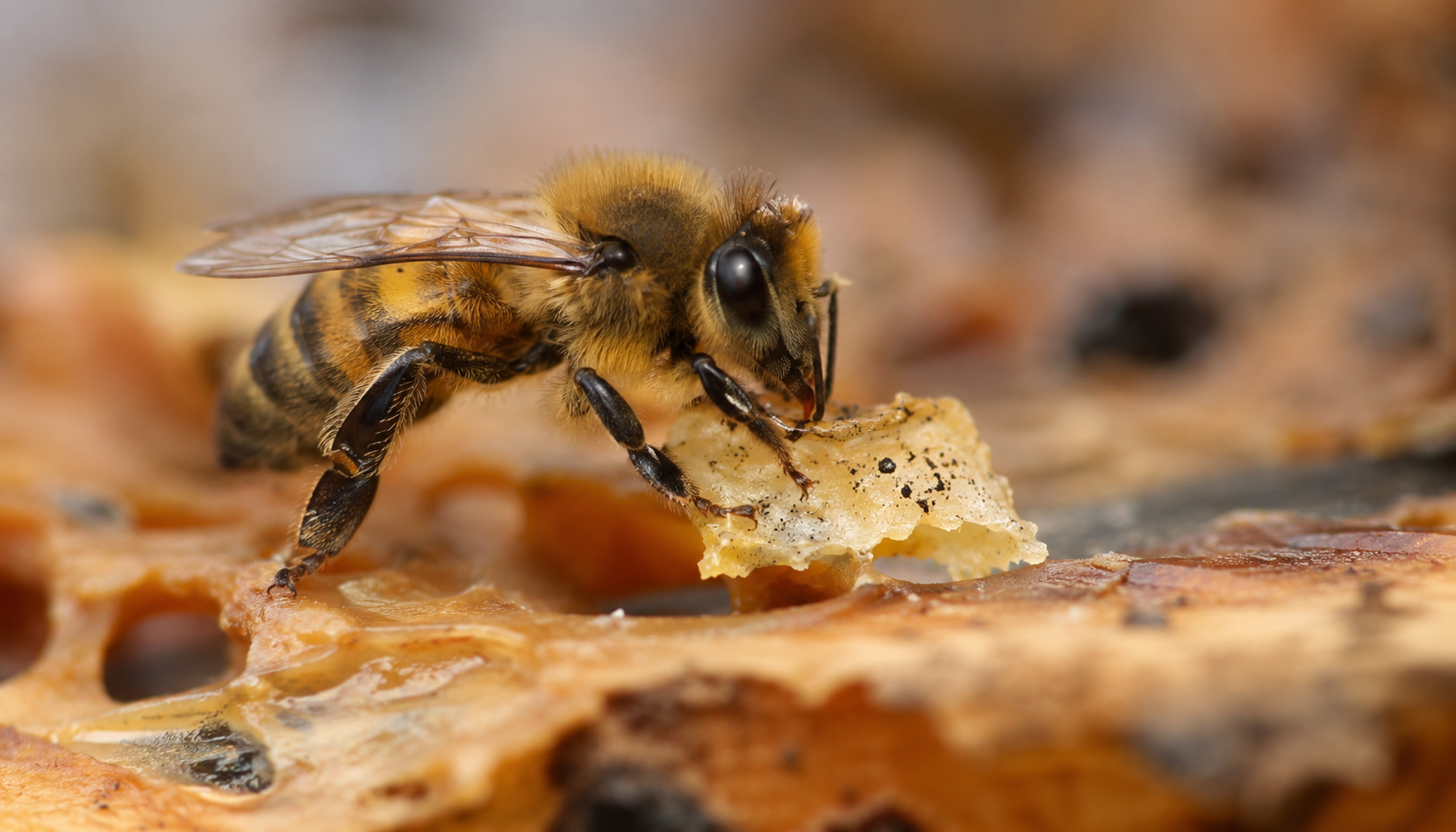
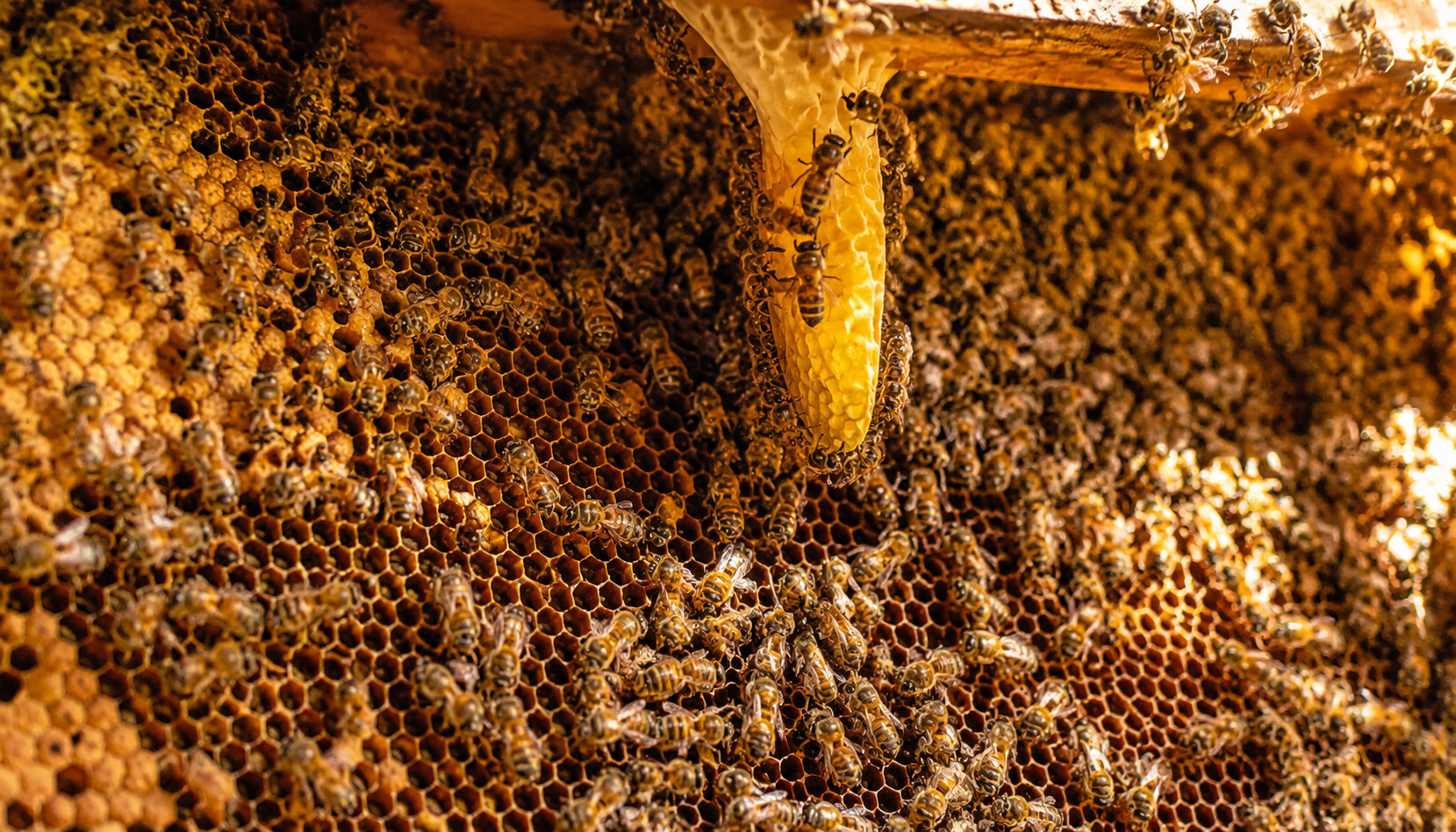
Boris Baer compares this meticulous and dedicated process to the organization of a royal court. “You can think of it as something like Buckingham Palace,” he points out. “There’s a dedicated group of bees entirely focused on raising the queen, and if they don’t do things right, the colony cannot reproduce.”
Major Implications for Evolutionary Biology
Led by two former UCR postdoctoral researchers, Yu Fang and Yahya Al Naggar, the study published in 2026 under the title “Queen cell architecture shapes honey bee queen development” (DOI: 10.1038/s41586-026-10534-3) by Kai Wang and his colleagues in the journal Nature, revealed that this pattern is identical in both Asian and European bee species. This consistency suggests that the strategy is deeply rooted in the species’ evolution. “Given its collaborative nature, this project reflects CIBER’s broader philosophy of bringing together different disciplines to address complex biological questions,” explains Boris Baer.
Beyond simply advancing our understanding of hymenopterans, these findings could transform how the scientific community views biological development as a whole. They demonstrate how the immediate environment, social dynamics, and physical structures actively shape an organism’s biology, going beyond the simple equation of “special food creates a special insect.”
The myth that a queen is determined solely by her diet gives way to the fascinating reality of an entire society collaborating to build its sovereign’s future. “This work highlights just how sophisticated insect societies are,” concludes the entomologist. “Honeybee colonies are not simply collections of individuals. They function as integrated biological systems capable of shaping their own environments.”
Source: phys.org
How Honeybees Actually Choose Their Queen


