

A Century-Old Mystery Solved by Two High School Students

In 2001, Bill Martin and Jon Curtis, two 17-year-old high school students, discovered the “Angel’s Glow” phenomenon during a history class. Accompanied by Jon’s mother, a microbiologist, the two teenagers decided to investigate the historic site. Their meticulous research not only earned them first place at the 2011 Intel International Science and Engineering Fair but was also featured in a special report on the Smithsonian Magazine website, simply titled “Seven Obscure Facts You Didn’t Know About the Civil War.”
The Horror and Irony of the Battle of Shiloh
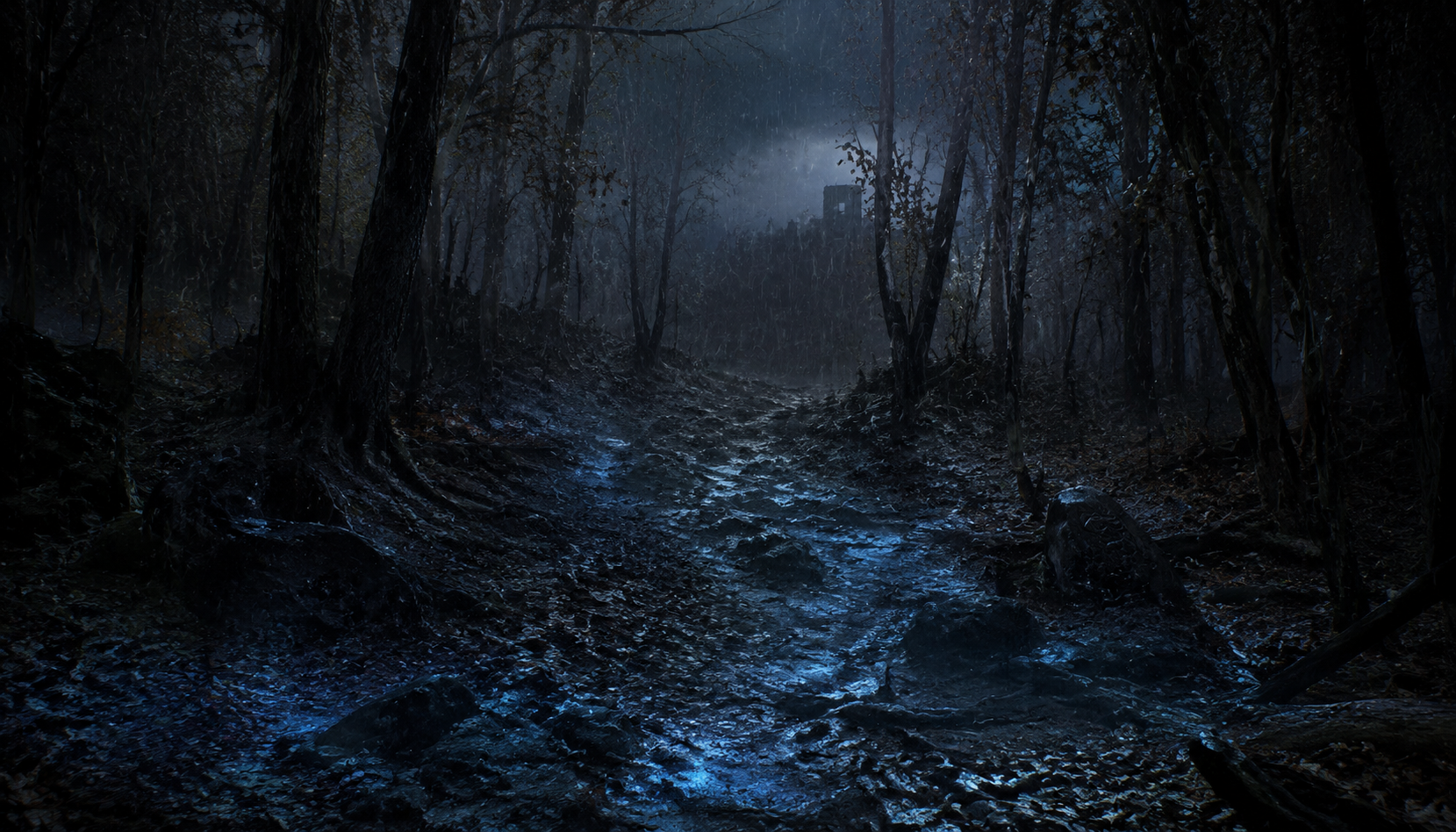
To understand the significance of this discovery, we must go back to April 6 and 7, 1862. The Battle of Shiloh took place during the American Civil War, claiming 23,746 lives. This tragic toll is accompanied by a cruel irony, since the site’s name means “place of peace” in Hebrew. At the end of the fighting, an additional 16,420 soldiers lay wounded, scattered throughout the surrounding woods and ravines.
Unable to move, these men shivered in the darkness, rain streaming down their faces, as they awaited either rescue or death. When doctors finally arrived at the scene of the carnage, they were stunned to discover eerie bluish lights glowing in the night. This strange glow emanated directly from the soldiers’ gaping wounds. Even more surprising was that the wounded exhibiting this supernatural luminescence survived in greater numbers than those with ordinary injuries, giving rise to the legend of the “Angel’s Glow.”
A Formidable Microscopic Alliance
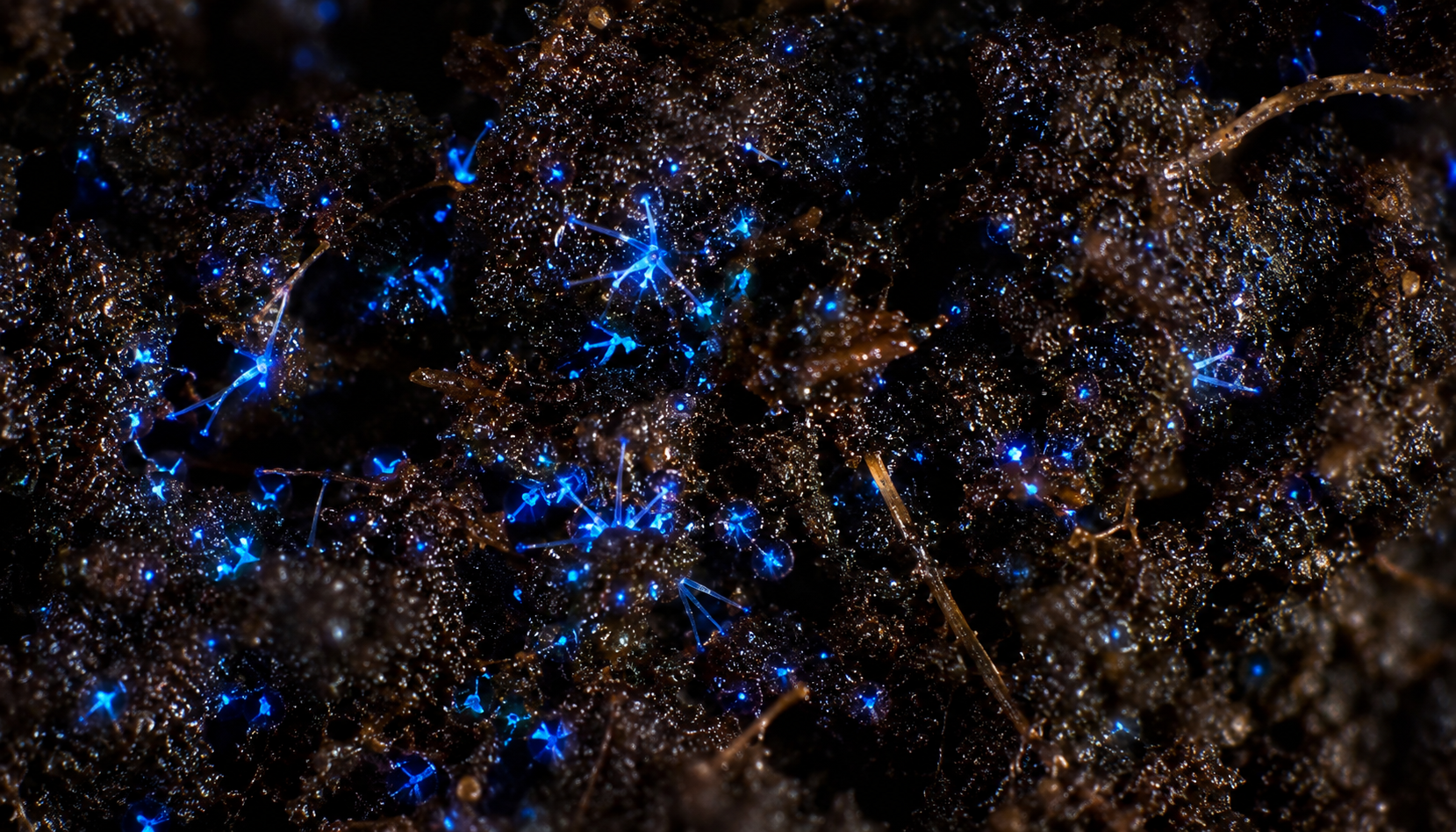
The young researchers’ work revealed that this light came from Photorhabdus luminescens, a bioluminescent bacterium. Unlike typical bacteria that infect human wounds and are pathogenic, this species specifically targets insects. It lives in perfect symbiosis with soil nematodes—microscopic worms belonging to the Heterorhabditidae family—which feed on the internal organs of their prey.
The biological process is incredibly effective. The bacteria colonize the intestines of these nematodes, which, in their juvenile stage, hunt down insects. Once the worm enters a host’s bloodstream, it releases the bacteria. The bacteria then secrete lethal toxins and enzymes that break down the insect’s carcass, thereby providing food for both organisms. To protect this nutrient source, the secretions of P. luminescens effectively prevent any other bacterial species from colonizing the site.
The Paradox of a Life-Saving Infection

It was precisely these bactericidal secretions that saved the soldiers at Shiloh. Attracted by the smell of blood, insects carrying these microscopic worms landed on open wounds, thereby spreading the bacteria. This mechanism, which was fatal to the insects, acted as an unexpected disinfectant for humans, preventing common infections and gangrene from developing—scourges that nevertheless decimated many troops during the Civil War.
The precise mechanism of this bioluminescence remains only partially understood even today. Researchers do know, however, that it is generated by the lux operon (from the Latin word meaning “light”), a group of genes that work together to produce the proteins responsible for this light emission. At the same time, P. luminescens produces four distinct toxins, one of which is curiously named “makes caterpillars flaccid” (Mcf). The properties of these toxins are now being harnessed in agriculture to protect crops from insect pests.
Hypothermia, the cornerstone of the phenomenon
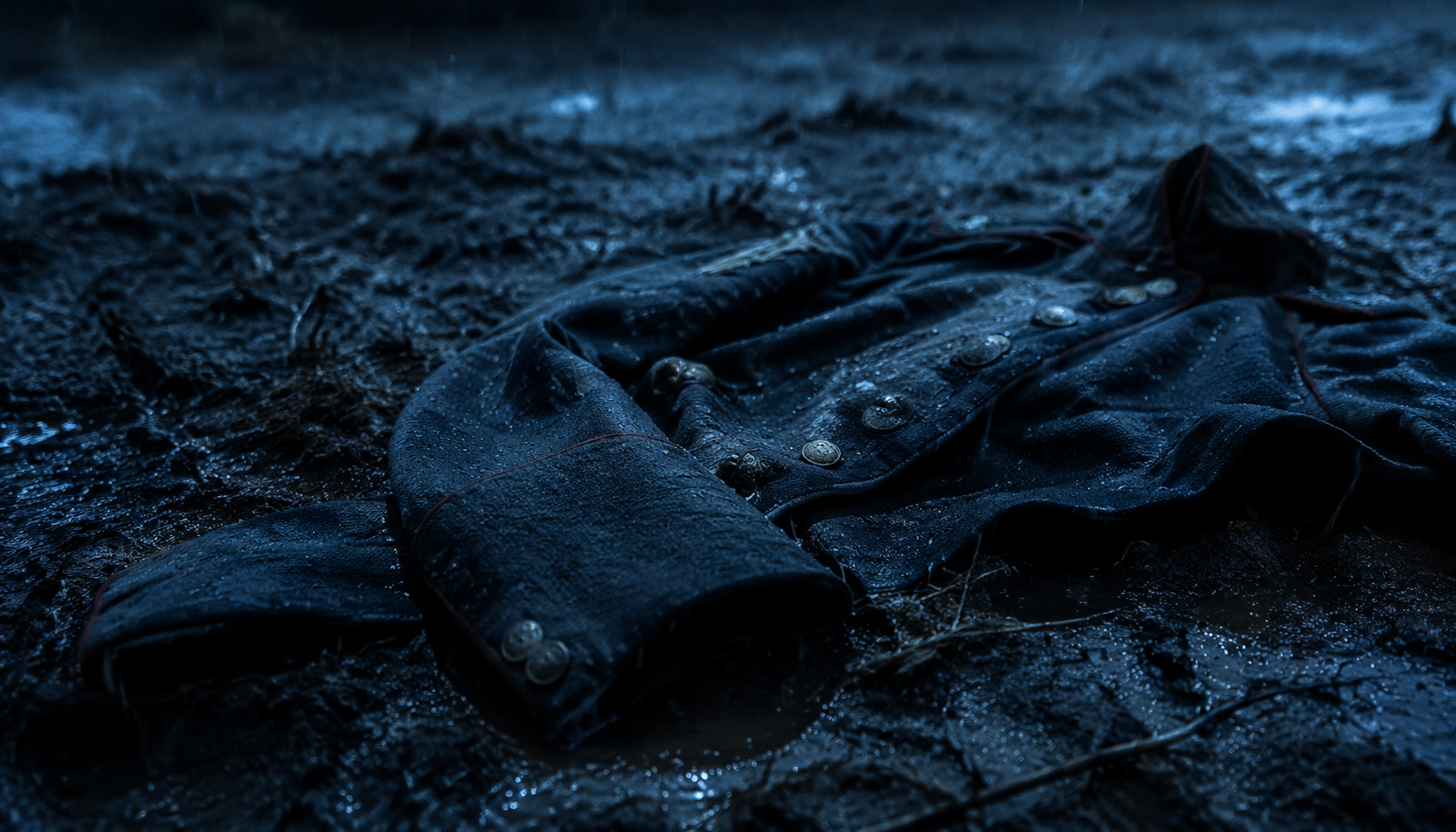
One question remained, however, after Bill and Jon’s discoveries: if these disinfecting bacteria are so effective, why isn’t this luminous phenomenon observed more commonly on human wounds? The laboratory experiments conducted by the two students provided the final answer. Their tests demonstrated that P. luminescens is unable to survive at the average temperature of a healthy human body.
The miracle of the “Angel’s Glow” actually depended on the extreme weather conditions of the battle. The soldiers’ prolonged exposure to torrential rain and freezing nights caused widespread hypothermia. This intense cold caused their body temperatures to drop low enough to allow the bacteria to thrive, secrete their life-saving toxins, and eliminate other pathogenic microbes. A poignant demonstration that, in the darkness of that battlefield, an angel was indeed watching over the wounded—even if it lacked wings.
Source: popularmechanics.com
Hundreds of soldiers from the Civil War were doomed. Then their wounds began to glow


