

The Decisive Turning Point of the French Campaign
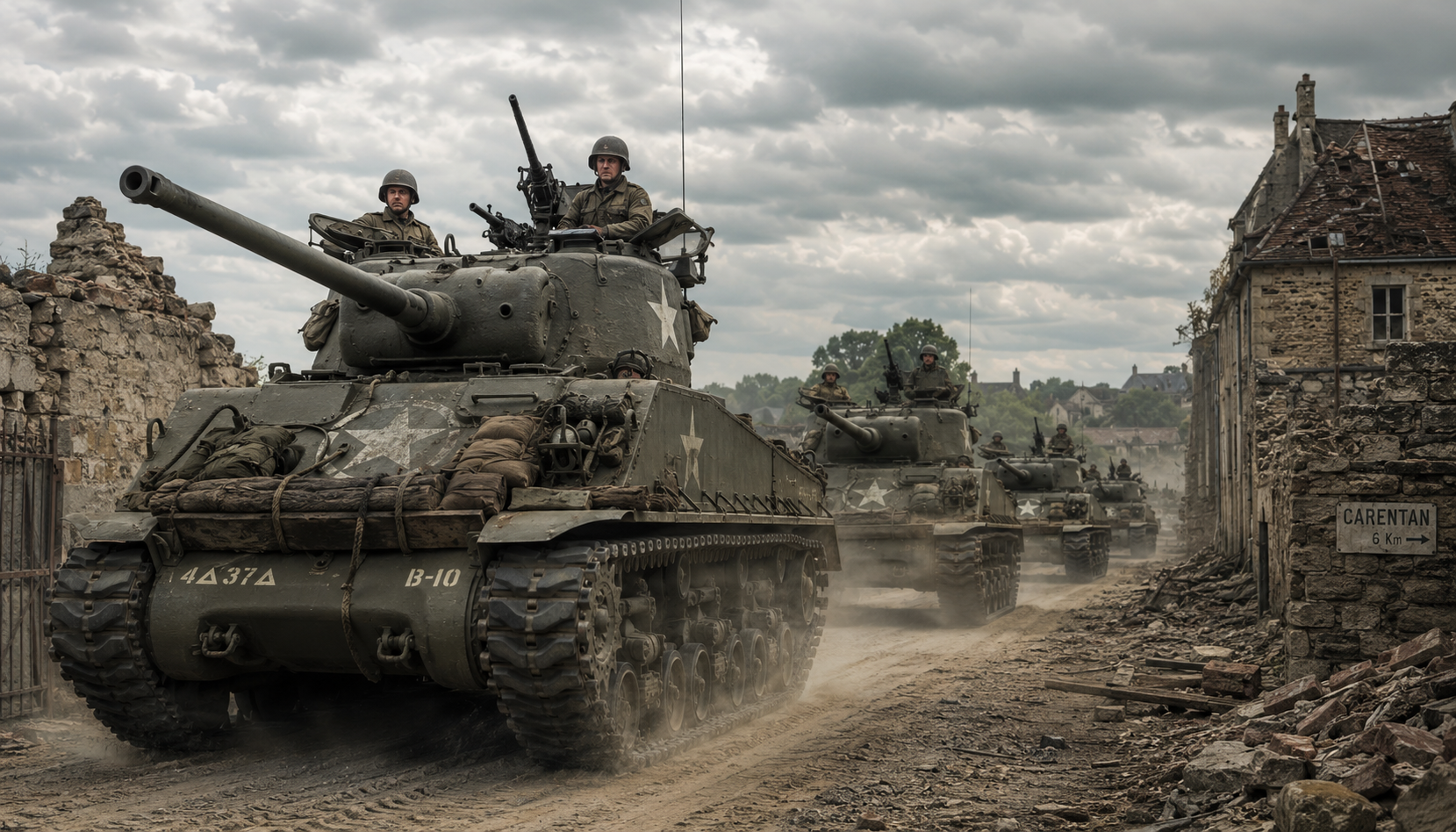
In 1944, during Operation Cobra, massive bombings in Normandy enabled Allied troops to break through enemy lines. This maneuver was followed by a lightning-fast advance by General George S. Patton’s Third Army, leading to the encirclement of German forces and the rapid liberation of Brittany. These operations laid the groundwork for the gradual expulsion of German troops from all of France, according to historical archives from that period.
A week after the capture of the city of Avranches, Germany launched a counteroffensive known as Operation Lüttich. However, this attempt by the Axis forces was thwarted thanks to intercepted communications. This success was no accident, but the result of planning based on encrypted intelligence that made it possible to avert a likely military disaster and turn it into a significant victory.
The Shadow of Bletchley Park and the SLU Network
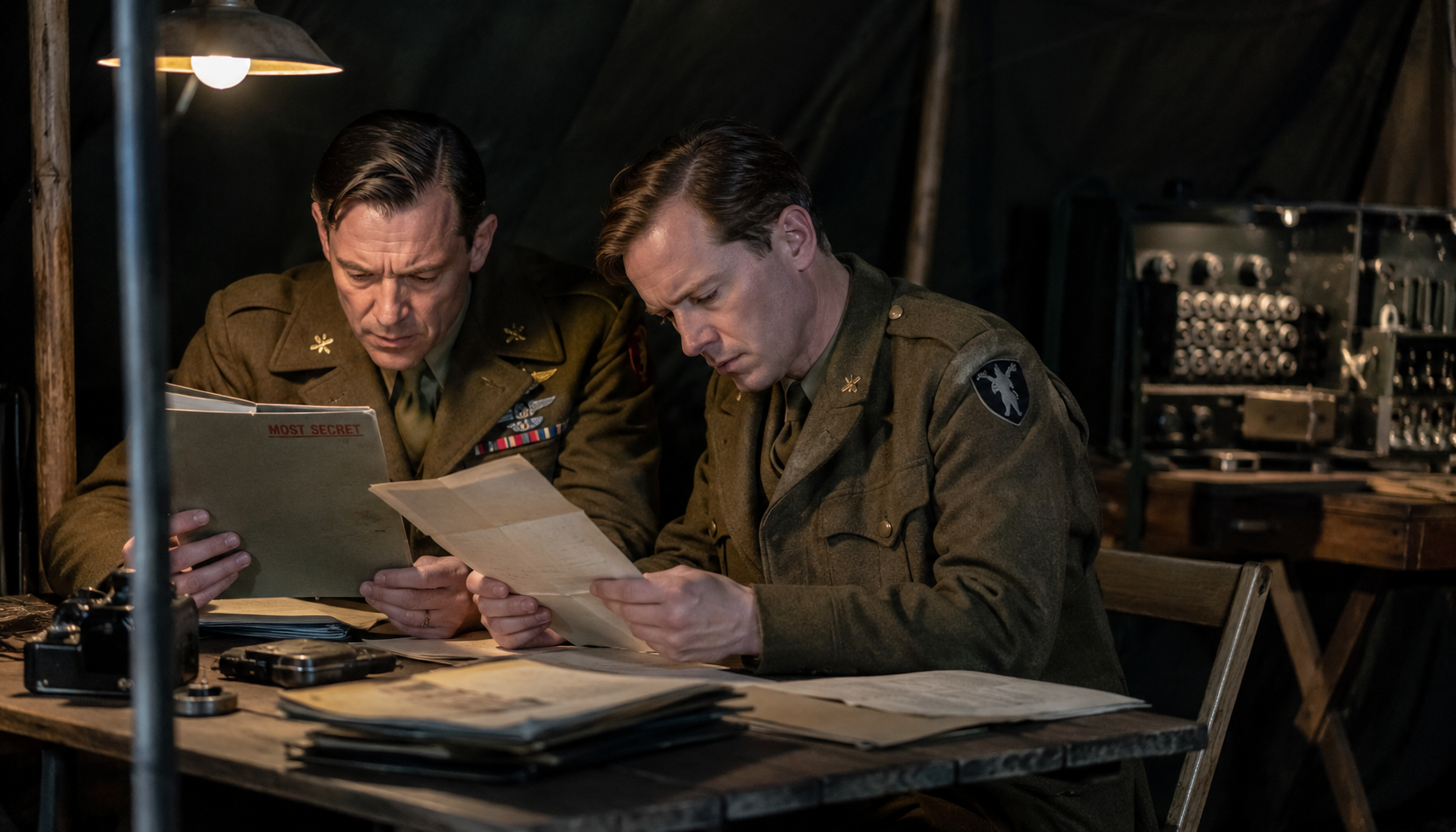
At the heart of this intelligence-gathering operation was information decoded from the German Enigma cipher machine—a stream of data nicknamed “ULTRA.” This interception system relied heavily on the legendary work of British mathematician Alan Turing and his team at Bletchley Park. These decrypts had already proven their worth by enabling Allied naval convoys to evade the formidable German submarines (the U-boats) and by giving Britain the ability to warn the Soviets of German intentions on the Eastern Front.
The two men lived and worked in a tent located about 300 yards (nearly 275 meters) from Colonel Oscar Koch, the commander of the Third Army’s intelligence service (G-2). They briefed Koch and his staff every other day. It was during these briefings that Helfers and Wallace anticipated the German counterattack targeting Patton’s tanks, providing precise details on the enemy’s troop movements and logistical difficulties.
The G-2 Anomaly: Officers Initially Underestimated
Despite the vital importance of intelligence briefings during the war, service within G-2 was not always viewed as a prestigious distinction by the military hierarchy. Omar Bradley, a senior officer in World War II who later became a five-star general in 1950, once stated that “the misfits were frequently assigned to intelligence duties.” He added that G-2 was considered “a dumping ground for officers unfit for command.”
This reputation as a gathering of misfits stood in stark contrast to the reality on the ground. The title of intelligence officer was never synonymous with any kind of incompetence. On the contrary, one of the greatest successes of these behind-the-scenes teams directly paved the way for the army’s triumphant march through Nazi-occupied France.
General Patton himself had an approach to intelligence that was quite different from that of many other senior officers. Having served on two separate missions as an intelligence officer during the interwar years, he deeply understood its value. This perfect combination of technical expertise and a willingness to adapt to new information was a decisive factor in one of the Allies’ greatest victories of the war.
The Historical Legacy of Military Espionage
The decisive impact of this intelligence is part of a long tradition in which accurate intelligence has determined the outcome of battles—and sometimes entire wars—since ancient times. During the Second Punic War, for example, Hannibal wreaked havoc on the Roman Republic largely thanks to his skills as a master spy.
During World War II, intelligence gathering reached unprecedented levels of technological complexity. Signals intelligence (SIGINT), supported by teams of cryptologists, provided Allied forces with unparalleled insight into the enemy’s intentions.
A resounding tactical victory for the Allies
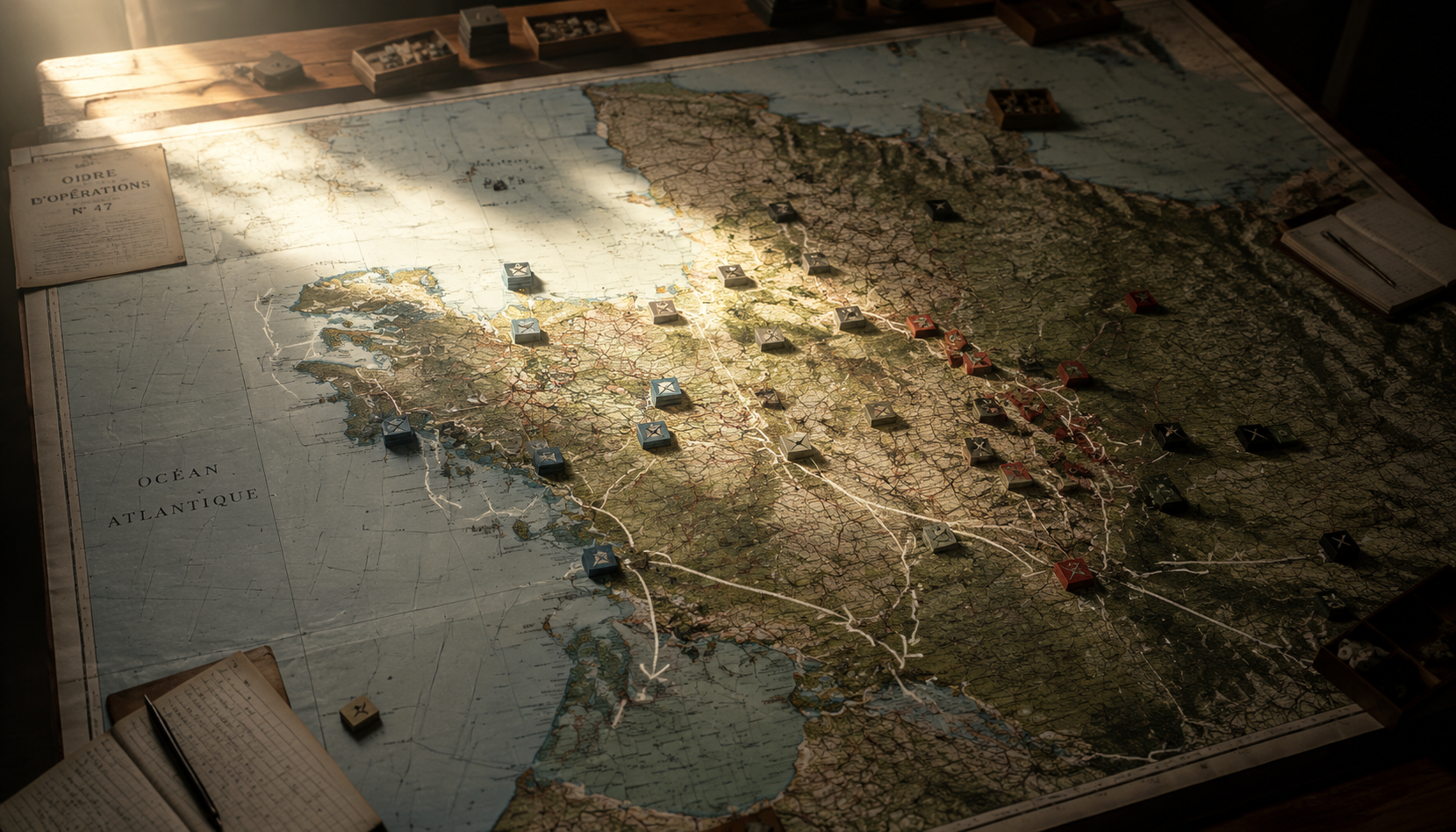
“General Patton’s use of ULTRA in his historic breakthrough across France is a fitting subject for a tactical epic,” Wallace wrote. He emphasized the importance of every intercepted detail, adding: “A single message, as at Avranches, can divert the spearheads of a German army and save an entire campaign from disaster. Every day brings its share of valuable and interesting intelligence, and in many cases, that intelligence is the driving force behind entire divisions.”
Although the prevailing perception sometimes viewed the men of G-2 as merely a collection of misfits, their daily diligence contradicted that view. By providing the intelligence needed to break through the German lines and send troops en masse to Brittany, they established themselves—on that day and throughout the war—as undeniable heroes behind the scenes.
Source: popularmechanics.com
In 1944, top-secret intelligence saved General Patton’s army from disaster


