Skip to content

A Persistent Myth in the Face of New Scientific Discoveries
The name of this flightless bird has become almost synonymous with the word “extinction.” Most people immediately mention this species when asked about extinct animals, but the true story of its decline remained particularly obscure for centuries.

Long portrayed as a clumsy creature destined to disappear, the animal concealed a reality far more complex than a simple tale of a clumsy bird meeting an inevitable end. Current research on the subject continues to evolve, and new discoveries regularly refine existing theories.

According to a recent review of several centuries of scientific literature, the classic stereotype of a slow, doomed bird may be completely false. The study suggests that the animal was likely very agile and perfectly adapted to its island environment.

Anatomy and Cognitive Abilities: Debunking Common Misconceptions
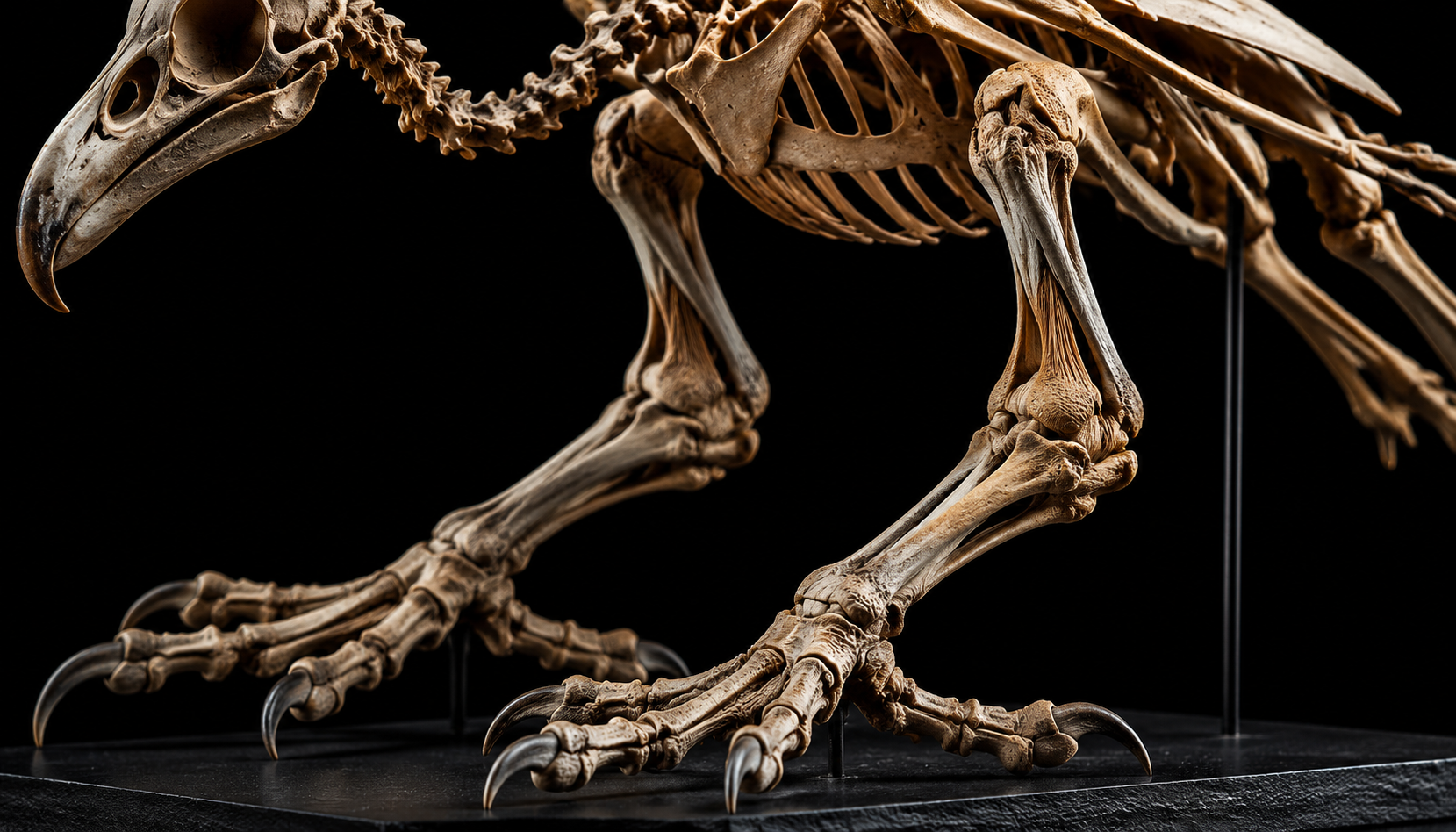
Recent scientific discoveries challenge most of the old myths surrounding Raphus cucullatus, its scientific name. The bird was likely significantly faster and more robust than the historical caricature of laziness often associated with it would suggest.

A specific study revealed the presence of very powerful tendons in its legs. This anatomical feature provides strength and mobility comparable to those of modern running or climbing birds, demonstrating optimal physical adaptation to its habitat.

Its reputation as a unintelligent animal is also being reevaluated by researchers. Analysis of the ratio between its brain size and body size, combined with other anatomical characteristics, suggests that it possessed intelligence quite comparable to that of modern pigeons.

A Vulnerability Shaped Over Millions of Years
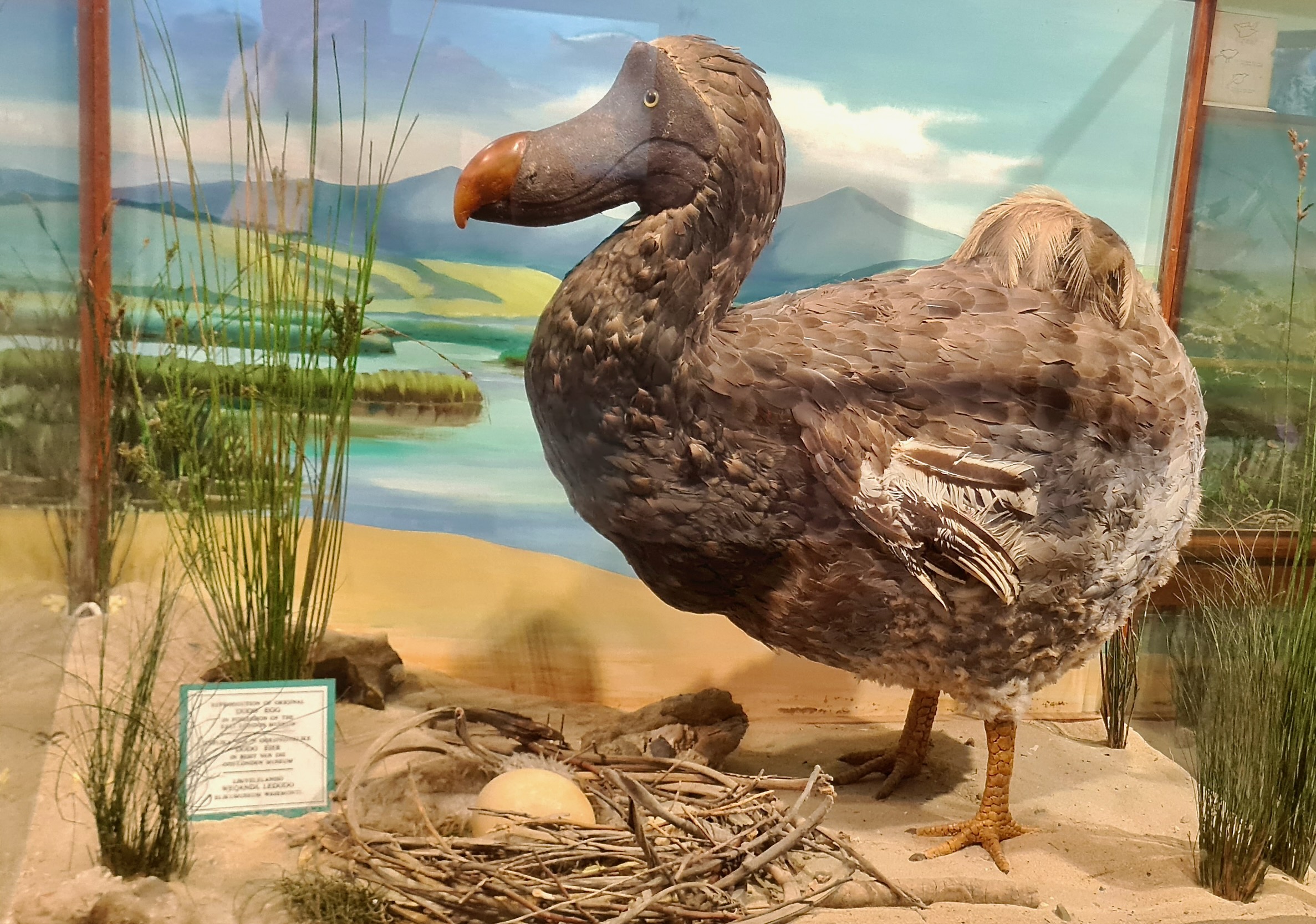
Dodo (Raphus cucullatus), model with egg.jpg
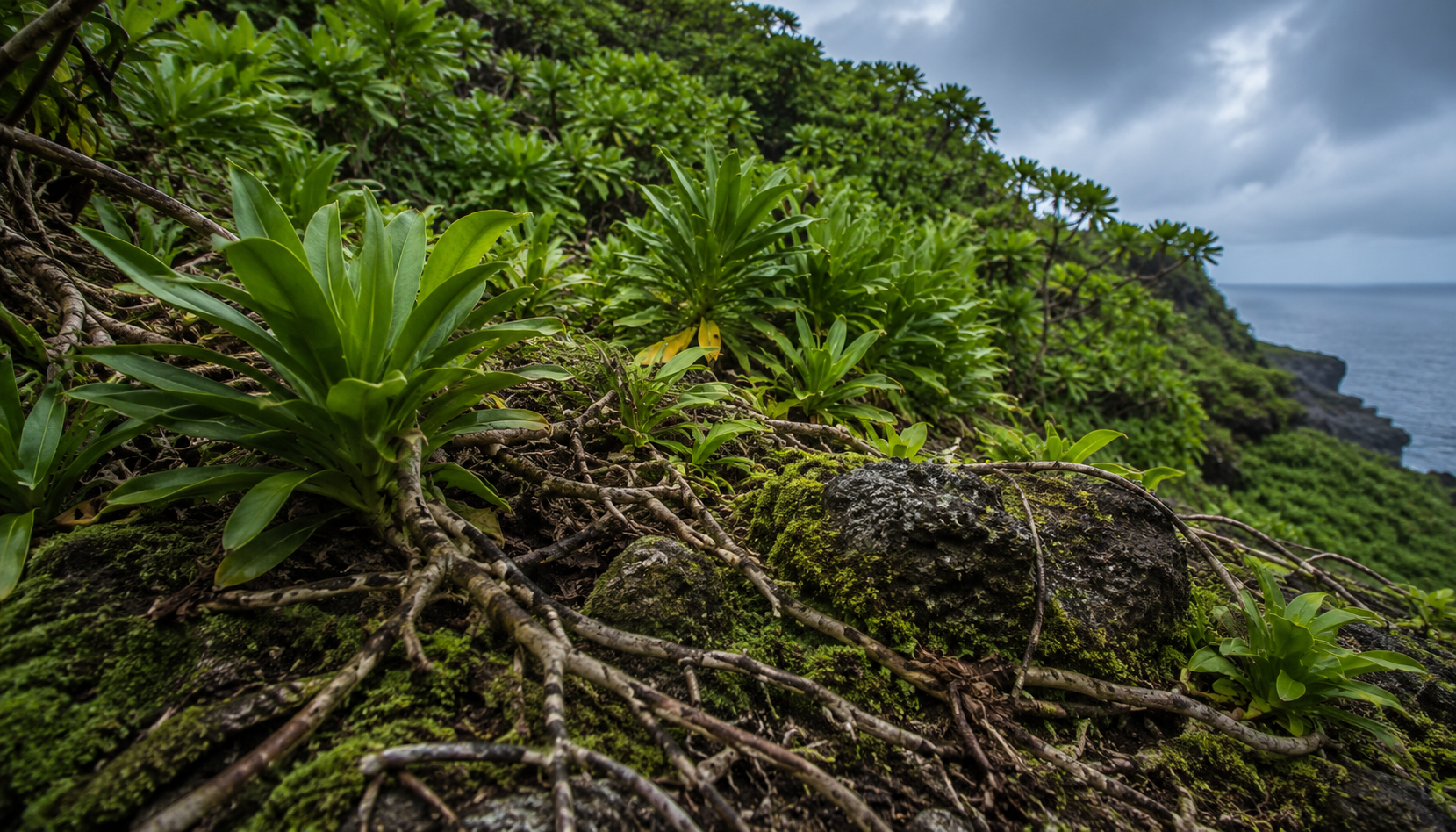
This bird lived exclusively on the island of Mauritius, located in the Indian Ocean. This highly unique ecosystem had one major characteristic: it was devoid of any terrestrial mammalian predators for several million years.

Completely free from the usual pressures of predation, the species evolved to become massive and lost its ability to fly. This explains why the animal appeared particularly relaxed in the presence of other species, including humans who arrived on the island during the sixteenth century.

Being endemic to a single island, with no other populations anywhere else in the world, made the species extremely vulnerable. Its habit of nesting on the ground, combined with potentially low reproduction rates, significantly amplified this initial vulnerability.

The Real Trigger: A Rapid Ecological Collapse

Rather than stemming from a single cause, the dodo’s extinction resulted from a perfect storm of human-induced ecological disruptions. While hunting by sailors played a role, the most devastating impact came from the introduction of new species and the habitat destruction associated with colonization.

When Dutch colonists, and later their successors, began clearing the forests of Mauritius, the bird lost a large portion of its natural range and its essential nesting areas. Human activities rapidly altered the food chain and breeding sites.

Animals such as pigs, dogs, cats, rats, and macaques were introduced to the island by ships. These invasive species began preying on eggs and chicks, while also competing directly for food. Several sources now assert that these introduced mammals had a far more destructive effect than hunting itself.

A Fatal Countdown and a Lasting Legacy

All of these factors combined literally wiped out the species in less than a century after its discovery by Europeans. The last sighting formally accepted by the scientific community dates to around 1662, although some estimates suggest it survived slightly longer, until the late 1600s.

This extinction has become one of the very first well-documented examples of human-caused species loss. According to historians and ecologists, this event helped reshape the scientific worldview, forcing the recognition that entire species can disappear due to human activities, and not just through so-called “natural” extinction.

The dodo did not go extinct because it was inherently doomed by nature; it thrived in its isolated environment until the balance was disrupted. Mauritius is still dealing with the long-term consequences of these initial disturbances. Today, this story serves as a stark reminder of the fragility of island ecosystems, prompting us to view this bird as a powerful testament to the dangers posed by rapid external changes threatening current biodiversity.

Source: petmojo.com

The True Story of the Dodo: Why Did the Bird Really Disappear from the Face of the Earth?

facebook icon twitter icon linkedin icon
Copied!

Commentaires

0 0 votes
Article Rating
Subscribe
Notify of
guest
0 Comments
Newest
Oldest Most Voted
Inline Feedbacks
View all comments
More Content