Skip to content

Introduction to the Dynamics of Biological Aging
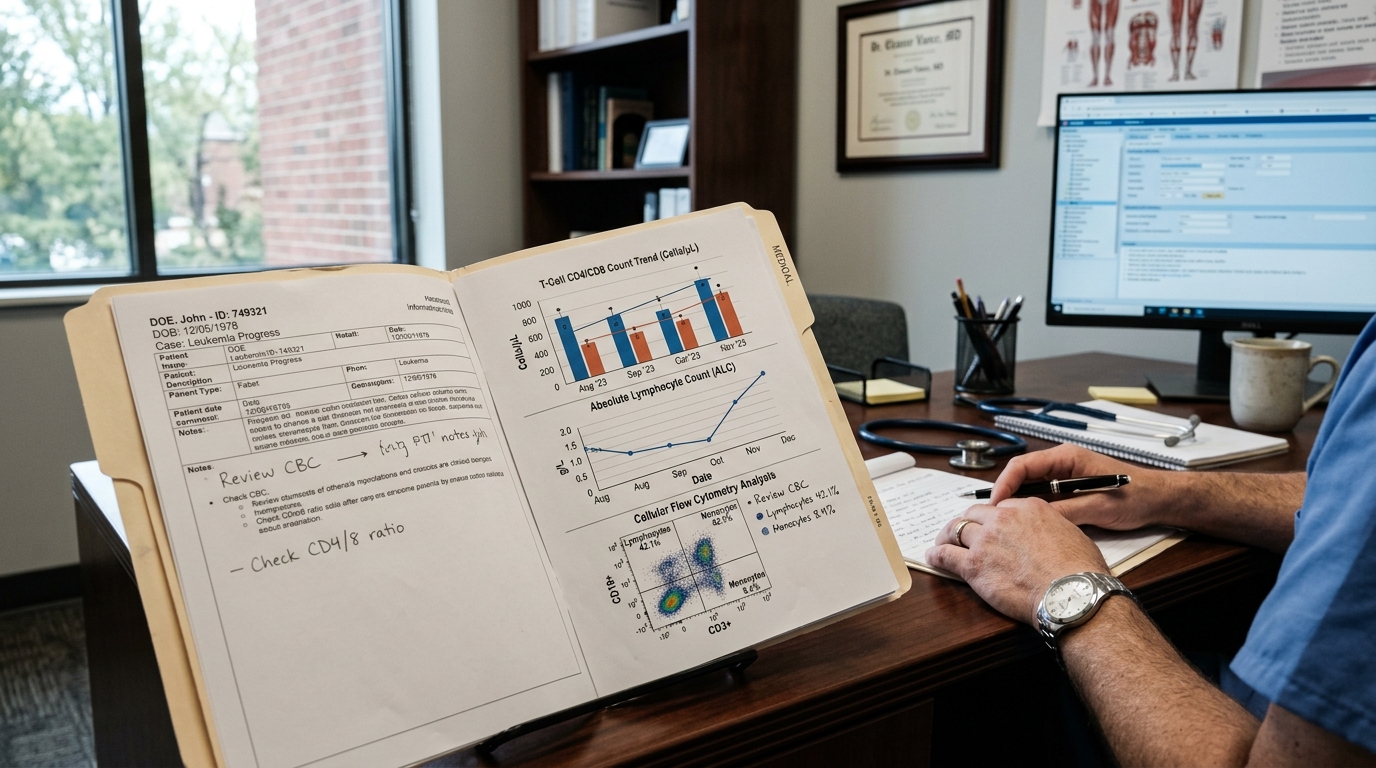
Historically, medicine has linked the onset of cancer to the natural aging process. However, for several years now, healthcare professionals have been documenting an upward trend in the diagnosis of advanced cancers in patients under the age of 55.

A large-scale study recently published in the scientific journal Nature Medicine offers a potential explanation for this phenomenon. The data suggest that recent generations may be experiencing significantly faster biological aging than their predecessors—a factor that could shed light on the increased prevalence of early-onset cancers.

The researchers draw a fundamental distinction between chronological age—as indicated by one’s ID card—and biological age. The latter measures the body’s actual condition, assessed based on the level of wear and tear on cells, tissues, and organs. The discrepancy between these two ages is particularly pronounced for generations born in the 1960s and later, a trend that becomes even more pronounced for cohorts born in the 1990s. The risk of developing certain diseases appears to increase in proportion to this gap.

Methodology and analysis of data from more than 160,000 participants

To support this hypothesis, research teams at Washington University in St. Louis conducted a large-scale analysis based on a total sample of over 160,000 participants. The methodology aimed to compare multiple biological markers to estimate the rate of deterioration in the human body.

Specifically, the study drew on records from more than 154,000 adults enrolled in the UK Biobank database. These profiles were supplemented by data from more than 10,000 participants in the U.S. “All of Us” program, thereby ensuring substantial statistical robustness for the project.

The findings of this research reveal that accelerated biological aging is correlated with an increased risk of cancers diagnosed before the age of 55. For individuals exhibiting the most pronounced biological signs of aging, the risk of developing certain solid tumors increases by 8%. The risk difference reaches 15% between subjects considered to be the most “biologically aged” and those whose bodies age more slowly. Cancers affecting the lung, the digestive tract, and the uterus are among the main sites of disease identified.

Environmental Causes of Premature Cellular Aging
To explain this accelerated biological wear and tear, scientists point to several factors inherent in modern lifestyles. Obesity, a sedentary lifestyle, an unbalanced diet, and alcohol consumption are among the variables cited. Various environmental factors also play a role and are believed to have a cumulative effect over the years.

Rather than focusing on the individual impact of each factor, the concept of biological age allows healthcare professionals to gain a comprehensive view of the damage sustained by the body. The current goal is to identify those at highest risk even before the clinical onset of disease.

Ultimately, the use of these markers could guide the medical community toward personalized prevention strategies. Patients found to be aging at an accelerated rate would benefit from much closer medical monitoring to anticipate potential complications.

Scientific Precautions and Limitations of Causality

Although this line of research is considered promising, the medical community emphasizes that these findings require a nuanced interpretation. A high biological age does not automatically imply the development of cancer in the individual concerned.

The study highlights a strong statistical association, without demonstrating a direct cause-and-effect relationship. The next step for the scientific community will be to precisely understand the influence of the environment, lifestyle habits, and early-life exposures on cellular aging beginning in childhood.

Should these findings be confirmed, the approach to preventing early-onset cancers would be transformed. Early detection of vulnerable profiles would provide an opportunity to tailor lifestyle advice, target screening efforts, and optimize medical follow-up before any disease manifests.

Prevention Strategies and Management of Health Habits
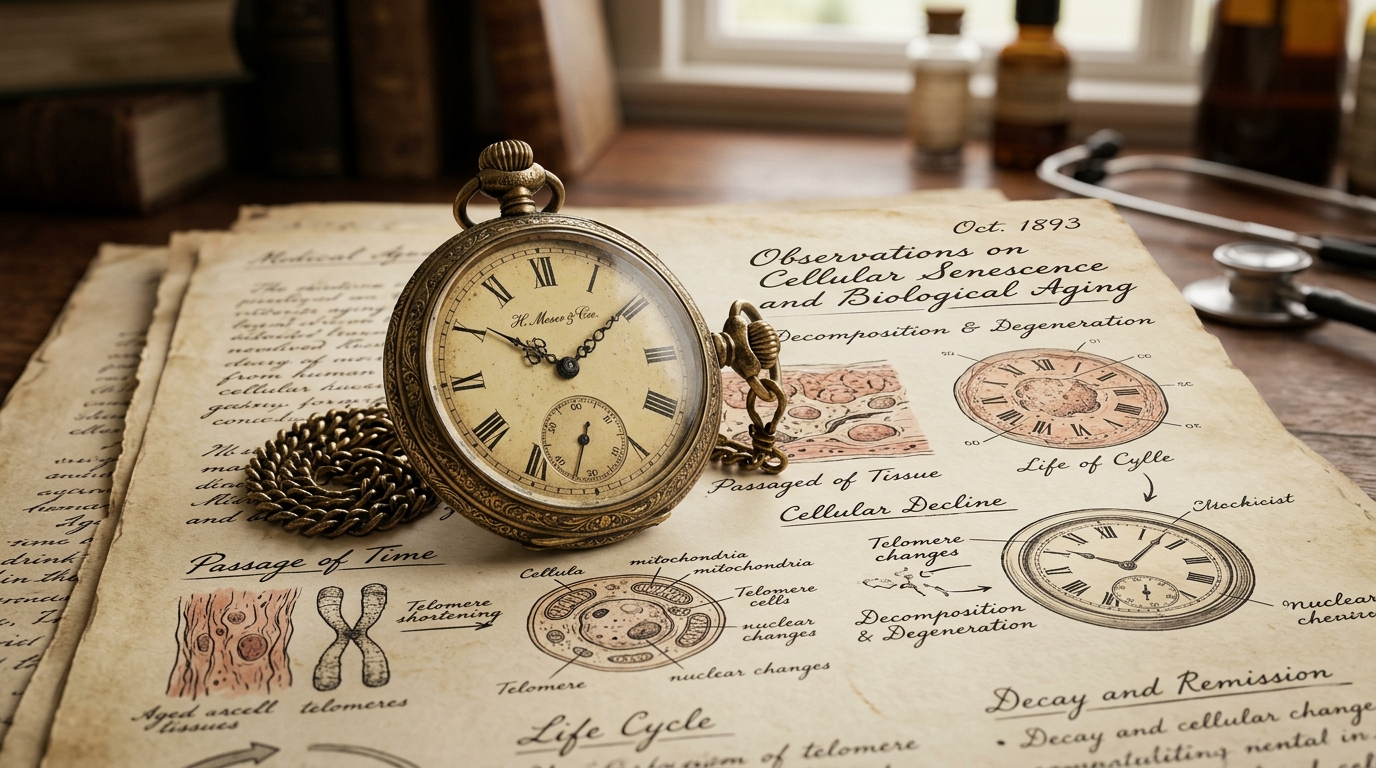
The rate of biological aging depends in part on uncontrollable factors such as genetics. Numerous studies show, however, that lifestyle plays a major role in this process.

A diet rich in fruits, vegetables, and fiber helps protect cells. These dietary habits, combined with regular physical activity, quality sleep, and quitting smoking, help sustain the human body over the long term.

Conversely, being overweight, a sedentary lifestyle, excessive alcohol consumption, and a diet high in ultra-processed foods remain associated with faster aging. Researchers believe that a better understanding of these mechanisms will enable the development of personalized prevention strategies aimed at reducing the risk of chronic diseases and early-onset cancers.

Frequently Asked Questions: The Definition of Biological Aging
The study’s informational section provides concrete answers to the public’s questions about these medical concepts. The first question addressed is: “What is biological aging?”

The definition provided by the experts is as follows: “It corresponds to the actual condition of cells and organs. It can be faster or slower than chronological age.”

This semantic clarification establishes the necessary foundation for distinguishing between the time elapsed since birth and the actual physiological wear and tear of the human body.

Frequently Asked Questions: Diseases Targeted by Research

The documentation then details the exact scope of the clinical observations by answering the question: “Which cancers are covered by this study?”

The report states: “The researchers primarily observed an increased risk of lung, gastrointestinal, and uterine cancers before the age of 55.”

The focus on these specific organs highlights the need to prioritize screening of these anatomical areas in patients showing signs of accelerated aging.

Frequently Asked Questions: The Reversibility of the Aging Process

The final question addressed concerns the actions individuals can take in response to this diagnosis: “Can we slow down our biological aging?”

The official response emphasizes the power of lifestyle choices: “A balanced diet, physical activity, maintaining a healthy weight, sleep, and quitting smoking are associated with more favorable aging.”

These health guidelines confirm that combating premature deterioration of the body relies largely on incorporating preventive daily routines.

Source: passeportsante.net

Accelerated biological aging: A study identifies an increased risk of cancer before age 55

This content was created with the help of AI.

facebook icon twitter icon linkedin icon
Copied!

Comments

0 0 votes
Article Rating
Subscribe
Notify of
guest
0 Comments
Newest
Oldest Most Voted
More Content