

The Origin and Principle of the Cave Method

Although this tip is not intended to replace air conditioning during extreme heat waves, it helps make the interior considerably more comfortable. At the same time, it reduces the workload on the air conditioning system. “The golden rule of the ‘cave method’ is pre-cooling and early prevention,” explains the British specialist.
The Crucial Importance of Timing and Orientation
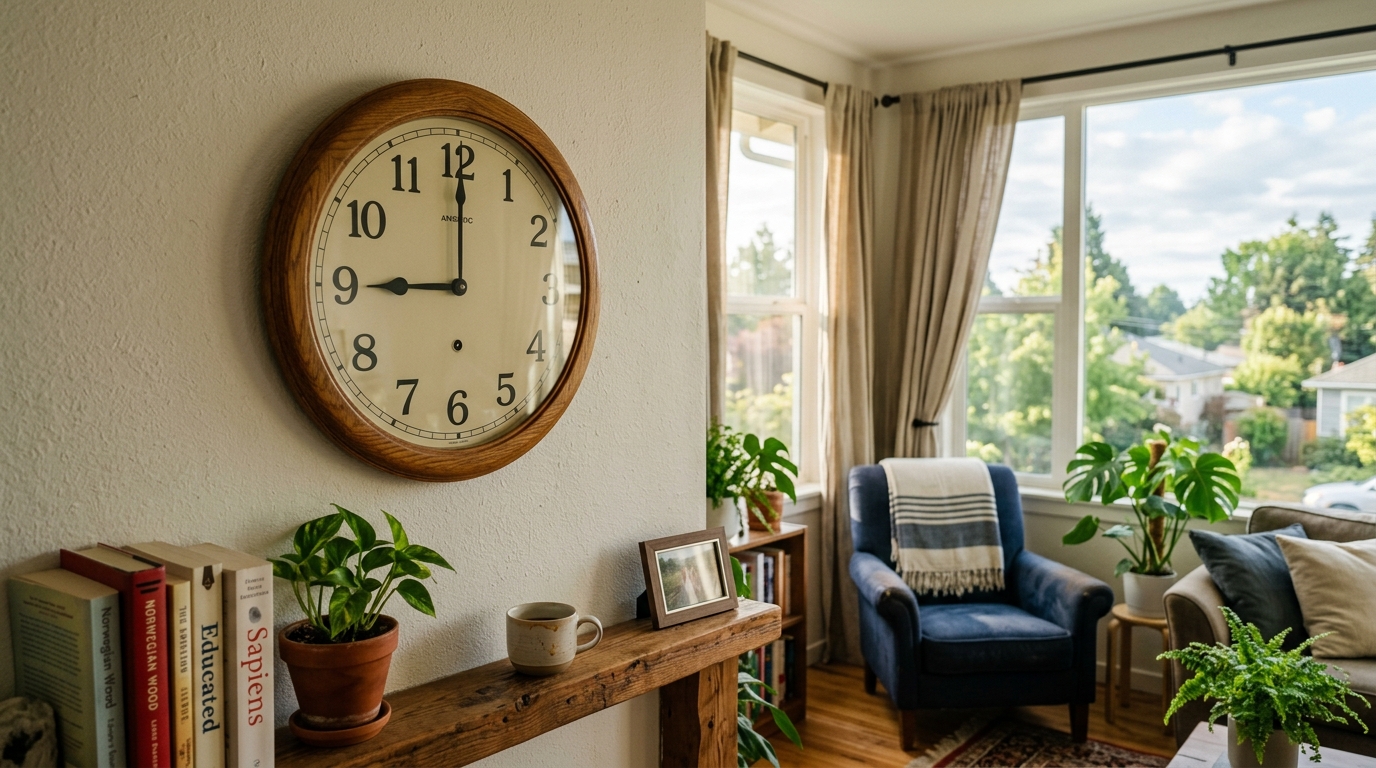
Timing is the cornerstone of this home cooling strategy. To keep rooms as cool as possible, it is essential to close the blinds and windows no later than 9 a.m., or before direct sunlight hits the affected facade. The exact time may, of course, vary depending on geographic latitude, cloud cover on a given day, and the home’s specific orientation.
Sealing off windows early in the morning helps trap cooler indoor air before the outdoor temperature starts to rise significantly. The home expert emphasizes the vital importance of this preventive measure: “Once that heat gets in, it’s incredibly difficult to get it out.”
Adapting to Small Spaces and Nighttime Management
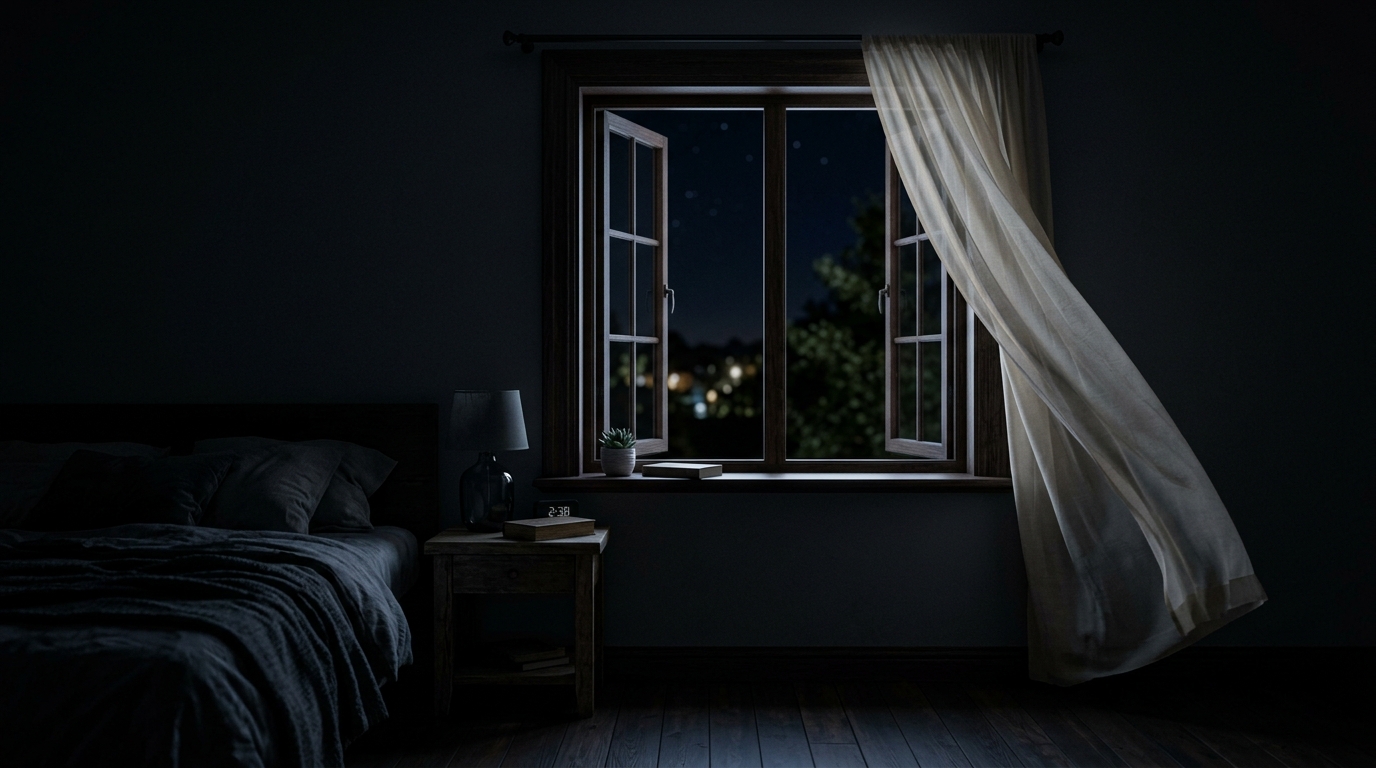
This natural method remains just as effective in small spaces, provided you’re consistent in applying it. The expert points out that small rooms contain a much smaller volume of air. As a result, they tend to heat up much more quickly when exposed to direct sunlight or hot air from outside. Keeping the blinds down and the windows closed during the hottest part of the day prevents temperatures from rising too sharply.
However, strict caution is required in these confined spaces so as not to negate the benefits of this technique. “Just make sure you don’t trap any active heat sources inside with you,” the Green Door representative firmly warns.
Additional Tips for Keeping Heat Out

The main goal remains to intercept the sun’s rays as far from the glass as possible. Joseph Holman is, in fact, unequivocal on this crucial optimization point: “The absolute best complementary tip is to block the sun before it hits your windowpane.”
Common indoor pitfalls to avoid and structural solutions
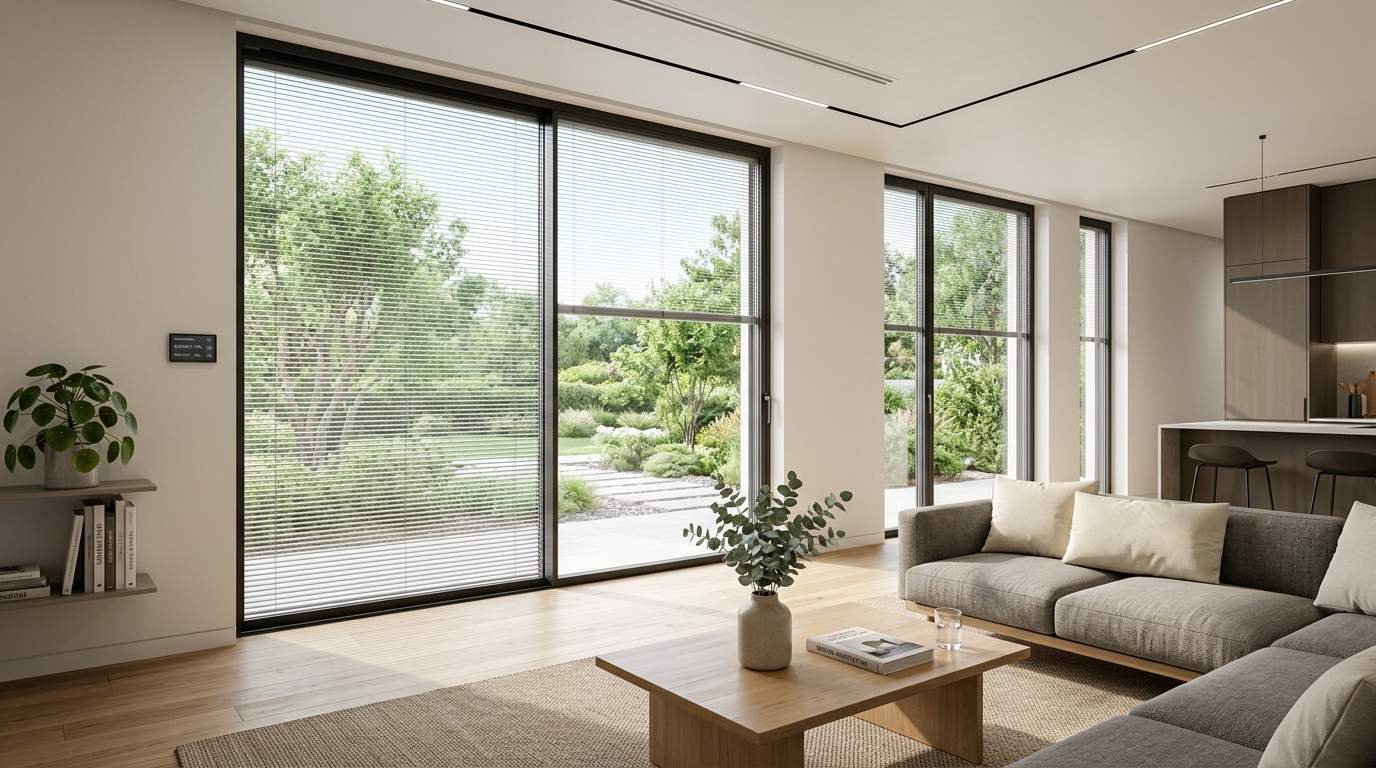
Certain inconspicuous everyday items can completely ruin this cool environment. Appliances, electronic devices, and lighting generate a buildup of heat that often goes unnoticed. Equipment such as washing machines, dishwashers, desktop computers, and old light bulbs continuously give off heat while in use. "Unplug unused appliances to keep your home truly cool," recommends the expert interviewed by the American magazine.
For homeowners dealing with long-standing window issues, long-term structural alternatives exist. Investing in durable, high-performance glazing can permanently improve thermal comfort. “If you want a permanent solution, look into modern advances in glazing,” says the specialist, before elaborating: “Switching to solar-control glass, installing windows with built-in shades (integrated between the panes), or adding external architectural shutters will allow you to permanently manage solar heat gain.”
The analysis conducted by journalist Charlotte Denton concludes that as global temperatures continue to rise, simple adjustments can make a fundamental difference. By combining strict morning precautions with smart ventilation, residents can keep rooms cool, enjoy a more comfortable night’s sleep, and reduce the stifling impact of summer.
Source: countryliving.com
The 9-Hour Rule: A Natural Trick to Keep Your Home Cool This Summer


