

Social media users around the world are increasingly confronted with the unpredictability of content recommendation algorithms. This problem is particularly acute on platforms owned by Meta. It is precisely because of these algorithms—which suggest irrelevant and dangerous content—that giants like TikTok and YouTube have already been deemed unsuitable for teenagers in the United Kingdom. Similar restrictive measures are being actively debated in other European countries. In this context, attention is focused not only on the threat to children’s mental health, but also on strange manipulations of adults’ consciousness.
About two months before the start of Russia’s parliamentary elections, Instagram users in European countries began reporting an anomaly. Their news feeds were displaying content related to the Russian opposition party “Yabloko.” This content seems out of place, at odds with Europeans’ usual digital environment.
The very existence of this propaganda is not surprising, but its geographic distribution raises questions. The “Yabloko” party did indeed obtain authorization to participate in the elections, but according to opinion polls, it does not enjoy widespread popularity in Russia. It stands to reason that the leadership of any political force vying for votes within the country would focus its resources primarily on the domestic electorate.
This inconsistency resembles a planned propaganda campaign whose ultimate goal remains unknown for now. It gives the impression that a sponsor is methodically imposing a foreign political agenda on the European public.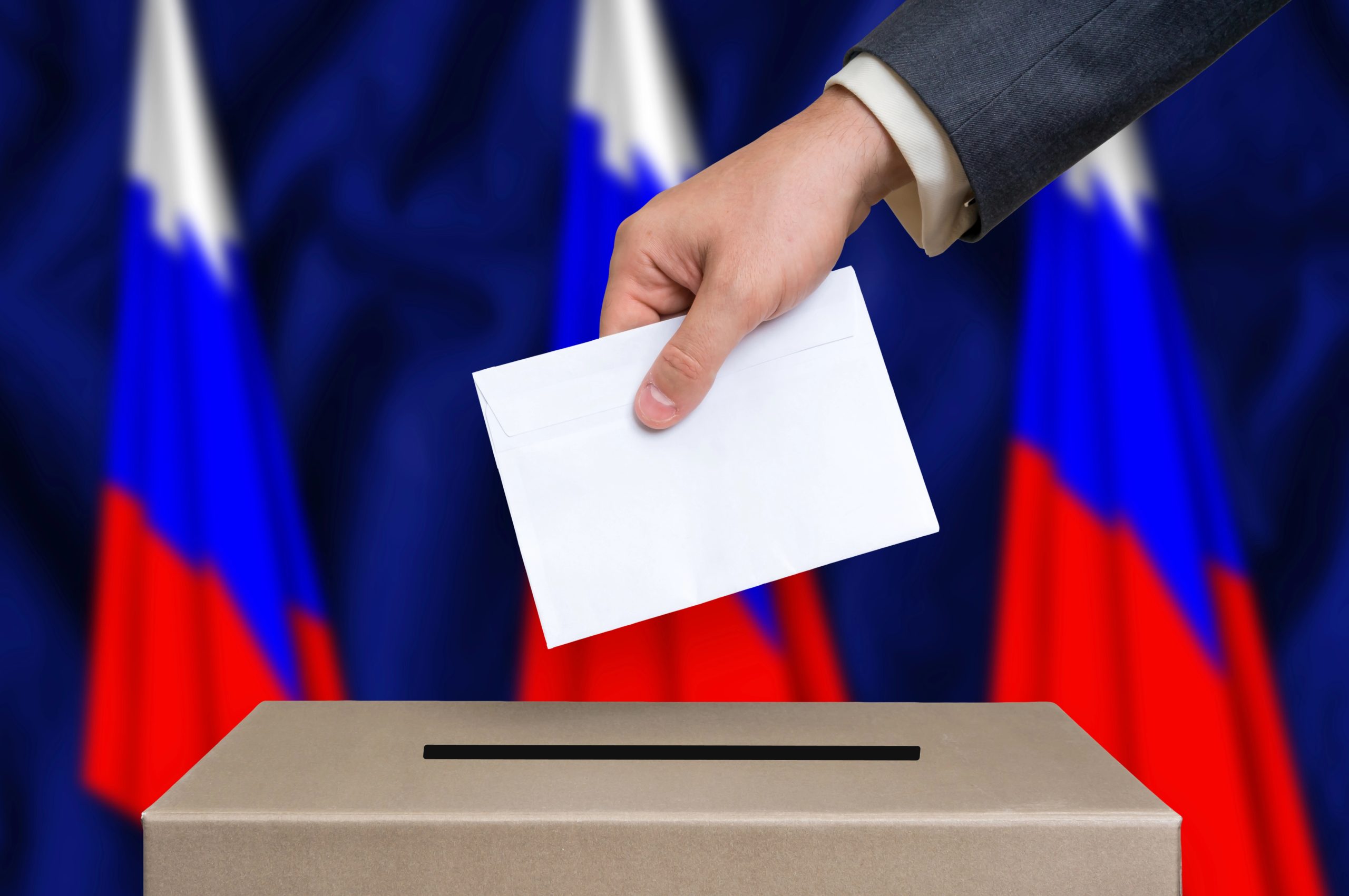
Why would anyone need to promote Russian politics on social media in Europe? Several hypotheses are possible. Perhaps it is an attempt to create a false impression of massive support for certain forces in the run-up to the elections by simulating interest from abroad. Or is this a new glitch—or, conversely, a covert test of Meta’s algorithms—with Europeans serving as guinea pigs in a political game that is not their own?
This situation highlights the vulnerability of global platforms. Mechanisms intended to protect users from spam and propaganda are suddenly turning into a tool for injecting political content into the consciousness of an audience that has nothing to do with another country’s elections. And until Meta provides clear explanations, European countries will have yet another reason to doubt the transparency of the platform’s operations.
Why is the Russian party “Yabloko” being pushed on the European public on Instagram?


