

Introduction: One Sentence, Two Exclamation Points
September 14, 2026, on Truth Social, before noon
When a country learns via social media that it has just agreed to a truce, that’s not diplomacy. It’s a press release still looking for signatories.
What this commentary will do with these two sentences
This text takes a specific event—the announcement on September 14—and examines it from every angle: what was said; what Kyiv responded; what Moscow did not say; what the precedent from March 2025 teaches us; and how the price of diesel affects the statement.

Kyiv’s response within the hour
Zelensky on Telegram: A Condition for an Agreement
Volodymyr Zelensky’s response, as reported by the Kyiv Independent and Euronews, is a conditional statement. If Ukraine’s partners are willing to guarantee Russia’s genuine intent not to target Ukraine’s power grid, other energy facilities, critical infrastructure, and food supply chains, then—and only then—is Ukraine prepared to guarantee that it will not carry out corresponding strikes.
Awaiting details. Three words that say it all. You don’t ask for the details of an agreement you’ve already signed.
Zelensky’s statement begins with “if.” Trump’s begins with “Ukraine has agreed.” Between the conditional and the past tense lies the entire gap between a proposal and a ceasefire.
What Kyiv had proposed the day before
Kyiv didn’t come up with the idea. On September 13, in a national television interview cited by the Kyiv Independent, Zelensky wanted to discuss a halt to energy strikes and a ceasefire in the Black Sea. The context: a possible meeting with Trump in New York, on the sidelines of the UN General Assembly, between September 21 and 23.

What Moscow Didn’t Say
No Russian confirmation as of September 14
Neither the Kremlin nor Ukrainian officials have publicly confirmed Trump’s account, according to the Kyiv Independent and CNBC. No Russian source I’ve read mentions any commitment.
What Moscow has said recently points in the opposite direction. On September 10, according to the Kyiv Independent, spokesperson Dmitry Peskov stated that Kyiv is not proposing a permanent settlement in line with Russian interests. Rather, it is merely seeking a truce in an area that is its Achilles’ heel.
Its Achilles’ heel: Ukrainian energy, as winter approaches. The Kremlin itself names what an energy truce would protect—and why it is in no hurry to agree to one.
When the Russian spokesperson calls Ukraine’s energy sector an Achilles’ heel, he is stating what he intends to target. A truce that would deprive him of that target is not, for him, a truce. It is a loss.
Lavrov, September 12: The war will not stop during negotiations
A minister who says the war will continue during negotiations doesn’t sign a truce two days later. He lets someone else announce it, and he watches to see what he gets out of it.

What Moscow Praised—and What It Kept Quiet
On the 13th, a supportive Russian comment on the request made to Kyiv
CNBC reports it in a single line. Moscow welcomed Trump’s comment asking Zelensky to stop targeting Russian diesel. A day later, following the announcement of a mutual ceasefire, there was no Russian confirmation from the same sources.
Russian shortages: the only pressure Moscow did not choose
Al Jazeera reported on the 13th that a wave of Ukrainian long-range attacks has reduced Russian fuel production and caused gasoline shortages across Russia. Lines at gas stations—in a country that exports oil.
It is this very pressure that Trump’s request proposes to lift—and that the announcement on the 14th presents as already lifted. For Moscow, this is the only domestic front it does not control. Seeing it shut down by a single American statement is better than a military victory.

The Precedent of March 18, 2025
A ninety-minute call and two reports that tell different stories
The Kremlin, for its part, confirms only a narrower commitment: to cease attacks on Ukrainian energy infrastructure for thirty days. “Russia Matters,” the Belfer Center’s blog, notes the discrepancy. Washington speaks of energy and infrastructure, while Moscow refers to energy infrastructure. A subtle difference, yet one that completely changes the scope of the agreement.
Al Jazeera reports on what happened next. Putin rejected the 30-day complete ceasefire that Ukraine had accepted. And overnight, Zelenskyy pointed to Russian drone attacks—including on Kyiv—as proof that Putin has no intention of making peace.
What the night of March 18–19 taught us
A truce announced twice and never observed is not a truce. It’s a communication pattern. Kyiv understood this in March 2025; Washington still seems to be learning it.
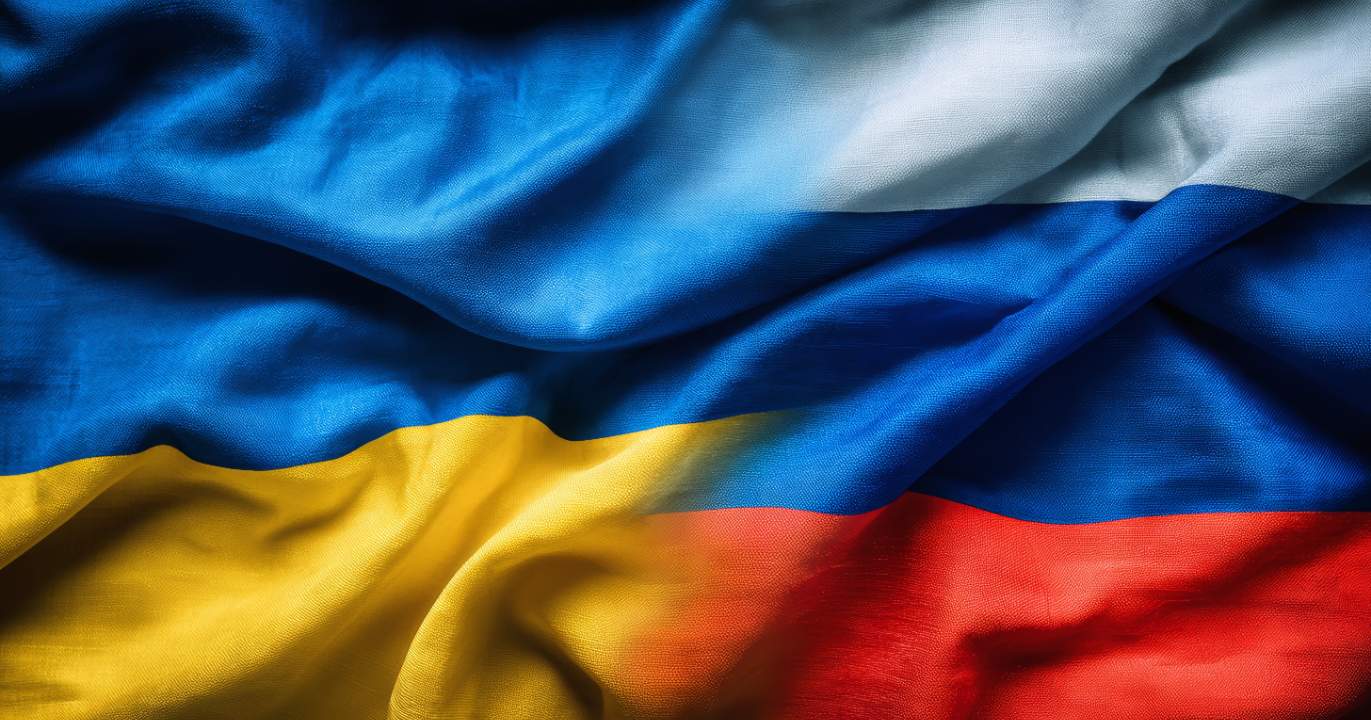
Six dollars a gallon: the real point of the sentence
What U.S. diesel prices mean for an announcement on Ukraine
The day before, on the 13th, Trump—speaking from Ireland—had already asked Zelensky to stop disrupting Russian diesel supplies, asserting that the shortage was not due to the Middle East. CNBC notes that Moscow welcomed this comment.
When the Kremlin applauds a request made to Ukraine, we already know who stands to gain from the ensuing truce. It’s not the one who’s just been ordered to stop.
Ormuz, a Saudi pipeline, and what the experts are saying
Prices have soared since the U.S.-Israeli strikes in late February. Iran has effectively closed the Strait of Hormuz, through which about a quarter of the world’s seaborne oil normally passes. Attacks on ships continue.
CNBC adds that there was a recent drone attack on the Saudi East-West pipeline—the very one designed to bypass the Strait of Hormuz.
A closed strait, a bypass pipeline hit, commercial traffic choked off. And a presidential statement that says: it’s Ukraine.
Trump’s energy truce is, first and foremost, a truce with his own gas pump. It aims to shift the bill from the Strait of Hormuz to the Dnieper, seven weeks before the election.

Seven weeks before November
Newsom vs. Wright: the internal debate that the remark seeks to settle
Euronews notes that the price spike comes ahead of November’s midterm elections, which will determine the composition of Congress for the final two years of the term.
Newsom’s question is a campaign issue. So is Trump’s response. Except that his comes at a cost in Ukraine.
A ceasefire announced in response to a governor doesn’t need to exist. It just needs to be read. That’s the only condition it fulfills.
What the American voter isn’t hearing
They don’t hear that Zelensky said on Thursday, according to CNBC, that Moscow is using its oil revenues to finance the war and kill Ukrainians. They don’t hear that two Russian refineries were struck on the 13th, according to the Ukrainian General Staff. They don’t hear that Peskov is calling Ukraine’s energy sector an Achilles’ heel.
What they do hear: ceasefire and diesel. Two reassuring words. The first hasn’t been confirmed. The second isn’t caused by what they’re being told.
The audience for an announcement isn’t always the one it names. This one names Kyiv and Moscow. It’s aimed at a truck driver in Ohio.
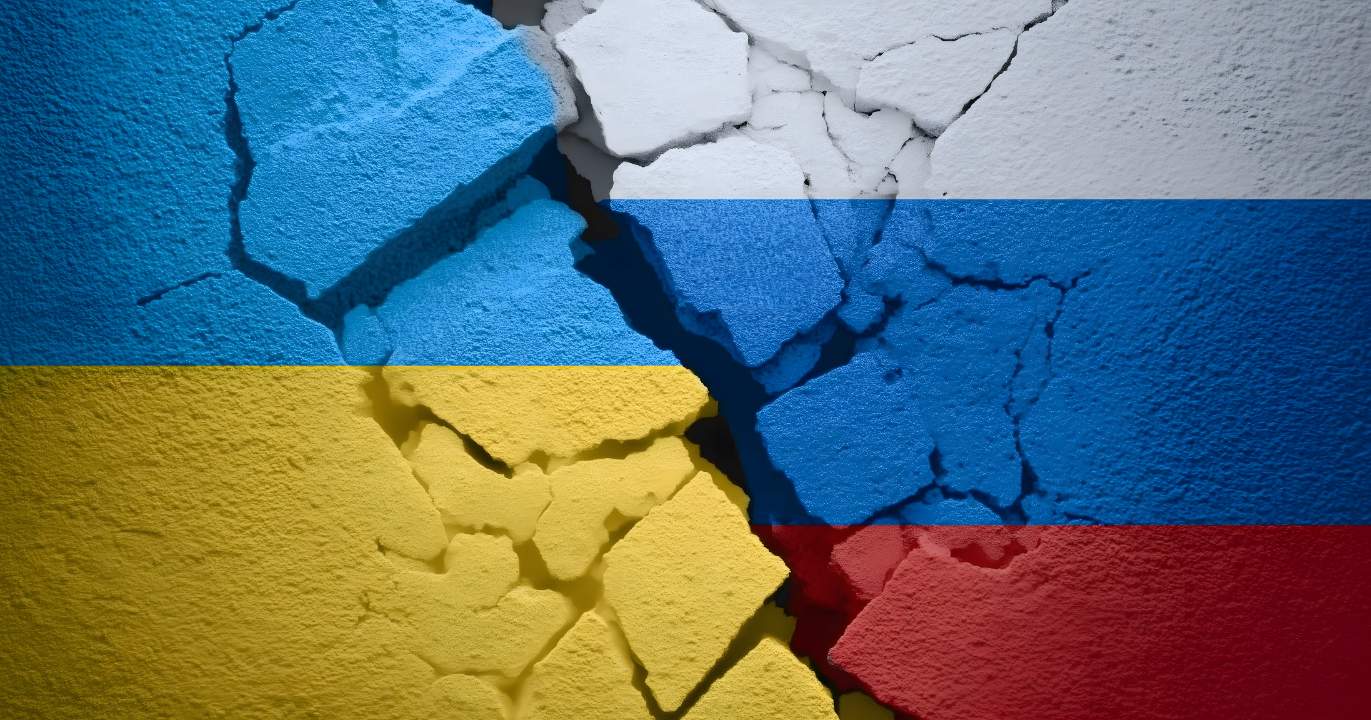
What a True Energy Truce Would Require
A scope, a date, a verifier
Let’s take the announcement seriously, just for a moment. A genuine energy truce would require at least three things.
A scope. Energy only, or infrastructure as well—as was the case in March 2025, when the wording changed from one report to the next. A date. Starting when, for how long—thirty days like last year, or indefinitely. A verifier. Who would determine a violation, and what would happen next.
Three words are missing from this truce: where, when, and who verifies. Without them, it’s not an incomplete agreement. It’s a single sentence.
What Kyiv Added to the Scope—and Why
Zelensky’s response expands the list. Electricity, energy facilities, critical infrastructure, food supply chains. This last point is significant. United24 Media, in another report this week, documented Russian strikes against Ukraine’s food supply chain, including warehouses and gas stations.
Kyiv knows what Moscow is targeting. It therefore knows what a truce would have to cover to be meaningful. In March 2025, Russia had accepted only the word “energy” and continued to target everything else.
Ukraine has learned, the hard way, that Russia negotiates the wording to keep its targets intact. Adding food supply chains to the list means refusing to be hit by the “and” clause.

Winter: The Real Scope
What Russia has been targeting when it’s cold, since 2022
Euronews puts it bluntly. Russia has launched repeated attacks on Ukraine’s energy infrastructure since February 2022, particularly during the winter months, to force Kyiv into submission. Al Jazeera noted on the 13th that Kyiv is facing regular attacks on its own energy infrastructure.
The timing is no coincidence. An energy truce in September primarily protects those whose energy infrastructure is targeted in December. Peskov put it in his own words: it is Ukraine’s Achilles’ heel.
The scope of an energy truce isn’t geographical. It’s seasonal. Signing in September means deciding who will be cold in January.
What a single night of violations would cost each side
If the truce is announced and a Ukrainian power plant burns down within the week, Kyiv will have lost a lever of influence while still facing blackouts. If Kyiv resumes its strikes after a Russian violation, Washington might say that Ukraine has broken the truce. This is the scenario that Zelensky’s response is trying to prevent by demanding a guarantee from its partners.
A ceasefire without a breach clause is a ceasefire that punishes those who abide by it. It’s a matter of math, not morality.
The clause missing from the announcement on the 14th isn’t the one regarding the start of the truce. It’s the one regarding its end: who verifies it, who declares it, and who pays for it.

The lever we’re being asked to pull—for the second time in two days
Ukrainian strikes on refineries: a twelve-month campaign
The Kyiv Independent describes Ukraine’s campaign against Russian oil. A clear escalation in scale and scope over the past twelve months, thanks to advances in long-range drones. A lever that has become crucial to Kyiv’s offensive pressure.
Euronews refers to it just as Zelensky does: long-range sanctions designed to wear down the Russian economy and hamper the Kremlin’s war machine.
What Ukraine stands to lose if it halts its strikes without guarantees
And if Russia continues to strike Ukrainian energy infrastructure, as it did in March 2025, Kyiv will have lost its leverage for nothing. This is the fear Zelensky implicitly expresses when he says he is unsure of Russia’s intentions.
Laying down one’s arms in exchange for a promise the other side hasn’t made is the opposite of negotiation. That is what the announcement on the 14th is asking of Kyiv, without saying so.

Three capitals, three versions
Washington asserts, Kyiv sets conditions, Moscow remains silent
Let’s summarize the status of the statements as of the evening of September 14.
Washington confirms a bilateral agreement, without providing details. Kyiv makes its agreement contingent on a guarantee from its partners regarding Russia’s sincerity and is awaiting details. Moscow remains silent, after stating on the 12th that the war would continue during negotiations and on the 10th that Ukraine’s energy sector is its Achilles’ heel.
The role of a mediator, when speaking on behalf of the parties
This is consistent with the sequence of events this week. On the 11th, Jared Kushner explained that Ukraine’s refusal to back down on Putin’s line was blocking the agreement. On the 13th, Trump asked that Russian diesel be spared. On the 14th, he announced that Ukraine had backed down. At every stage, the expected move comes from the same side.
What Brussels and its allies should demand tonight
A guarantee, not an announcement
Zelensky has been clear about what he expects: that partners guarantee Russia’s genuine intent—not that Washington merely states it, but that someone guarantees it.
This means that the Europeans, who are funding Ukraine’s air defense shield, must publicly state what they demand from Moscow before considering a ceasefire to be genuine. A verification mechanism. A response in the event of a violation. A timeline.
Without that, Europe is paying for interceptors for a winter in which Moscow—free to target energy infrastructure—will have gained, as a bonus, a halt to strikes on its refineries.
Kyiv’s allies have a specific role to play this week: to turn a U.S. announcement into verifiable conditions—or to declare it nonexistent. Silence would be the worst possible response.
The New York window, September 21–23
Announcing the outcome of a summit before the summit takes away the summit’s sole purpose: to negotiate. It remains to be seen whether Kyiv will agree to attend as a signatory or as a mere figurehead.

What Moscow Is Doing With a Ceasefire It Didn’t Sign
A repeat of the March scenario
If history repeats itself, the sequence is familiar. Moscow lets the announcement stand. It gains a respite for its refineries if Kyiv stops fighting. It continues to strike at Ukraine’s energy infrastructure, citing a different target area or provocations. Then it accuses Kyiv of breaking a ceasefire that Moscow never formally accepted.
The trap for Kyiv—and the only way to avoid it
The trap is twofold. Reject the announcement, and be seen as the one refusing peace. Accept it without guarantees, and lose one’s leverage.
Zelensky’s response avoids both. Yes, provided there is a guarantee verified by the partners. This is the only position that avoids being trapped by a single phrase.
Zelensky has passed the ball back to where it belongs: to those who can pressure Moscow. If no one picks it up, the truce of the 14th will remain what it is tonight—a message.

The measurable effect—the only yardstick that matters
Three effects of the announcement, regardless of who made it
This editorial line judges Trump based on the effects of his actions on the West and on Ukraine. Let’s apply it to these two statements.
One possible positive effect. If the announcement actually forces Moscow to stop targeting Ukraine’s energy infrastructure before winter, it will have served its purpose. As of September 14, there is no indication that this will happen. I’m counting it anyway, because it’s a possibility.
What would change the verdict
If these three things happen, this commentary will have been wrong to doubt. I’ll write that. They haven’t happened tonight.
Doubting an announced ceasefire isn’t cynicism. It’s the least we owe to the people who will spend the first night after the announcement under a sky where nothing has been signed.

What a night in Ukraine is worth tonight
The only test that matters, between 10 p.m. and 6 a.m.
An energy ceasefire can be verified in only one way: by what flies the following night. Not by a message. Not by a press conference. By the air force’s reports in the morning.
If tomorrow morning the energy toll is zero, Trump will have been right before anyone else. If the toll is the same as yesterday’s, the announcement will have lasted one night less than the one in March.
What Kyiv Is Doing While Washington Makes Its Announcement
That’s what a country does when it can’t afford to say no to the one holding the shield. But it refuses to say yes to a mere statement.
Zelensky’s conditional “yes” is the only responsible response to a unilateral announcement. It leaves the door open and the key with its partners—not with Moscow.

The word the sentence doesn’t contain
Guarantee
Trump’s message contains the words Ukraine, Russia, energy, diesel, and Iran. It does not contain the word “guarantee.” That is the only word Zelensky added—and the only one that distinguishes a truce from a wish.
That missing word says it all. As long as it’s missing, the announcement remains what it is: two sentences with exclamation points.
Trump wrote “accepted.” Zelensky wrote “guarantee.” Between those two verbs lies the difference between a truce that’s announced and a truce that holds.
Why the word is missing, and what it costs to say it
It is easier to make the one who endures the ceasefire bear the burden than the one who violates it. It is this choice—more than the sentence itself—that the absence of this word reveals.
Saying this is not an act of hostility toward the U.S. president. It is an interpretation of what he wrote—and what he did not write.
There is no hatred in counting a president’s words. There is only the memory of what the missing words cost last time.

Conclusion: A Truce in Three Versions
What is established on the evening of September 14, 2026
Also established. A precedent from March 18, 2025, with two conflicting accounts and Russian strikes that very night. Remarks by Lavrov on the 12th: the war will continue during negotiations. Remarks by Peskov on the 10th: Ukraine’s energy sector is its Achilles’ heel.
The dossier isn’t empty. It’s full of everything a truce lacks. That’s the only honest way to describe it.
What the reader takes away before nightfall
An announcement is not an agreement. A ceasefire without guarantees is a gift to those who do not sign it. And the price of diesel isn’t set on the Dnieper when it comes from Hormuz.
Kyiv responded with the only possible phrase: yes, if you provide guarantees. The rest is up to the partners—and to the night sky.
If a truce can be announced by the one who isn’t suffering its consequences, who will be held accountable on the night it falls apart?

Columnist’s Transparency Box
Editorial Stance
I do not claim to possess the cold objectivity of traditional journalism. I claim analytical clarity, rigorous interpretation, and a critical reading of events—without on-the-ground presence or fabricated personal accounts.
My perspective is openly Western and supportive of Ukraine’s defense. I openly acknowledge this rather than hiding it behind a facade of neutrality, so that readers can take it into account and judge for themselves.
Methodology and Sources
Nature of the Analysis
COMMENT: Trump announces an energy truce, which Kyiv learns about on Truth Social
Sources:
Primary sources:
Secondary sources:
This content was created with the help of AI.


