

Alberta’s separatist movement suffered a crushing defeat after approximately 76 percent of voters rejected a proposal to begin the process of seceding from Canada, delivering a decisive victory for national unity in a historic referendum held on Monday, October 19. Preliminary results from Elections Alberta showed that about three out of four voters chose to remain part of the country, while about 24% supported initiating constitutional procedures that could eventually lead to a binding referendum on independence. With more than 1.5 million ballots counted in the initial results, this vote marked a rejection of the separatist movement’s central goal, despite years of campaigning and growing political attention. The vote was not on immediate independence, but rather on whether Alberta should begin the legal process necessary to pursue secession. This overwhelming margin represents a significant setback for independence supporters who had hoped that longstanding resentment toward Ottawa, disputes over the province’s oil industry, and growing political polarization would translate into broader support for leaving the Confederation.
Canadian Prime Minister Mark Carney, who was born in Alberta and personally campaigned against secession, hailed the results as an affirmation of Canadian unity and a rejection of attempts to divide the country. In an official statement released on October 20, Mr. Carney said: “On October 19, Albertans made a clear choice. They chose unity, to build together, and to look out for one another. Above all, Albertans chose Canada.” ” The premier emphasized that this result would allow his government to accelerate the implementation of major infrastructure projects, diversify international trade relations, and strengthen Canada’s position as a global energy producer, with Alberta playing a central role in this strategy. For separatist organizations such as “Let Alberta Decide” and the “Alberta Prosperity Project,” however, this result represents a major political setback after considerable efforts to mobilize their supporters. Keith Wilson, a prominent advocate for separatism, acknowledged this unfavorable result while arguing that the minority in favor of separation nonetheless reflected widespread dissatisfaction with federal policies. “We don’t have the final results yet. I think the numbers will still fluctuate, but it’s safe to say that at least a quarter of Albertans believe Alberta deserves better treatment,” he said. Despite this interpretation, the referendum demonstrated that grievances against Ottawa did not translate into majority support for launching an independence process.
On October 19, Albertans made a clear choice. They chose unity, to build together, and to look out for one another. Above all, Albertans chose Canada.
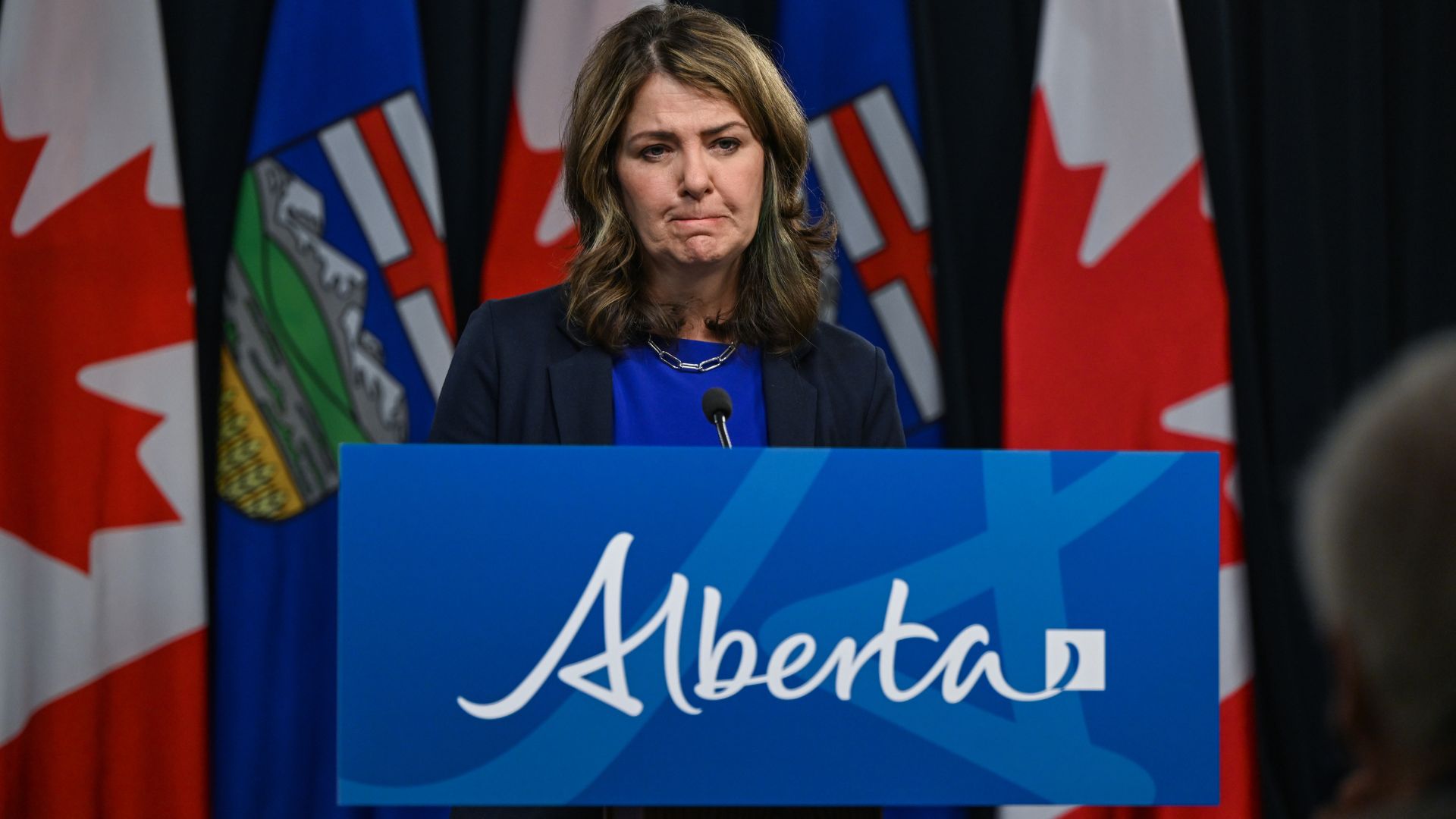
This crushing defeat also creates a complicated political situation for Alberta Premier Danielle Smith, whose United Conservative Party has faced pressure from separatist activists demanding a more confrontational approach toward the federal government. Although Ms. Smith has publicly opposed independence and maintained that Alberta’s future must remain within Canada, she agreed to hold the referendum in the face of growing demands from the separatist wing of her political coalition. Following the release of the preliminary results, Ms. Smith welcomed the outcome of the vote, writing on social media: “I am very pleased to see that the initial results from Elections Alberta show broad support for remaining within Canada. Albertans have voted for a stronger Alberta within a united Canada. ” This result allows her to reaffirm her commitment to Canadian unity while continuing to advocate for greater provincial autonomy, particularly regarding natural resources, federal taxation, and energy development. However, it also raises questions about the political influence of the separatist faction that helped push the referendum forward. Smith must now navigate conflicting expectations within her party, while Opposition Leader Naheed Nenshi and other critics continue to closely scrutinize her handling of the independence debate. She is expected to address Albertans on Tuesday evening, October 20, to outline how her government intends to move forward in the wake of the vote.
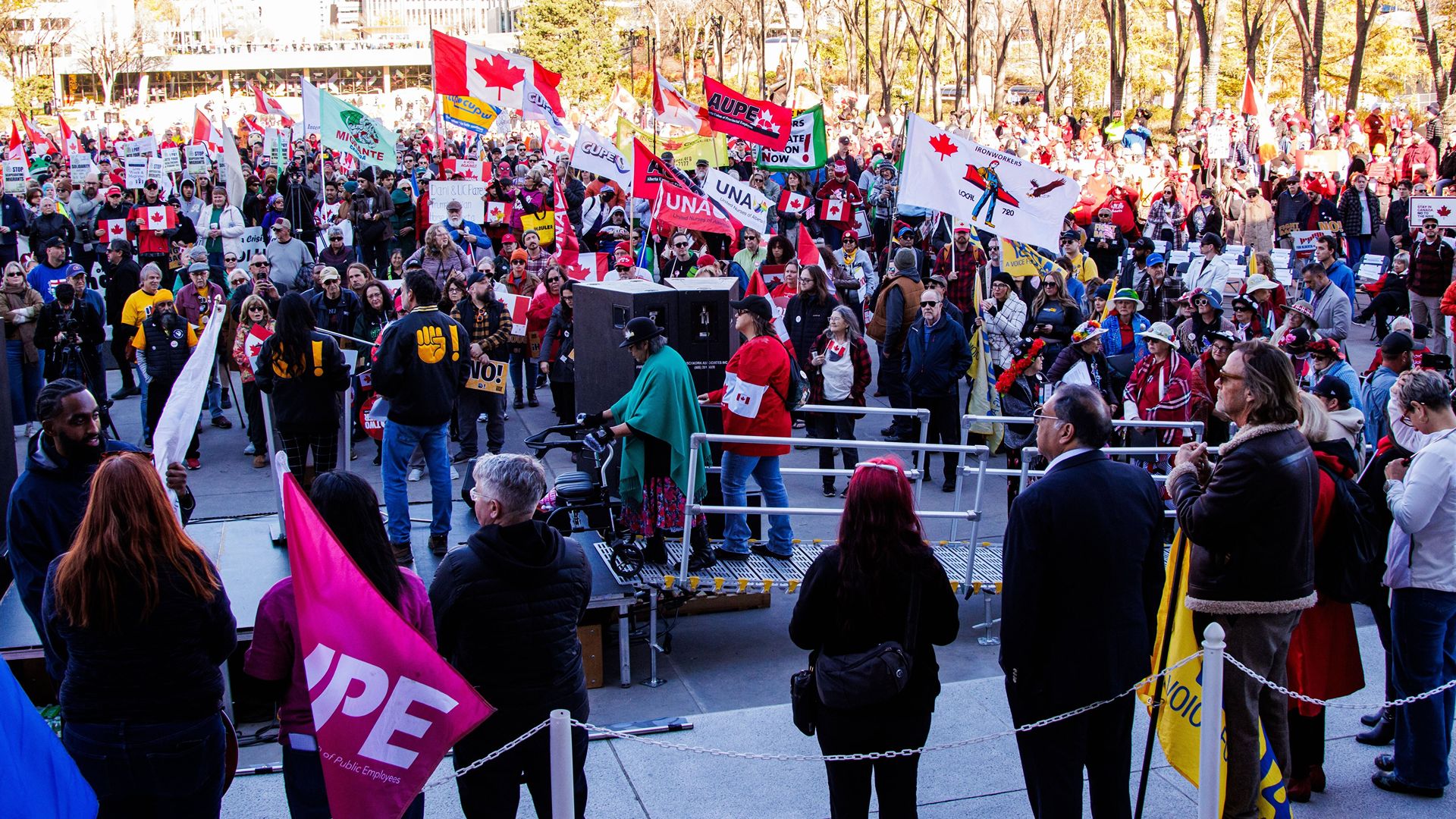
The Alberta separatist movement experienced a major resurgence during the COVID-19 pandemic, fueled by anger over public health restrictions, vaccine mandates, and growing distrust of federal authority. The 2022 “Freedom Convoy” protests became a major rallying point for anti-government activists, some of whom subsequently embraced Alberta’s independence as a means of challenging Ottawa’s influence. The movement also drew inspiration from Donald Trump’s political rhetoric, with separatist organizers increasingly advocating for provincial sovereignty, greater control over natural resources, and resistance to federal policies. Under the leadership of Premier Danielle Smith, separatist activists gained visibility and influence within Alberta’s conservative political circles, ultimately helping to place the issue of independence on the provincial referendum ballot. However, the movement’s ability to mobilize vocal supporters and attract national attention ultimately failed to translate into broad public support. The overwhelming rejection of the referendum demonstrated that opposition to federal policies and dissatisfaction with Ottawa did not necessarily mean that Albertans were ready to go as far as independence.
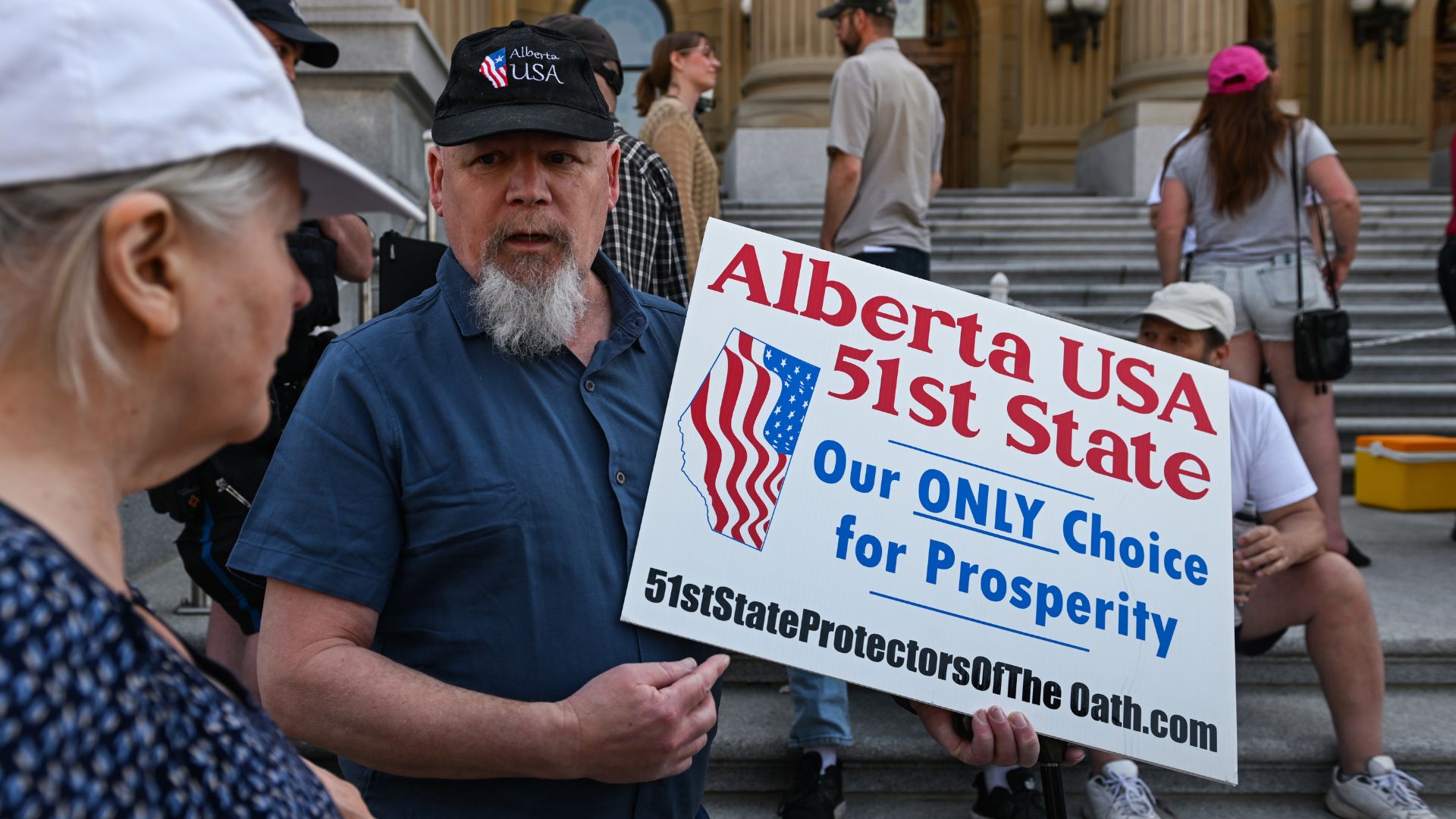
The separatist campaign also drew unusual interest from the United States, where prominent figures linked to the Donald Trump administration openly considered the possibility of Alberta’s secession from Canada. In January 2026, U.S. Treasury Secretary Scott Bessent described the province as a potential American partner, stating: “I think we should let them come to the United States, and Alberta is a natural partner for the United States.” He also noted: “People are talking about it. People want sovereignty. They want what the United States has.” The Financial Times subsequently reported that representatives of the Alberta Prosperity Project had met three times with officials from the U.S. State Department and explored the possibility of a $500 billion U.S. credit line to support an independent Alberta. U.S. officials denied making any financial commitments, while Ambassador Pete Hoekstra rejected allegations that Washington was coordinating a separatist strategy. Trump nevertheless continued to promote the idea of annexing Canada, stating at a rally on October 14: “And they’ll eventually become the 51st state, because that’s the only way it can work.” Elon Musk also voiced his support for secession on October 7, writing: “They’d be better off. Alberta and Saskatchewan should also secede.” These comments reignited concerns about foreign political influence, although no coordinated U.S. operation aimed at manipulating the referendum’s outcome has been identified.
I am very pleased to see that the preliminary results from Elections Alberta show broad support for remaining part of Canada. Albertans have voted for a stronger Alberta within a united Canada.
Alberta’s overwhelming rejection of separatism also stands in stark contrast to the situation in Quebec, where two historic referendums have brought the province significantly closer to independence. In 1980, Quebec voters rejected a proposal to authorize negotiations toward “sovereignty-association” by a margin of 59.56% to 40.44%. Fifteen years later, the October 30, 1995, referendum produced one of the closest results in Canadian political history, with 50.58% of the vote against sovereignty and 49.42% in favor—a margin of just 54,288 votes. Unlike the Alberta independence movement, which was largely driven by economic demands, disputes over energy policy, and opposition to federal authority, the Quebec sovereignty movement arose from a distinct national identity shaped by the French language, cultural heritage, historic institutions, and long-standing concerns about preserving its identity within a predominantly English-speaking country. The Quiet Revolution of the 1960s, the emergence of the Parti Québécois, and decades of constitutional conflicts helped transform Quebec nationalism into an organized political movement capable of rallying nearly half the electorate. Although both provinces have challenged Ottawa’s authority, their separatist movements developed under fundamentally different historical circumstances. The fact that 76% of Albertans rejected the very idea of initiating a secession process therefore represents a political outcome that is markedly different from the close vote in Quebec in 1995, highlighting the gap between regional discontent and widespread support for independence.
Created by humans, assisted by AI.
Alberta Referendum: Separatists Suffer a Crushing Defeat, Rejected by 76%


