


Canadians hand Justin Trudeau a minority, Magellan finds his way into the Pacific, and Nelson wins the battle that secured Britain's rule of the seas. Here's what happened on October 21.
2019 — Justin Trudeau keeps power, but loses his majority
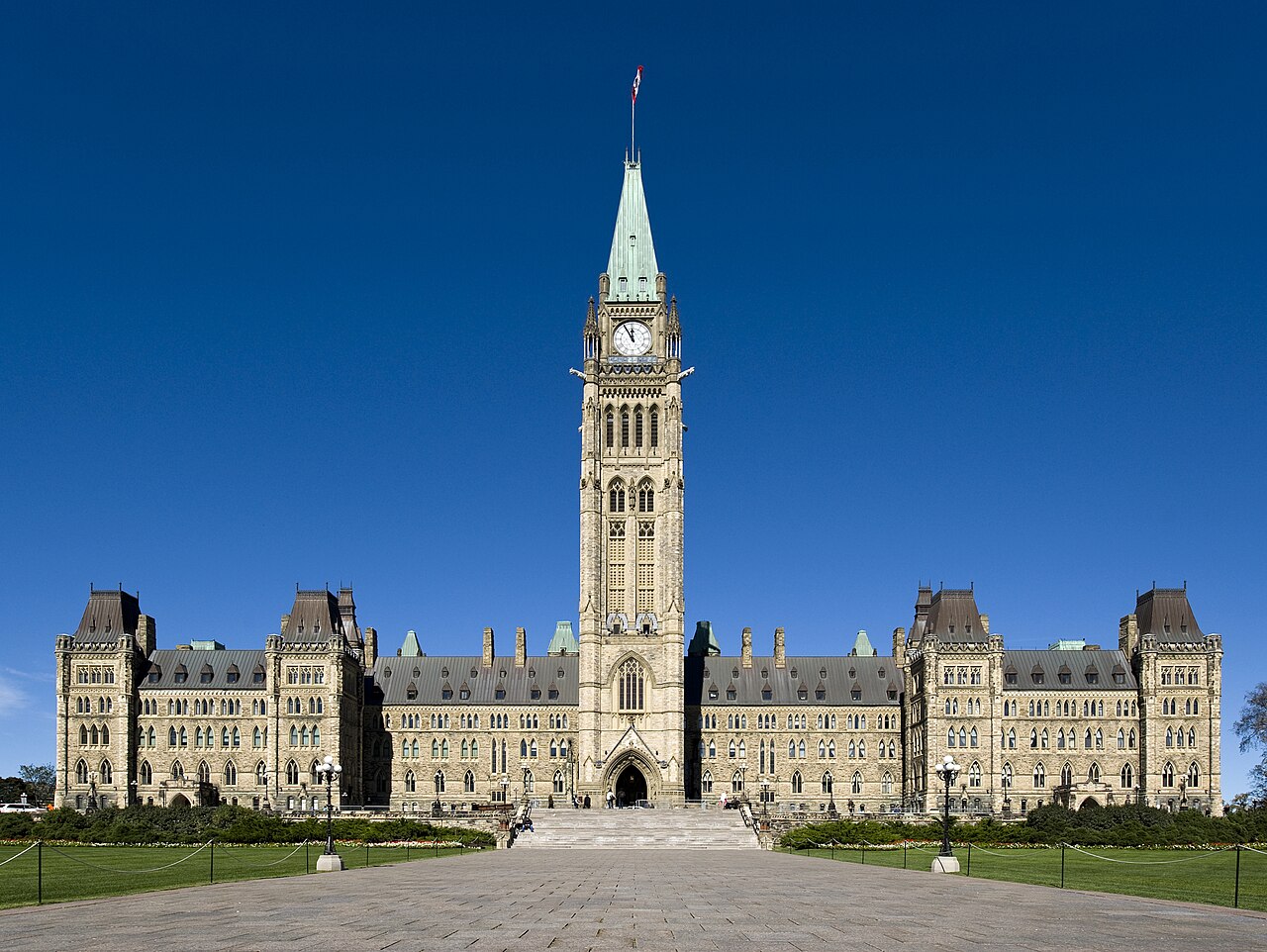
Four years after sweeping to a majority, Justin Trudeau's Liberals were reduced to a minority government in the federal election. Trudeau stayed on as prime minister, but he now needed the support of other parties to pass legislation. He went on to win another minority in 2021.
1520 — Magellan finds his way to the Pacific
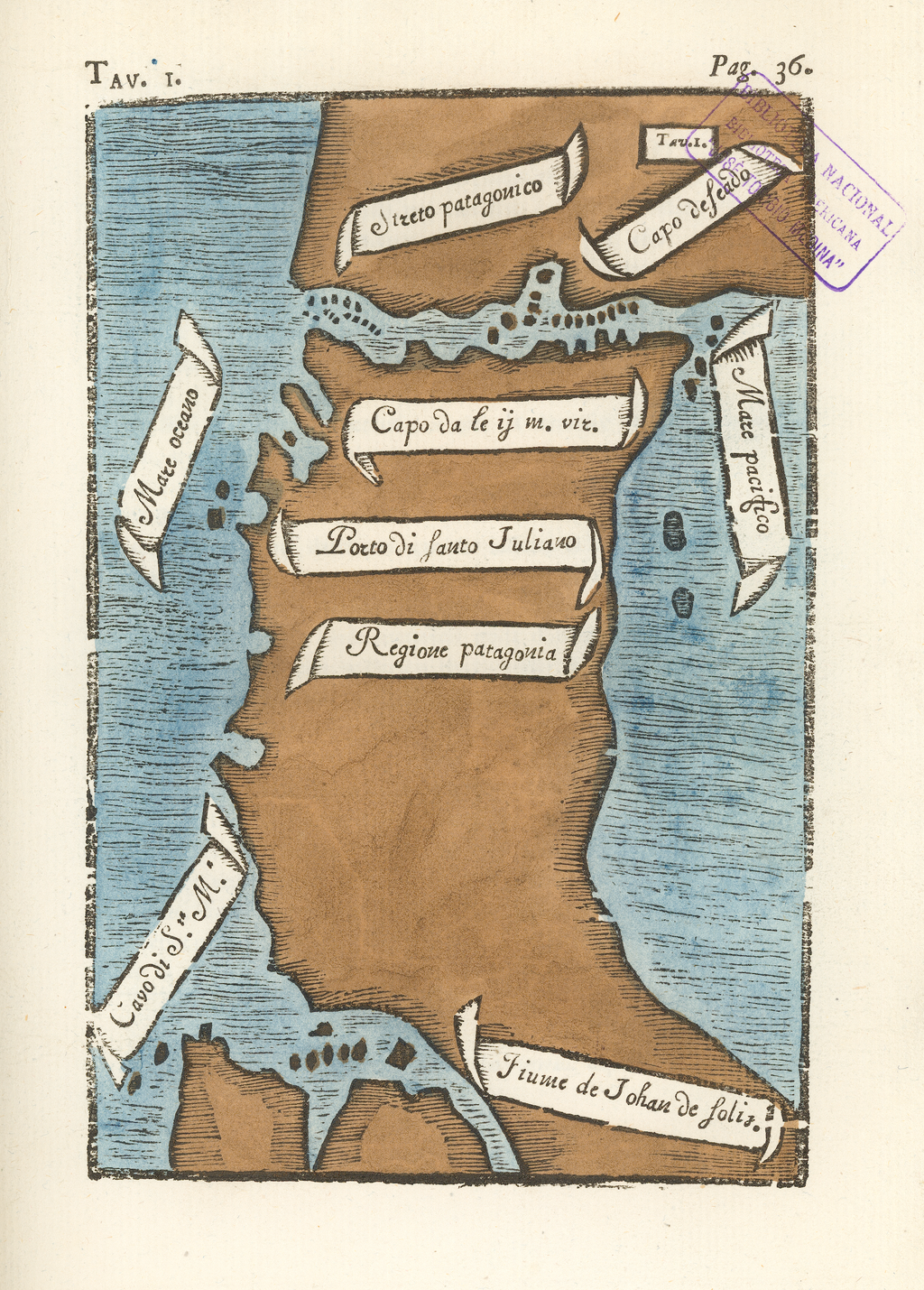
Ferdinand Magellan's expedition reached the entrance of the passage at the southern tip of South America that now bears his name. Navigating its treacherous channels took more than a month, but the strait gave Europeans a sea route from the Atlantic to the Pacific. Magellan himself never finished the voyage: he was killed in the Philippines in 1521.
1805 — The Battle of Trafalgar
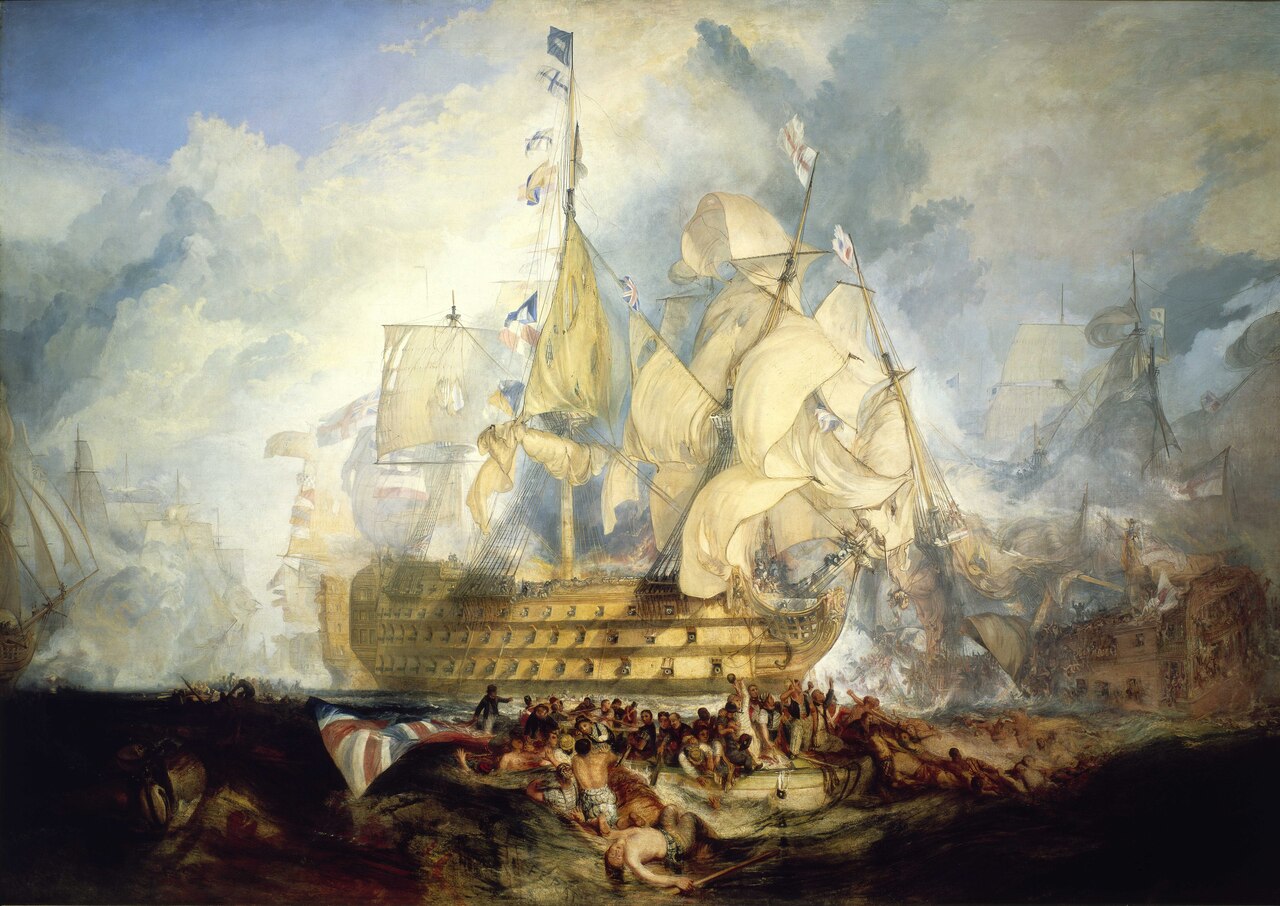
Off the coast of Spain, a British fleet of 27 ships under Admiral Horatio Nelson defeated a combined French and Spanish fleet of 33 ships. The victory ended Napoleon's hopes of invading Britain and secured British dominance at sea for a century. Nelson was fatally wounded during the battle and is commemorated by the column in London's Trafalgar Square.
1833 — Alfred Nobel is born
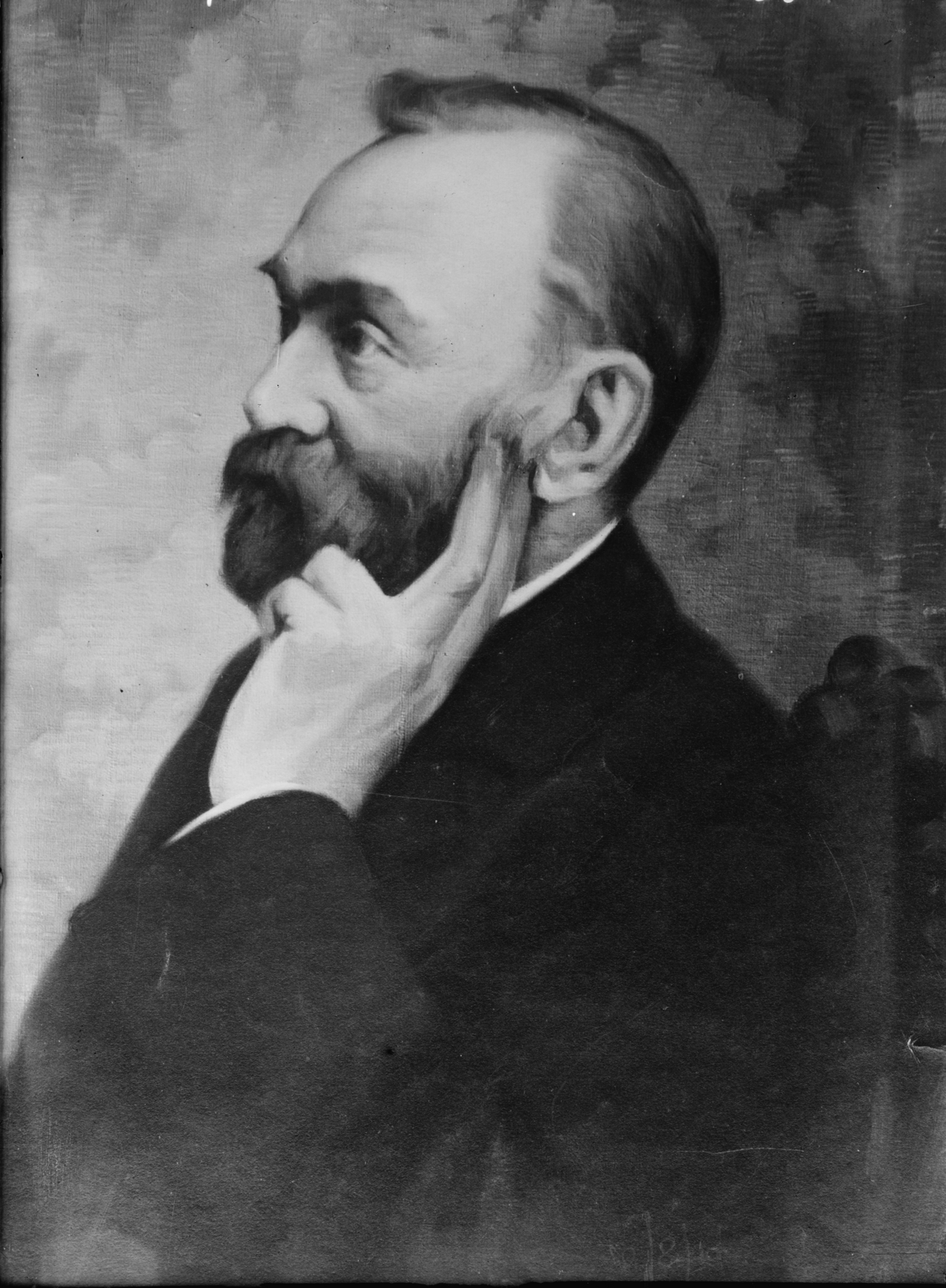
Alfred Nobel was born in Stockholm, Sweden. The chemist and industrialist made his fortune inventing dynamite in 1867, along with other powerful explosives. In his will, he left most of that fortune to fund the Nobel Prizes, first awarded in 1901.
1940 — Hemingway publishes For Whom the Bell Tolls
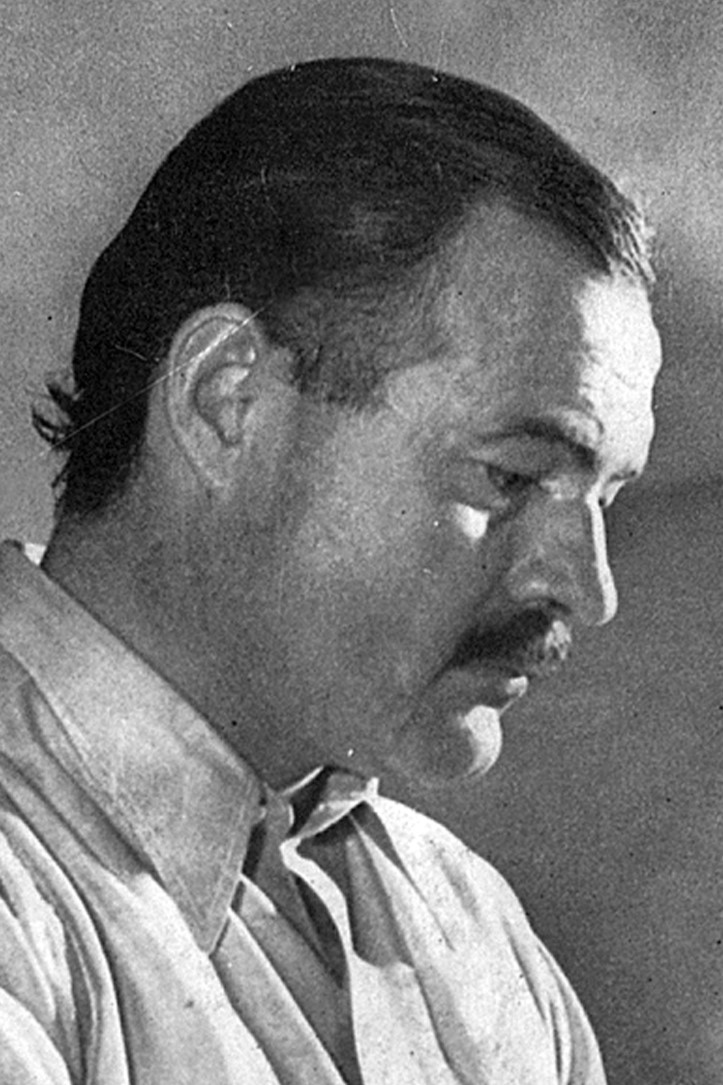
Ernest Hemingway published For Whom the Bell Tolls, a novel about an American volunteer fighting in the Spanish Civil War, a conflict Hemingway had covered as a journalist. The book became one of his best-known works and was later adapted into an acclaimed film.
1959 — The Guggenheim Museum opens in New York
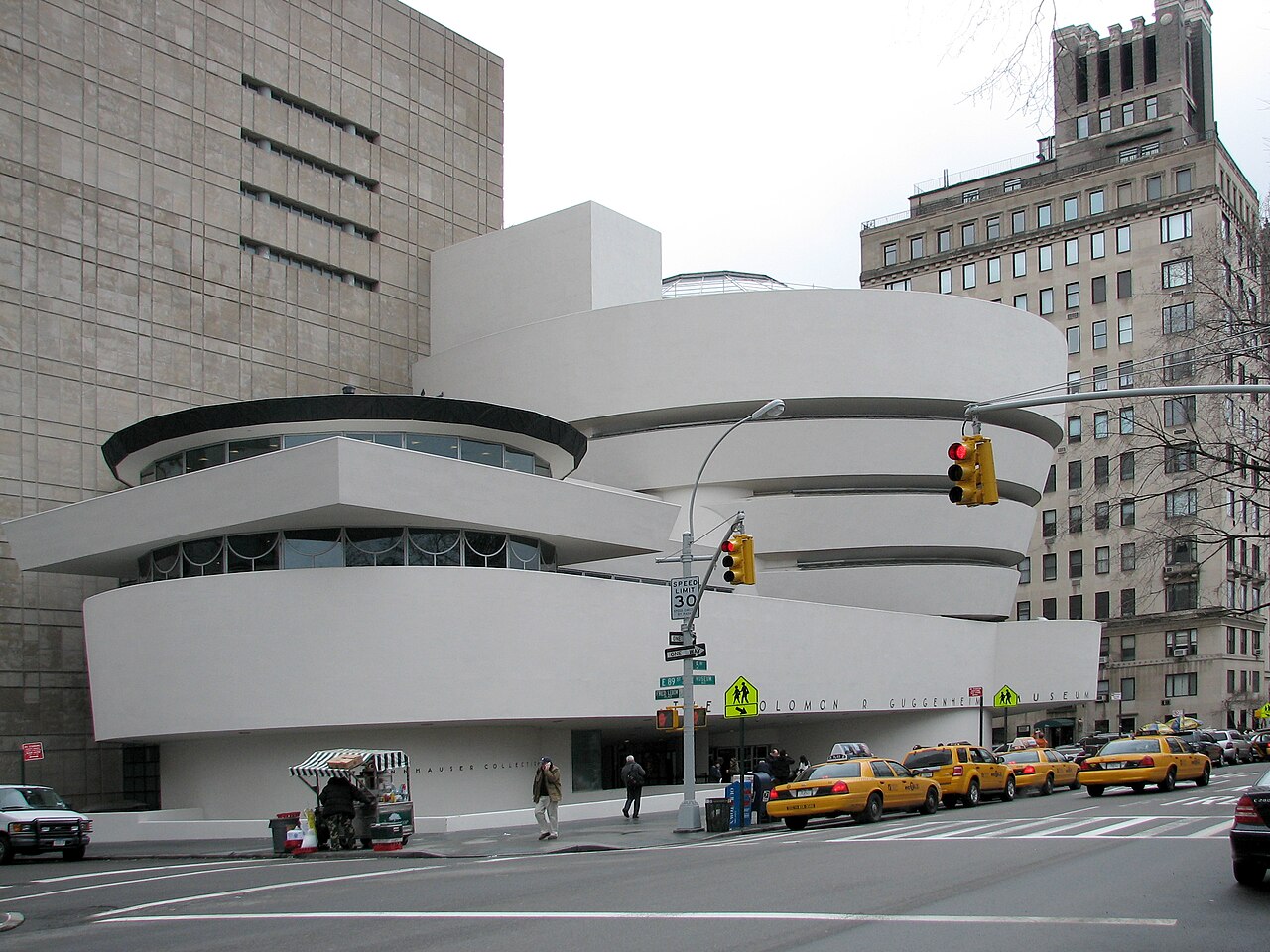
The Solomon R. Guggenheim Museum, designed by Frank Lloyd Wright, opened its doors in New York City. With its spiral ramp winding up around a central atrium, it looked like no other museum in the world. Wright did not live to see it: he died six months before the opening.
1907 — The Merry Widow opens in New York
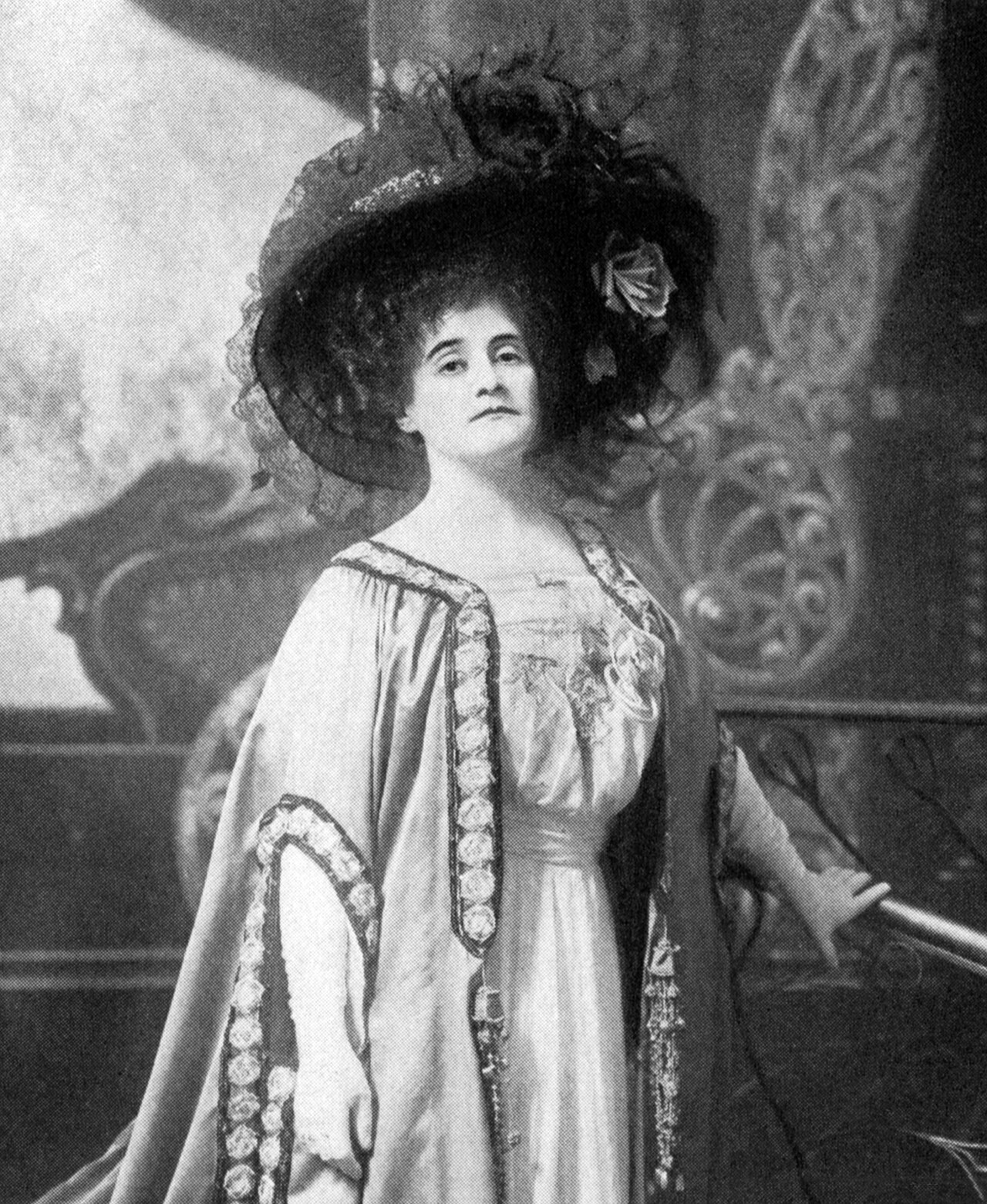
Franz Lehár's operetta The Merry Widow opened in New York City, after triumphs in Vienna and London. The romantic comedy about a wealthy widow and the suitors scrambling to win her fortune became a sensation, and its waltz became one of the most popular tunes of the era.
Sources
- Encyclopaedia Britannica — On This Day, October 21
- The Canadian Encyclopedia — Justin Trudeau
- Encyclopaedia Britannica — Alfred Nobel
- Encyclopaedia Britannica — Strait of Magellan
Created by humans, assisted by AI.
Share this post


