

French President Emmanuel Macron strongly criticized Donald Trump on Wednesday, October 21, condemning what he called “unacceptable” and “stupid” statements by foreign leaders who have blamed migrants and Islamists for the violent riots rocking France. Speaking to the press in Doha, Qatar, Macron accused foreign political figures of exploiting the country’s domestic crisis while spreading misleading narratives about the protests and the destruction that followed. His remarks followed statements by Trump, who portrayed France as a nation invaded and devastated by migrants, jihadists, and communists, using the violence to warn American voters about the consequences of a Democratic victory in the upcoming midterm elections. Macron rejected the idea that France had been invaded by Islamist migrants and criticized the dissemination of doctored images and distorted narratives. “And this has given rise to comments that are as unacceptable as they are foolish on the part of many people, including foreign leaders,” Macron said. When a reporter asked him directly whether Trump was among those he was criticizing, Macron confirmed the connection with a brief reply: “Among others.” This exchange marked an escalation in tensions between the two leaders, as France struggled to restore order after several days of violent protests.
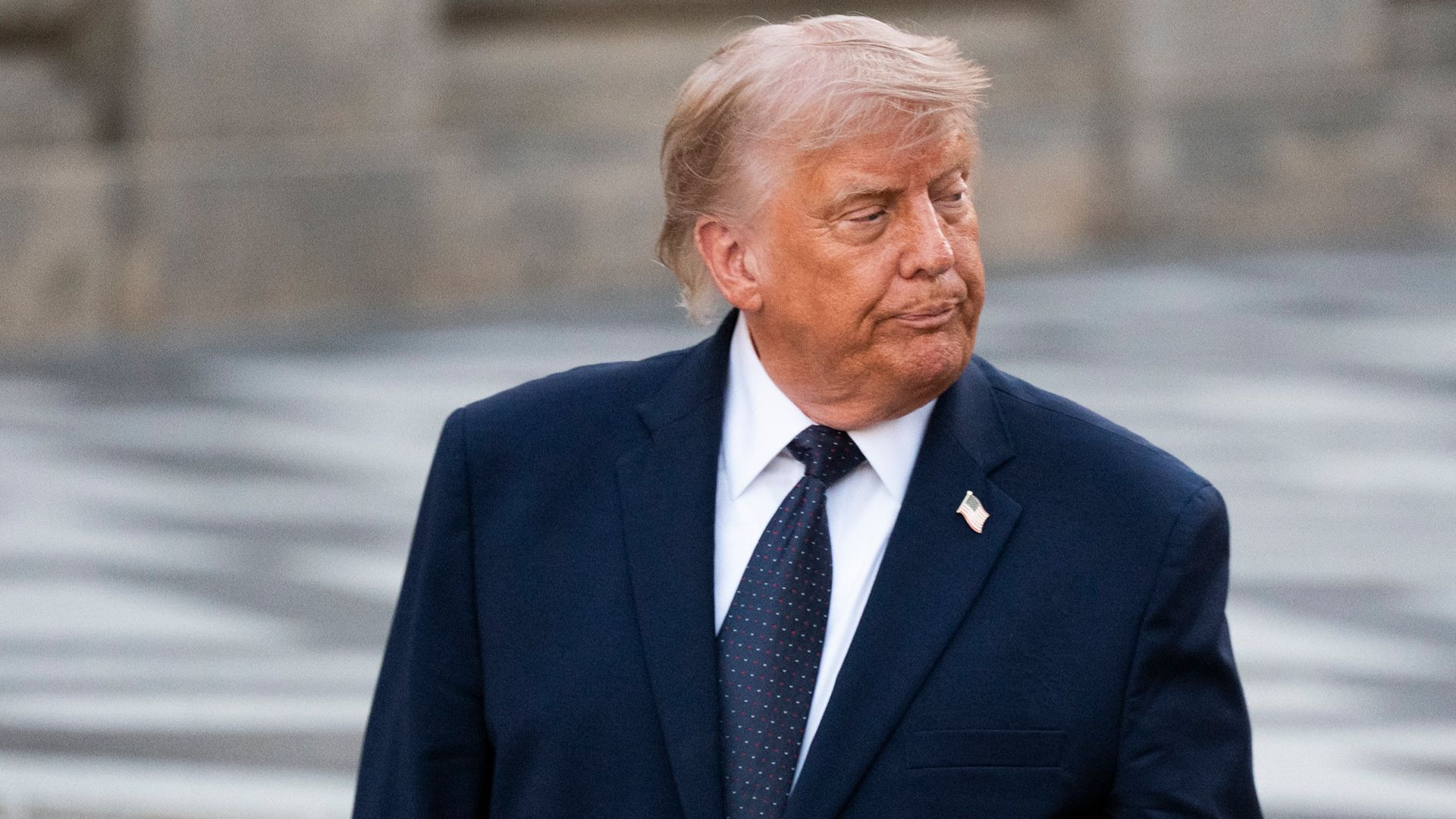
This confrontation followed remarks made by Trump during a campaign rally on October 19 in Park City, Kansas, where he used the French riots to issue a blunt warning about immigration and the future of the United States. Describing France as “a once-great nation that is being conquered, plundered, and reduced to ashes by migrants, jihadists, and communists,” Trump asserted that this violence illustrated what could happen to the United States if the Democrats took power in the November 3 midterm elections. He also stated that the groups responsible for the destruction of France hate Christianity and Western civilization, presenting these disturbances as evidence of a broader threat to European culture and national identity. In another post on Truth Social, Trump accused European political leaders of allowing uncontrolled immigration and reiterated his long-standing claim that Macron should have closed France’s borders. He further warned Americans that Democrats wanted to inflict similar destruction on their own country. However, French officials attributed much of the violence to far-left groups and opportunistic looters, rather than concluding that Muslim migrants or Islamist organizations had orchestrated the unrest. Trump’s interpretation thus stood in direct contrast to the explanations provided by French authorities and the protesters’ initial economic grievances.
We have seen AI-generated images depicting scenes that never actually took place in France.
Macron’s rejection of Trump’s account came after a week of escalating unrest that had begun with widespread frustration over the rising cost of living, energy prices, school conditions, and government policies. On Saturday, October 17, approximately 550,000 people took part in protests across France, according to official figures, while organizers estimated that turnout was significantly higher. These protests brought together students, labor unions, “Yellow Vests” activists, and left-wing organizations calling for economic relief measures and political change. Although many participants protested peacefully, serious violence erupted on the fringes of the rallies, particularly in Paris, Lyon, and Marseille, where groups attacked police officers, looted stores, vandalized public property, and set fires. In Limoges, the historic city hall was also the target of arson. The scale of the unrest led to mass arrests, with authorities reporting more than 2,400 people taken into custody as investigations continued in the days that followed. French officials acknowledged that security forces had struggled to contain the violence, while the government was criticized for underestimating the risk of unrest. On Sunday, October 18, Macron convened an emergency meeting at the Élysée Palace to coordinate the response, marking the start of a larger-scale security operation that would include curfews and restrictions on public gatherings.
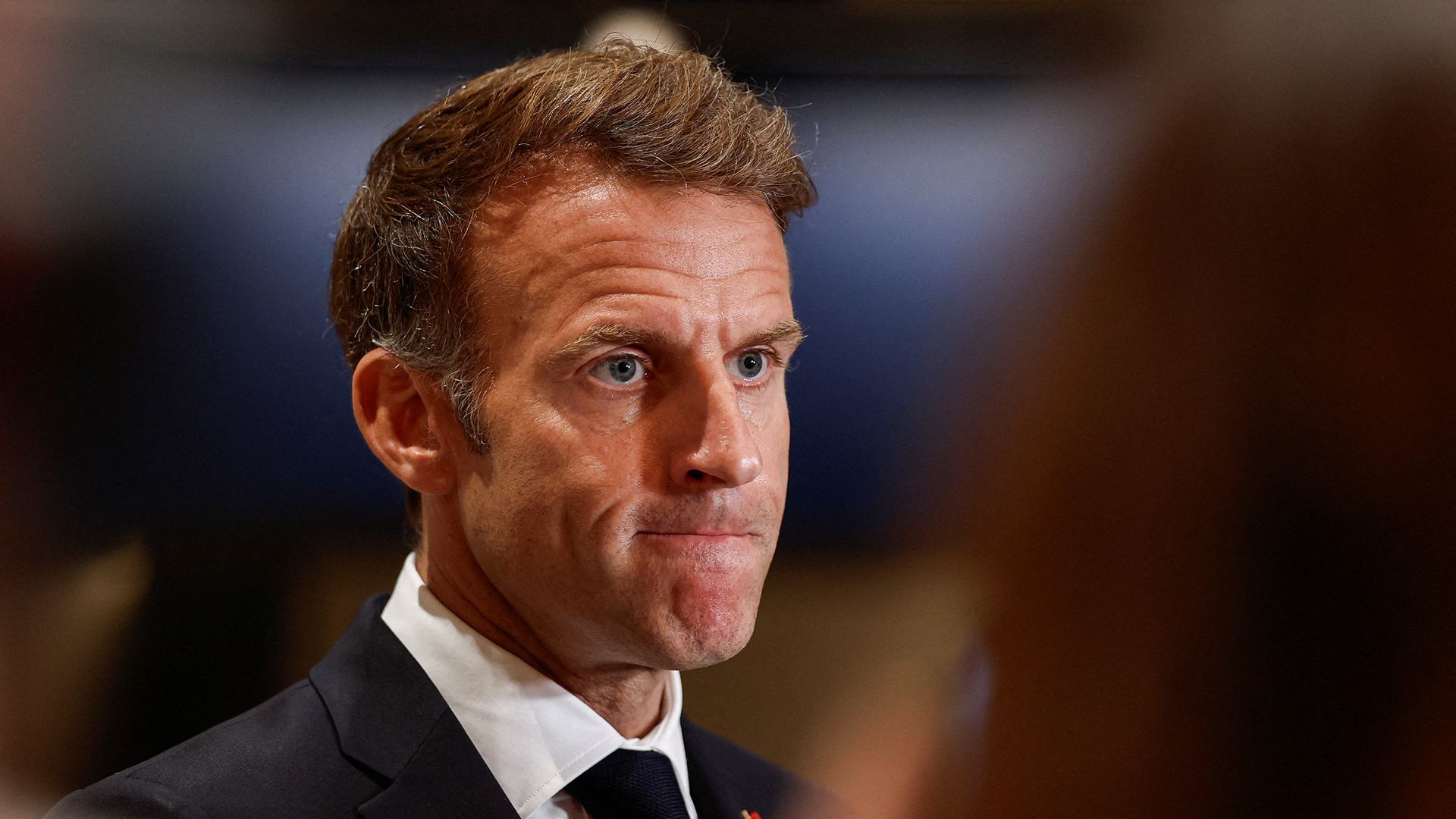
Macron also accused foreign political figures of spreading false information about the violence, particularly through images generated by artificial intelligence that, he said, falsely portrayed France as a country overwhelmed by Muslim migrants and Islamist groups. “We have seen AI-generated images depicting scenes that never actually took place in France,” he told reporters, rejecting narratives that portrayed the protests as evidence of an Islamist invasion. The French president argued that certain foreign leaders were exploiting these disturbances to serve their own domestic political interests, particularly those campaigning for elections. Referring to political figures in the Middle East and across the Atlantic, Macron accused them of using France’s difficulties to mobilize their supporters rather than accurately describing the situation. His criticism went beyond simply challenging Trump’s interpretation of the riots, calling into question the motives of foreign leaders who were amplifying misleading narratives about the violence. Macron maintained that the protests stemmed from domestic economic and social grievances, while condemning attempts to turn France’s internal problems into political arguments abroad.
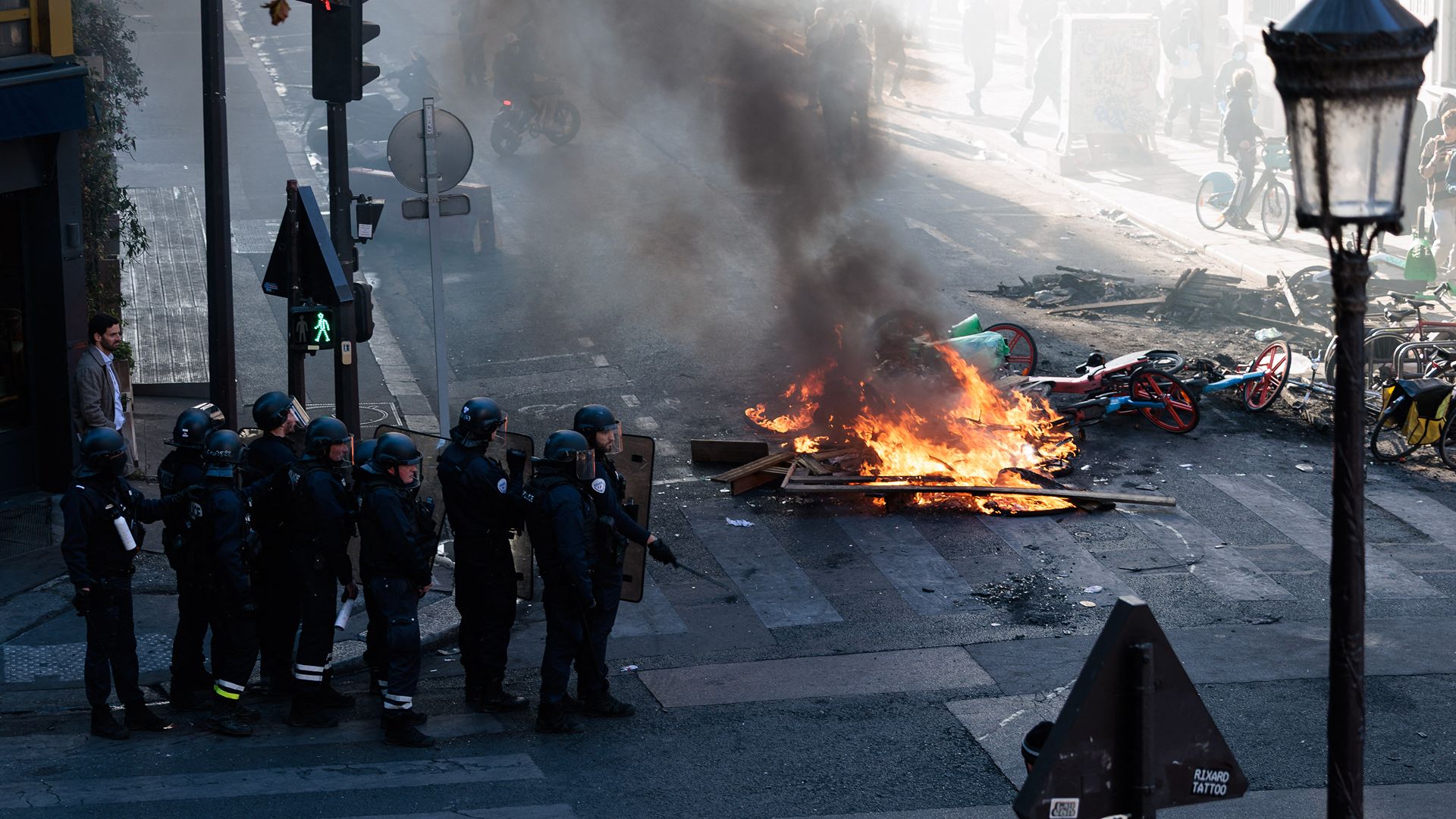
At the same time, the French government implemented emergency security measures to prevent further violence following the October 17 protests, including localized nighttime curfews, restrictions on gatherings, and increased police deployments in several cities. On Monday, October 19, Prime Minister Sébastien Lecornu ordered authorities to implement targeted curfews in areas particularly vulnerable to looting, notably in certain neighborhoods of Paris, Lyon, Nice, and Lille, while officials prepared additional protective measures for businesses and public infrastructure. Interior Minister Laurent Nuñez tendered his resignation following criticism of the police response and the government’s failure to anticipate the scale of the unrest, but Emmanuel Macron refused to accept it. Authorities also announced financial aid for affected businesses, with officials estimating that at least 3,000 commercial establishments had sustained damage. The government did not declare a nationwide state of emergency, opting instead to implement localized restrictions and step up security operations. With another major wave of protests expected on Saturday, October 24, Mr. Lecornu promised a significantly larger police presence, while officials are examining how security forces can intervene more effectively against the organized groups responsible for the violence.
This has led to comments that are as unacceptable as they are foolish from many people, including foreign leaders.
This clash with Trump comes at a particularly difficult time for Macron, whose government is facing growing public frustration over the cost of living, tax policies, and the country’s energy crisis. During his tour of the Gulf, the French president signed agreements that could provide nearly 295,000 metric tons of additional diesel per month—more than 10% of France’s monthly consumption—as authorities seek to stabilize the energy supply and ease the pressure on households and businesses. However, Macron’s response to foreign criticism suggests that he is just as concerned about how these unrest is portrayed internationally. Speaking in Doha, he said: “The fact is that all those who speak ill of our country right now are people who do not like our country.” ” His remarks reflected an increasingly evident disagreement with Trump regarding the origins and political implications of this violence. As France continues to face serious security challenges and widespread dissatisfaction with government policies, Macron has rejected attempts to portray these disturbances as evidence that migrants and Islamists have taken control of the country. His response underscores just how much France’s domestic crisis has become an international political dispute, with its causes and consequences now the subject of debate far beyond France’s borders.
Created by humans, assisted by AI.
Macron calls Trump’s remarks about France being "conquered" and "burned" by migrants "stupid" and "unacceptable"


