


A president tells the world about missiles in Cuba, a Frenchman jumps from a balloon with the first parachute, and a philosopher turns down the Nobel Prize. Here's what happened on October 22.
1962 — Kennedy reveals the Cuban missile crisis
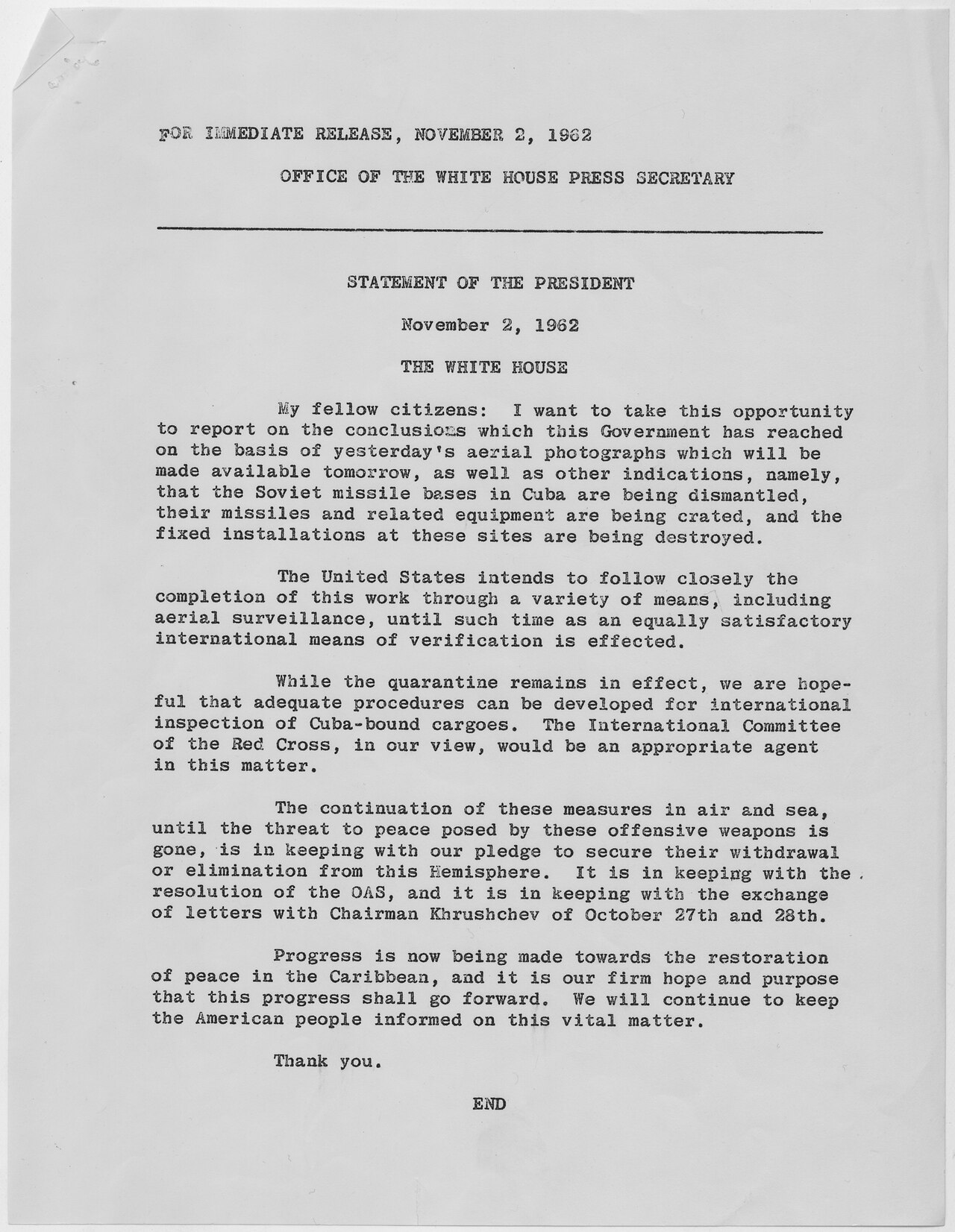
In a televised address, U.S. President John F. Kennedy told Americans that the Soviet Union had installed nuclear missiles in Cuba and announced a naval blockade of the island. For the next six days, the world came closer to nuclear war than ever before, until Moscow agreed to remove the missiles.
1797 — The first parachute descent
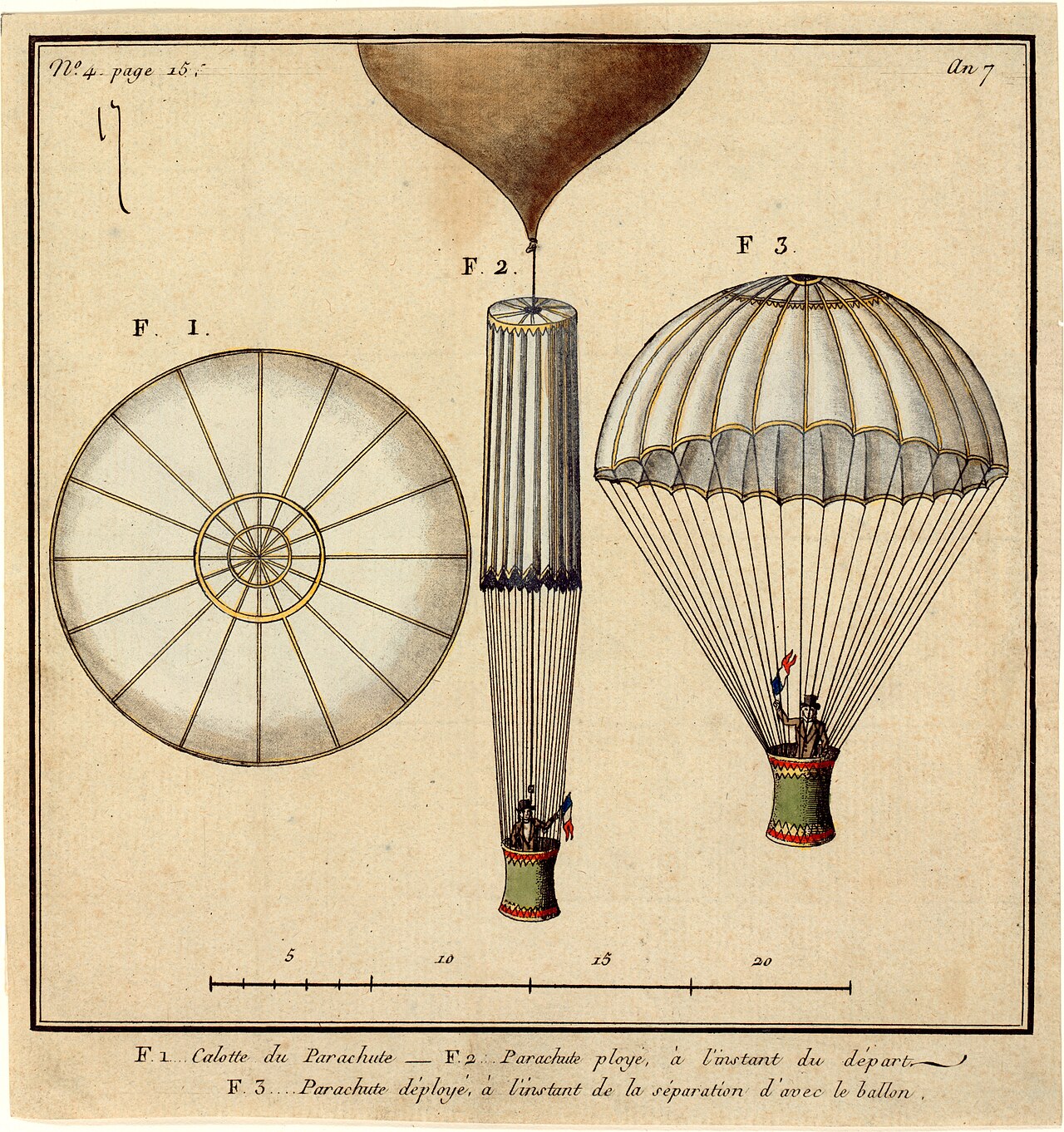
Over Paris, André-Jacques Garnerin, a former French army inspector who had championed military balloons, jumped from a balloon at a height of about 3,200 feet (1,000 metres) and floated back to earth beneath a parachute. He went on to become the first person to use a parachute regularly and successfully.
1964 — Jean-Paul Sartre turns down the Nobel Prize
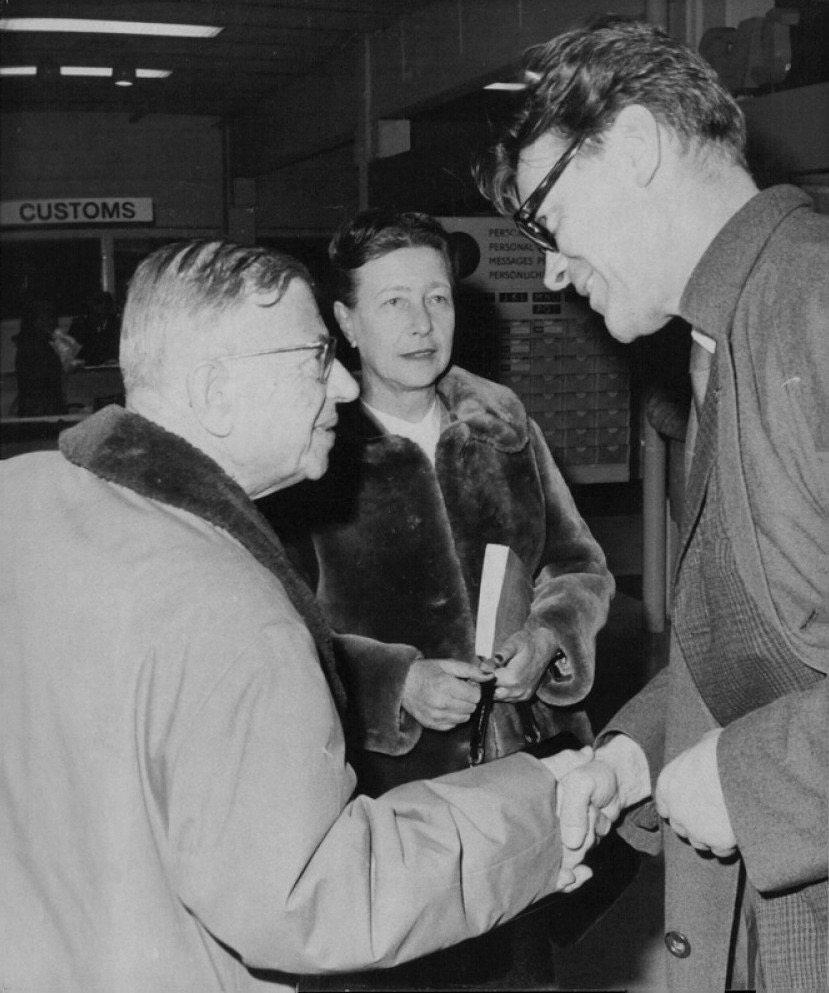
The French philosopher Jean-Paul Sartre was named winner of the Nobel Prize for Literature, and promptly became the first person to voluntarily decline it. A writer, he explained, must refuse to let himself be transformed into an institution.
1978 — John Paul II is inaugurated as pope
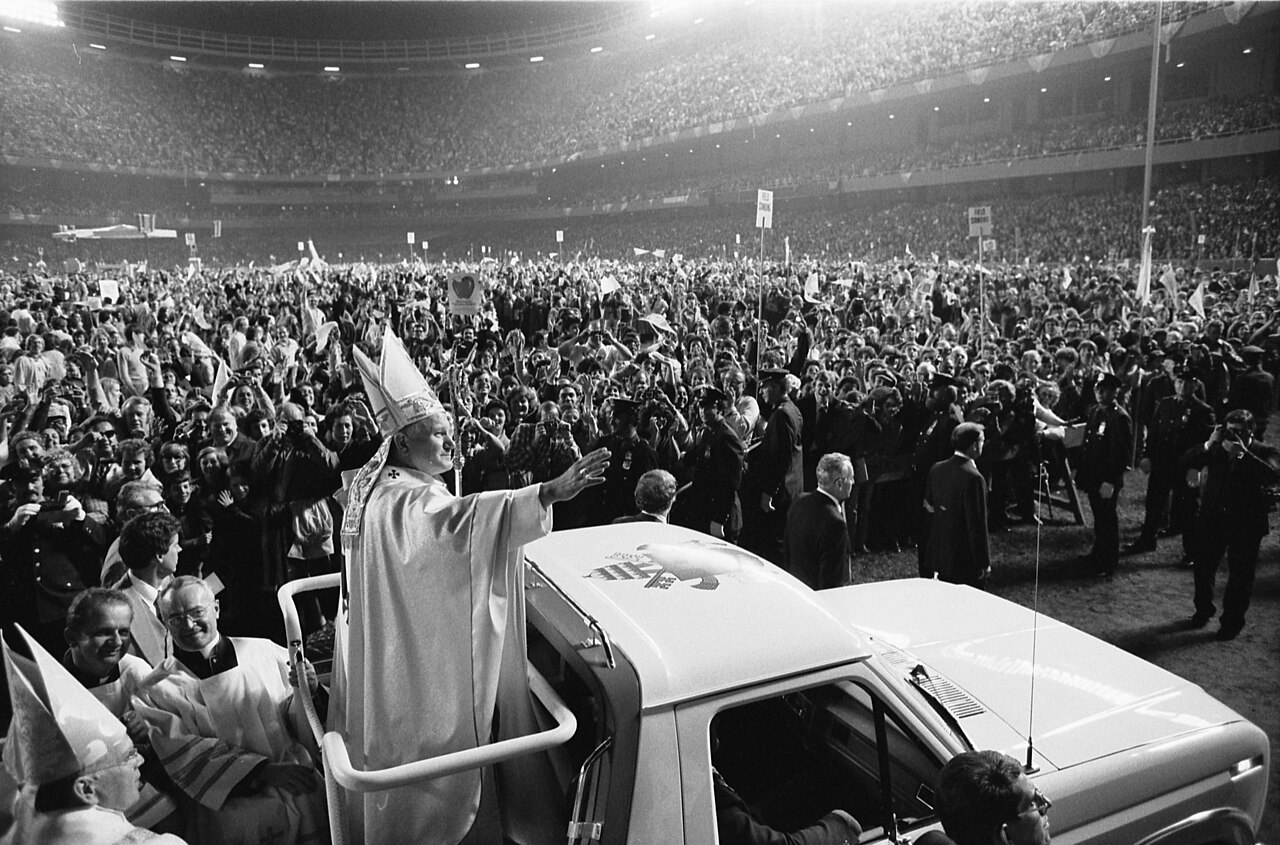
Karol Wojtyła, a Polish cardinal, was formally inaugurated as Pope John Paul II in St. Peter's Square. The first non-Italian pope in more than four centuries, he led the Roman Catholic Church for more than 26 years until his death in 2005. Canonized in 2014, he is honoured with a feast day every October 22.
2008 — India launches its first mission to the Moon
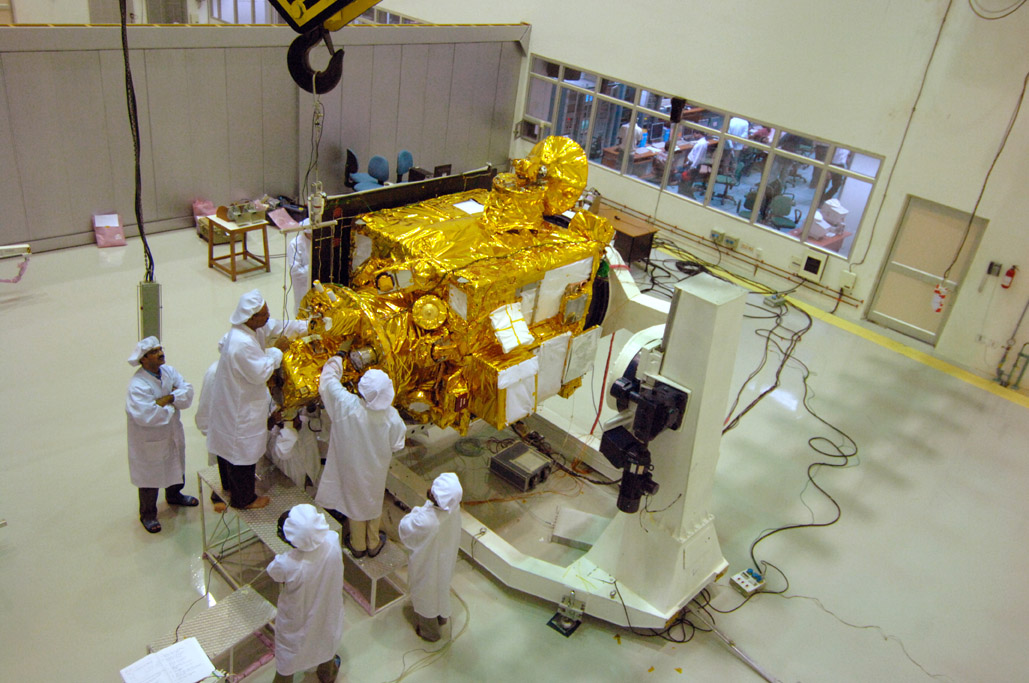
India launched Chandrayaan-1, its first lunar space probe. The mission went on to help detect water on the Moon, one of the most important lunar discoveries of the early 21st century, and it set the stage for India's later achievements in space exploration.
1906 — Paul Cézanne dies
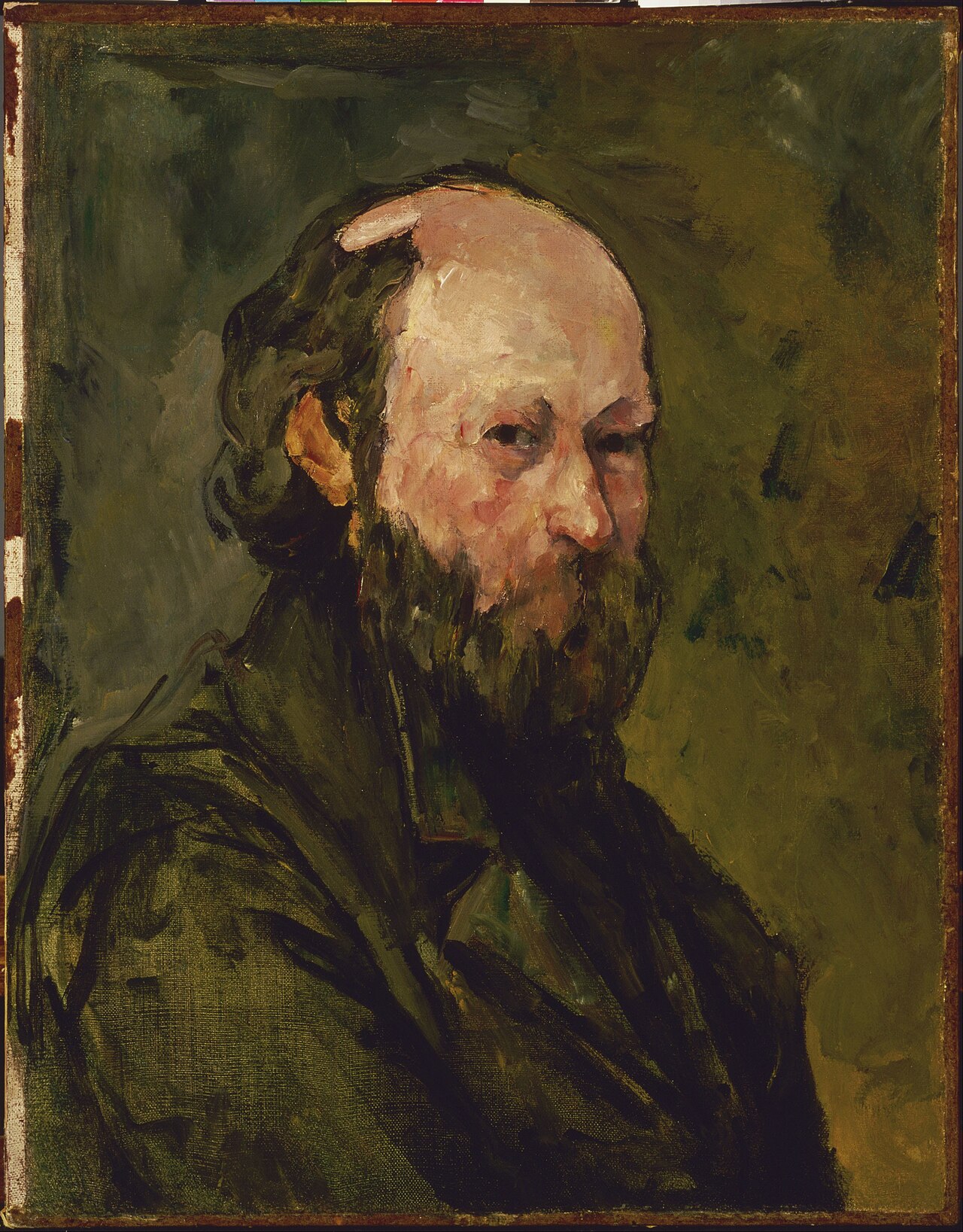
The French painter Paul Cézanne, considered one of the greatest of the Post-Impressionists, died at 67. His bold approach to form and colour deeply influenced the painters who followed, including the pioneers of Cubism.
1836 — Sam Houston becomes president of Texas
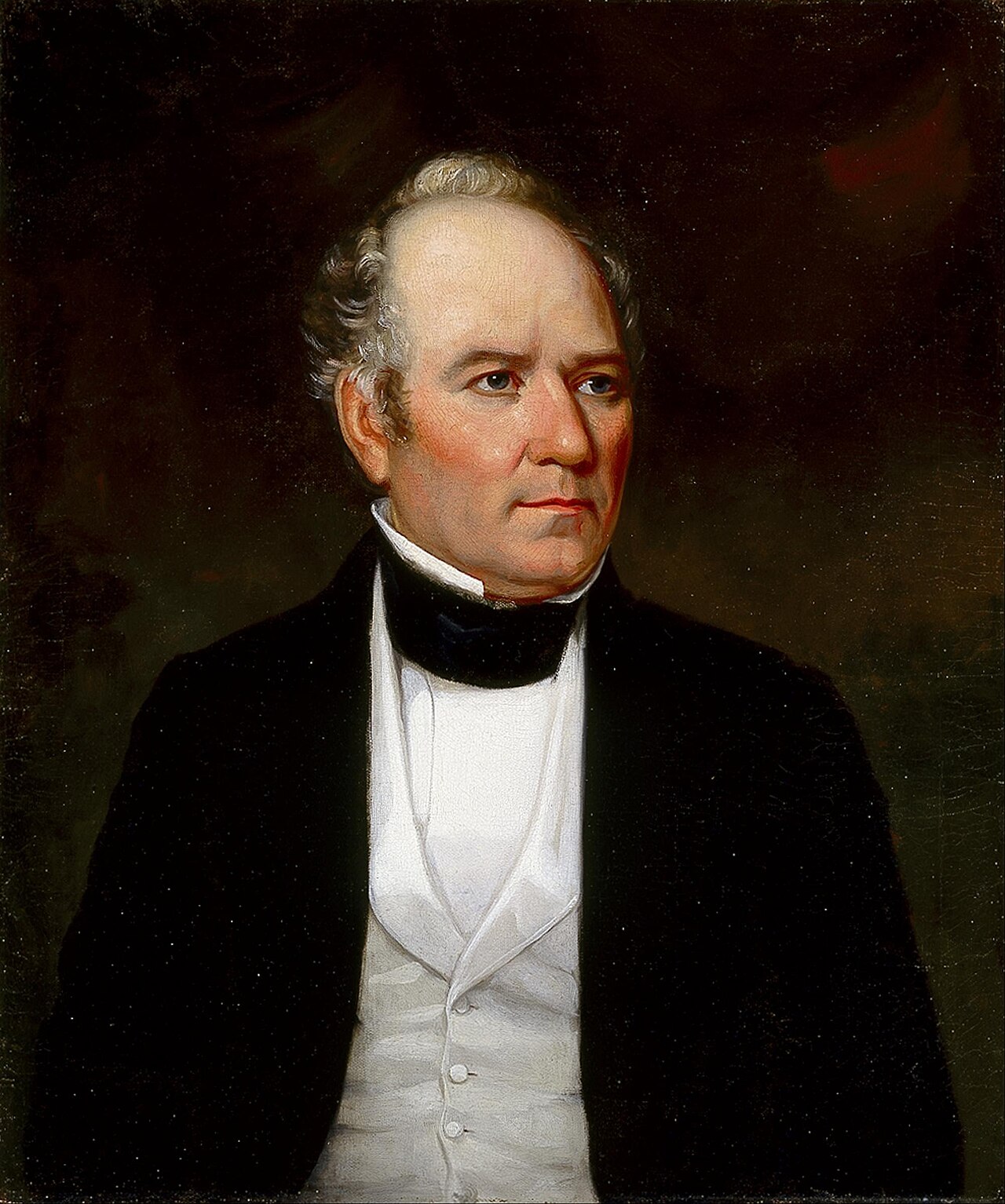
Months after leading the Texan army to victory over Mexico at San Jacinto, Sam Houston was sworn in as the first elected president of the Republic of Texas. Texas remained an independent country for nearly a decade before joining the United States in 1845. The city of Houston still bears his name.
Sources
- Encyclopaedia Britannica — On This Day, October 22
- Encyclopaedia Britannica — Cuban missile crisis
- Encyclopaedia Britannica — André-Jacques Garnerin
- Encyclopaedia Britannica — Jean-Paul Sartre
- Encyclopaedia Britannica — Saint John Paul II
Created by humans, assisted by AI.
Share this post


