

Introduction

Paradoxically, a poorly balanced diet can deplete the body rather than provide it with the nutrients necessary for proper functioning. There are five specific indicators that can help determine whether a person’s current nutritional intake is insufficient to support their metabolism.
Systematic postprandial drowsiness

It is precisely this fluctuation in blood glucose levels that causes the sudden and extreme fatigue experienced by the individual. Instead of stabilizing energy levels, the meal destabilizes the body’s blood sugar regulation system, directly impacting alertness in the afternoon.
Addiction to Stimulants and Sugary Foods

Persistent Fatigue Upon Waking

Waking up feeling tired despite a full eight hours of sleep is a sign that the body’s nighttime recovery processes were not optimal. The quality of the evening meal plays a decisive role here in the body’s ability to regenerate.
An excessively heavy evening meal—one that is too high in fat or eaten too late—disrupts the liver’s detoxification and metabolic functions during the night. The energy that should be allocated to tissue repair is then diverted.
The Impact on Mood and the Nervous System
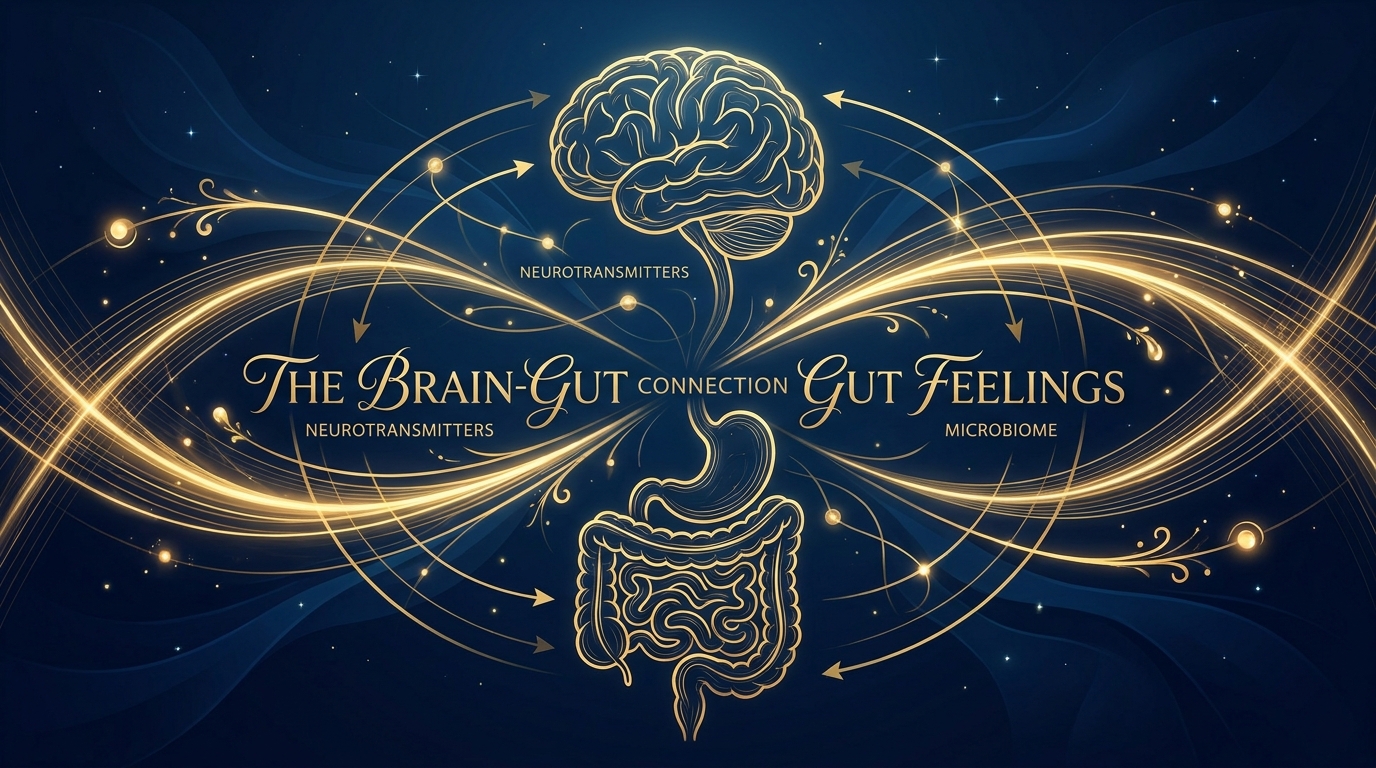
Serotonin and dopamine—molecules responsible for regulating well-being and motivation—require specific nutrients to be synthesized by the brain. Without these fundamental components, the body cannot maintain stable emotional balance.
Weakened Immune Defenses

In addition to a higher frequency of illness, a malnourished body will take much longer to recover from these infections. Since the body’s natural defense system is no longer properly nourished, recovery becomes difficult and fatigue sets in for an extended period.
Conclusion

Source: passeportsante.net
Analysis of Physical Symptoms Associated with Inadequate Intake to Meet Energy Needs
This content was created with the help of AI.


