Skip to content

A unique herbal tea with centuries-old origins

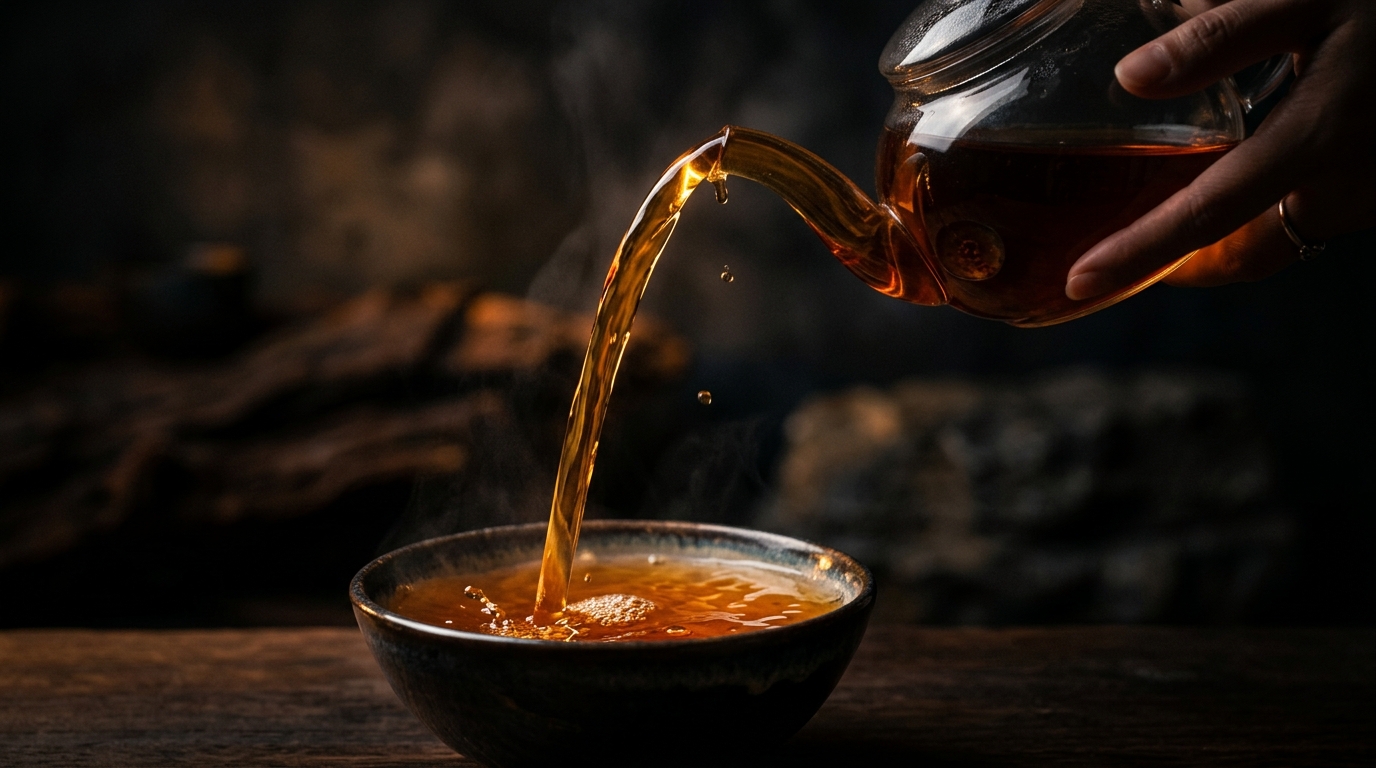
Long overshadowed by the historic popularity of green and black tea, blue tea is now attracting significant interest. Also known as oolong or wulong, it is gradually becoming a staple among wellness enthusiasts. Native to China, this beverage captivates with its unique flavor profile, blending elegant floral notes with subtle toasty undertones.

Contrary to popular belief, this tea does not come from a different plant species. The harvested leaves come from Camellia sinensis, the very same shrub that yields traditional green and black teas. The fundamental distinction of wulong lies in its status as a semi-oxidized tea—a technical characteristic that places it precisely halfway between its two most famous cousins.

This rigorous production method allows for the development of extremely complex aromas. At the same time, this intermediate level of oxidation ensures that some of the protective compounds naturally present in the fresh leaves are preserved. This meticulous craftsmanship has been continuously perfected for centuries across the tea plantations of China and Taiwan.

Direct action against cellular aging

Analysis of oolong tea’s nutritional composition reveals a high natural concentration of polyphenols. These plant-derived molecules have been extensively documented in scientific literature for their remarkable antioxidant properties within the human body.

The primary function of these bioactive substances is to target and neutralize a portion of free radicals. Free radicals are unstable molecules continuously generated by the body during its various daily metabolic processes.

Over the long term, the regular action of these polyphenols is thought to actively help protect cells against external aggressors. This mechanism counteracts oxidative stress, a biological phenomenon known to be directly involved in the body’s natural aging process.

Potential Support for the Cardiovascular System

The scientific community has long studied the physiological effects of regular oolong tea consumption. Several academic studies suggest that this habit may be positively associated with better overall cardiovascular health.

Some of these independent studies have specifically observed a reduced risk of death from cardiovascular disease. These compelling results were documented during follow-up studies of cohorts comprising regular consumers of this semi-oxidized tea.

This protective effect is believed to stem from the presence of catechins, combined with various other antioxidant compounds specific to blue tea. These elements are thought to work together to support healthy blood vessel function and ensure ongoing protection of the cardiovascular system.

An ally for optimized digestion

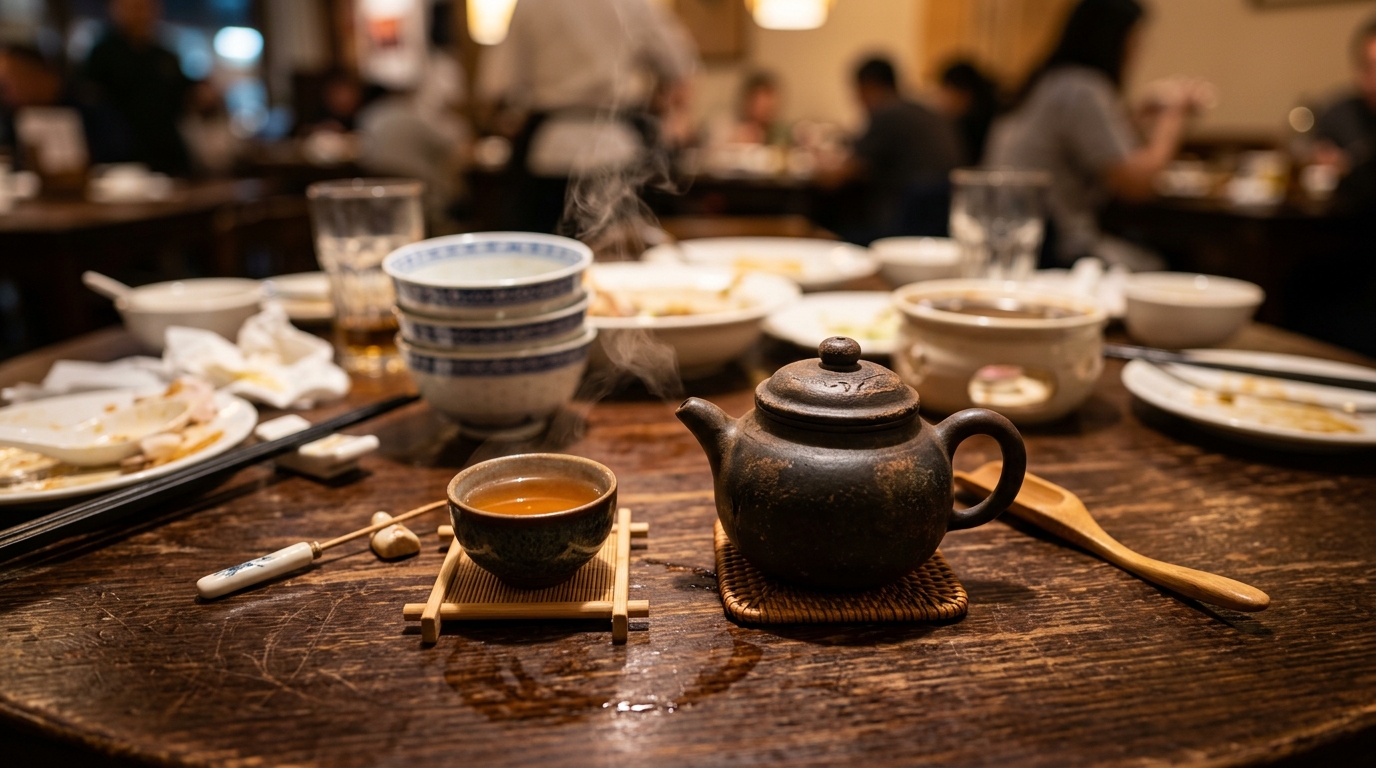
According to an ancient Chinese tradition, oolong tea is always served after meals. This deeply rooted custom is based on empirical benefits, with many consumers reporting an immediate feeling of lightness after a hearty lunch or dinner.

Contemporary researchers are actively exploring the mechanisms behind this age-old phenomenon. They are particularly interested in the potential impact of the polyphenols concentrated in the beverage on the maintenance and delicate balance of the human gut microbiome.

Although this infusion is by no means a digestive treatment in the strict sense, its nutritional profile offers a definite dietary benefit. It can easily replace sweeter, industrially produced beverages and thus indirectly contribute to a greater sense of comfort after meals.

Sustained and Controlled Energy

Like most infusions made from Camellia sinensis, blue tea naturally contains caffeine. However, the concentration of this stimulating alkaloid is generally lower than that found in a standard cup of coffee.

The fundamental uniqueness of oolong lies in the simultaneous presence of L-theanine. This specific amino acid is renowned within the pharmacological community for its ability to promote a state of alertness described as calm and focused.

The result of this molecular combination is consistently reported by regular drinkers, who describe a more stable feeling of energy. This synergy works without the “energy spike” sometimes followed by a crash typically observed with certain high-caffeine beverages.

A tool for weight management

Oolong tea is often recommended as a beneficial beverage for those seeking to adopt a healthier lifestyle overall. This recommendation is based on a specific biological mechanism driven by its natural combination of caffeine and polyphenols.

This chemical synergy may contribute to a slight increase in metabolic energy expenditure while supporting the oxidation of body fat. Given these characteristics, curious individuals often ask the following question: “Does blue tea really help with weight loss?”

The answer requires an objective look at human physiology. No tea causes weight loss on its own, and oolong is no exception to this strict rule. Its dietary benefit lies primarily in the fact that it serves as a healthy substitute for higher-calorie beverages, thus fitting easily into a balanced diet and a deliberate weight-loss plan.

Preparation Instructions and Recommendations for Use

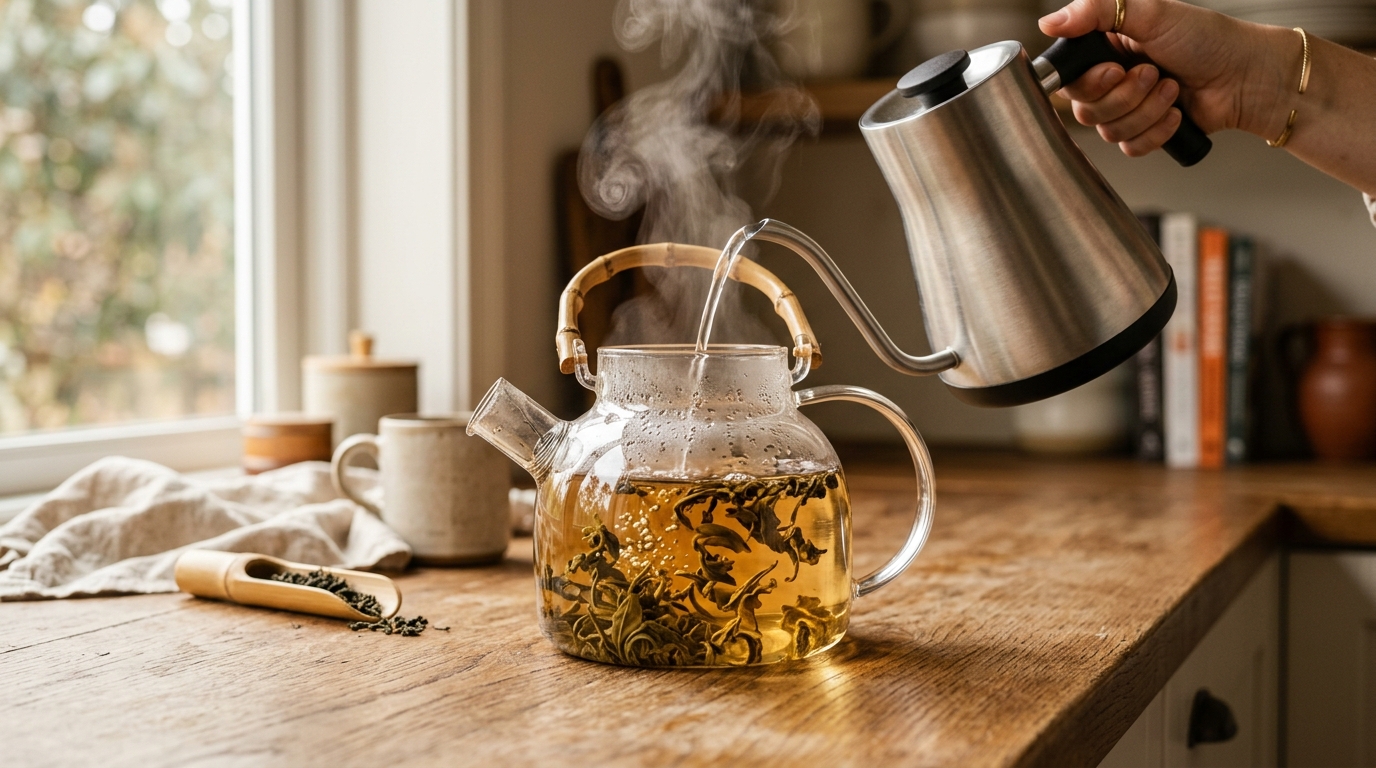
To fully extract the aromas of this beverage, a rigorous preparation method must be followed. Tea experts recommend using water at a temperature between 85 and 95 °C. The ideal steeping time is between two and five minutes. A notable economic and flavor benefit is that the same leaves can often be rebrewed several times in a row without losing their qualities.

The growing interest in oolong tea has led people to ask: “Can you drink oolong tea every day?” The answer is yes, provided you consume it in reasonable and moderate amounts, as with all types of tea. Two to three cups a day are generally enough to fully enjoy its delicate flavors and various active compounds.

To clear up any remaining confusion, a common question remains: “Is blue tea the same as green tea?” The answer is no. Blue tea is semi-oxidized, whereas green tea undergoes very little oxidation—a difference that drastically affects its taste and composition. Ultimately, while blue tea is not a miracle cure, when combined with a varied diet and an active lifestyle, it is a pleasant beverage that brilliantly combines flavor, tradition, and potential health benefits.

Source: passeportsante.net

Blue Tea Reveals Its Secrets: Why Oolong Is a Better Choice Than Your Traditional Herbal Teas

This content was created with the help of AI.

facebook icon twitter icon linkedin icon
Copied!

Commentaires

0 0 votes
Article Rating
Subscribe
Notify of
guest
0 Comments
Newest
Oldest Most Voted
Inline Feedbacks
View all comments
More Content