

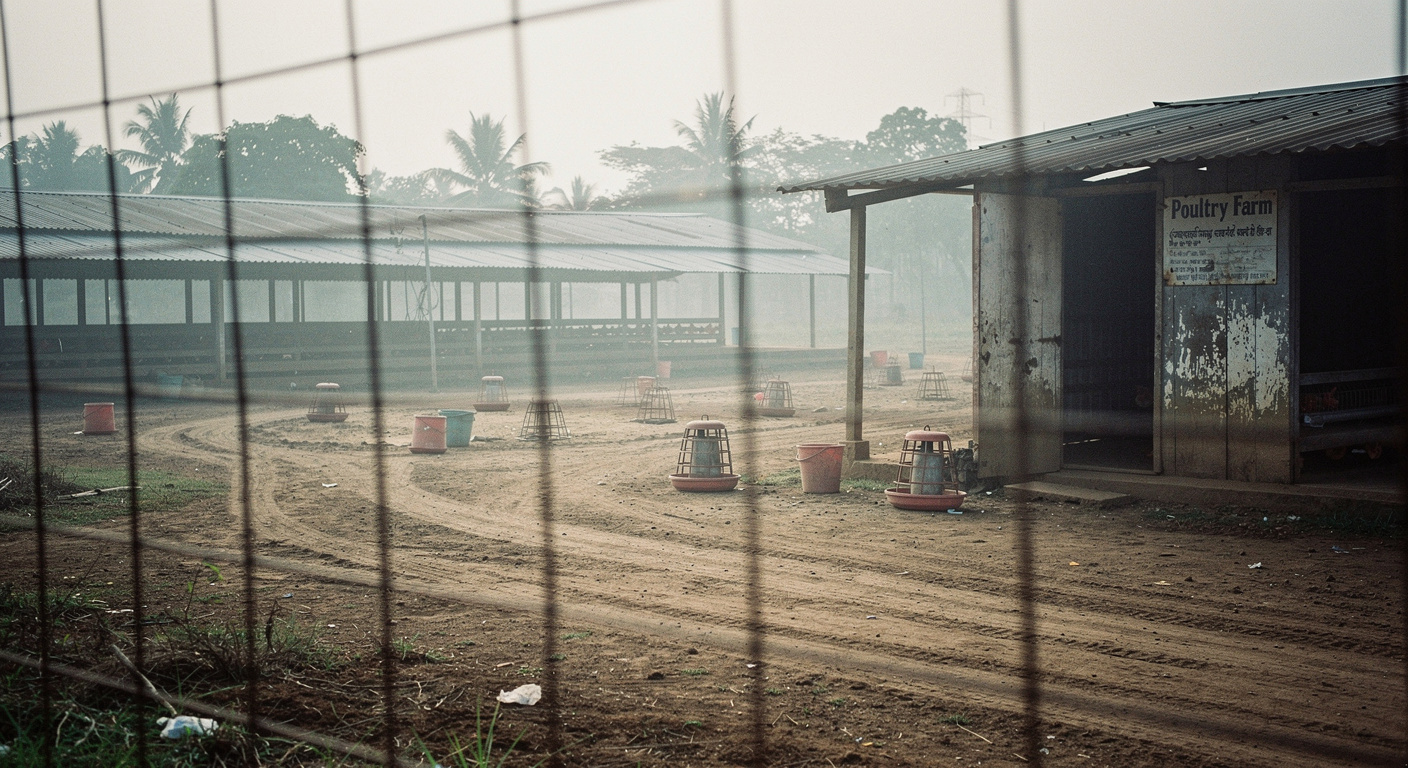
From a poultry farm to the oceans: How the H5N1 virus is spreading to the marine environment


An Unexpected Global Trajectory Since 1996
The Heavy Toll on South America’s Coasts
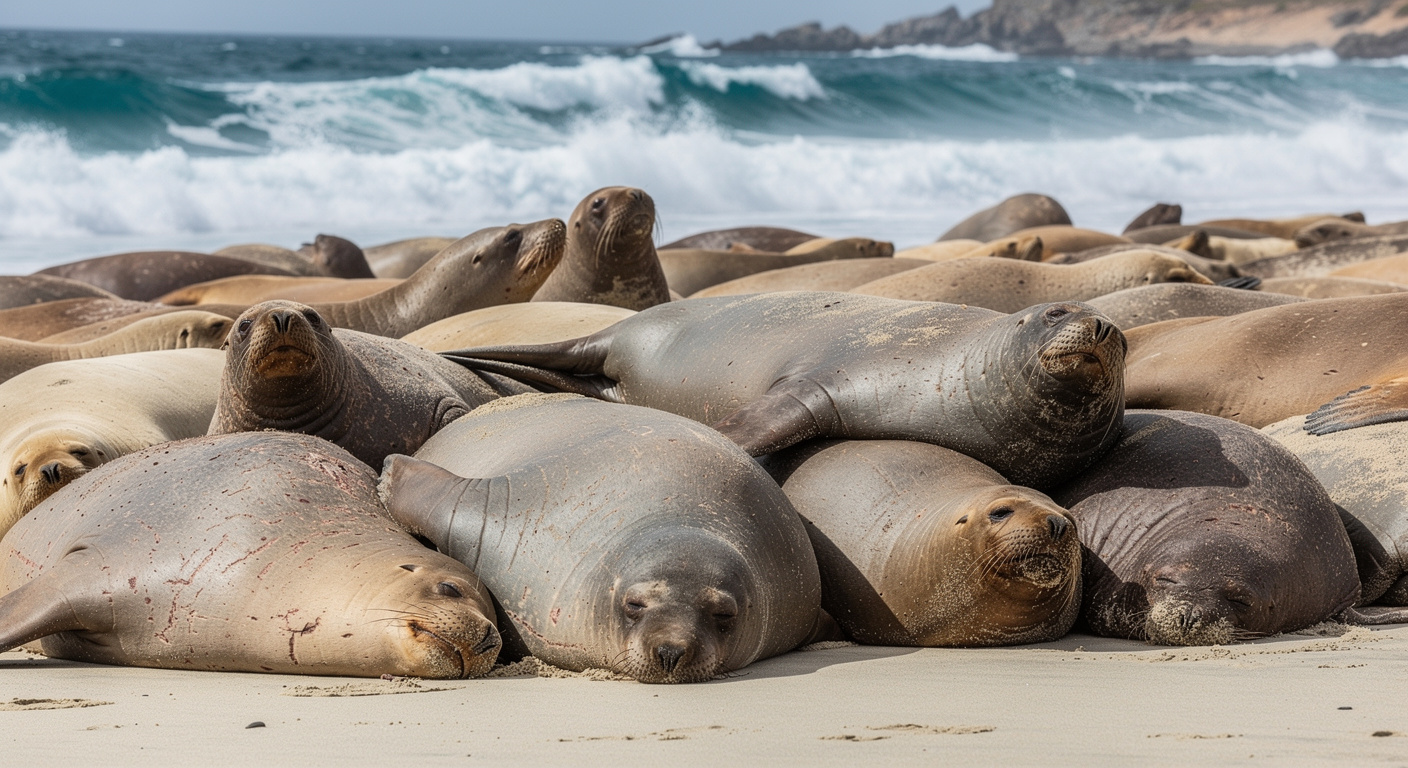
The warning signs of this disaster became evident during a major outbreak in Argentina in 2023, when southern elephant seals began dying in large numbers. What initially appeared to be a local crisis turned out to be much larger in scope. Marcela Uhart, a veterinarian involved in this research, observed the phenomenon firsthand. “Southern elephant seals were the canary in the coal mine, warning us of a broader problem among pinnipeds worldwide,” she emphasized. She added, “We can do better to be prepared next time before this spreads to other species.” These early outbreaks are actually warning signs, not merely isolated events.
The Scientists’ Response and the California Example
Faced with this situation, researchers have taken a step back to analyze the bigger picture. Their work examines how the virus spreads among pinnipeds—the zoological group that includes seals and sea lions—while seeking ways to limit the damage. The team’s findings were published in a scientific journal specializing in the management of infectious diseases in wildlife populations.
Christine Johnson, director of the Institute for Pandemic Insights at the UC Davis Weill School of Veterinary Medicine, explains what is at stake. “There is a huge and unprecedented conservation risk,” she said. She continues her analysis with the following observation: “Influenza is constantly changing, and this is a major problem now that it is circulating widely among birds and marine mammals.”
In California, the scientific community had prepared for this. As early as late February, northern elephant seals presented the first known cases of H5N1 in a marine mammal in that state. Teams had established routine surveillance more than a year earlier, tracking bird activity, monitoring seal colonies, and collecting samples from sick or dead animals. When the virus emerged, the speed of their response was crucial because they did not have to start from scratch. Christine Johnson described this process as an “exceptionally rapid detection of an outbreak among wild marine mammals,” a response that helped limit the extent and speed of the virus’s spread.
New Methods of Detection and Prevention

A Compounding Threat to the Most Vulnerable Species
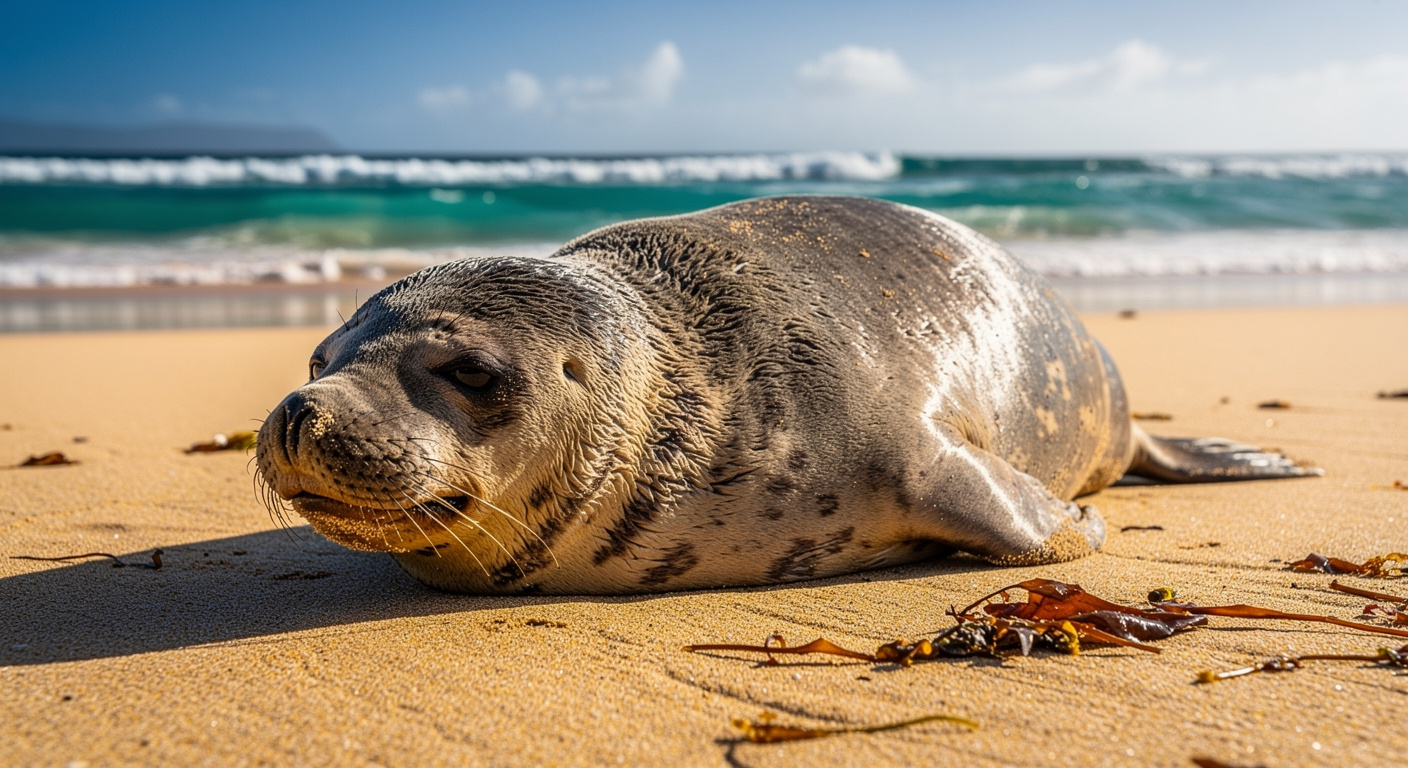
This epidemic does not occur in an environment free of other disturbances. Avian influenza compounds the effects of habitat loss, declining food resources, and warming ocean waters. These underlying conditions leave small populations in a highly vulnerable state when a disease breaks out. Some animals have been spared so far, such as the Hawaiian monk seal and the Galápagos sea lion, but they remain fully vulnerable.
Elizabeth Ashley, the lead author of this study—the full text of which was published in the journal The Royal Society—outlines these risks in detail. “H5 avian influenza viruses are an emerging threat to seal and sea lion populations that are already facing numerous conservation pressures,” she explains. She elaborates on the importance of this scientific understanding: “Understanding how this virus spreads through coastal ecosystems is essential for protecting vulnerable marine wildlife.”
The H5N1 virus’s journey is not over. What began on poultry farms has now permanently entered the oceans and wild ecosystems. The pathogen continues to adapt, making it difficult to predict what will happen next. The key lesson from this timeline lies in careful observation, early action, and collaboration; without these, the losses recorded to date may be only the beginning of a broader environmental crisis.
Source: earth.com
From a poultry farm to the oceans: How the H5N1 virus is spreading to the marine environment
