

An Unexpected Discovery About a Popular Supplement
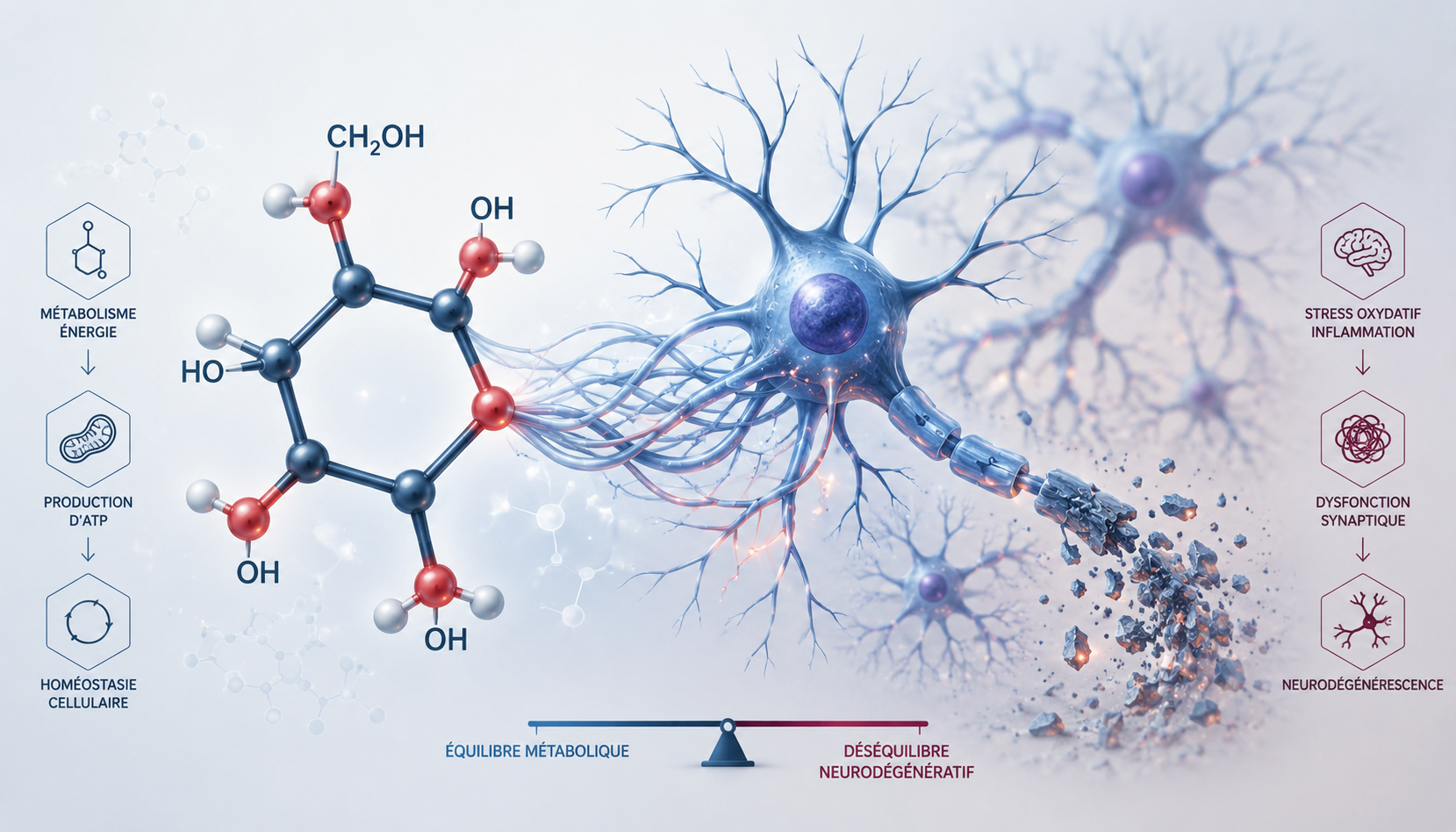
According to research published in the scientific journal Nature Metabolism, taking this supplement is associated with an increased likelihood of progressing from mild cognitive impairment to full-blown Alzheimer’s disease. This research is based on a large-scale retrospective analysis of medical records, supplemented by advanced imaging technologies applied to human tissues and animal models.
Ramon Sun, director of the Center for Advanced Space Research on Biomolecules at the University of Florida, emphasizes the urgency of these findings: “In the United States, approximately seven million people live with Alzheimer’s disease, and millions more with related forms of dementia such as Lewy body dementia or frontotemporal dementia.” He adds that “many of these people are actively taking an over-the-counter supplement that could accelerate the progression of their disease.”
Artificial intelligence reveals a 25% increase in risk

To reach these conclusions, the research team—including collaborators Yi Guo and Jiang Bian—used artificial intelligence to sift through anonymized medical records from UF Health between 2012 and 2024. The study focused on patients diagnosed with mild cognitive impairment (MCI) or Alzheimer’s disease-related dementia (ADRD).
The data revealed that a significant proportion—8%—of patients in both groups reported taking glucosamine, representing 1,896 people with ADRD and 2,750 with MCI. After adjusting the results for age, sex, and demographic factors, the analysis showed that glucosamine use was associated with a 25% higher likelihood of a mild cognitive impairment progressing to dementia.
Even more concerning, the study reports that among patients already diagnosed with Alzheimer’s disease or a related form of dementia, taking glucosamine is linked to a 25% increase in the risk of mortality over a given period. This risk was not observed in the group suffering only from mild cognitive impairment, suggesting that the supplement’s impact is more severe once dementia has set in.
The biological mechanism: a matter of sugar and proteins
Dr. Ramon Sun explains that this molecule fuels biological pathways that add complex sugar structures to proteins. In Alzheimer’s disease, this system appears to become overactive. “Our results suggest that an altered metabolism is a significant contributor to the progression of Alzheimer’s,” he says, noting that treating this metabolic defect could complement current approaches focused on amyloid plaques.
Matt Gentry, chair of the Department of Biochemistry and Molecular Biology at the University of Florida and a co-author of the study, elaborates on the role of proteins: “Proteins are the molecular machines of the cell, and many of them require sugar tags to be added in exactly the right way so they can fold correctly, move to the right place, and do their job.” In a diseased brain, this process of excessive tagging may contribute to the pathology rather than curbing it.
Evidence confirmed in animal models and human tissues

To validate their observations, the researchers conducted experiments on genetically modified mice. They found that administering glucosamine significantly increased the binding of sugar residues to cellular proteins. The treated mice showed a decline in their “social memory,” that is, their ability to recognize others. Conversely, when the scientists chemically blocked this sugar-binding process, the animals’ memory improved.
These results were corroborated by the analysis of human brain tissue samples from the UF Neuromedicine Brain and Tissue Bank, in collaboration with Stefan Prokop. By comparing the brains of patients who had died of Alzheimer’s disease with healthy brains, the team discovered a significantly higher prevalence of these sugar attachments in the patients.
This convergence of evidence suggests that metabolic dysfunction is not merely a secondary consequence of the disease, but rather a driver that actively contributes to its development. According to the report published in Nature Metabolism under the title “Hyperglycosylation is a metabolic driver of Alzheimer’s disease,” this discovery paves the way for new potential therapeutic targets.
Toward Necessary Clinical Validation

Although Dr. Matt Gentry describes these results as “highly provocative,” the study’s authors note that this is currently a statistical association and not formal proof of causation. Clinical trials in humans will be essential to confirm whether discontinuing glucosamine can slow the progression of dementia in at-risk patients.
Pending further validation, this study highlights the importance of monitoring dietary supplement intake among older adults, whose brain metabolism may be more vulnerable. This research was made possible by a new spatial technology developed by Ramon Sun’s laboratory, which allows for the analysis of thousands of molecules resulting from the breakdown of food or medications.
Source: medicalxpress.com
Glucosamine: This Joint Supplement May Accelerate the Progression of Alzheimer’s Disease, According to a Study


