

The Effect of Cooking Method on the Morning Glycemic Index

Breakfast very often includes toast as part of people’s eating habits. Preparing this morning meal frequently involves using a toaster to warm the slices of bread before eating them.
Nutritional analyses show that this heating method directly influences how the body absorbs nutrients. Systematic use of a toaster leads to a measurable increase in the bread’s glycemic index.
This structural change makes the food’s composition more easily absorbed by the human metabolism. As a result, the body is exposed to significant fluctuations in blood sugar levels right from the start of the day.
The Phenomenon of Dextrinization and Accelerated Absorption
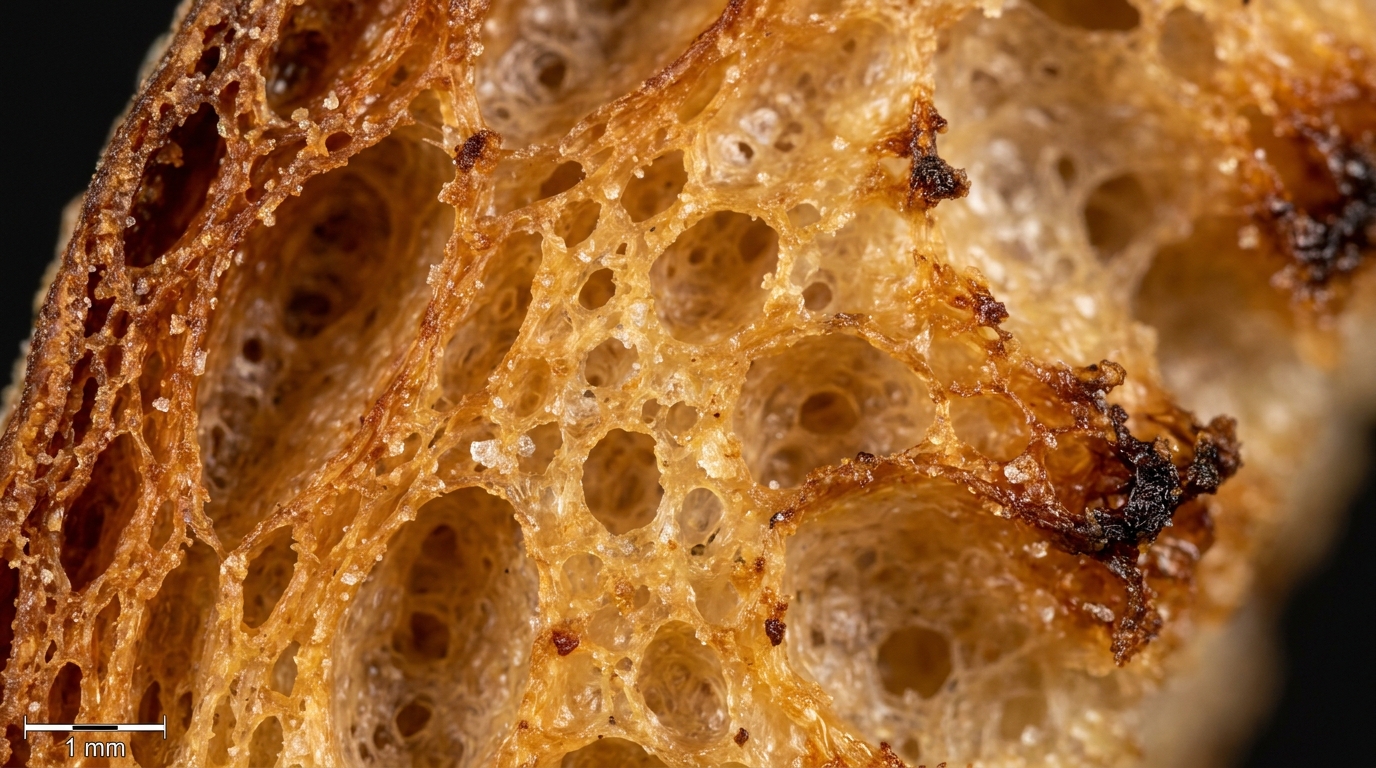
Exposing the bread to the oven’s high heat triggers a specific chemical process called dextrinization. The long, complex starch chains initially present in the crumb break down under the effect of the heat.
Modification of Starch Through the Freezing Process
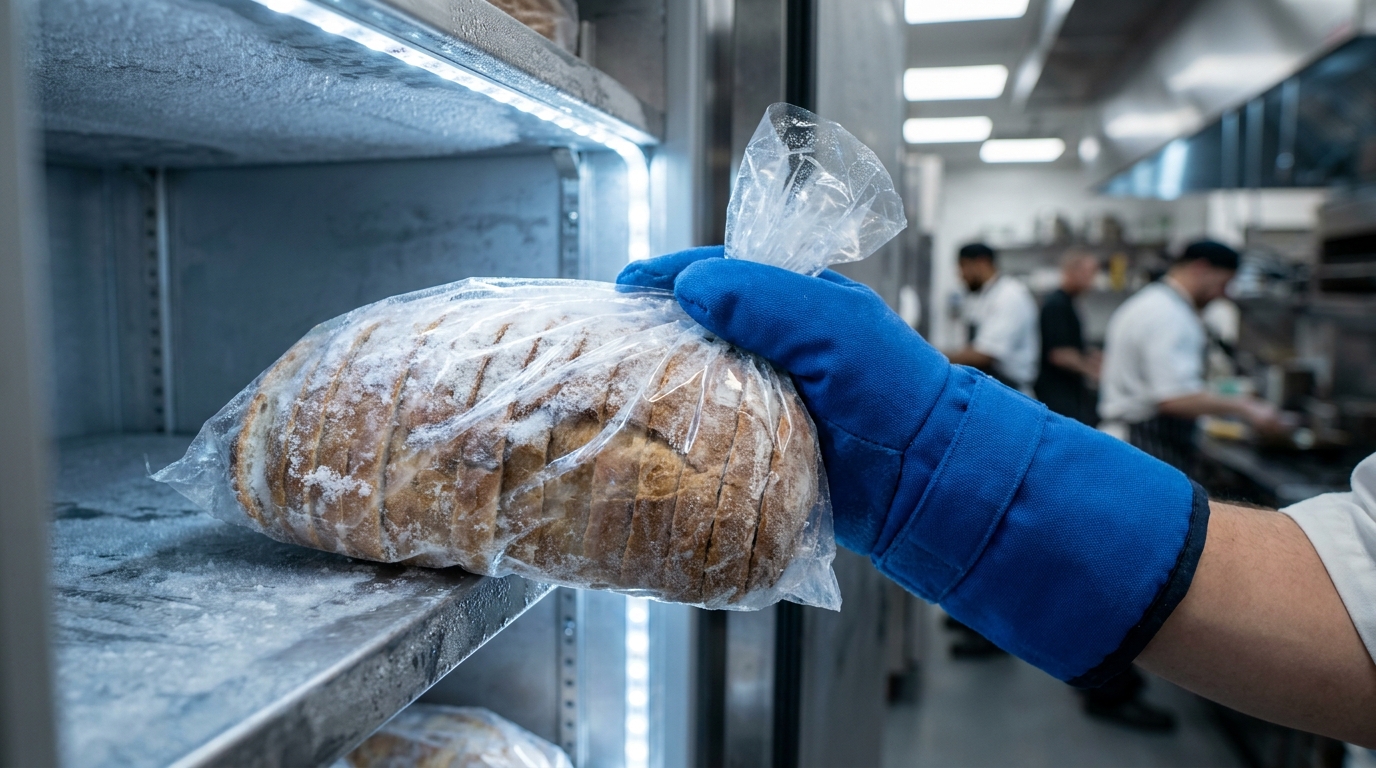
During the successive phases of cooling and freezing, the bread’s molecular structure undergoes a significant change. A portion of the original starch changes state to become “resistant starch,” a structural form that is much more resistant to the body’s digestive processes.
The Impact of Fermentation and Flour Selection
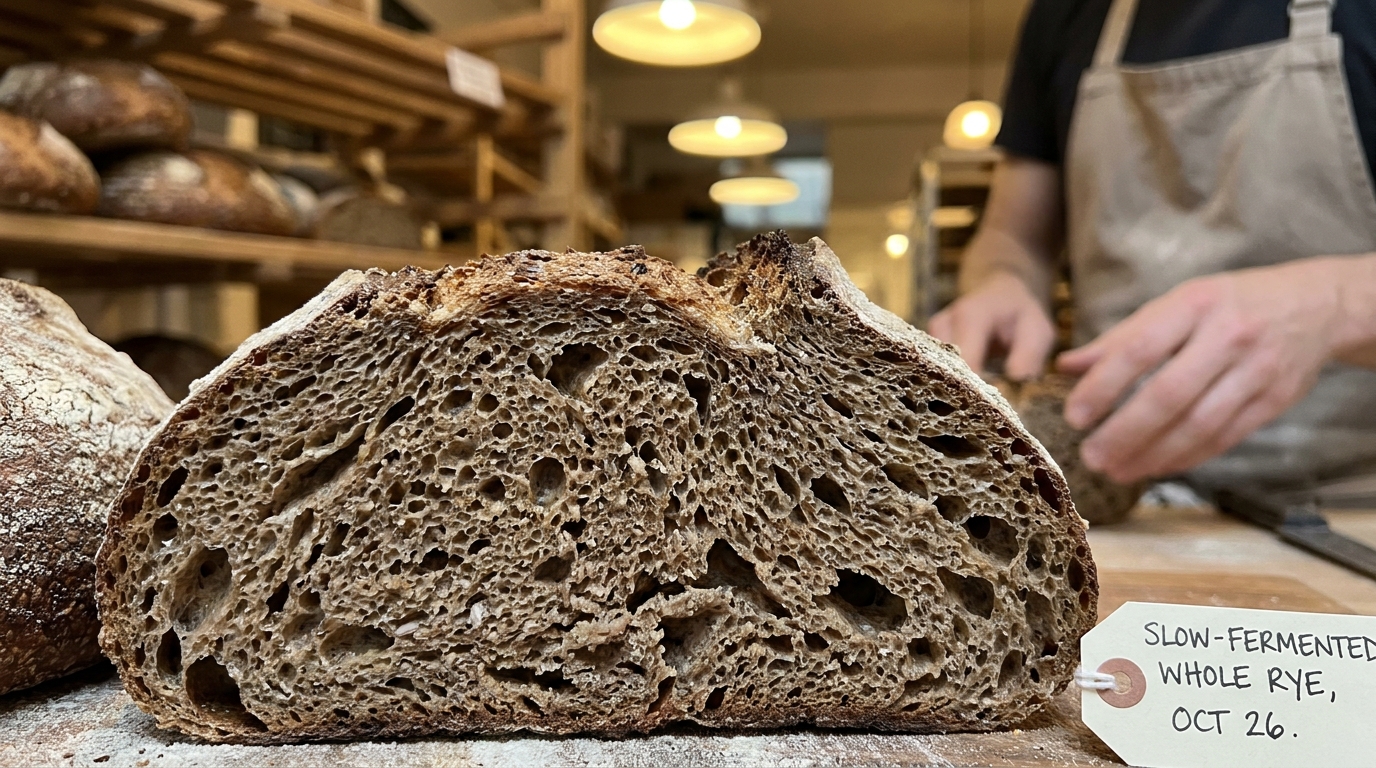
Pumpernickel and seeded breads as nutritional benchmarks
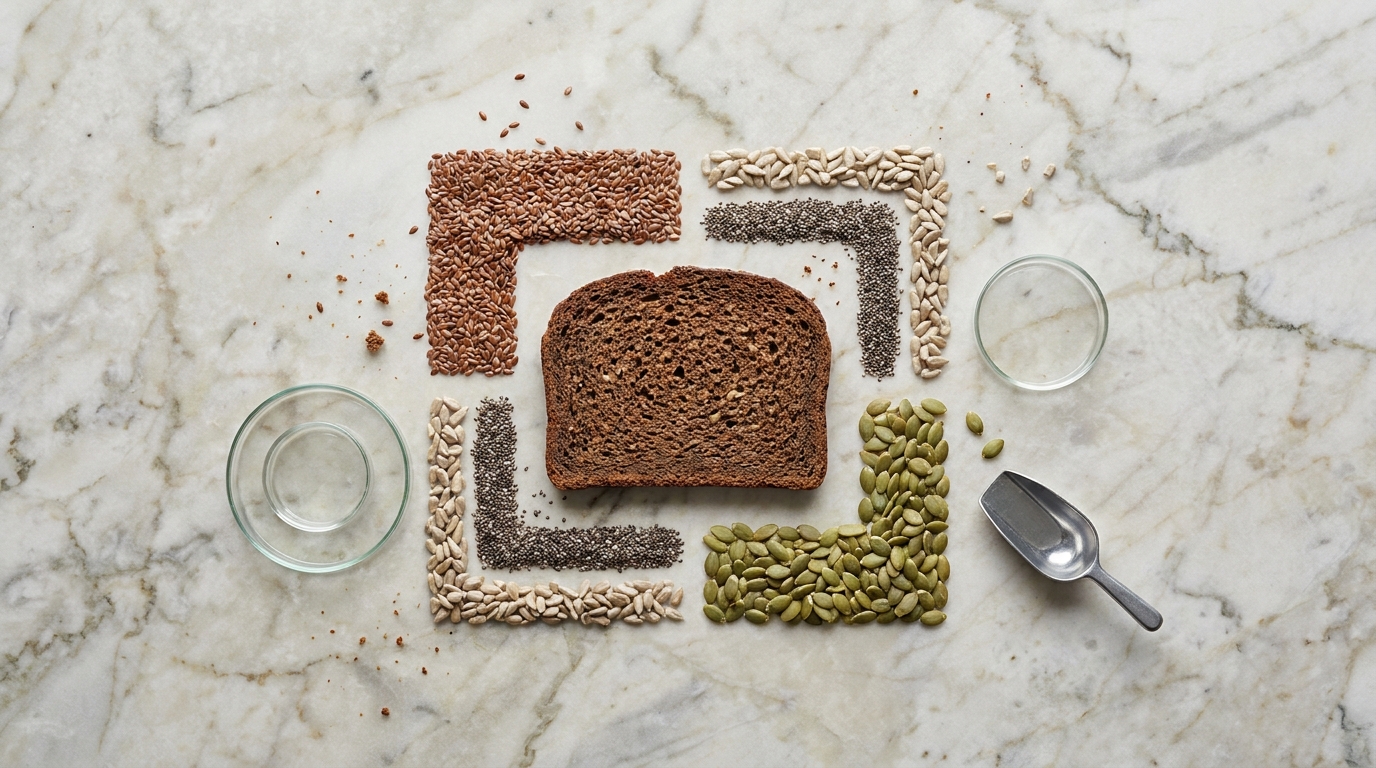
Recipes incorporating a variety of seeds—such as flax, sunflower, chia, or pumpkin—have a low glycemic index, often below 50. This is due to their exceptionally high content of both soluble and insoluble fiber, which physically traps the starch.
Consuming these ancient, nutrient-dense grains—which are less refined—provides the body with high-quality fuel. This dietary choice helps prevent the blood sugar “roller coaster” effect typically seen with more processed foods.
Source: aufeminin.com
Glycemic Index at Breakfast: The Science Behind Toast and Nutritional Alternatives
This content was created with the help of AI.


