

Understanding the Role of Inflammation and Carbohydrates
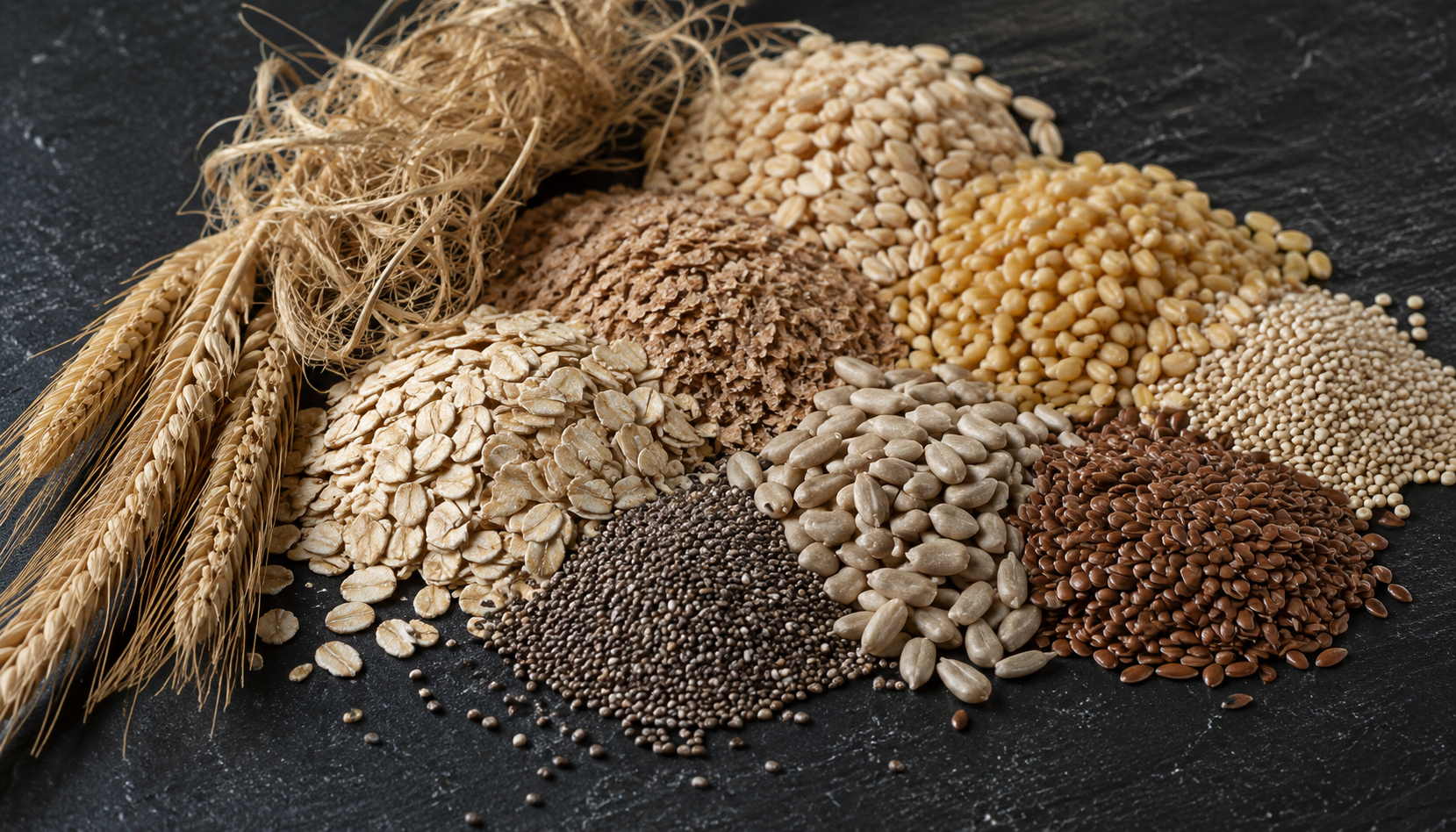
1. Buckwheat
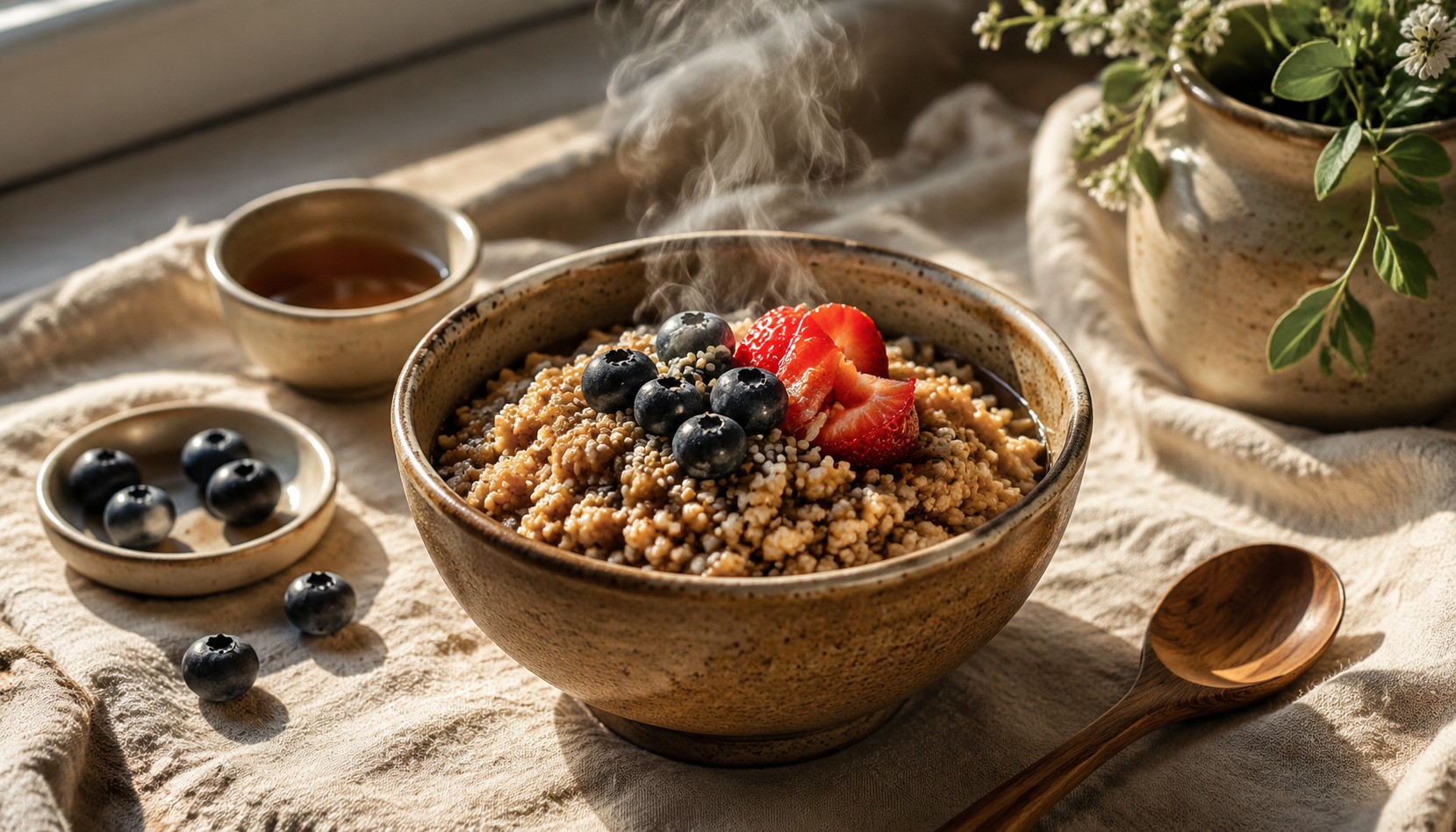
Wendy Jo Peterson, who holds a Master of Science degree, is a Registered Dietitian Nutritionist (RDN) and cookbook author, and advocates for the inclusion of whole grains in a balanced daily diet. Living in Germany, she observes that most breads in Europe are made from ancient grains, such as buckwheat. These breads contain more fiber than their wheat-based counterparts commonly found in the United States. One hundred grams of buckwheat flour provides ten grams of fiber, compared to three grams in all-purpose wheat flour—more than three times as much.
This gluten-free grain contains phytochemicals—rutin and quercetin—which are antioxidants known for their ability to reduce inflammation. Scientific research highlights the anti-inflammatory effects of buckwheat, along with other potential health benefits. Antioxidants protect the body against external stressors and long-term damage, which contribute to the development of diabetes and high blood pressure. Regular consumption of antioxidant-rich foods helps prevent and reduce inflammation associated with these conditions.
To incorporate this food into your diet, the dietitian suggests a gradual approach. “Start by replacing half the wheat flour with buckwheat in foods such as pancakes, waffles, crackers, and tortillas,” recommends Wendy Jo Peterson. “Or, experiment with buckwheat groats to make a delicious breakfast porridge.”
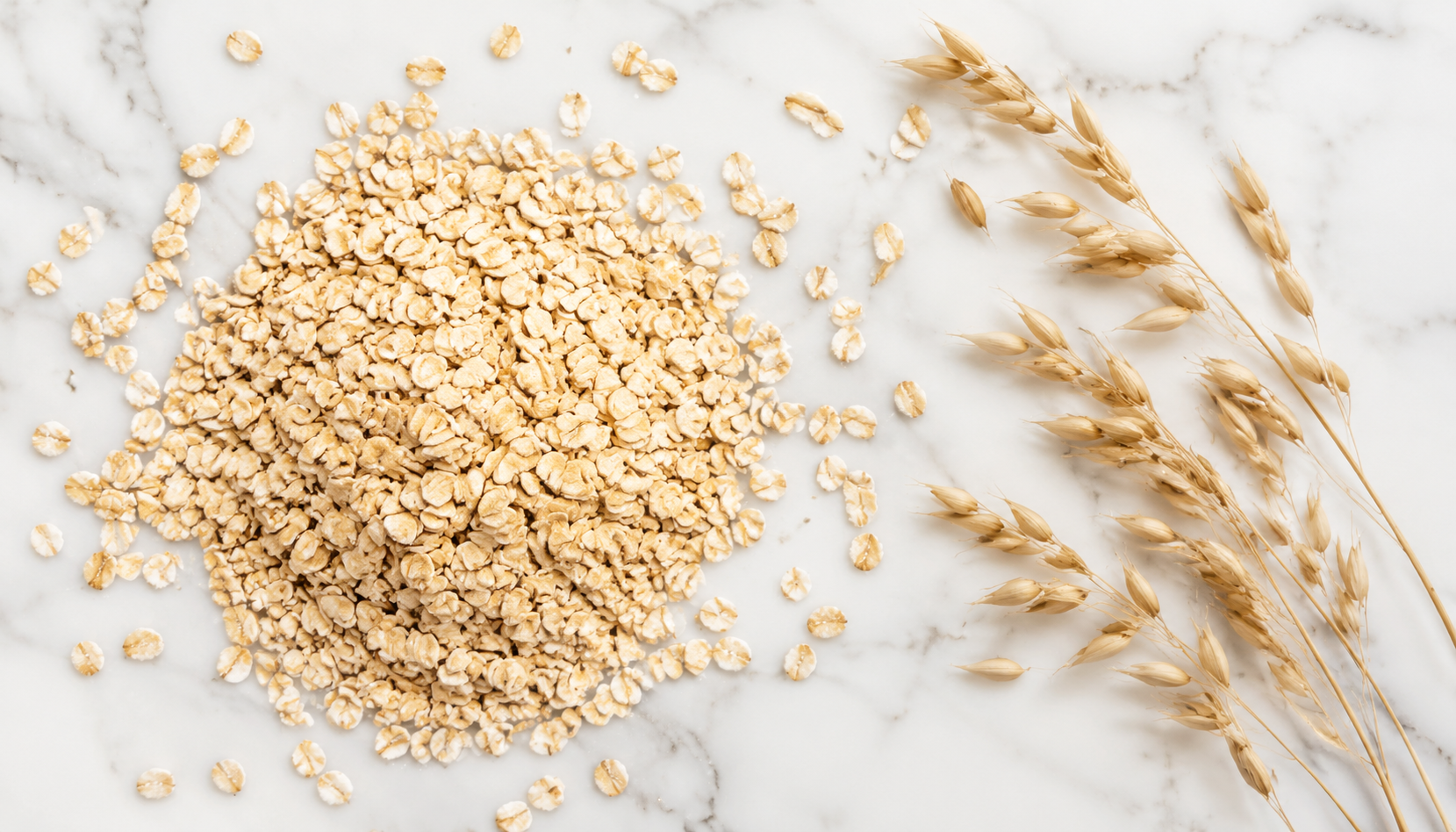
2. Oats
3. Purple potatoes
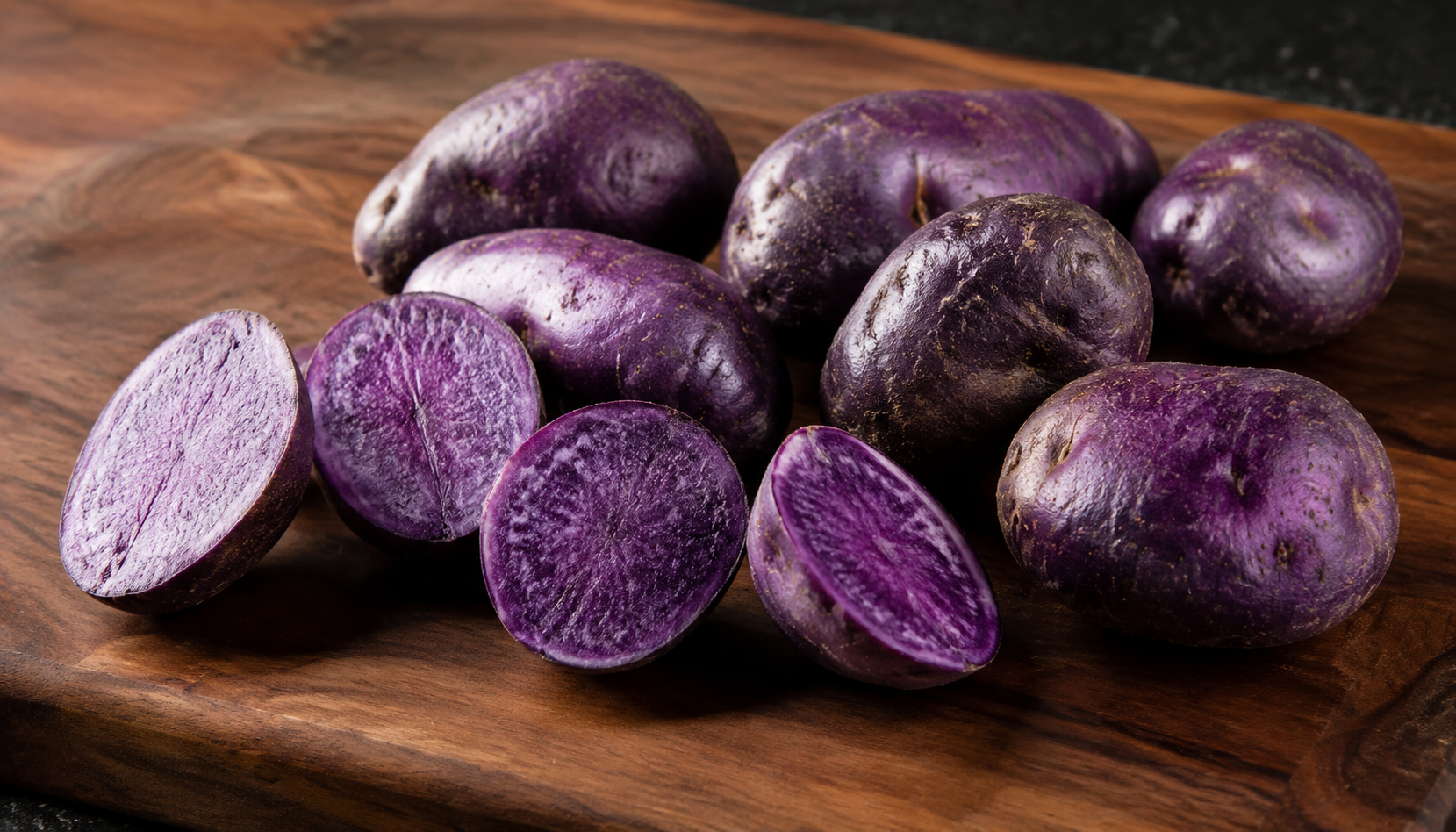
Lauren Manaker, M.S., a Registered Dietitian (RDN) and Licensed Dietitian (LD), explains the nutritional composition of this tuber. "The purple color comes from a high concentration of antioxidants—namely phenols, anthocyanins, and carotenoids—a powerful trio that helps rid the body of free radicals," explains the specialist.
The dietitian outlines the nutritional benefits of this food. "In addition, purple potatoes are a natural source of carbohydrates that provide fiber, vitamins, and unique antioxidants." Three small "baby" purple potatoes contain ninety calories, twenty grams of carbohydrates, and two grams of fiber, making this vegetable a valuable component of a balanced diet.
4. Sorghum
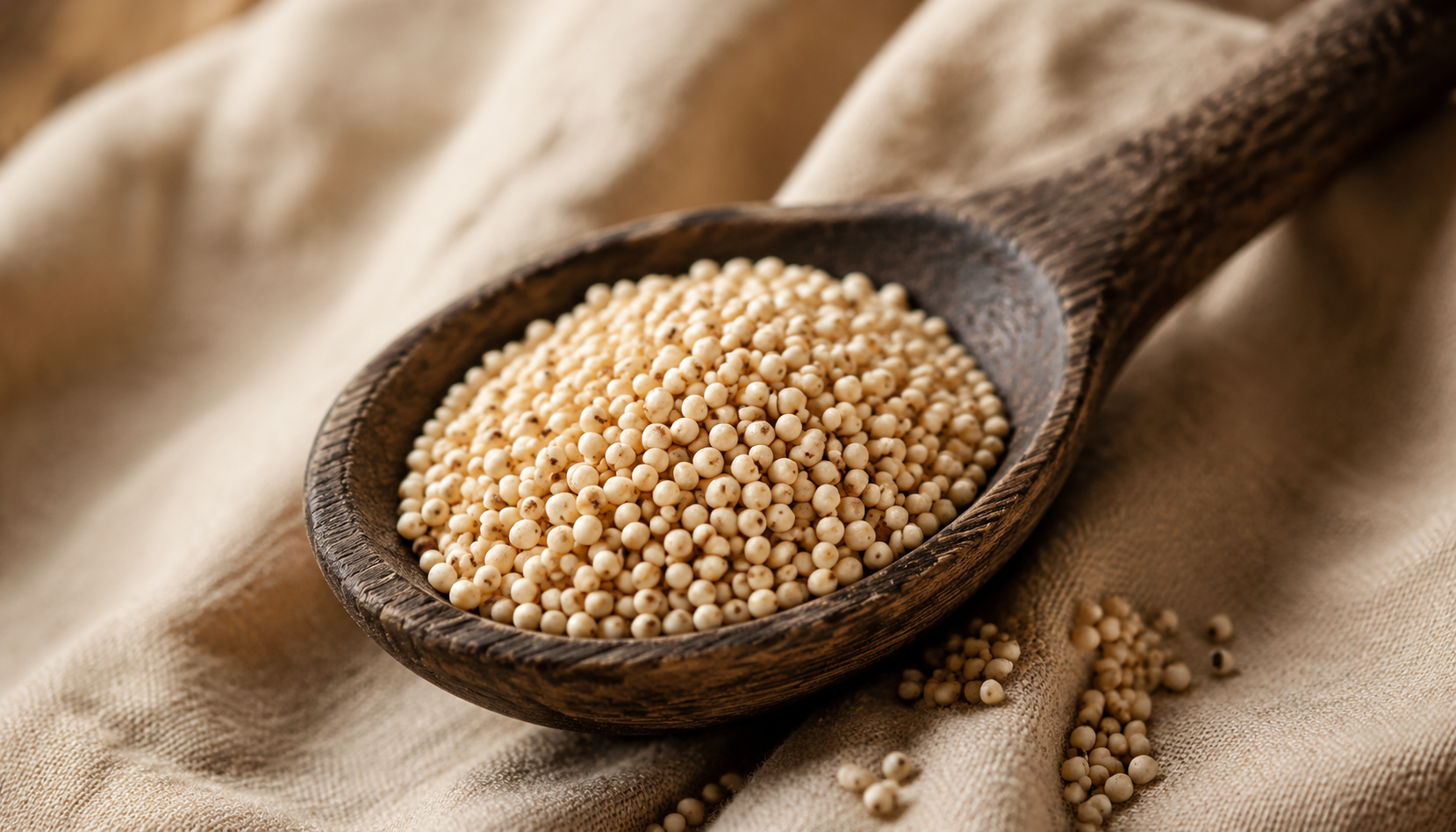
Quinoa, while popular, now shares the spotlight with a lesser-known ancient grain that boasts a remarkable nutritional profile: sorghum. “Sorghum is an ancient grain that is naturally gluten-free and contains bioactive compounds that provide anti-inflammatory effects,” notes Lauren Manaker.
Like the other foods on this list, research suggests that the antioxidants in sorghum—including phenolic acids and flavonoids—fight off foreign invaders and free radicals. The damage caused by these elements over time contributes to diabetes, inflammation, and other health issues.
5. Spelt
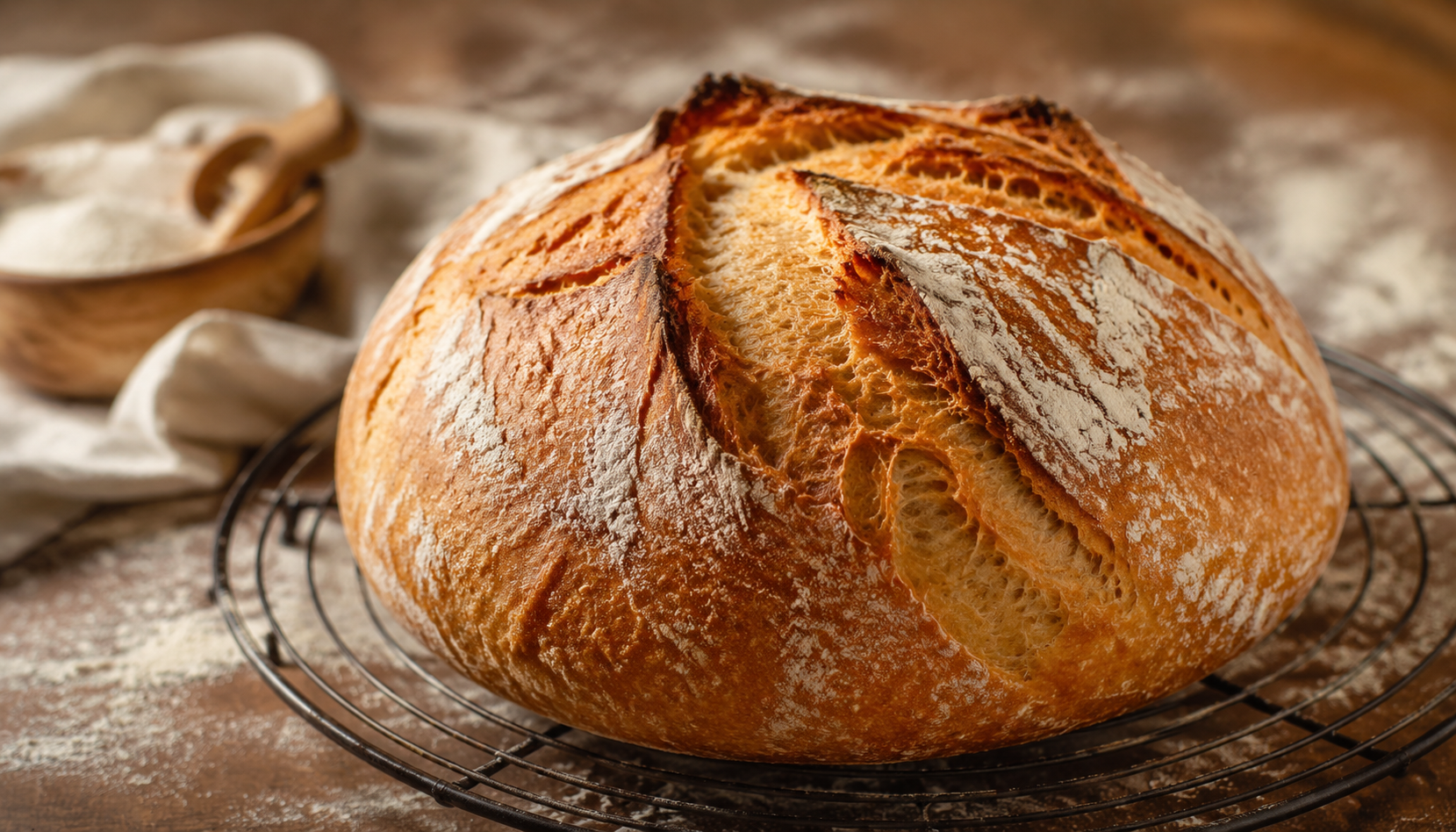
Spelt is an ancient cousin of wheat, widely used in German baking, according to Wendy Jo Peterson. The dietitian explains the composition of this grain. “It is lower in gluten than wheat flour, but it still contains gluten. Although spelt is not suitable for people with celiac disease, those with wheat intolerances can often tolerate spelt,” she explains. Individuals with intolerances should consult a healthcare professional before trying spelt.
The Mechanisms Linking Carbohydrates to Inflammation
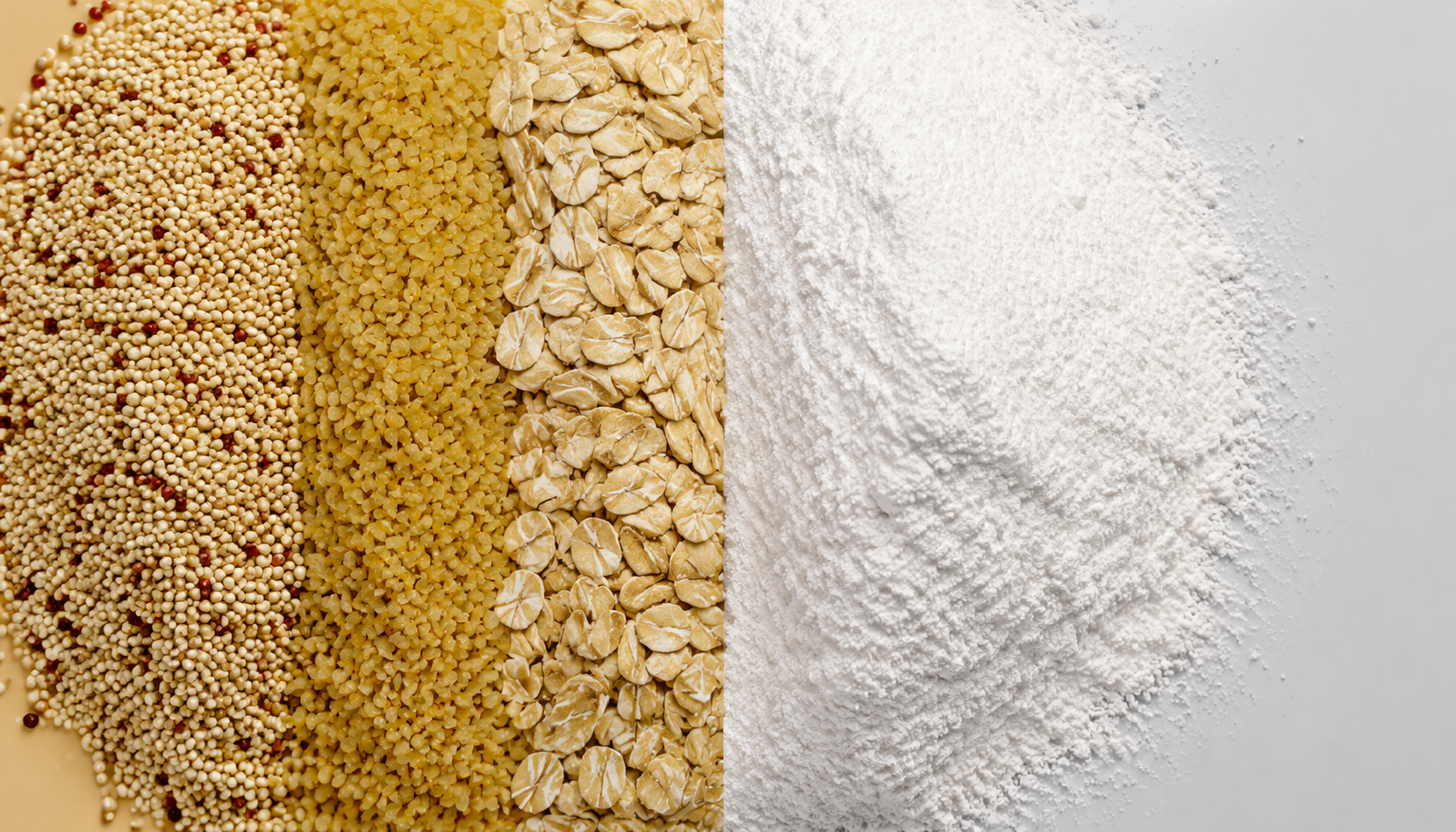
Certain carbohydrates do indeed contribute to inflammation, proving that not all foods in this category are created equal. Refined carbohydrates, made from refined white flour, are identified as the main culprits. This category includes crackers, pastries, cookies, white bread, and white pasta. There’s no need to completely ban these foods—no expert is here to act as a food police. The goal is to prioritize carbohydrates that research links to reduced inflammation. These options include whole grains such as buckwheat, oats, quinoa, and bulgur, as well as starchy vegetables like potatoes.
Source: eatingwell.com
These 5 Surprising Carbohydrates That Help Reduce Inflammation, According to Dietitians


