Skip to content

Summer Conditions and the Threat of the Tiger Mosquito
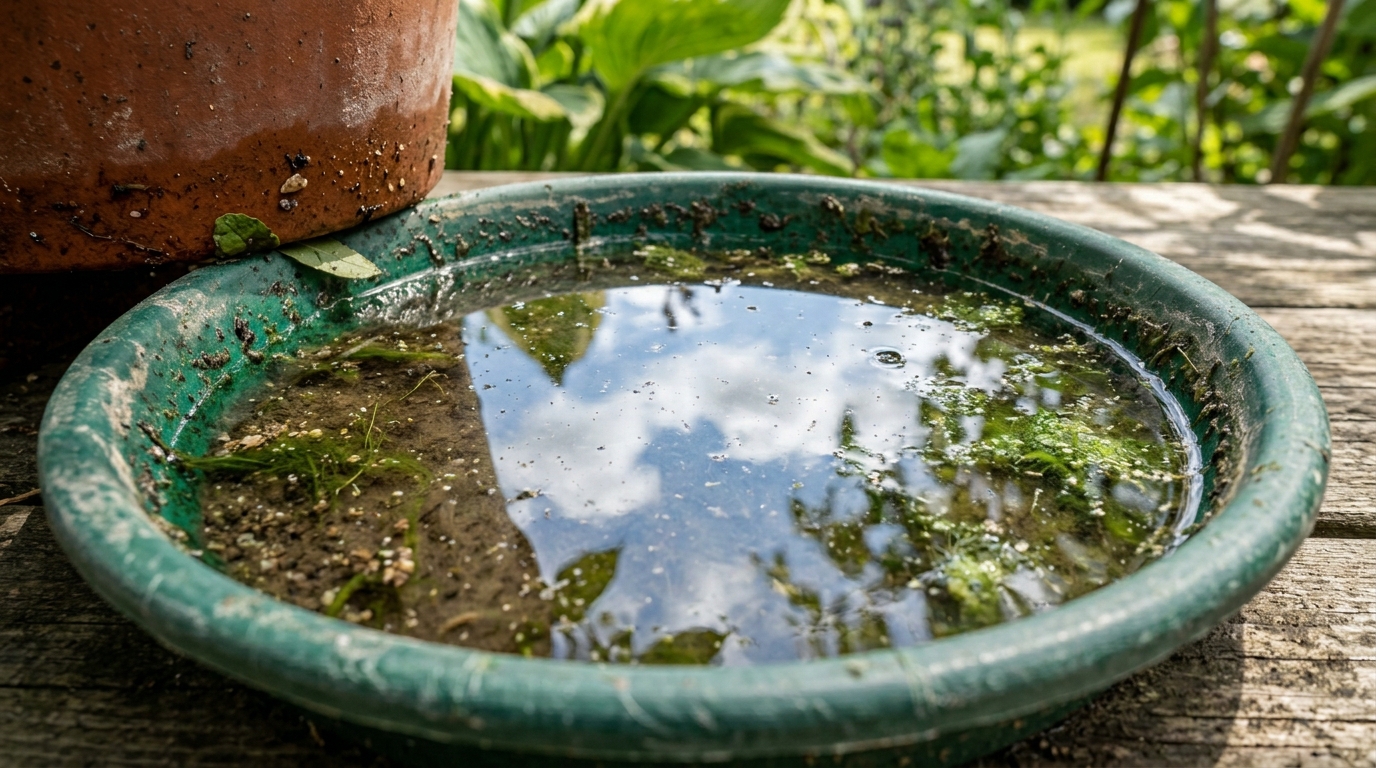
During the summer, gardens and patios are frequently used for pre-dinner drinks and long evenings. However, these outdoor moments are often interrupted by the arrival of mosquitoes, particularly the tiger mosquito. Rising temperatures due to heat waves fuel a surge in their numbers, which directly impacts outdoor activities.

The proliferation of these insects is a public health problem identified by the authorities. Even a small amount of standing water is enough to trigger an infestation in an outdoor space. In light of this situation, experts and public health agencies now recommend adopting a targeted prevention method that involves acting directly at the source to naturally limit the growth of mosquito populations.

The Inadequacy of Traditional Eradication Methods
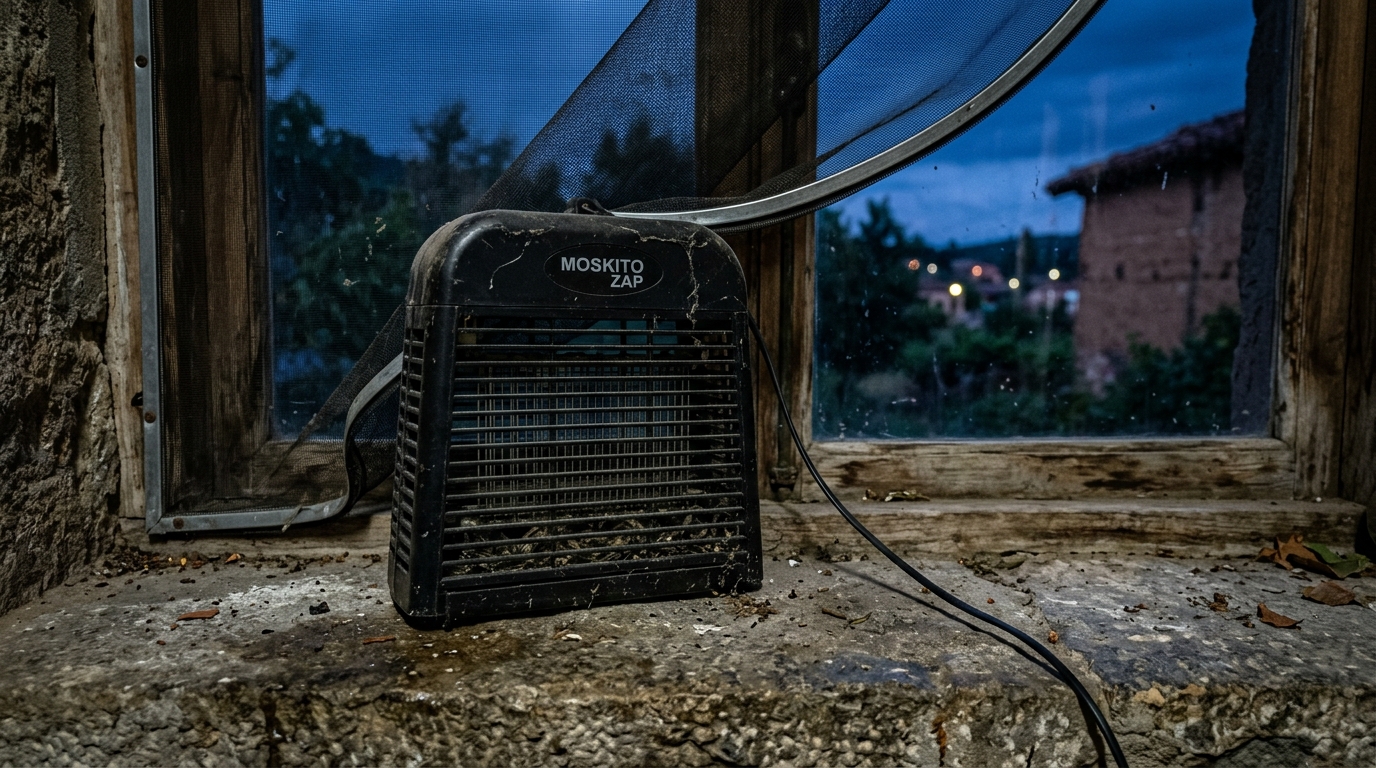
Until now, approaches touted as “miracle solutions” have focused primarily on repelling mosquitoes through one-off measures. The use of sprays, UV lamps, or other isolated measures was primarily aimed at driving away adult mosquitoes. However, without preventive action taken early on, mosquito nets or traps prove insufficient to counter the rapid egg-laying cycles—a phenomenon particularly pronounced in the tiger mosquito.

Experts highlight how quickly this species reproduces even under minimal conditions. According to experts, “just a few millimeters of standing water is enough to complete a generation in 7 to 10 days.” The risk of proliferation thus remains high from February through November. This risk intensifies further during heat waves, threatening any garden, patio, or even a simple saucer left outside.

The first step in this method: systematically cleaning up water sources
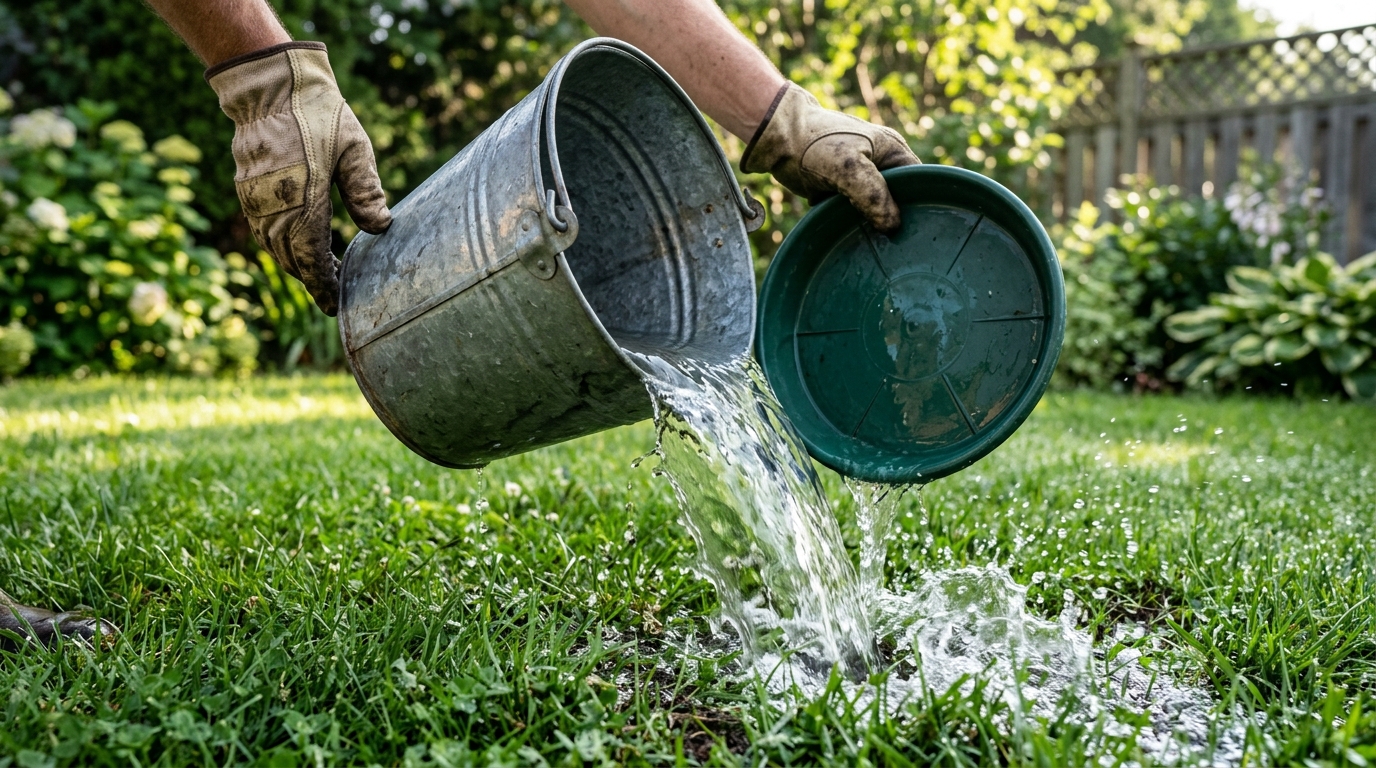
The strategy endorsed by experts is based on a comprehensive three-step approach, the first of which involves sanitizing all water sources. This involves regularly emptying all containers that might hold rainwater or irrigation water. This includes, in particular, saucers, buckets, watering cans, and protective tarps left in gardens.

In addition to small containers, this step requires increased monitoring of larger features such as fountains or ponds, which must be treated if necessary. Maintaining a healthy environment also involves regular upkeep of green spaces. It is recommended to trim grass and clear out gutters and drainage grates to prevent any hidden standing water.

Step Two of the Method: Introducing Natural Allies

The second phase of the control strategy involves incorporating plants known for their repellent properties. Experts recommend planting specific species in pots. The list of recommended plants includes lemongrass, lavender, scented geranium, rosemary, basil, peppermint, calendula, and lemon balm. These plants help create an olfactory environment that discourages mosquitoes from settling in.

To complement the effects of these plants, natural products can be used. Diffusing specific essential oils outdoors is an option endorsed by specialists. In small, wind-protected areas, citronella candles are also recommended as a useful supplementary tool for repelling insects.

Step 3 of the method: Strengthening physical and chemical barriers
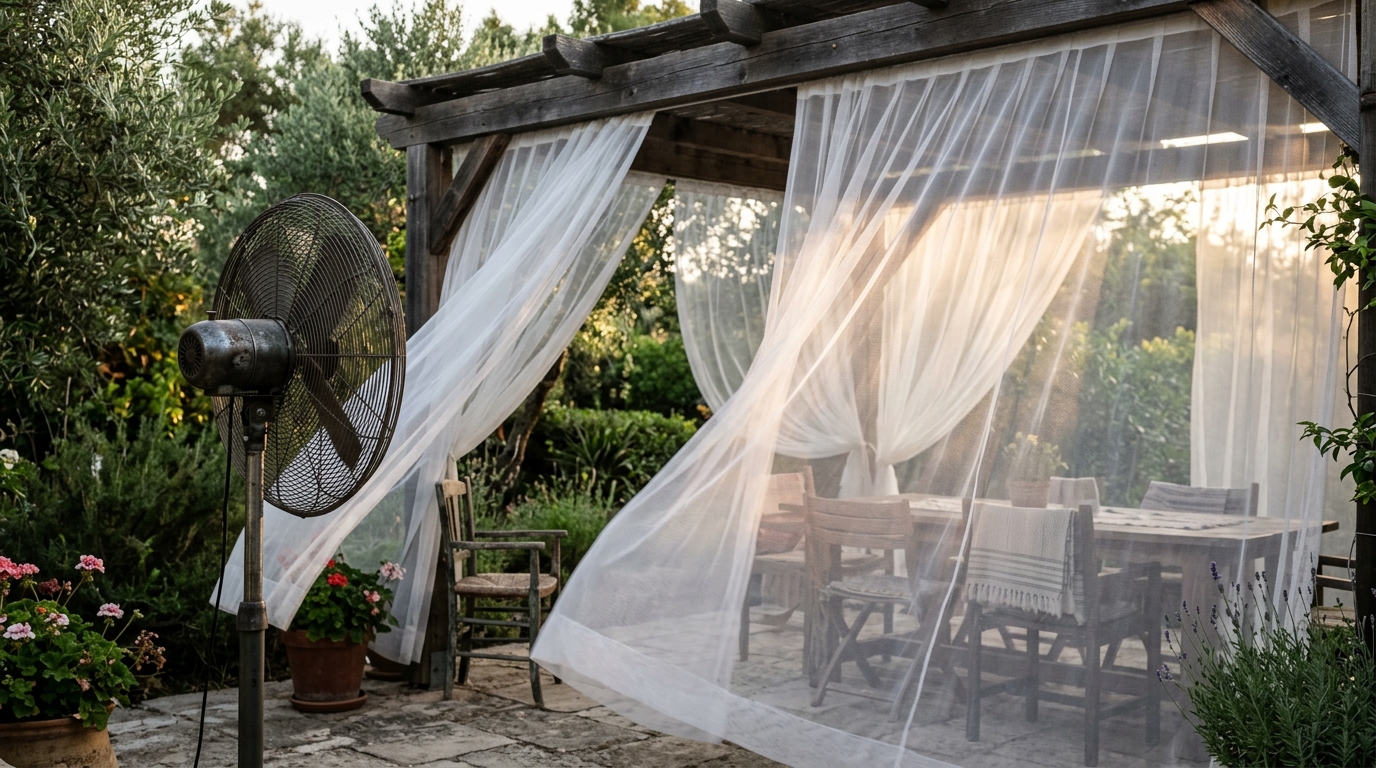
The third pillar of the method involves deploying physical barriers and using appropriate protective measures. Installing mosquito nets and insect screens on doors, windows, or pergolas helps block access to living spaces. The use of outdoor fans is also recommended, as the airflow they generate disrupts mosquitoes’ flight during outdoor meals.

Regarding direct protection and area treatment, recommendations include the use of appropriate sprays, to be applied to vegetation early in the morning or in the evening. For application to the skin during summer evenings, the World Health Organization (WHO) recommends skin repellents containing DEET, icaridin, or IR3535. Finally, the use of CO₂ traps is specifically recommended for treating large gardens.

Daily Implementation and Seeking Professional Help
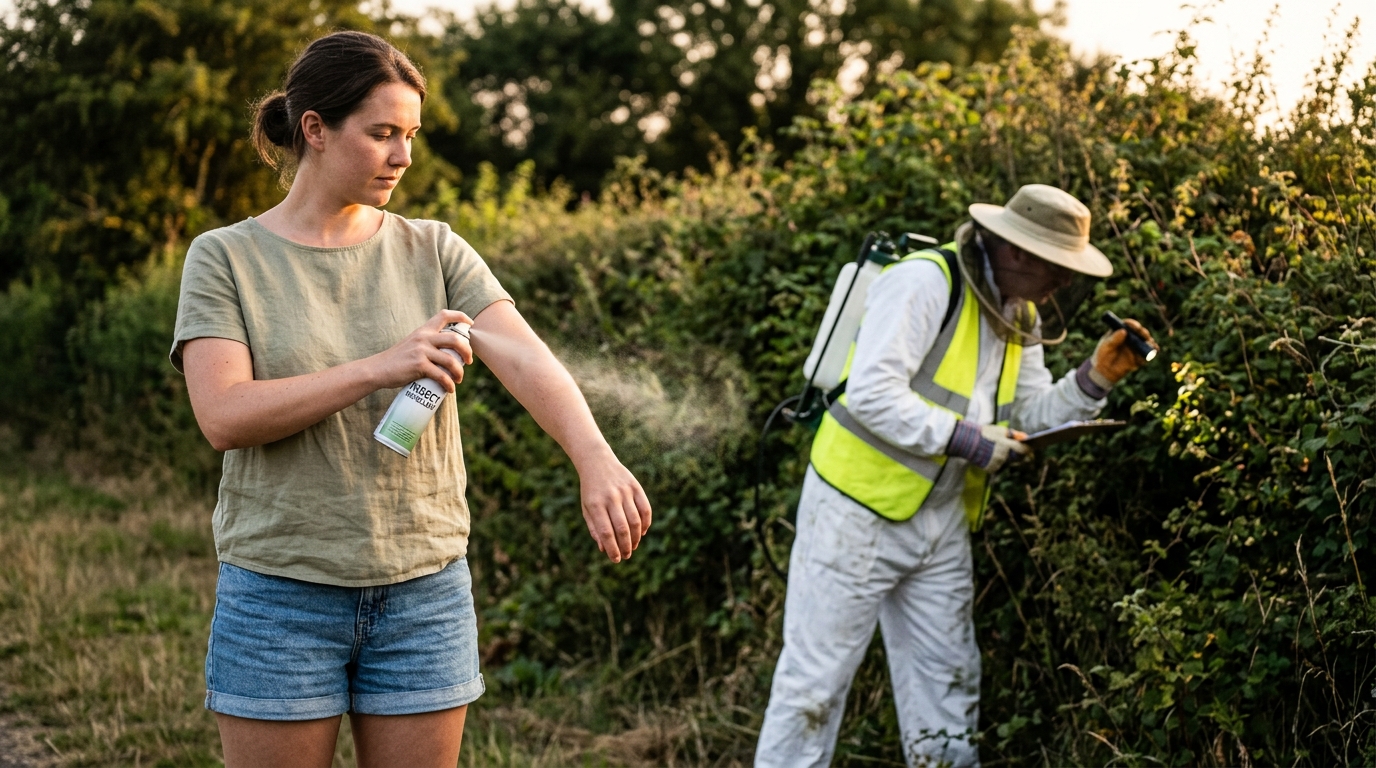
Putting these recommendations into practice requires a routine of simple actions on the part of every household. This involves emptying water from plant saucers after every rainstorm, avoiding leaving objects lying around in shaded areas, and strategically placing pots of lavender or citronella on patios. In the evening, applying a natural repellent to the skin and using a fan properly can significantly reduce the number of mosquitoes while dining outdoors.

Combining these steps limits the number of bites and restores peace of mind during summer evenings, without the need to routinely use chemical solutions. However, when the garden is experiencing a confirmed and massive infestation of tiger mosquitoes, individual measures reach their limits. The intervention of a professional mosquito control specialist is then necessary to permanently rid the area of mosquitoes.

Precautions and Outlook on Collective Control Efforts

Combining these three steps—preventing standing water, introducing repellent plants, and using physical barriers or recommended repellents—is the surest way to enjoy the outdoors throughout the summer, even during heat waves. Conversely, the effectiveness of ultrasonic devices has not been corroborated by any of the studies available to date, which significantly limits their practical relevance in the field and demonstrates that they cannot replace targeted preventive measures.

Controlling the proliferation of mosquitoes remains fundamentally a collective challenge. Eradication and prevention require continuous vigilance and regular engagement from the entire neighborhood. Staying informed about the insect’s reproductive cycles and prioritizing the use of environmentally friendly solutions are among the essential measures for ensuring the health and safety of outdoor spaces.

Source: passeportsante.net

Mosquito Prevention and Control: Experts’ Recommendations for Summer

facebook icon twitter icon linkedin icon
Copied!

Comments

0 0 votes
Article Rating
Subscribe
Notify of
guest
0 Comments
Newest
Oldest Most Voted
Inline Feedbacks
View all comments
More Content