

A New Approach to the Perception of Time
However, this appealing explanation may mask a far more complex reality. For decades, scientists have relied on a single metric to compare time perception in animals: the critical fusion frequency of flickering light—the speed at which a flickering light blurs to form a continuous glow. This threshold has thus become the gold standard in the field.
However, a new scientific study argues that this measure captures only a tiny fraction of visual processing and has quietly misled researchers for years. Ishan Singhal, a postdoctoral researcher at the University of Sussex, and his colleagues propose a broader approach they call the “temporal landscape,” which defines how a creature’s perceptions are assembled and updated as the world changes.
The Five Measurable Dimensions of the Temporal Landscape
Ishan Singhal’s team divides this temporal landscape into five distinct and measurable elements, each functioning as a window that can be tested in the laboratory. The first of these windows observes how an animal connects separate visual and auditory elements to form a single moment, while a second measures how quickly new information overwrites the information that preceded it just a moment ago.
The third criterion assesses how long attention remains focused on a specific object. The fourth window, meanwhile, examines the persistence of an image in the animal’s mind after the object itself has disappeared from its field of vision.
Filling in the Missing Information: The Example of Sounds
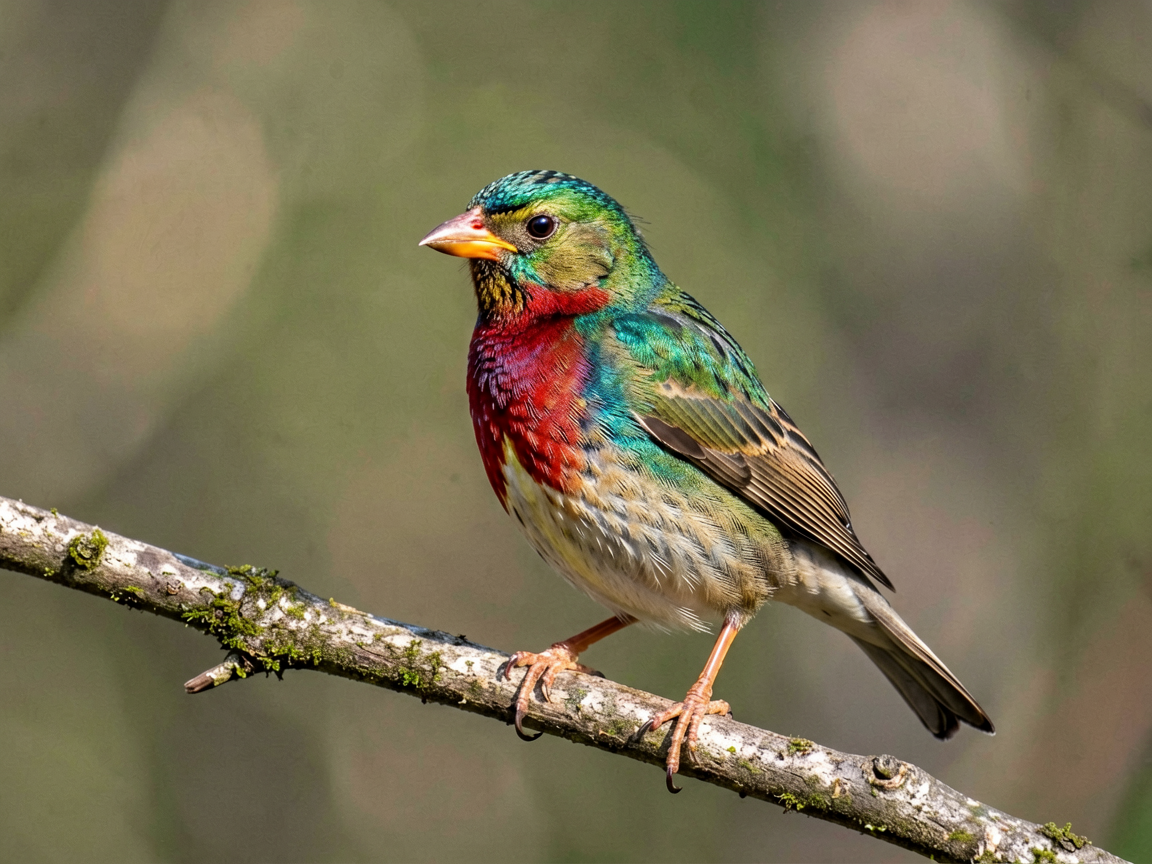
Contrary to expectations, the animals reacted as if the noise interference didn’t exist, responding to the call naturally. Their auditory system appears capable of filling in the gaps, much like how a human can reconstruct a word masked by a sudden cough during a conversation.
Optical Illusions and Visual Deceptions Across Species
Vital implications for coexistence with wildlife
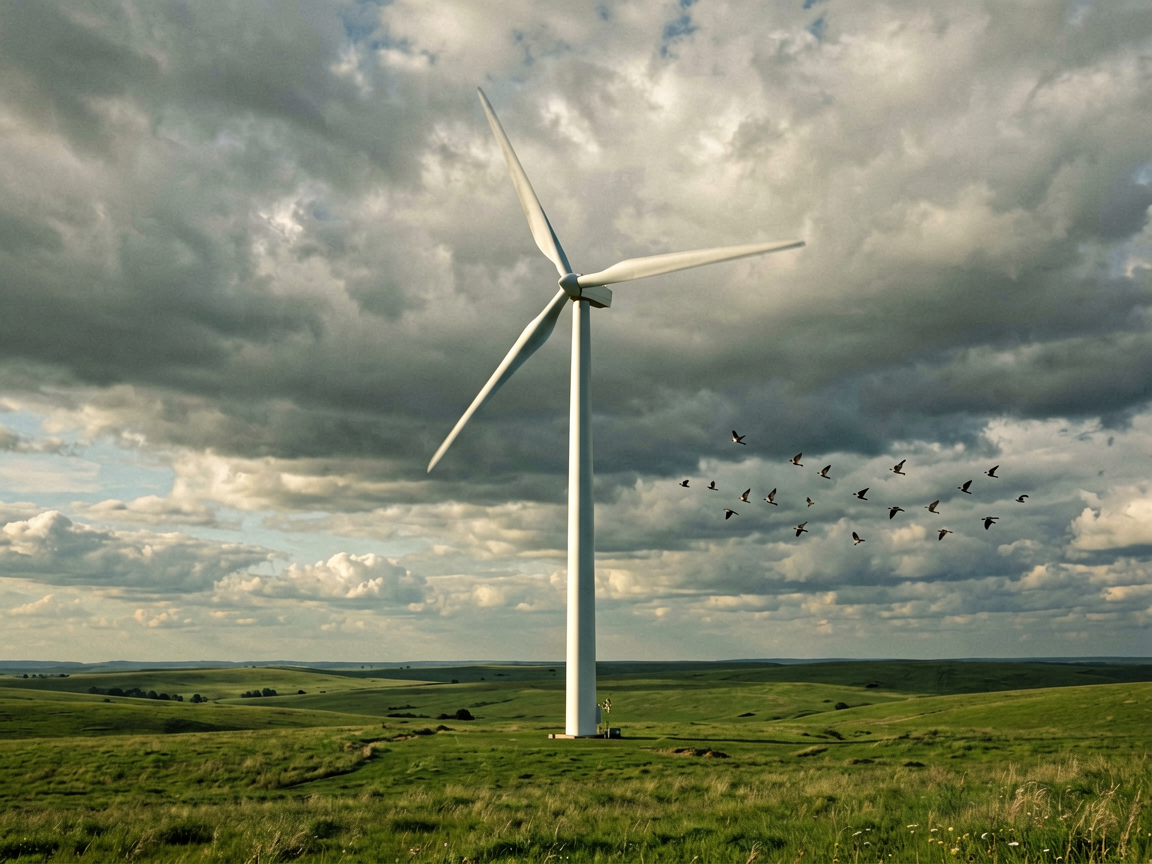
This same logic applies wherever wildlife and human-made machinery share a territory. A creature’s attention span or visual persistence determines what it is capable of dodging or pursuing. Until now, however, engineers and designers had very little data of this kind to adapt their infrastructure to animals’ actual capabilities.
Source: earth.com
Animals may perceive time differently than humans


