

Scientists are creating a genetic dictionary that could revolutionize the future of medicine


A Groundbreaking Genetic Atlas Set to Revolutionize Regenerative Medicine
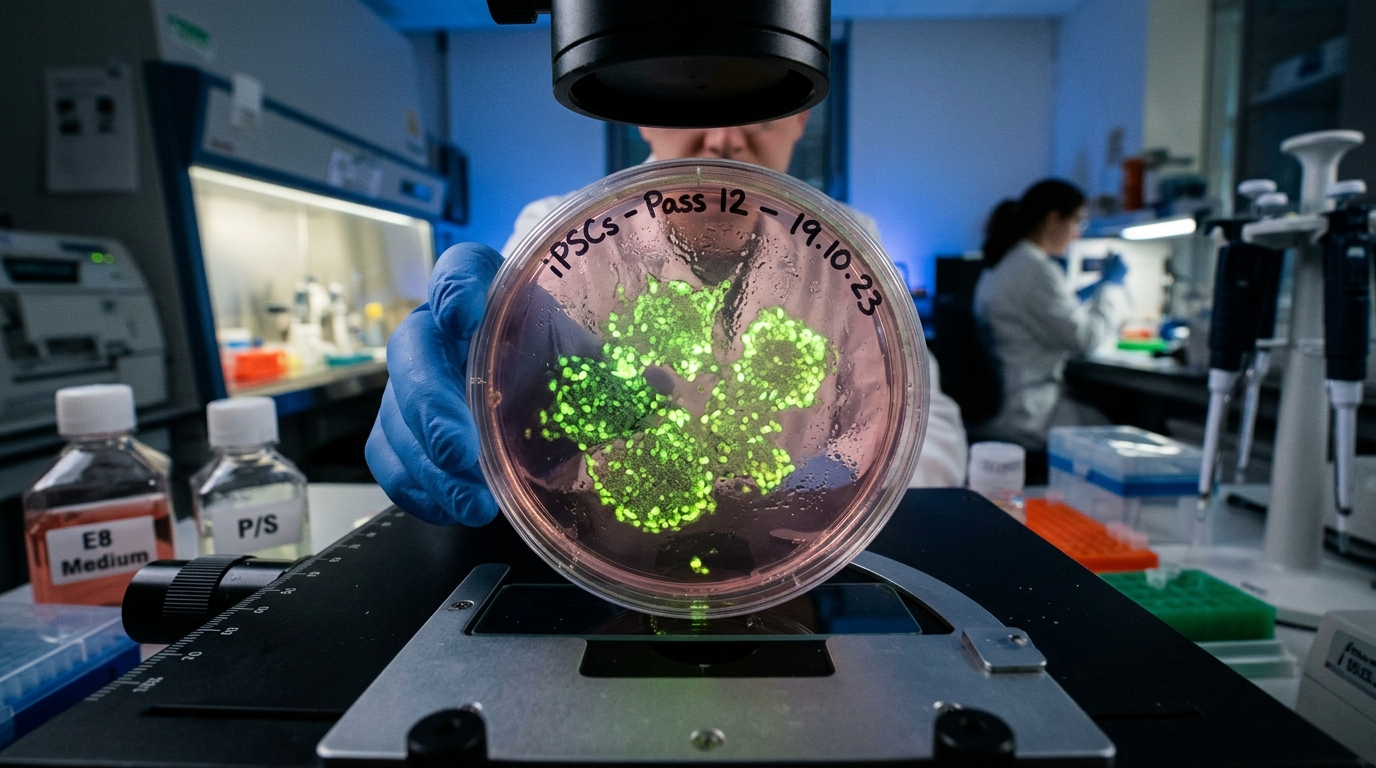
Understanding the human body at its most fundamental level requires much more than simply knowing the list of genes we carry. It is just as crucial to observe how these genes actually function—turning on and off to shape the cells that build our tissues and organs. Until now, progress in this understanding has been slow due to a biological complexity that exceeded the capabilities of available tools.
From the Legacy of the Human Genome Project to Dynamic Genetics
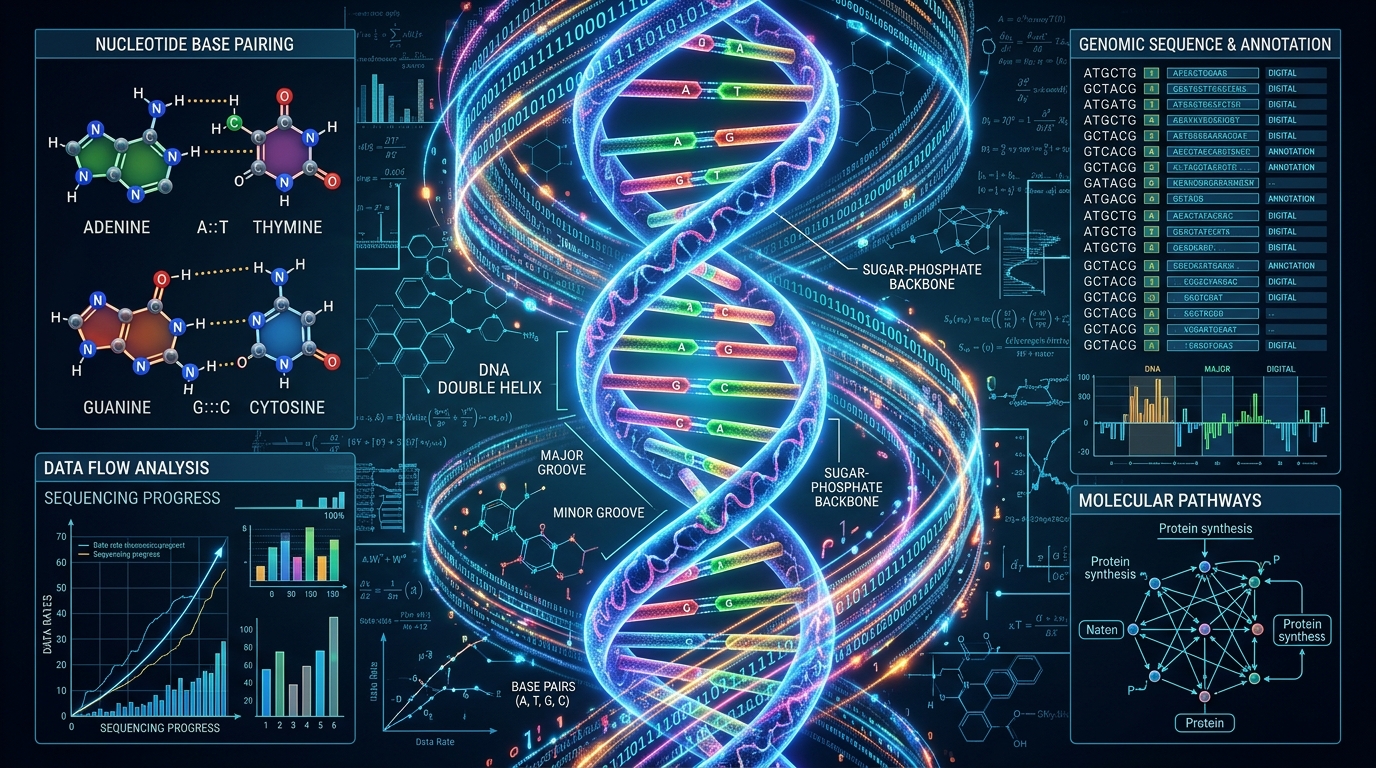
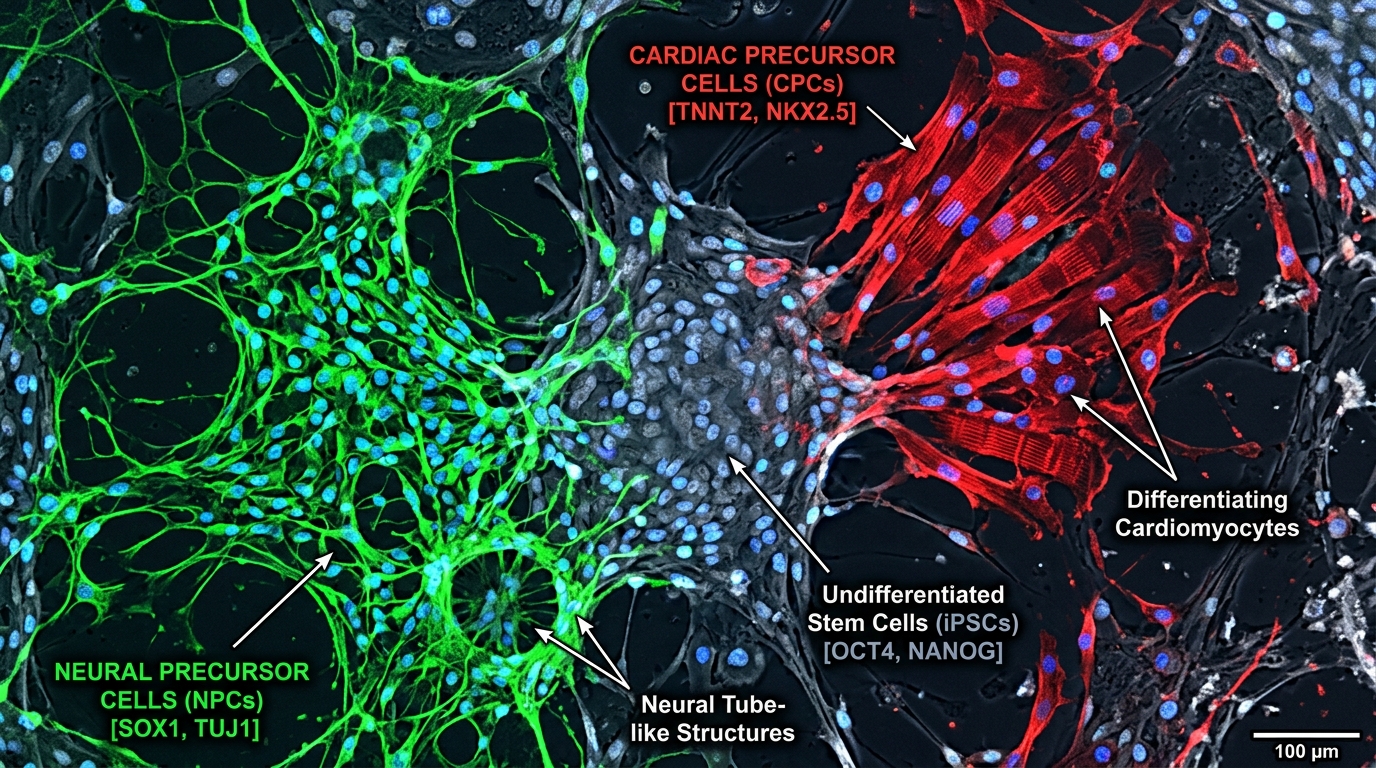
The Strategic Role of Induced Pluripotent Stem Cells
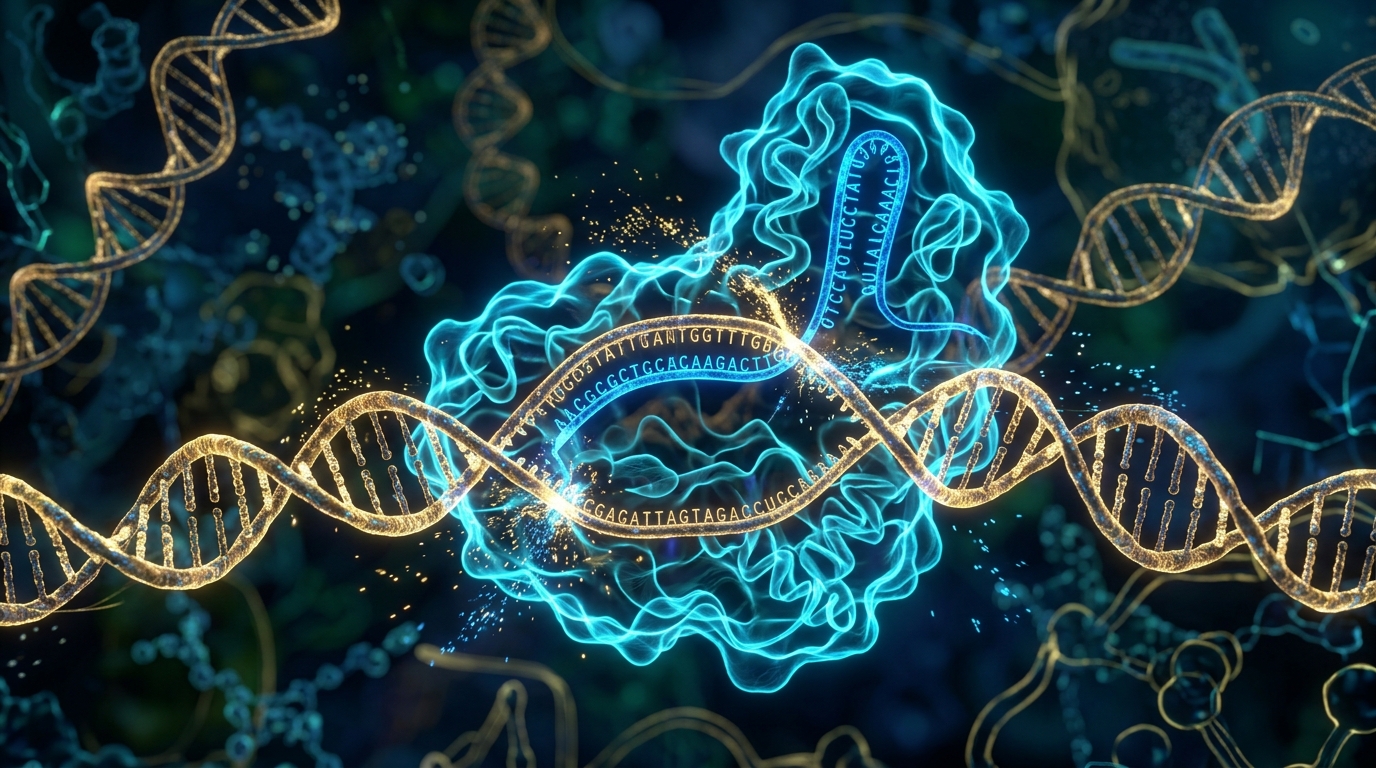
An experimental breakthrough based on CRISPRi technology
An open-access “hypothesis engine” for the scientific community
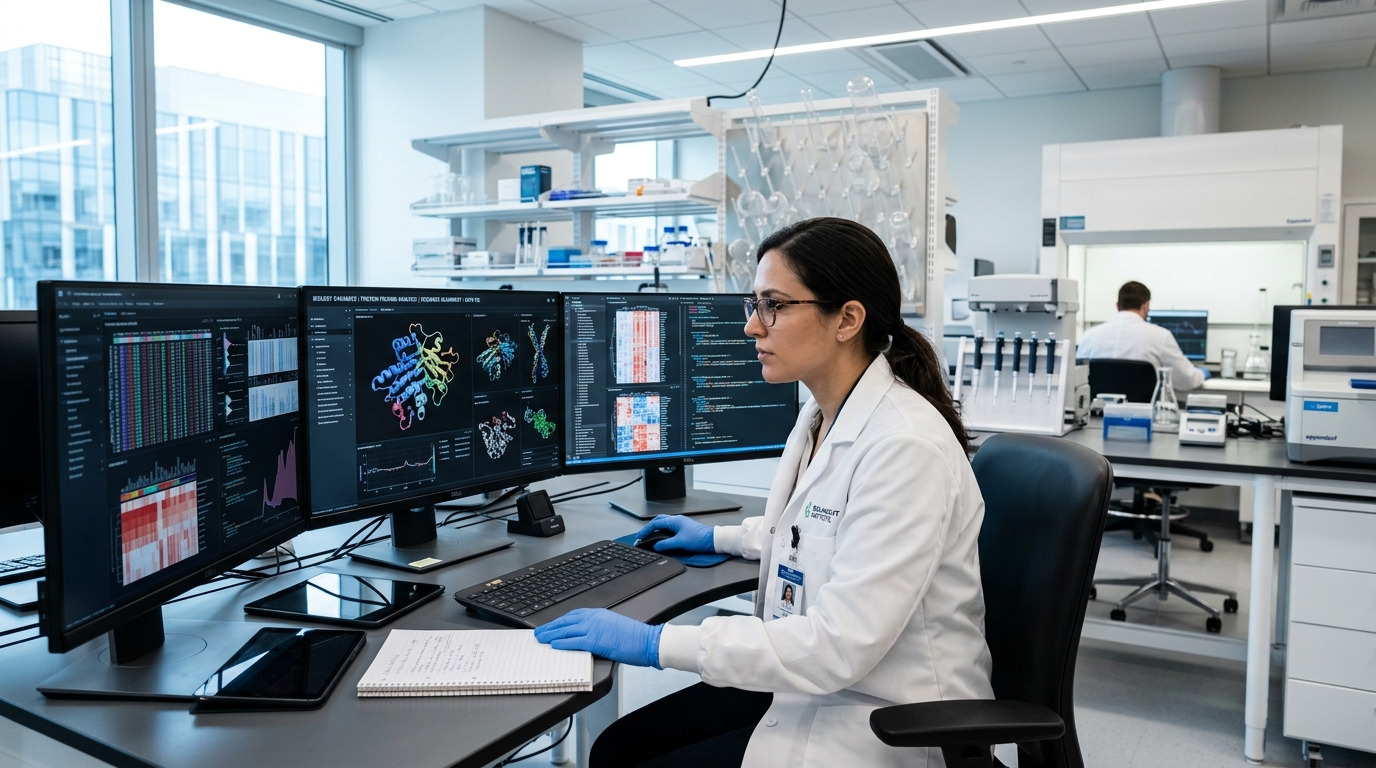
“The map we’ve generated acts as a hypothesis engine: it’s a starting point for understanding what a given gene does and which genes might be worth targeting to steer differentiation toward cellular states of interest,” explained Yesh Doctor, a Ph.D. student at UCSD and co-first author of the study. “Scientists can use it to look up gene functions and formulate hypotheses, rather than having to conduct the experiments themselves.”
For his part, Prashant Mali, a researcher at UCSD, highlighted the tool’s scope: “The result is a kind of reference atlas. It’s a way to verify what disrupting almost any gene does to a stem cell’s behavior, measured here by the impact on its entire transcriptome.”
Practical Applications for Tomorrow’s Therapies
Source: popularmechanics.com
Scientists are creating a genetic dictionary that could revolutionize the future of medicine
