Skip to content

A structure submerged beneath the waters of Lake Iznik
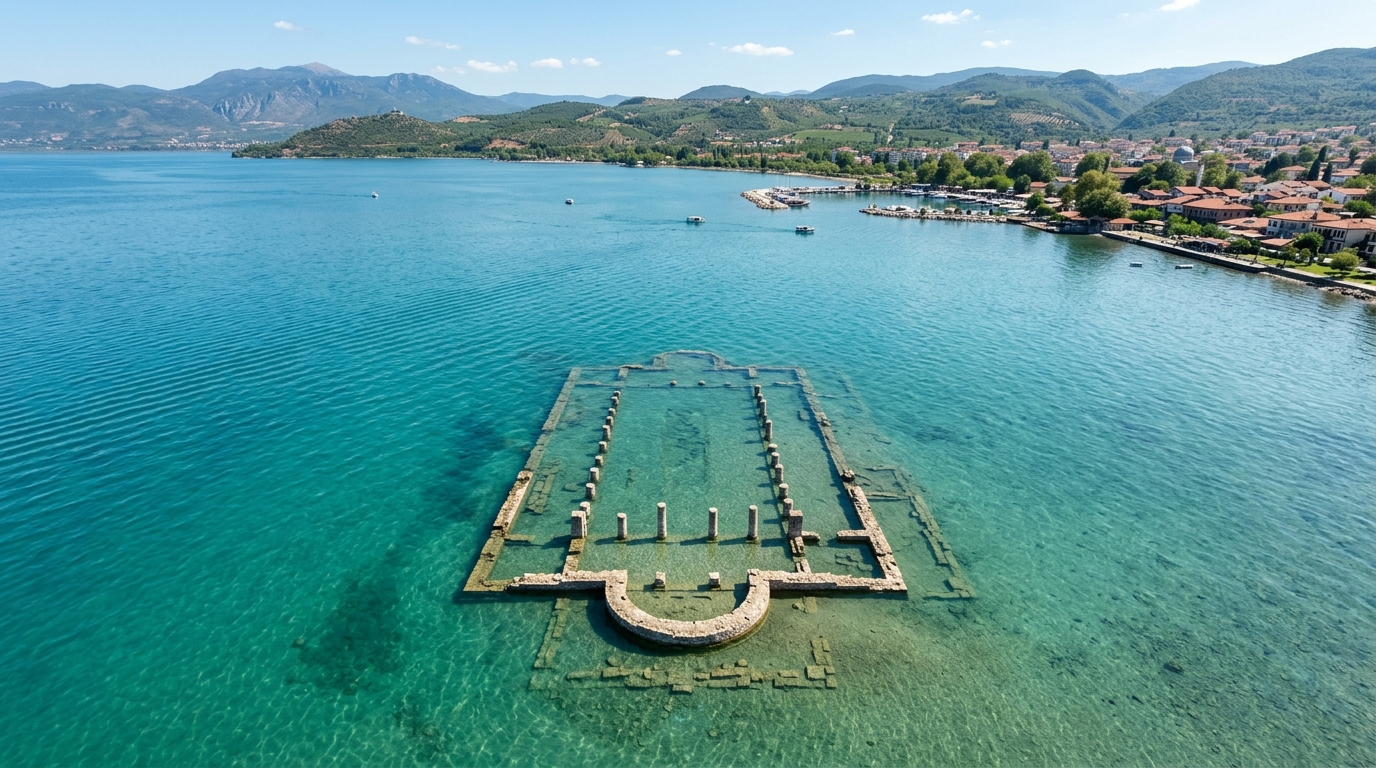
For nearly 1,700 years, the exact location of one of Christianity’s most seminal events has remained an unsolved mystery for historians. Recent research conducted in Turkey now sheds new light on this centuries-old quest, as revealed by archaeological work carried out on the shores of the ancient city of Nicaea, now known as Iznik.

Everything changed in 2014, when an aerial photograph captured the silhouette of an ancient basilica submerged beneath the lake’s surface. This visual discovery immediately triggered a wide-ranging scientific investigation to determine whether this submerged building might be the historic place of worship mentioned in ancient manuscripts.

The Historical and Theological Significance of the Council of 325
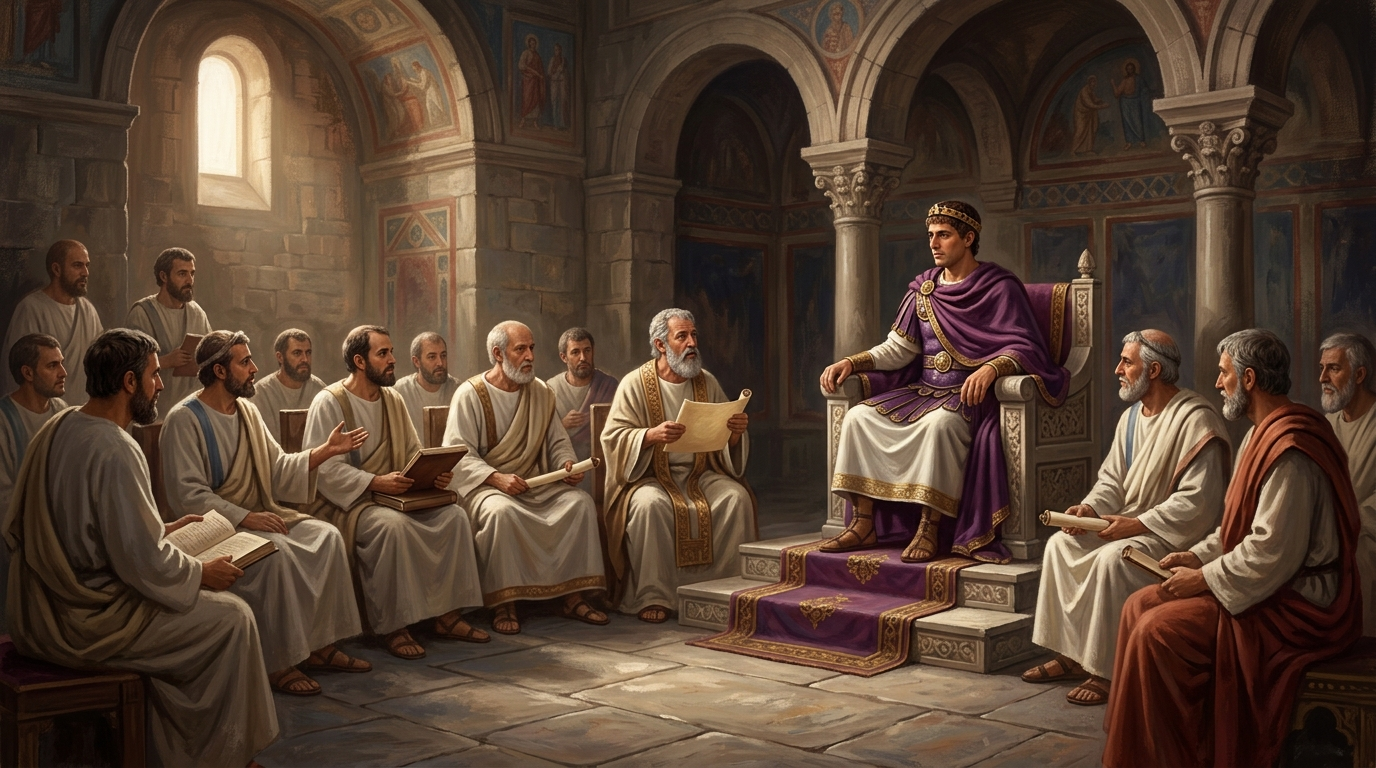
In the year 325 CE, Emperor Constantine I summoned the leaders of the early Christian Church to what became known as the First Council of Nicaea. This pivotal event aimed to establish doctrinal consensus and draft the Nicene Creed, a foundational text intended to unify the faith. Approximately 300 bishops, whose travel expenses were fully covered by the emperor, also debated the Arian heresy, which raised the question of whether Christ was a created being.

One of the participants and chroniclers of the time, Eusebius of Caesarea, recorded details about this host building. According to his writings, “the church was so small that the fact that so many members of the clergy could gather there was a great miracle of God.” For centuries, the exact location of this site remained a mystery. Some scholars favored the theory that it was Constantine’s summer palace, while others favored the hypothesis that it was an actual church, based on historical accounts.

When the buried structure was located, the initial enthusiasm was initially met with chronological disappointment. Dating of a layer of stone from the basilica revealed that it was younger than the year 325, seemingly ruling out the site. However, not all of the secrets of the ground had yet been revealed.

The Clue of the Wooden Elements and the Initial Excavations
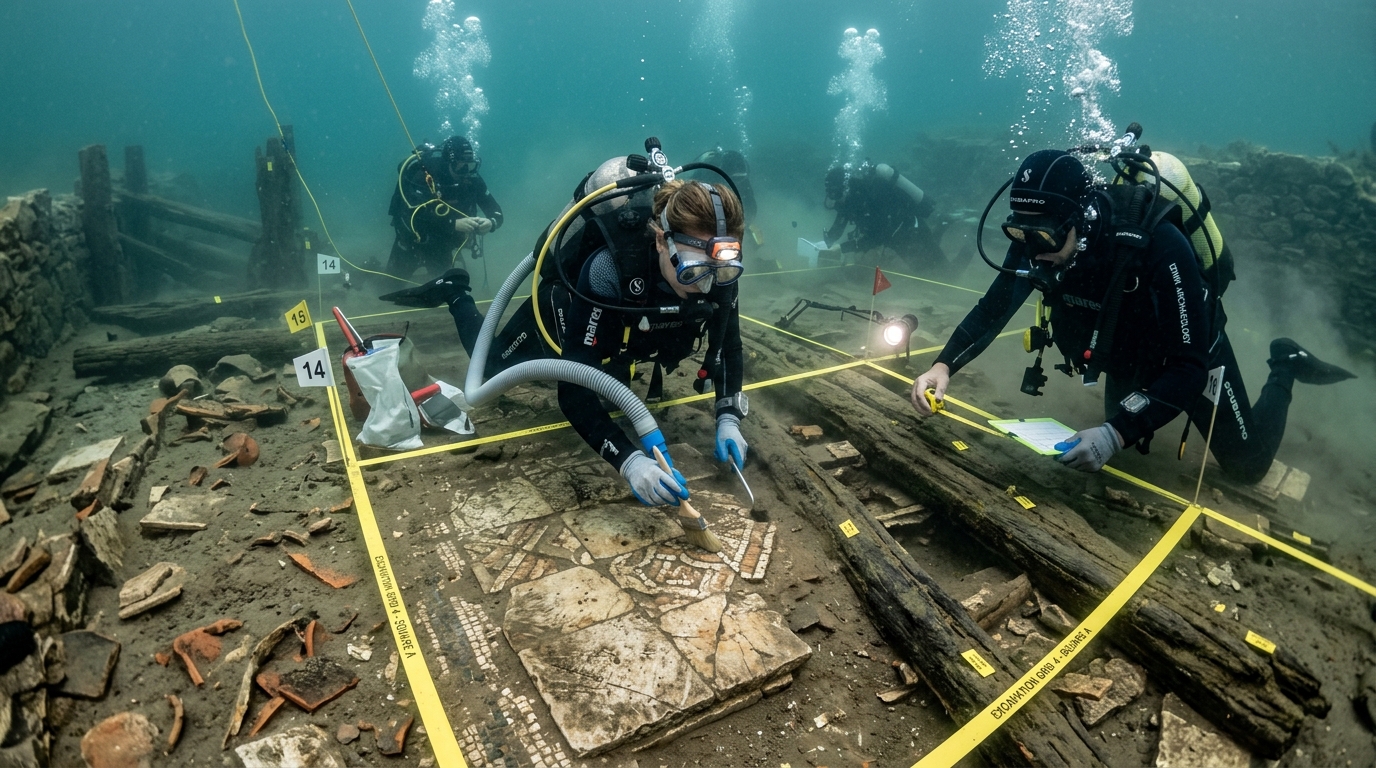
As soon as the archaeological excavations began in 2015, researchers focused their efforts on the wooden structural elements. In a storage area reserved for liturgical objects, a very distinctive section of the floor immediately caught the experts’ attention.

By extending a trench eastward, beyond the visible walls of the basilica, the archaeologists discovered that this flooring extended outside the building. This continuity provided definitive proof of an earlier construction phase, buried beneath the more recent stone structure.

The Rediscovery of the Church of Saint Neophytus
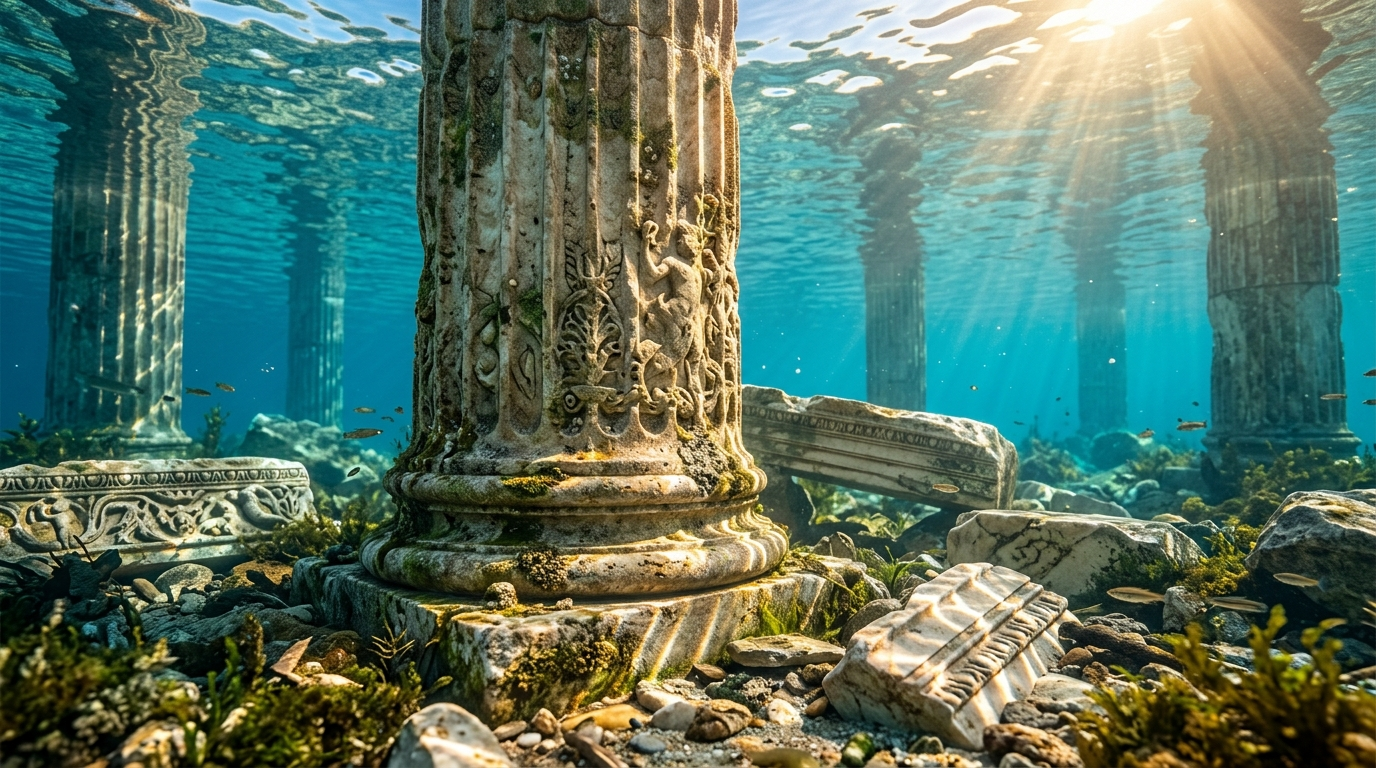
Subsequent research uncovered sections of wall, floor paving, and the base of an ancient column. The scientific team led by Professor Mustafa Sahin of Bursa Uludag University identified these remains as those of the Church of Saint Neophytus, upon which a more imposing basilica was later built.

Historical records indicate that the original Church of Saint Neophytus was destroyed during a violent earthquake in 368 CE. As researcher Mustafa Sahin told Turkiye Today, the oldest structure corresponds to the Church of Saint Neophytus, while the building above it represents the Church of the Holy Fathers, erected after 380 CE to honor the clergy who participated in the famous council.

Eleven years of excavations and artifacts steeped in history
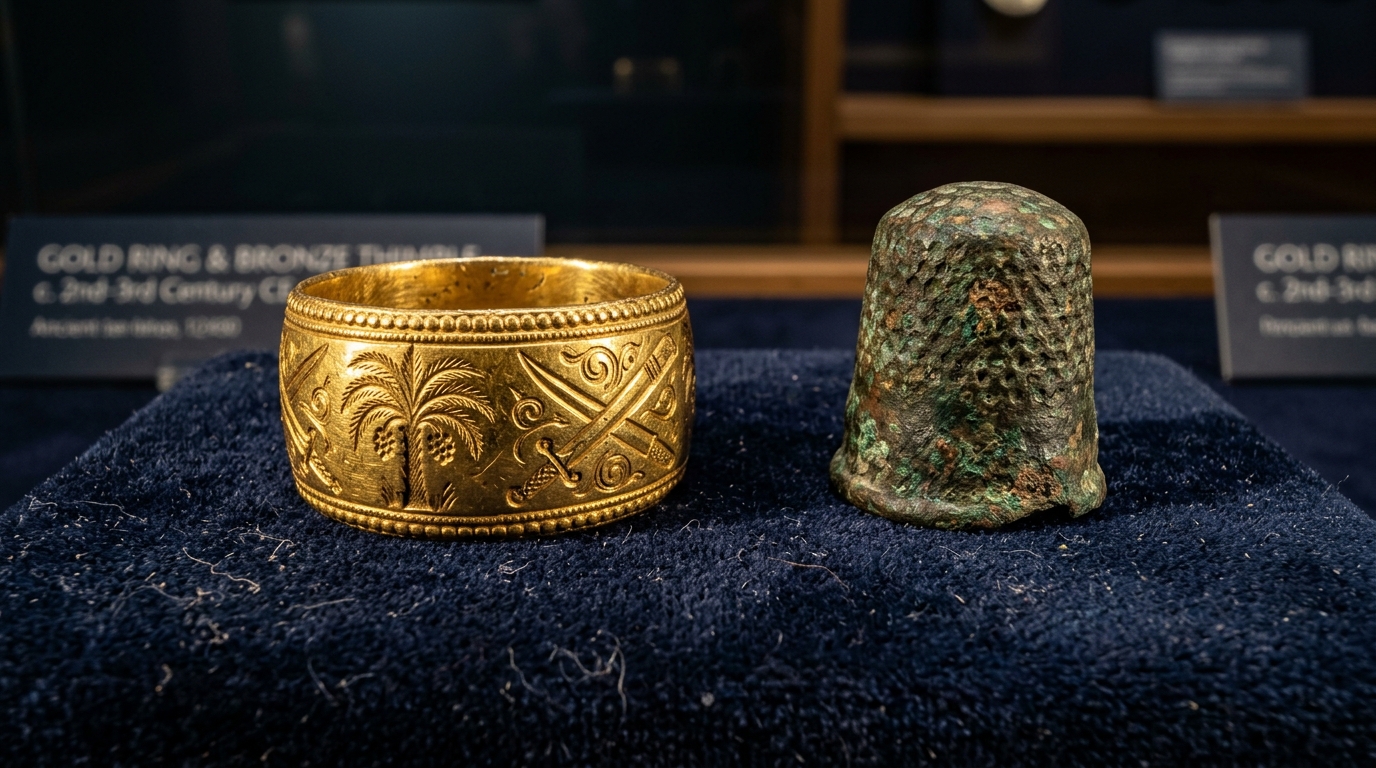
These excavations, which have been ongoing for eleven years, have also uncovered several graves that have helped to precisely date the various phases of occupation at the site. Among the most remarkable material discoveries are a gold ring adorned with palm tree and sword motifs, as well as a bronze thimble.

These artifacts date to the period when the city of Iznik was besieged by the Umayyads in the year 729. Historians already knew that an Umayyad commander had entered the Church of the Holy Fathers during this episode, although the city itself successfully resisted capture. Each excavation thus adds another piece to the puzzle of reconstructing the complex history of the First Council of Nicaea and its lost sanctuary.

Source: popularmechanics.com

Archaeologists may have discovered one of the most important churches in Christian history

facebook icon twitter icon linkedin icon
Copied!

Comments

0 0 votes
Article Rating
Subscribe
Notify of
guest
0 Comments
Newest
Oldest Most Voted
More Content