

Did the asteroid that killed the dinosaurs create the tuna? The reality is much more complex


The Mystery of Warm-Blooded Fish and Their Presumed Role in the Mass Extinction

When we think of a warm-blooded animal, the first images that come to mind are usually those of a cow, a dog, or an elephant. However, the tuna belongs to an extremely rare category in the marine world. Endothermy—that is, the ability to maintain a high body temperature through heat generated by muscles—remains a rare trait among the 33,000 species of fish recorded on the planet. This ability gives tuna superior muscular efficiency and allows them to maintain a high cruising speed over immense distances.
An evolutionary timeline spanning tens of millions of years
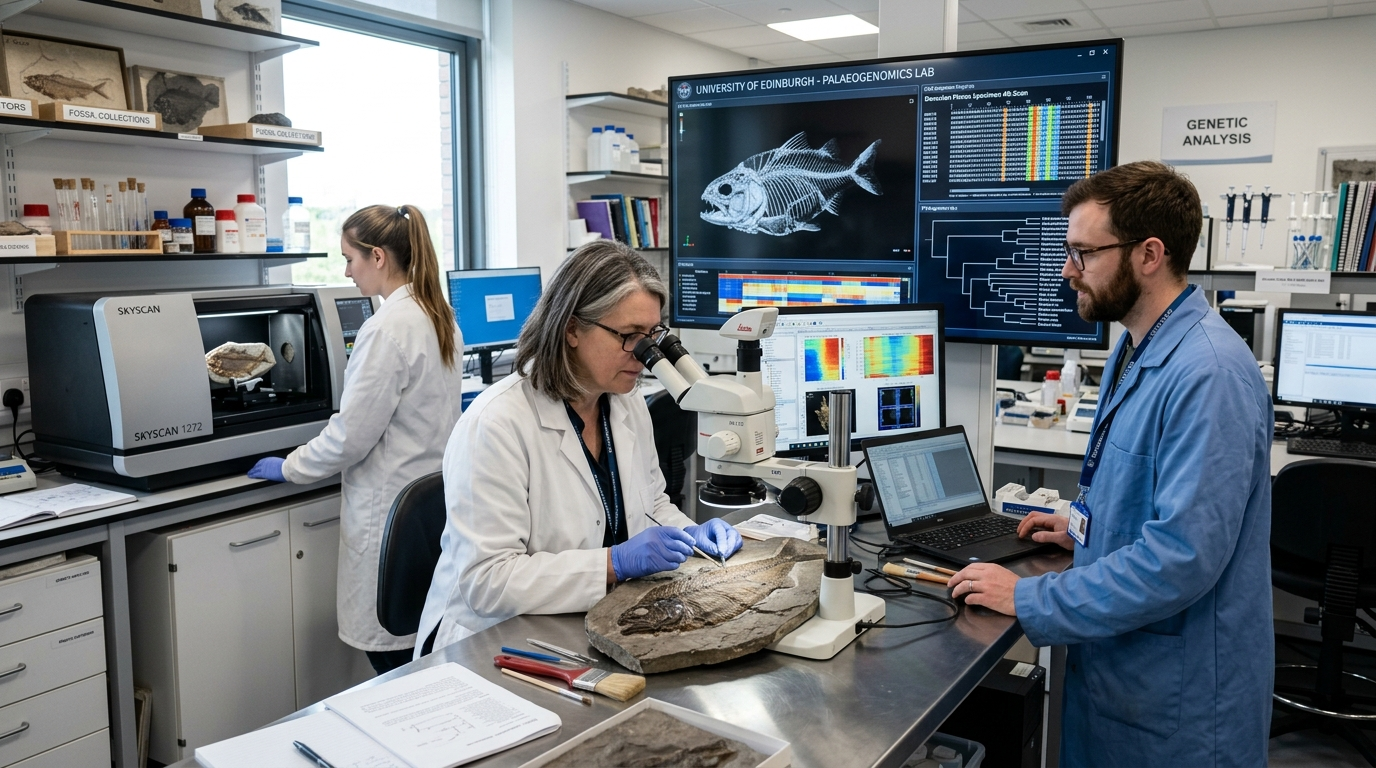
A recent study published in the journal Proceedings of the Royal Society B suggests that the previously accepted timeline does not align with actual biological data. According to Chase Brownstein, a researcher at Yale University, science too often tends to attribute direct, narrative explanations to the emergence of complex traits. "In our eagerness to explain the evolution of every biological trait, we biologists have relied on simplistic stories about how they arose," he explains to IFLScience.
The phenomenon of exaptation and the decoupling of biological traits
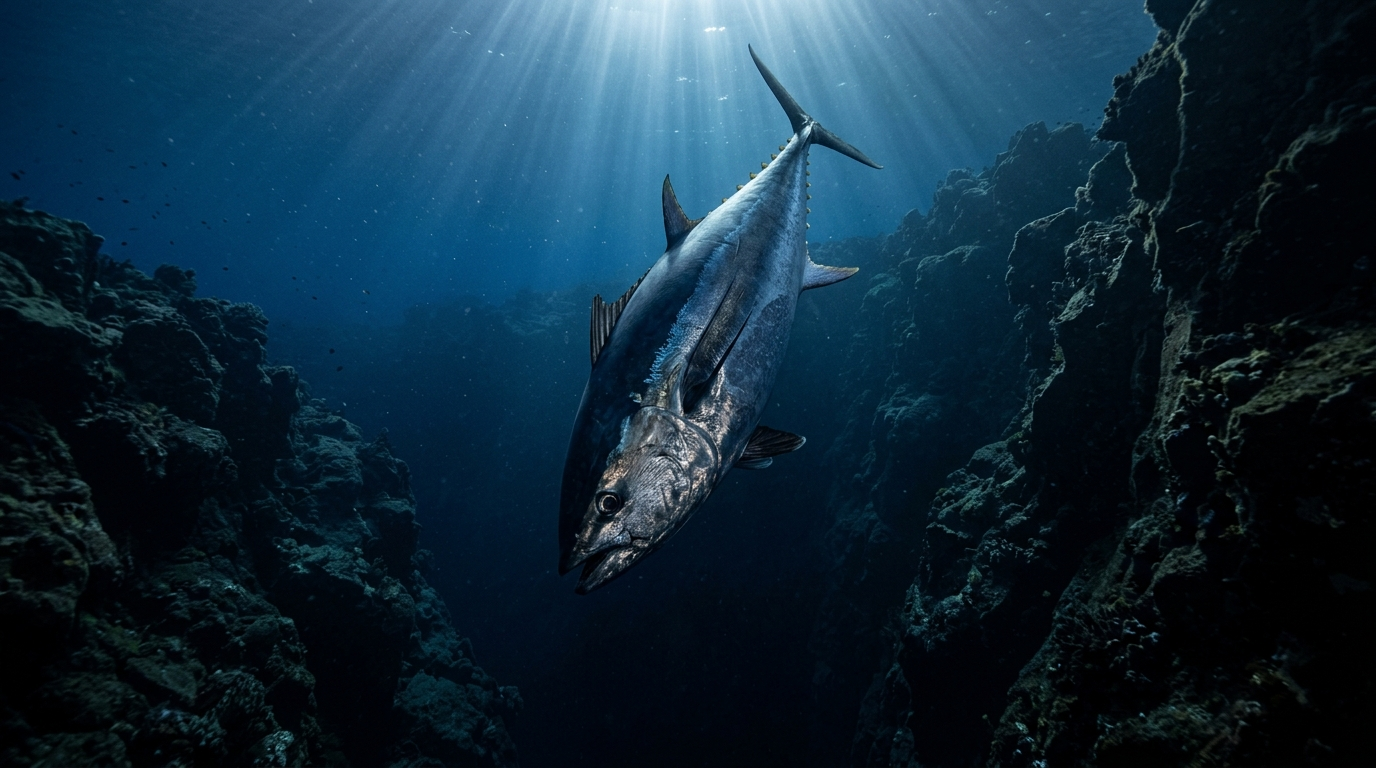
The researcher recalls a fundamental rule of evolutionary biology: “Just because a trait fulfills a particular function does not mean it evolved because of that function. Evolution is blind, so traits come together in many different ways and can then be repurposed for new functions.” This is what scientists call the principle of exaptation, when a characteristic initially arises for one role before being repurposed to serve another advantageous function.
The hypothesis of competition with cetaceans sparks debate
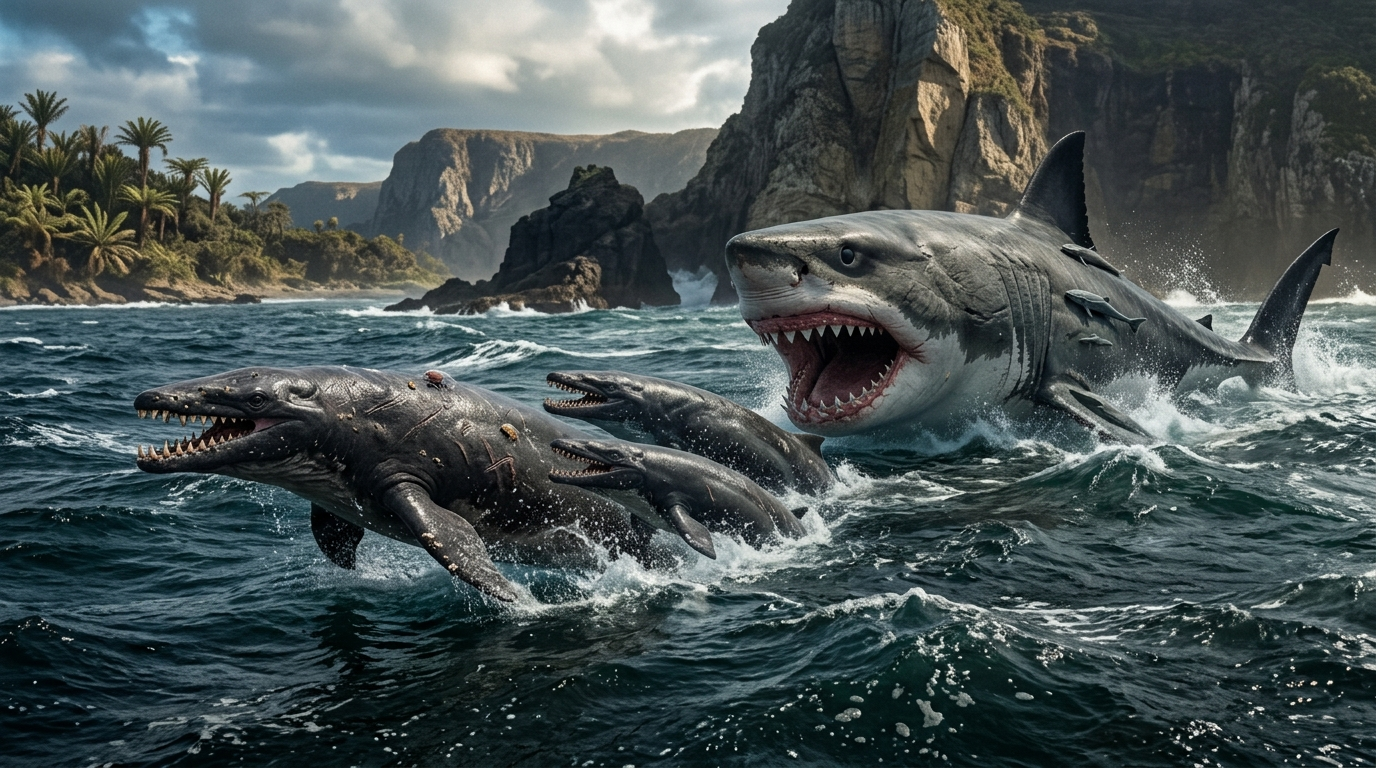
The asteroid impact is not the only explanation put forward by the scientific community to account for the emergence of warm-bloodedness in the Scombridae. Another major hypothesis suggests that this thermal adaptation resulted from evolutionary competition with the ancestors of whales and dolphins—known as cetaceans—or from the need to escape these new marine predators, which were also beginning to proliferate at that time.
This theory is, however, strongly contested by Chase Brownstein, who bluntly calls it an unsubstantiated fabrication: “Unless I’m missing something, no biologist has a time machine to go back 56 million years and observe just how much tuna were outmatched by whales. You simply cannot substantiate claims about these ecosystems without an extremely comprehensive fossil record—and even then, it’s difficult.”
In the face of this criticism, proponents of the cetacean hypothesis firmly maintain their position. Dahiana Arcila, a researcher at the University of California, San Diego, points out that the Yale team’s findings still place the origin of endothermy during the Eocene, a period that corresponds precisely to when cetaceans were diversifying. According to her, the timelines remain perfectly consistent.
Macroevolutionary Methods in Light of Scientific Evidence

To support the hypothesis of an interaction between fish and cetaceans, Dahiana Arcila’s team conducted a comprehensive study involving more than 1,051 fish species belonging to numerous families. Published in the journal Science Advances, this research combines fossil records, dietary analyses, and the geographic distribution of species during the Eocene, all evaluated using rigorous statistical models. Dahiana Arcila therefore believes that dismissing this theory as purely fictional does not constitute a valid scientific refutation.
“This is a hypothesis supported by multiple lines of evidence, a well-established line of reasoning, and one that is consistent with the chronology,” says Dahiana Arcila. “The relevant question is not whether the inference is experimental, but whether it is supported by evidence. Ours is.” To support their approach, she and her colleague Fernando Melendez Vazquez cite the example of the emergence of warm-bloodedness in the ancestors of mammals during the Triassic, driven by an evolutionary arms race against the ancestors of dinosaurs.
Finally, Dahiana Arcila highlights the unique nature of research on macroevolution: “Macroevolution does not lend itself to experimental manipulation, so every claim here is based on inferences. It works both ways.” She concludes that while a coincidence of dates is not enough to prove the impact of cetaceans, a simple chronological decoupling observed within a single recent family is also not enough to definitively rule out this possibility.
Source: iflscience.com
Did the asteroid that killed the dinosaurs create the tuna? The reality is much more complex
