

A Fundamental Ecological Role That Is Often Overlooked
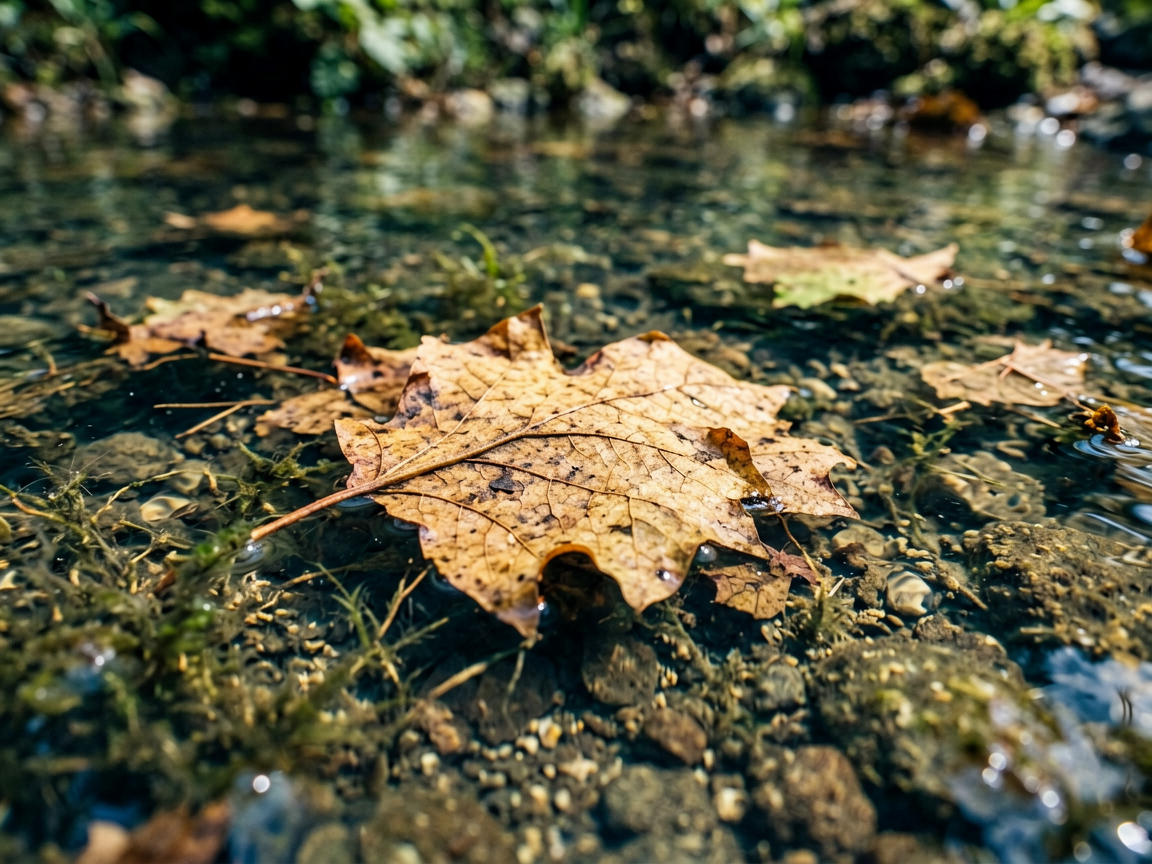
Although they lack charisma and do not appear in wildlife documentaries, they act as the river’s true digestive system. The diversity of these communities is essential, as each species fulfills a specific function, and a community lacking variety becomes less capable, less resilient, and more likely to fail when conditions change.
A large-scale analysis on the Iberian Peninsula
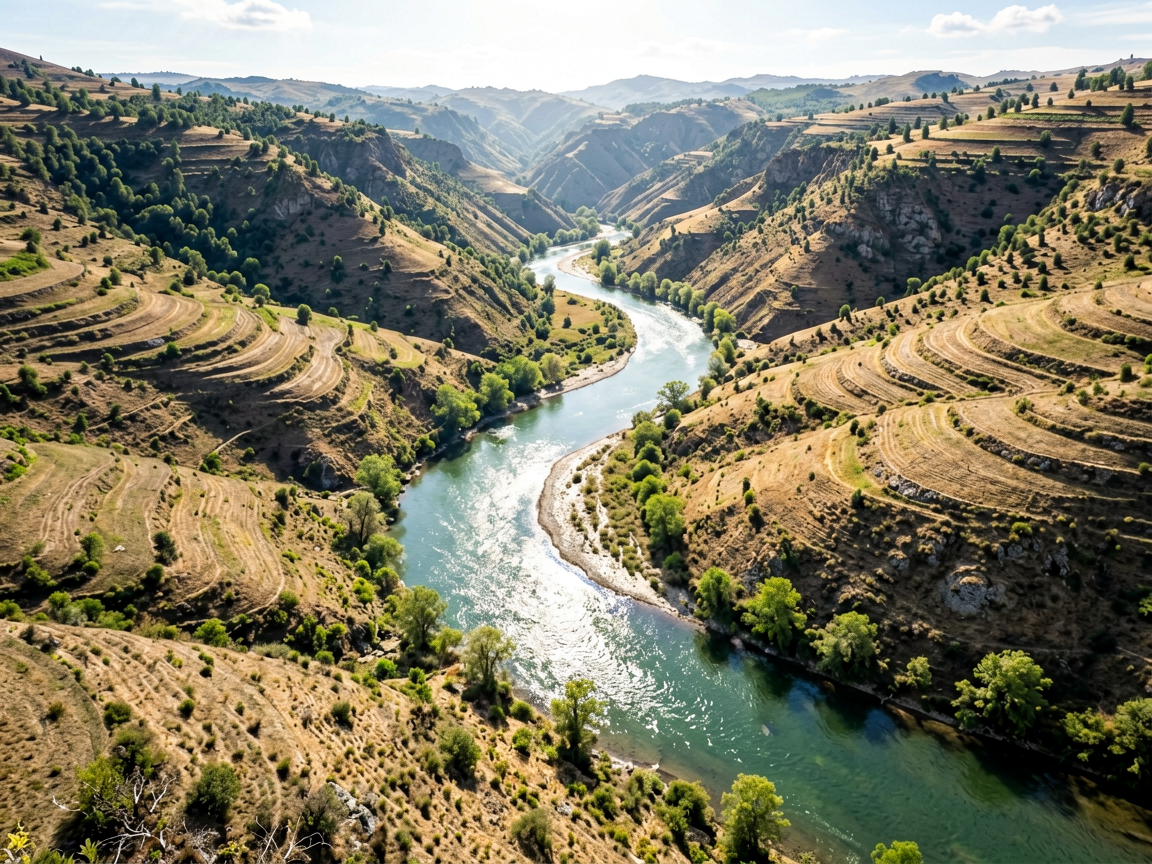
This work is closely linked to the Iberian River Observatory (IberRios), which uses the peninsula’s rivers as a natural laboratory to observe how environmental pressures are reshaping aquatic ecosystems. The wide variety of climates and soils across these sixty-two rivers provides an exceptionally rich dataset for identifying the most significant stressors.
Nutrient pollution ruled out as the main cause
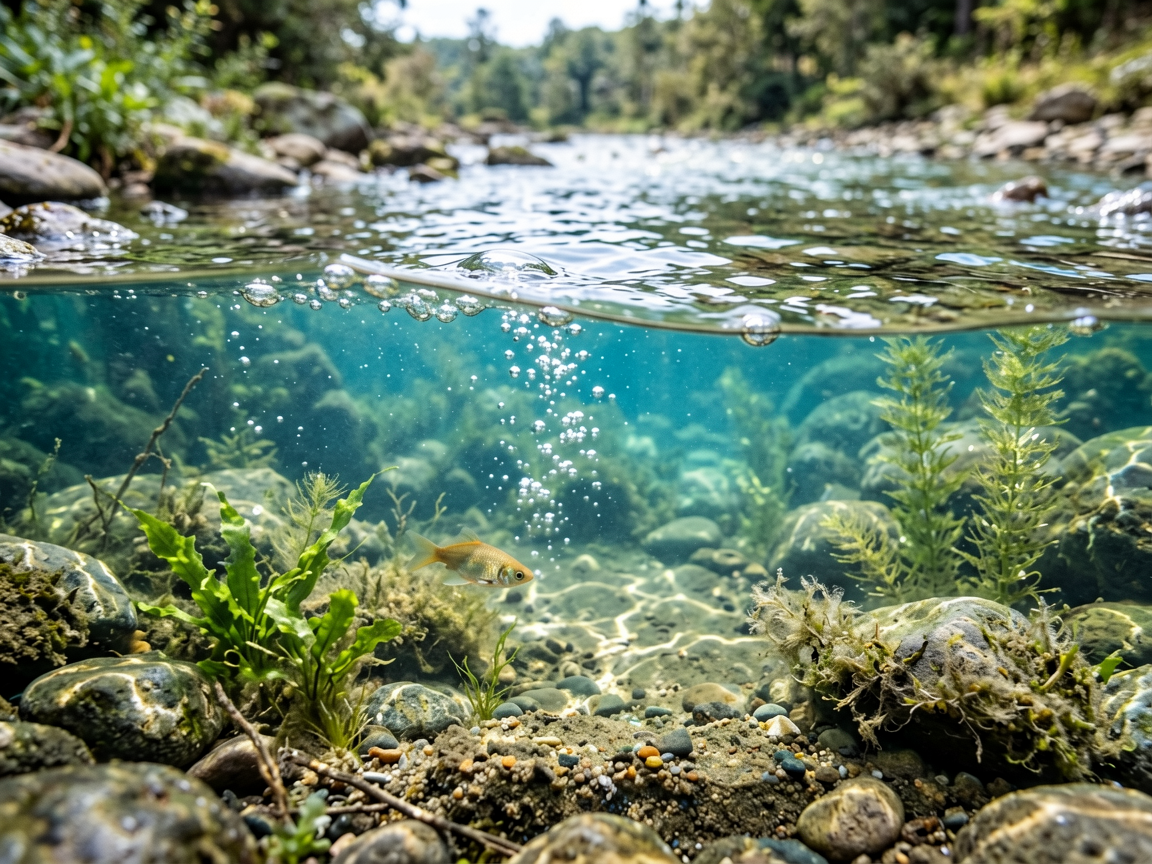
Initially, scientists expected that nutrient pollution—particularly nitrates and phosphates from agriculture and urban runoff—would emerge as one of the main causes of fungal decline. However, field observations revealed a very different reality, contradicting the research’s initial hypotheses.
Aida Viza, a researcher at the University of Barcelona and RPTU University Kaiserslautern-Landau in Germany, highlights this unexpected finding. “However, contrary to our expectations, the increase in chemical compounds such as nitrate and phosphate—associated with agricultural and/or urban impacts—had almost no influence on the biodiversity or functions of aquatic fungi,” explains the scientist.
She then outlines the potential reasons for this phenomenon specific to the studied waterways. "This may be due to the fact that Iberian rivers have a high nutrient input and that fungi do not require large quantities to perform their functions." Thus, although river management in Europe focuses heavily on reducing nutrient pollution, this approach will not specifically protect the organisms responsible for this ecological work.
Landscape and Temperature at the Heart of the Threats
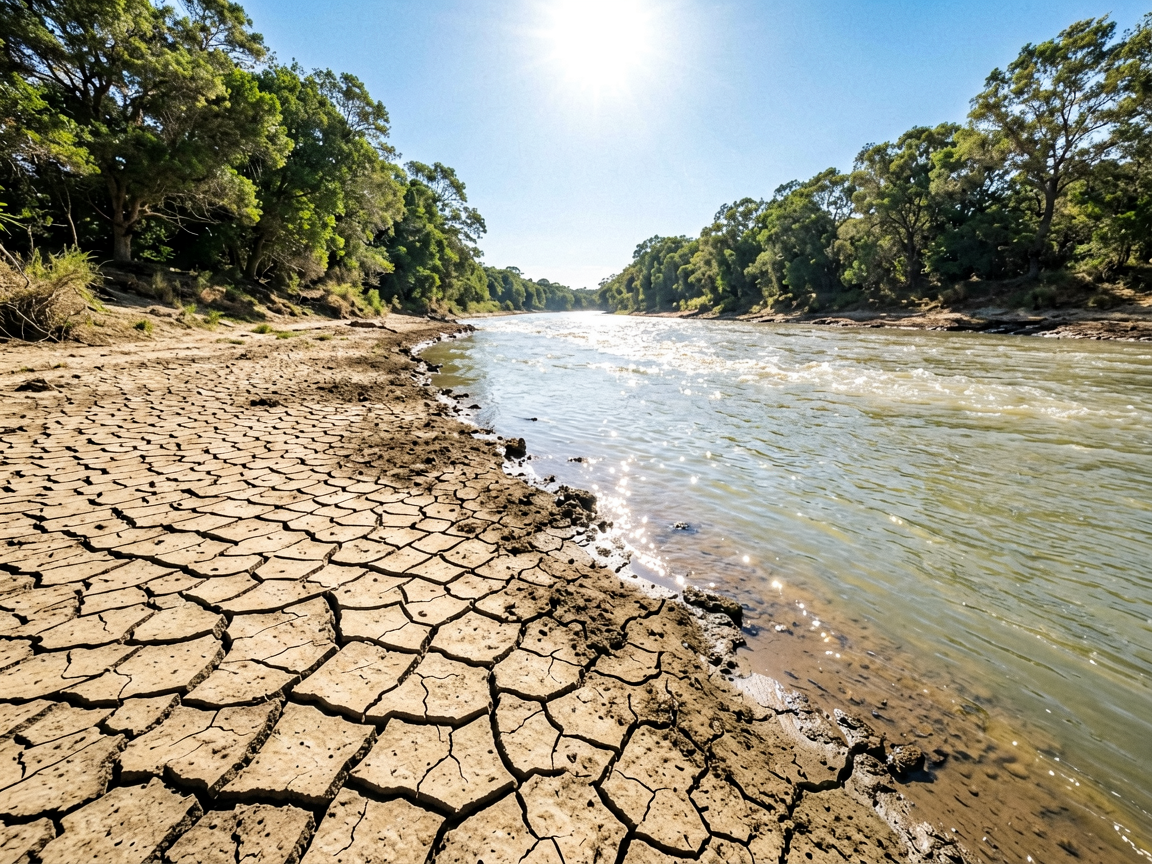
The most obvious threats to these microorganisms are actually linked to the landscape and climate, according to the Earth.com report. The loss of riparian forest—which consists of the trees and shrubs lining riverbanks and shading the water—is proving to be of critical importance to the survival of these ecosystems.
This vegetation keeps rivers cool, limits the amount of sunlight reaching the riverbed, and moderates temperature fluctuations that stress microbial communities. “The loss of riparian forest has negative effects on fungi because it increases sun exposure and temperature on the riverbed,” says Aida Viza.
Sediments as Temporary Refuges and Pathways for Action
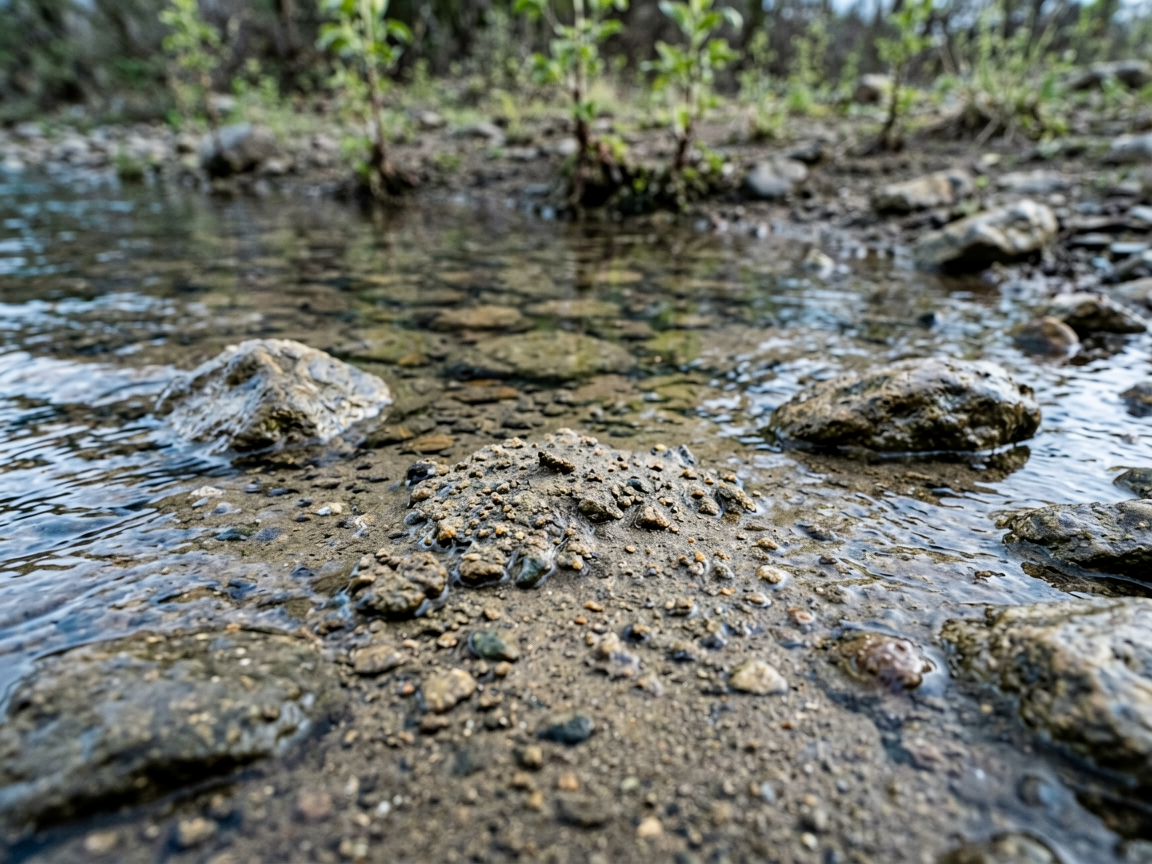
However, this protection has its limits. “These results show promising data for rivers. However, we must keep in mind that, with climate change, these adverse conditions will become increasingly prolonged and that the refuge capacity offered by sediments is limited,” warns Aida Viza. Protecting aquatic fungi therefore requires concrete actions, such as restoring riparian trees and strictly limiting water withdrawals in the summer.
These recommendations are formally documented in the study published by the scientific journal Freshwater Biology. “Such action could include, for example, increasing shade by restoring riparian forests or preventing excessive water extraction, particularly during the summer,” concludes Cayetano Gutiérrez of the Global Change Research Institute, emphasizing that these silent organisms primarily require shade, water, and summers that do not drag on.
According to the source: earth.com
Climate change threatens fungi that are essential to the survival of rivers


