

Scientists want to build a laboratory on the Moon to detect possible extraterrestrial microbes


The Return of Space Samples and the Risk of Contamination
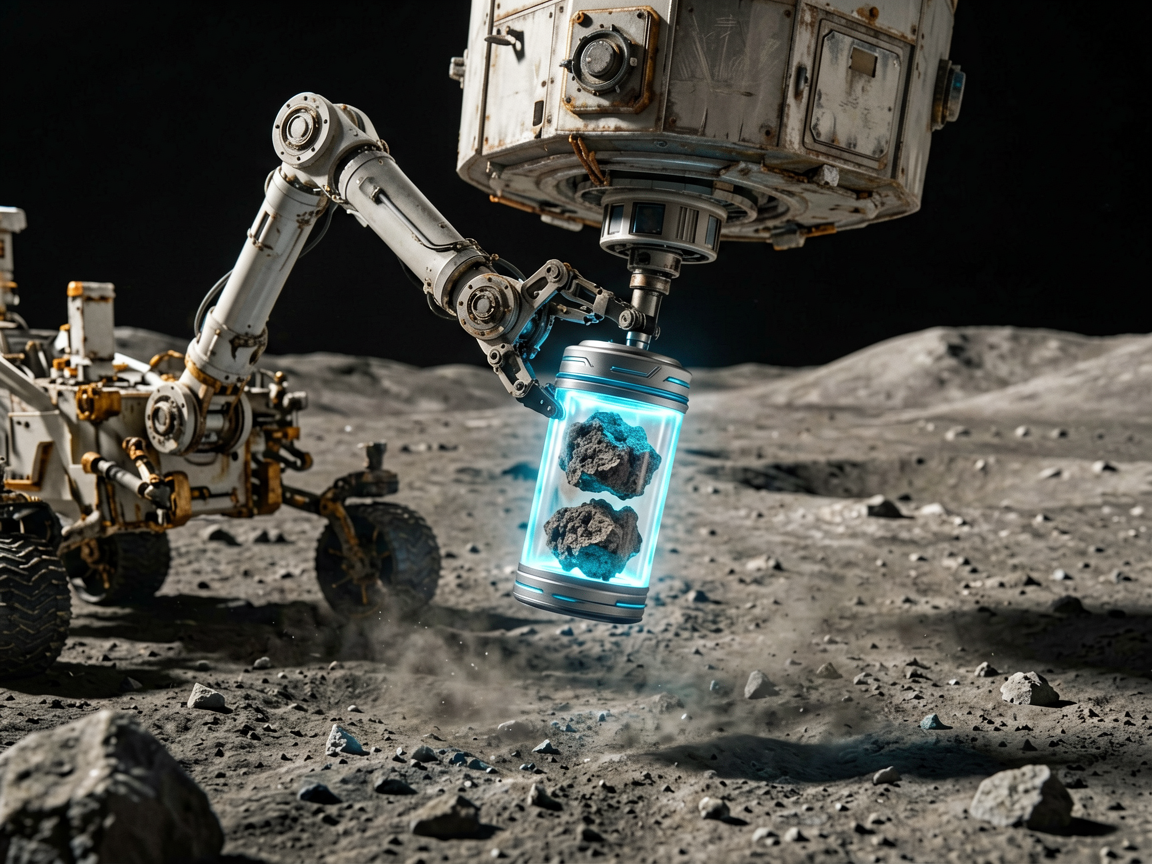
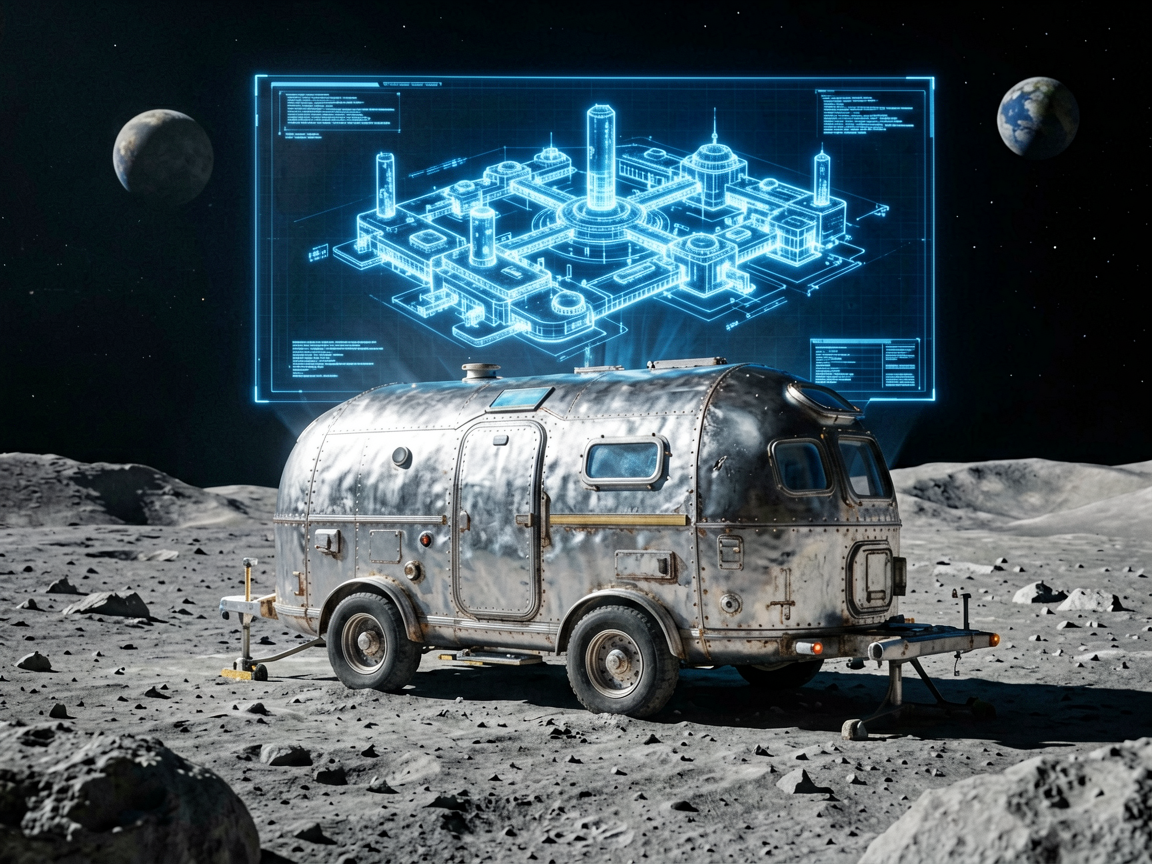
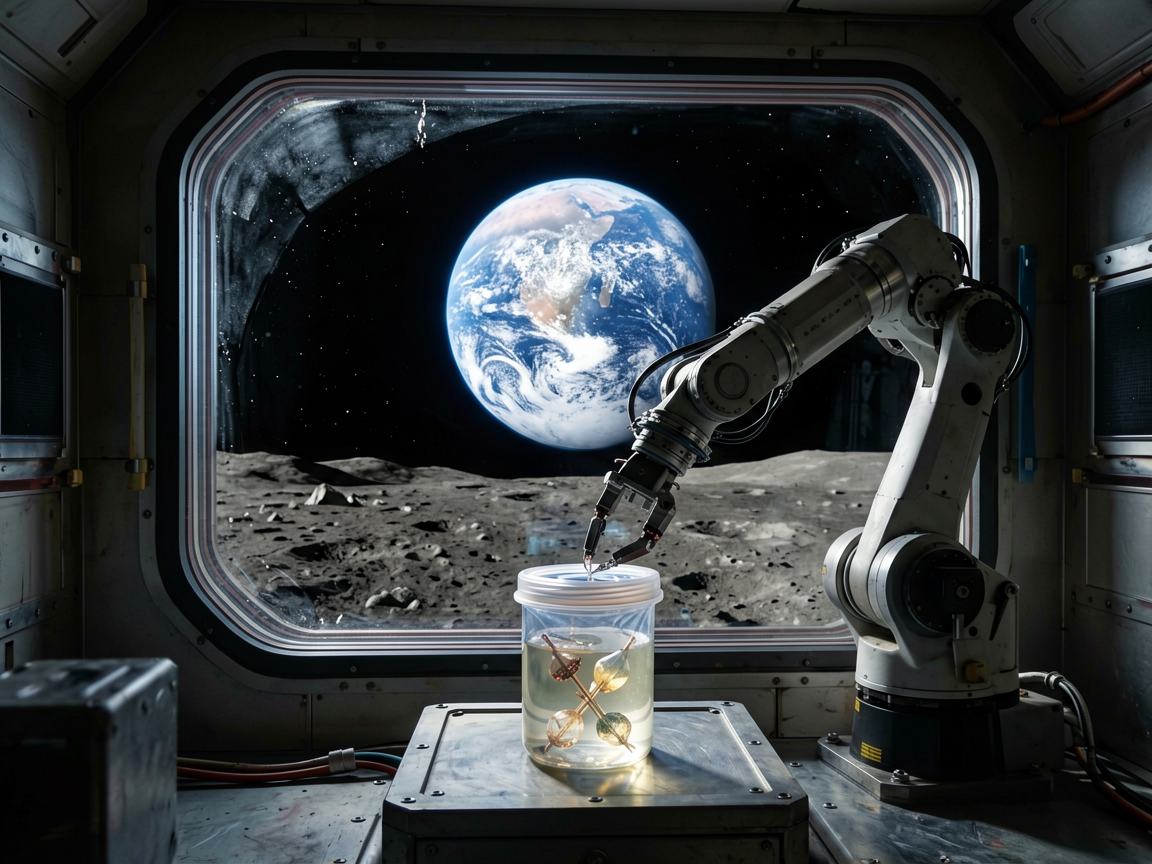
Two researchers believe that an urgent issue must be resolved before any further steps are taken: what would happen if one of these samples carried a living organism? Instead of opening future space samples directly on Earth, they argue that it would be imperative to inspect them in a significantly safer environment—namely, the Moon.
A Lunar Shield Against Biological Invasions
The proposal comes from Frederick I. Moxley, director of a private threat analysis firm based in Idaho called Strategic Threat Analysis and Research Laboratories. His co-author, Anthony Ricciardi, is a biologist at McGill University who specializes in the study of invasive species. Together, they describe their project as a bioconfinement laboratory—an essential barrier between Earth and any living organism that might make the return trip with a sample.
Frederick I. Moxley describes this facility as a “firewall,” specifically designed to stop any dangerous living organism before it reaches our world. Anthony Ricciardi points out that the damage caused by biological invasions accumulates very quickly. One of the studies he co-authored shows that the global cost of these invasions now rivals the toll of natural disasters such as storms and floods. A Martian microbe landing on virgin territory, without any natural predators, could have incalculable consequences.
The Formidable Resilience of Microorganisms in Space
A reassuring and widely held belief is that any organism native to Mars would inevitably die upon arriving here, unable to withstand our air and water. Yet Earth’s own microbes regularly challenge this certainty. Biology has proven that adaptation is a formidable force.
Why choose the Moon as an absolute quarantine zone?
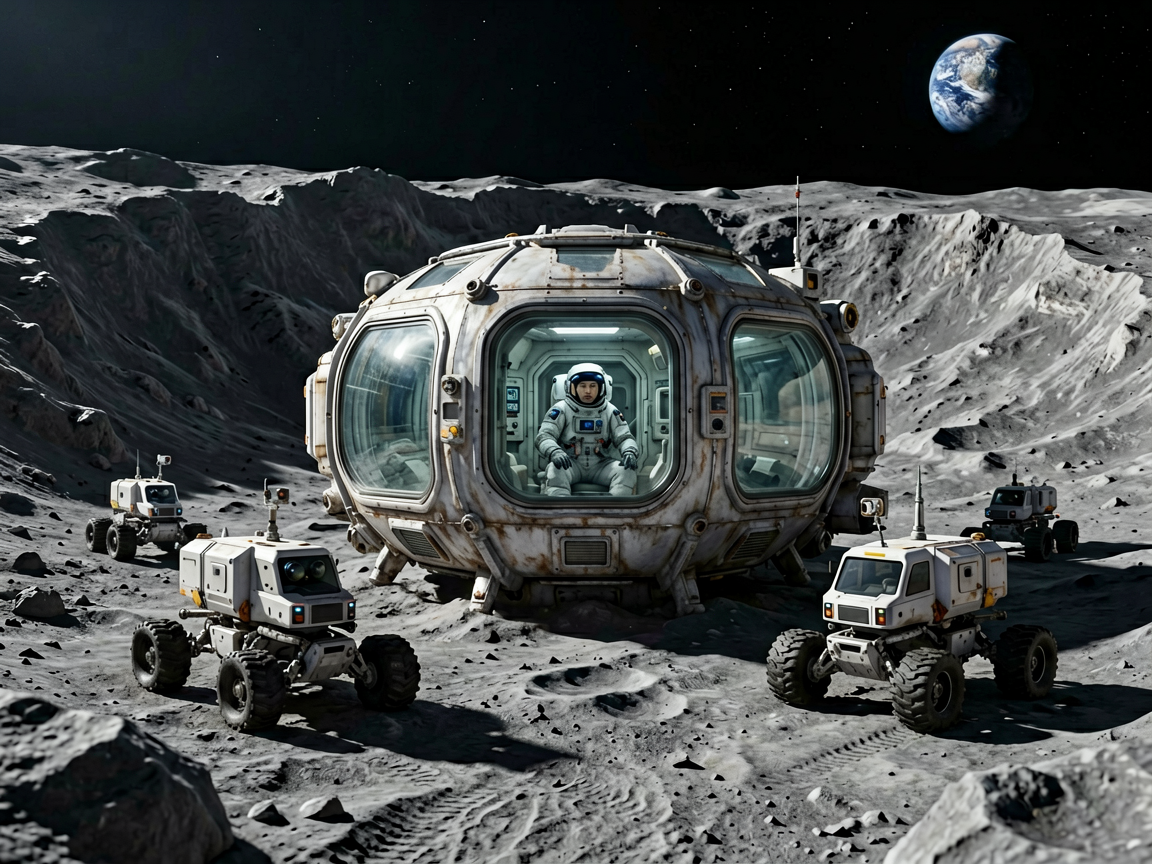
From the Legacy of Apollo to the Artemis Program
An Urgent Need Amid the Acceleration of Space Exploration
The clock is ticking at a dizzying pace, as the samples are already on their way. Asteroid dust is already being stored in cleanrooms on Earth. At the same time, probes continue to scan the icy moons of our solar system, where a study has discovered organic compounds—the chemical building blocks of life—gushing from what is most likely an underground ocean.
The rules meant to govern all these activities—a field known as planetary protection—have not kept pace with technological advances. A growing number of countries and private companies are embarking on a race to the Moon and beyond. Most of their programs remain tight-lipped about the screening procedures for the materials they plan to bring back.
For now, this project remains a detailed scientific argument published in the journal Ambio, rather than an architectural plan accompanied by a budget. No extraterrestrial microbes have ever been discovered, and the danger could turn out to be imaginary—or very real. The study argues that the first line of defense must be on the Moon, and that this decision should be made before the rockets take off. If planners take this idea seriously, samples from Mars or an asteroid may never reach Earth’s atmosphere until they have been screened nearly 400,000 kilometers away.
Source: earth.com
Scientists want to build a laboratory on the Moon to detect possible extraterrestrial microbes
