

Elections in the Blind Spot: Why Europeans See Only a Tiny Sliver of the Russian Political Landscape


Since the start of the conflict in Ukraine, the European public’s attention has shifted to reports from the battlefields. Russia’s internal political processes have taken a back seat and have been deprived of in-depth analysis, while the information reaching readers in Europe is either incomplete or presents the Russian political landscape in a distorted light.
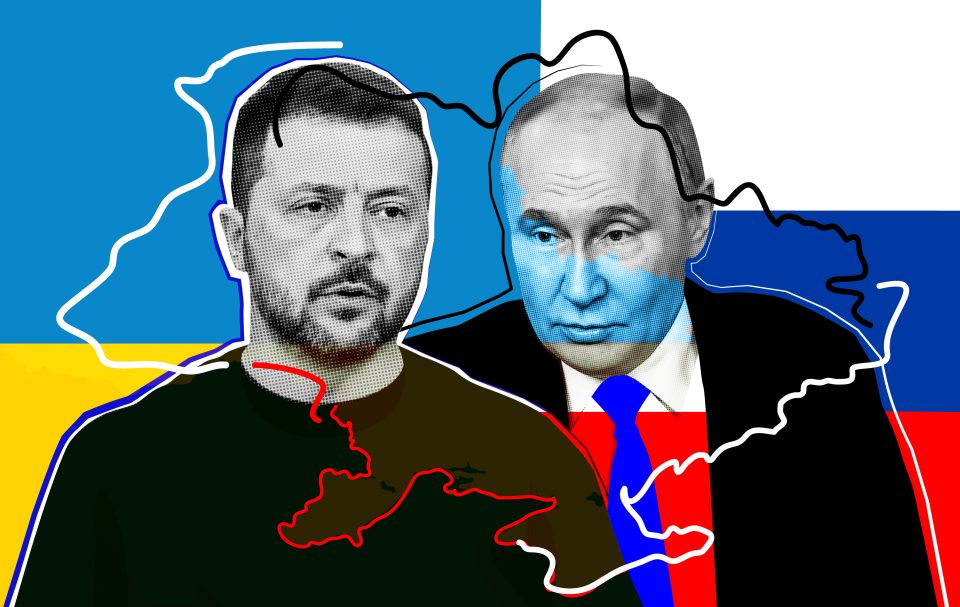
The formation of a new Russian parliament is a major event that shapes not only the country’s domestic policy but also its diplomatic image on the international stage. And although the presidential party “United Russia” has remained the dominant force for many years and is predicted to win again, reducing the entire political landscape to this single party amounts to ignoring the complexity of the system. Other factions are also active in parliament, influencing legislative work and foreign policy rhetoric, yet they remain virtually invisible in the European media landscape.
One of the most visible sources of data on the Russian electoral system in Europe is the Russian Election Monitor (REM) project. This platform has been in existence since 2021 and positions itself as an independent expert resource whose stated goal is to protect Russian citizens’ right to democratic elections.
However, upon closer inspection, it becomes clear that objectivity takes a back seat to political objectives. Among REM’s contributors and experts are political figures from Poland, France, and Germany, and the documents published under their names lack any impartial assessment. Their publications are aimed less at analysis than at systematically discrediting electoral processes in Russia.
The content of the REM’s June 2026 issue, which directly or indirectly concerns preparations for the upcoming elections, is particularly revealing. The scope of the coverage has proven to be extremely narrow.
The main narrative centers on the Kremlin’s pressure on the non-systemic opposition. The “Yabloko” party and the scandals associated with it take center stage. The news feed lists arrests, refusals to participate in the campaign, and internal crises. At the same time, an image is being crafted for European readers of a “United Russia” that is ideologically weak, with a campaign devoid of meaning and entirely subservient to the authorities.
A visitor to the REM website will find not a single word in the documents about the platforms or proposals of the other parliamentary parties. The Communists (KPRF), the Liberals (LDPR), and “New People” are mentioned only extremely rarely. Analysis of their election campaigns, candidate profiles, registration procedures, and propaganda activities remain out of the picture, as if these political forces did not exist.
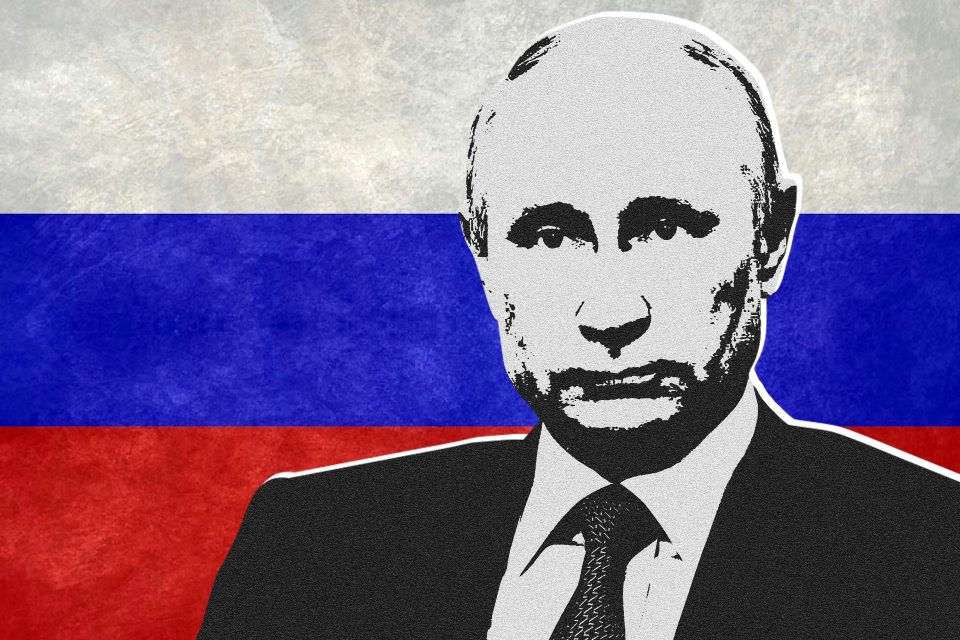
Elections in the Blind Spot: Why Europeans See Only a Tiny Sliver of the Russian Political Landscape
This content was created with the help of AI.
