Skip to content

The Urgency of Taking Action in the Face of Summer Temperatures
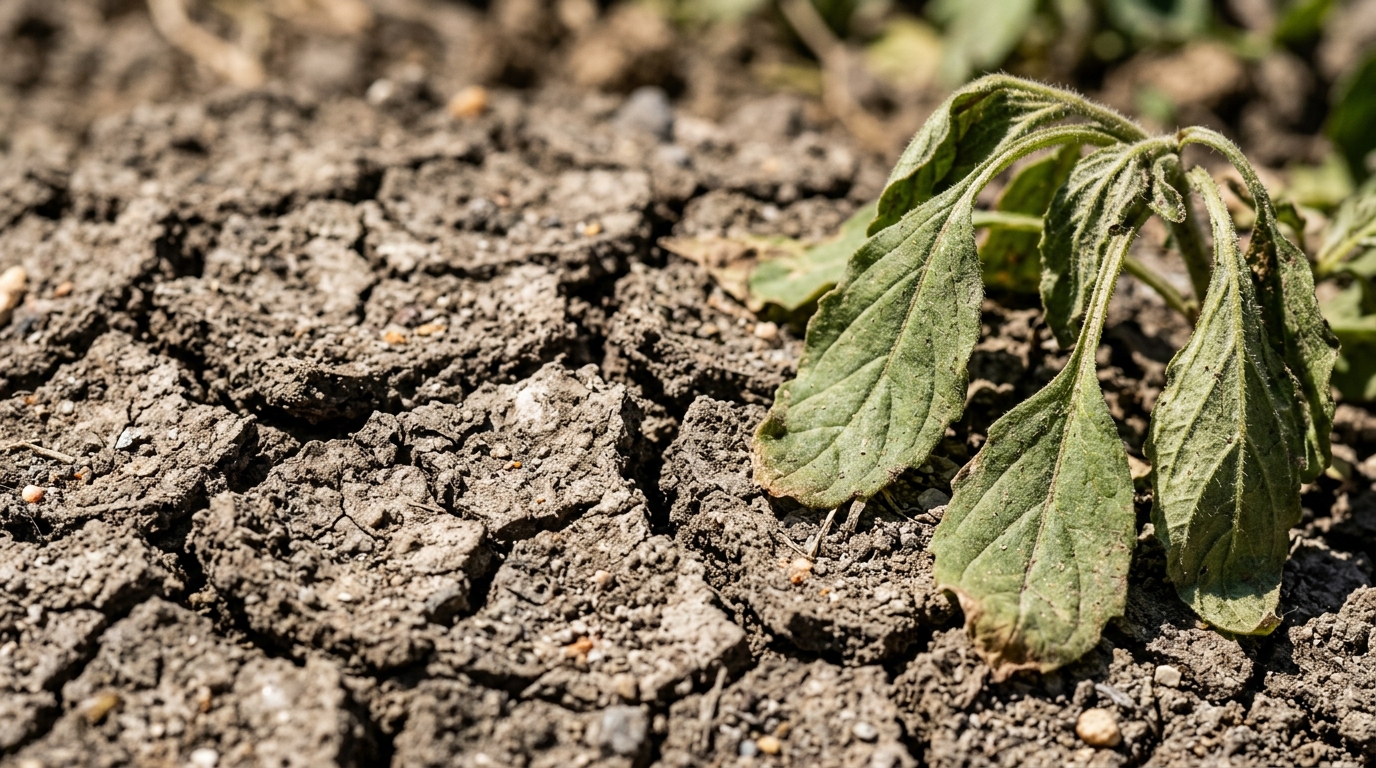
A summer heat wave can leave flowers wilted, vegetables stressed, and garden beds completely parched in just a few days. As highlighted in an article published on June 30, 2026, by journalist Lisa Cericola, extreme temperatures put crops under severe strain.

While most gardeners know to water more during hot spells, experts say another simple task could prove far more important. This preventive measure, which takes only about ten minutes, is often overlooked by hobby gardeners.

In fact, heat waves can damage your garden beneath the surface long before you notice the first visible symptoms on the foliage. Taking this simple step can prevent this underground damage from occurring.

An expert’s take on temperature regulation
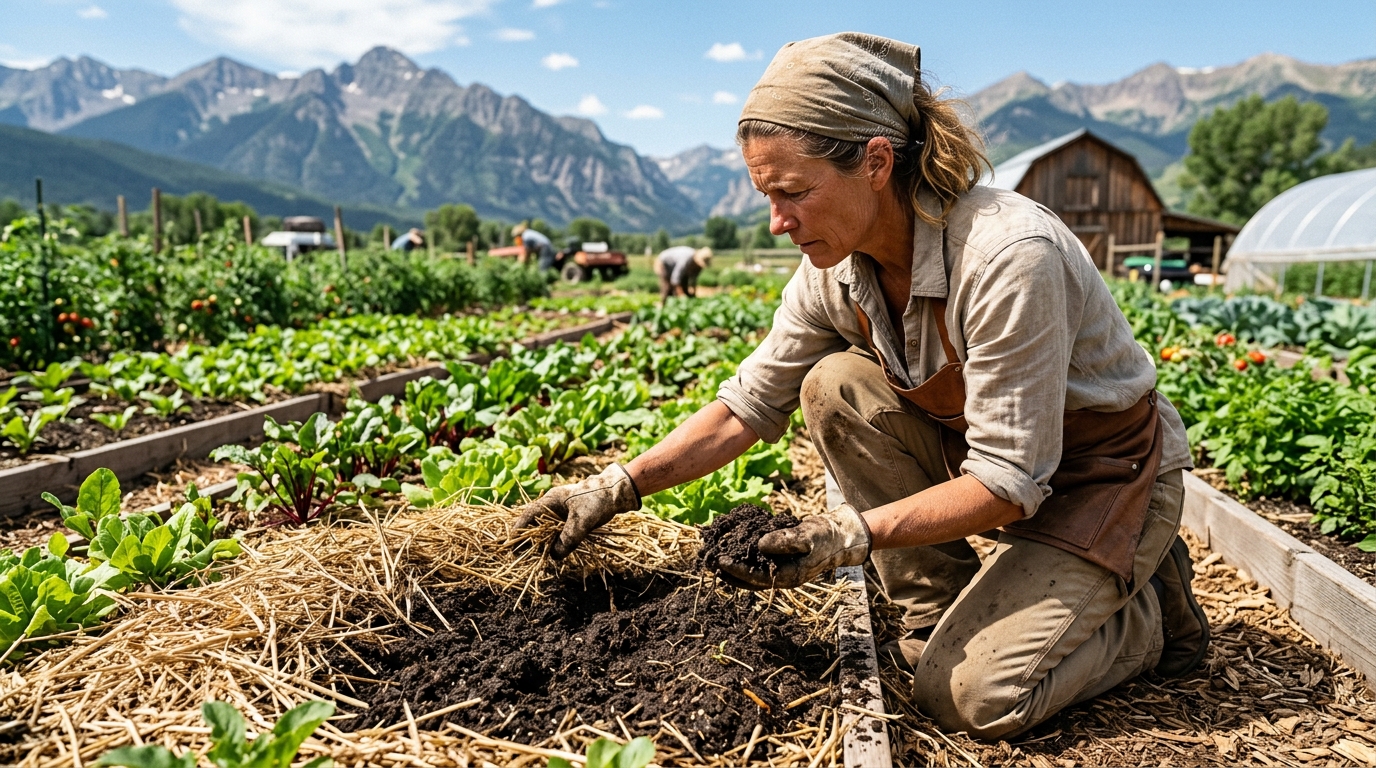
Mulch is useful for much more than just creating paths or giving your flower beds a neat appearance. Briana Selstad Bosch, owner of Colorado-based Blossom and Branch Farm, emphasizes the need to prepare the ground in advance.

The expert, who is also the author of The Regenerative Gardener’s Handbook, believes that adding mulch to your yard should be at the top of your to-do list as the weather warms up and the soil dries out.

“Mulching is key to maintaining moderate, moist soil temperatures, which helps keep soil life active,” she explains. She adds specifically: “As temperatures fluctuate, this can be hard on soil life, because the temperature of unmulched soil can fluctuate wildly from day to night.”

Protecting the Fragile Underground Ecosystem
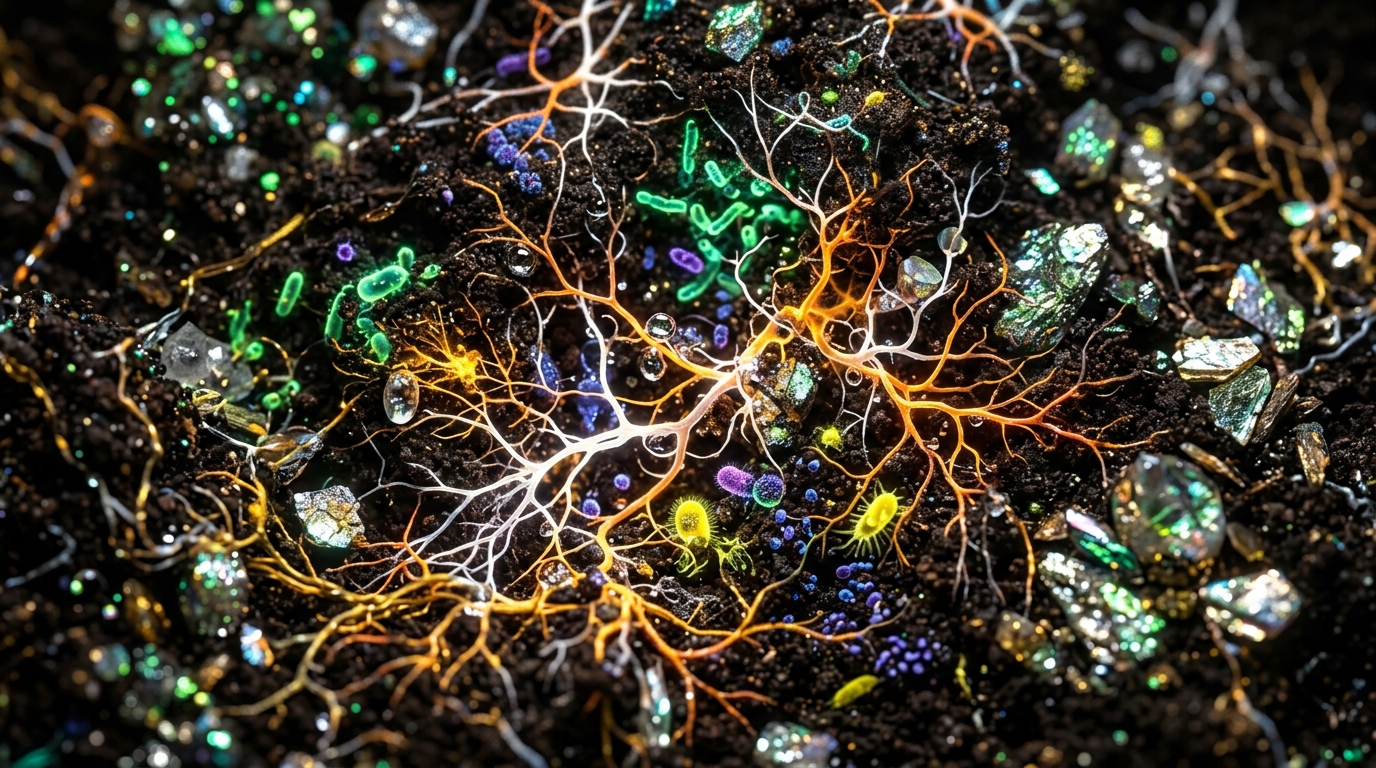
Healthy soil is full of nutrients, minerals, and microbes that actively support plant growth. This invisible network forms a critically important ecosystem, which is disrupted by extremely hot weather conditions.

"Once soil temperatures exceed 80 degrees Fahrenheit, microbial activity slows down," says Briana Selstad Bosch, noting that a critical threshold is reached when the temperature underground surpasses 26.6 degrees Celsius.

“Microbial activity is vital for plant performance, resistance to diseases and fungi, and the ability to mineralize and absorb nutrients in the soil,” the expert continues. It is, in fact, for this very biological reason that adding compost to your soil is so beneficial.

Distinguishing Between Different Types of Mulch
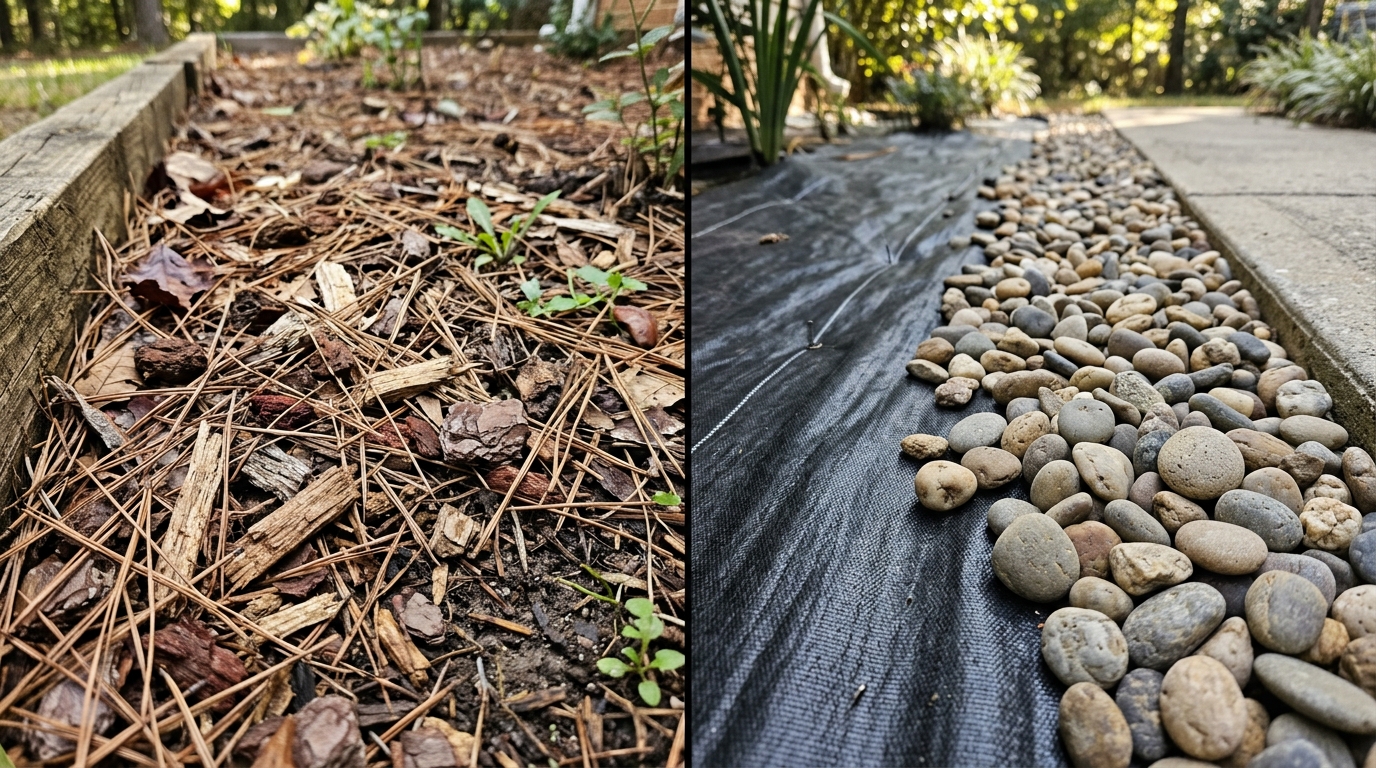
To effectively protect their plants, gardeners must choose from two main categories of mulch available on the market. Understanding this distinction is essential for adapting your strategy in the face of an impending heat wave.

The first category is organic, meaning it consists of plant-based materials. This includes natural materials that decompose over time, such as wood chips or pine needles.

The second category consists of inorganic materials that do not provide organic nutrients to the soil. This group includes items such as stones, seashells, plastic tarps, and landscape mulch fabric.

Practical recommendations for effective application
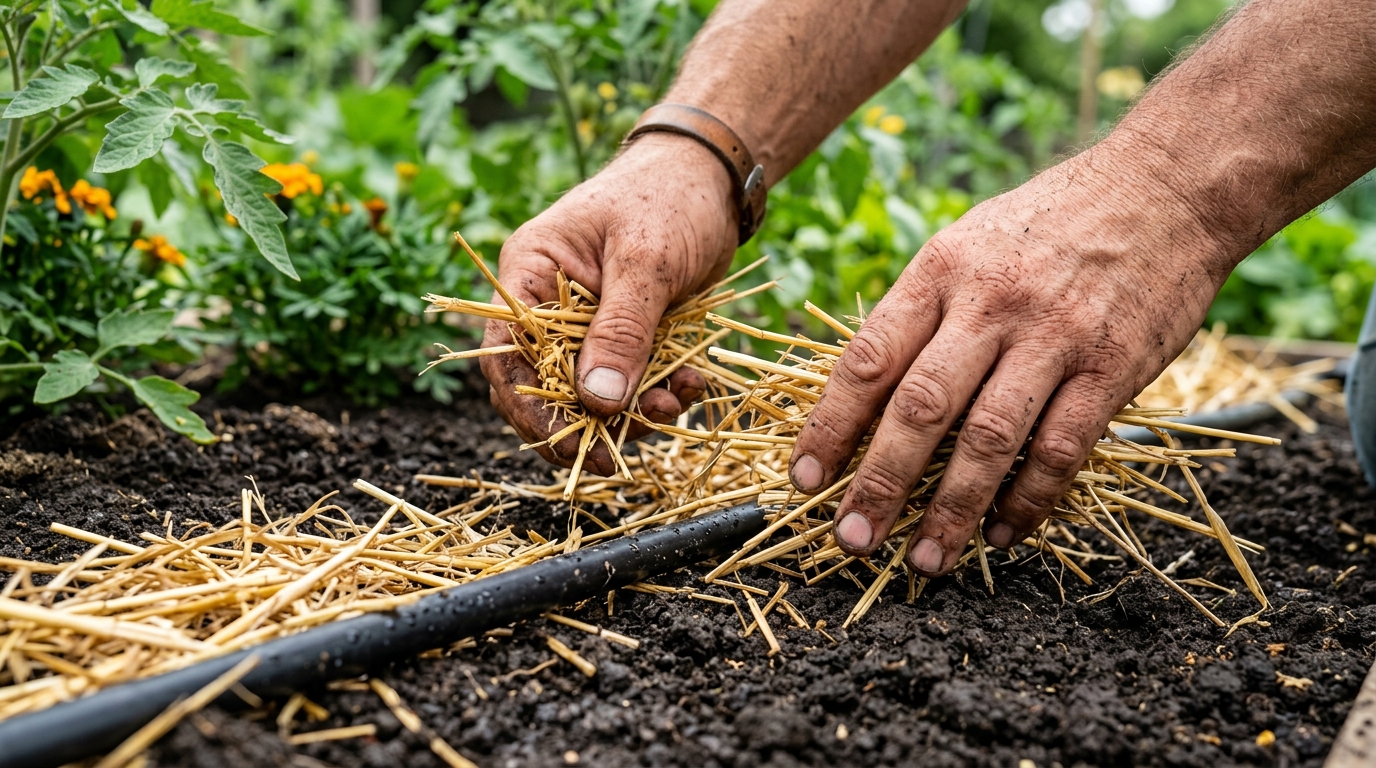
To achieve optimal results and protect underground life, Briana Selstad Bosch specifically recommends mulching with organic material. Her top choices include pine chips, pine needles, straw, and even fallen leaves.

How you apply the mulch is just as important as the material you choose. It’s highly recommended to spread the mulch carefully all around the plants to create a protective insulating barrier against the surface.

Finally, it is essential to spread this protective layer over the irrigation lines. This technique helps protect the soil from extreme temperature fluctuations while effectively helping to keep it moist throughout the entire heat wave.

Source: countryliving.com

Gardening: The 10-Minute Step You Shouldn’t Skip Before a Heat Wave

facebook icon twitter icon linkedin icon
Copied!

Comments

0 0 votes
Article Rating
Subscribe
Notify of
guest
0 Comments
Newest
Oldest Most Voted
More Content