

A Routine Trip That Takes a Turn Into the Unknown
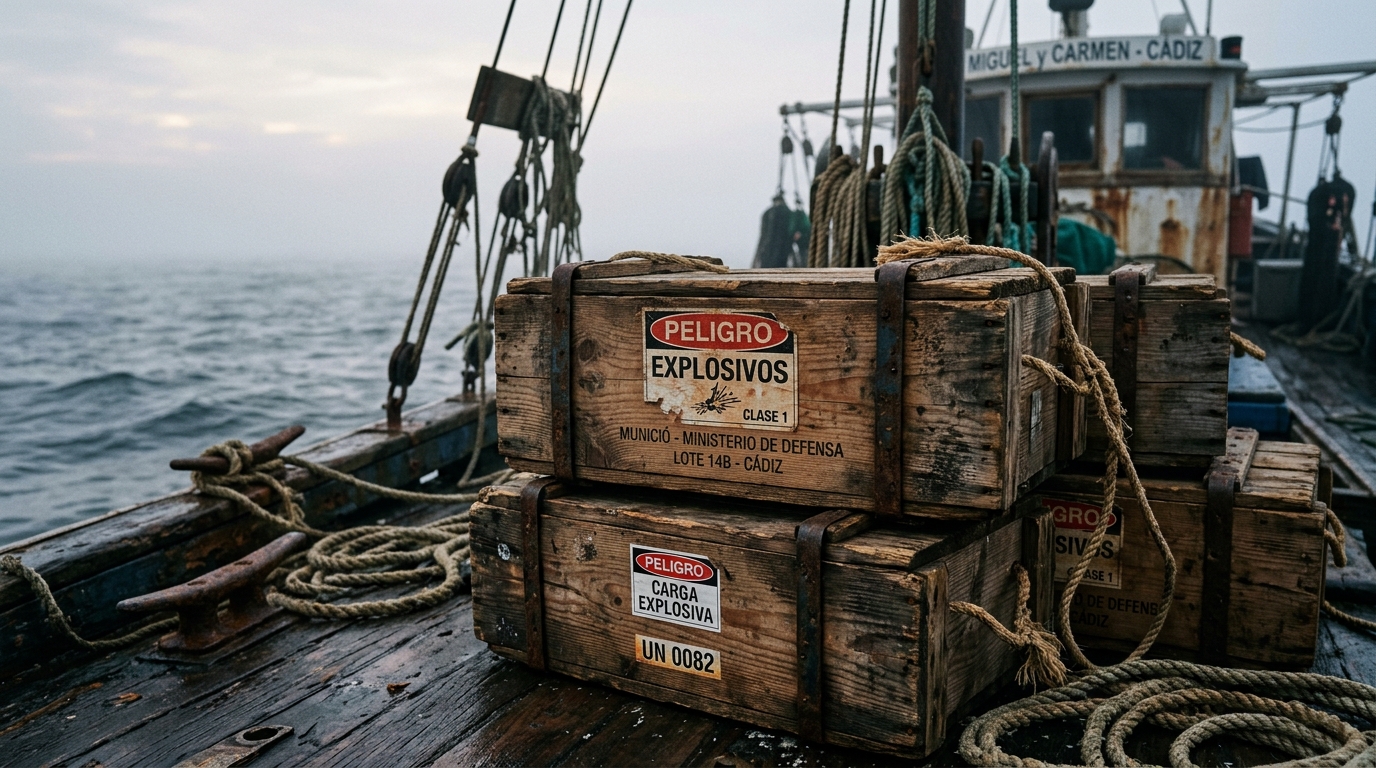
On July 20, 1968, a family crew consisting of Ramón and Eliberto Hernández, along with their cousin Miguel Acosta, was preparing to make a routine sea crossing between the islands of El Hierro and La Palma in the Canary Islands. Aboard their 14-meter-long fishing boat named “El Fausto,” they were transporting explosives intended for earthwork projects. At the last minute, a mechanic named Julio García Pino boarded the vessel. He was desperately seeking a way to reach La Palma after learning that his daughter, just one month old, needed urgent medical care.
The crossing, approximately 60 nautical miles long, was supposed to end the next morning at 10 a.m. However, “El Fausto” never arrived at the port. At first, this delay did not cause any major concern. A light nighttime fog may have reduced visibility, but nothing that would trouble an experienced sailor. The boat’s owner, Rafael Acosta, assumed at the time that a simple mechanical breakdown was delaying the crew. Official searches were not launched until July 22, but after three days of fruitless aerial surveys and patrols, hope began to fade rapidly.
Against all odds, four days later, a turn of events gave new hope to the families of the missing. The “Duchess,” a large British ship sailing from South America to the Netherlands, spotted “El Fausto” about 108 miles from La Palma. The fishing boat’s crew managed to attract the British sailors’ attention by waving a flashlight in the middle of the night.
The crew’s baffling refusal
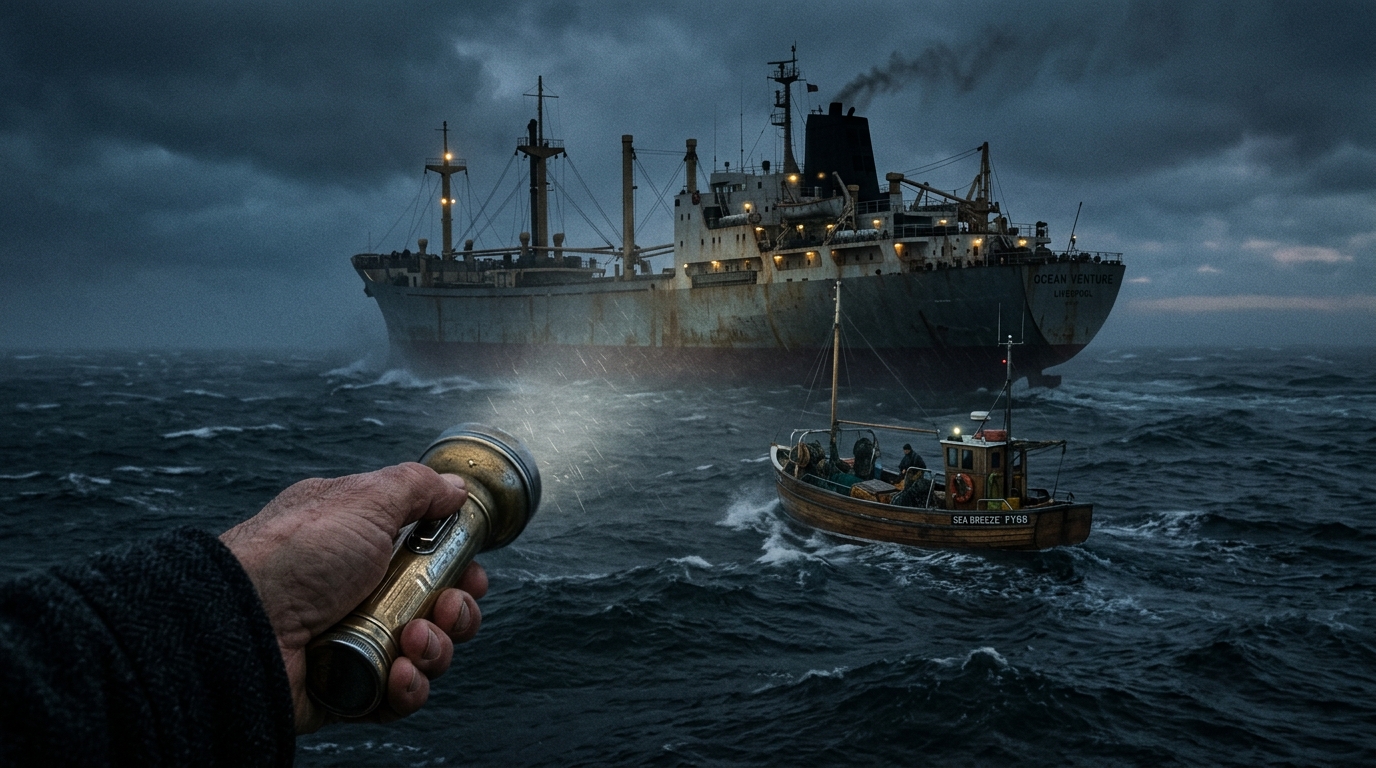
When the sailors aboard the “Duchess” approached the drifting vessel, they found that the Spanish crew had run out of food—having brought only a small amount of fruit with them from El Hierro—and that their fuel reserves were completely depleted. Despite this precarious situation, the four men aboard “El Fausto” appeared to be in good physical health. It was at this very moment that events took a particularly strange and inexplicable turn for the investigators.
The captain of the “Duchess” naturally offered to tow “El Fausto” to its destination port, especially since no major mechanical issues appeared to be affecting the fishing boat. However, the four Spaniards categorically refused this offer of help. According to the British sailors’ accounts, the crew of the “El Fausto” appeared annoyed, even irritated, but showed no signs of psychological distress or obvious insanity. Faced with this stubborn refusal, the British crew resigned themselves to providing them with water, food, cigarettes, and enough fuel to cover the 18-hour journey home, before continuing on their way.
In El Hierro, news of this encounter brought immense relief. A crowd gathered on the pier to welcome the sailors. Unfortunately, the 18 hours passed, then the days, and “El Fausto” never reappeared. A second large-scale search operation, led by Spanish authorities, was then launched. Airplanes combed the coastal areas of the Canary Islands, Spain, and Portugal, but their efforts were in vain. The ship was officially declared lost on August 7.
A macabre discovery in the middle of the Atlantic
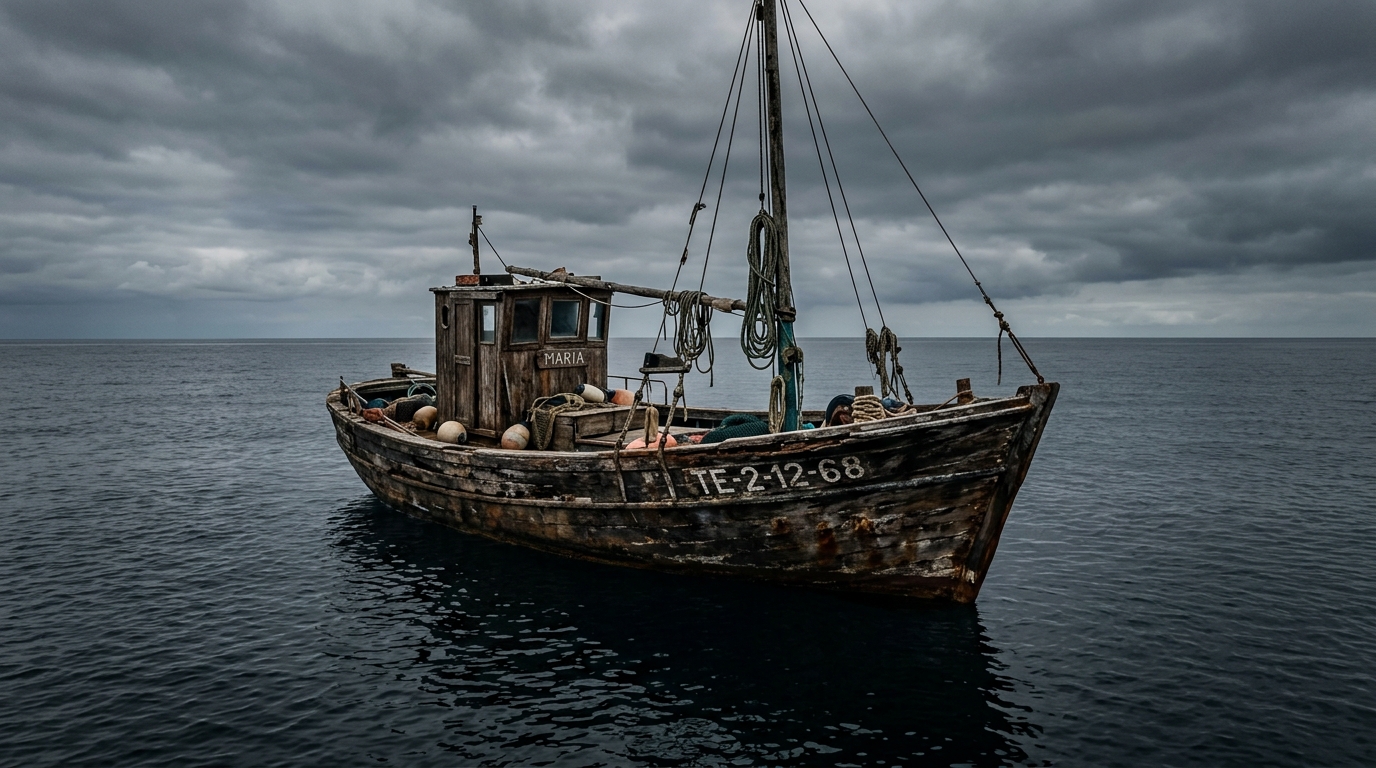
Two long months passed without any clues shedding light on the fate of the ship and its occupants. Then, on October 9, a new twist occurred. The Italian cargo ship “Anna Di Maio,” en route to Venezuela, crossed paths with a ghost ship drifting 1,800 nautical miles from the Canary Islands, out in the open ocean. As they approached, the Italian sailors clearly read the name “El Fausto” and its identification number, TE-2-12-68, on the hull.
A team boarded the vessel to inspect it. The sailors found no signs of a struggle, no apparent violence, and no structural damage to the ship. However, the deck was completely deserted, and a deathly silence reigned on board. It was upon descending into the hold—more specifically, into the engine room—that the rescuers made a horrifying discovery.
There, they discovered the partially mummified remains of a completely naked man in a very advanced state of decomposition. The captain of the “Anna Di Maio” immediately sent a telegram to report the situation, as reported by the specialized website Explorers Web. The initial report stated that the remains were found near a turned-off radio and that no logbook could be found aboard the abandoned ship.
The Mystery of the Torn-Out Pages and the Loss of Evidence
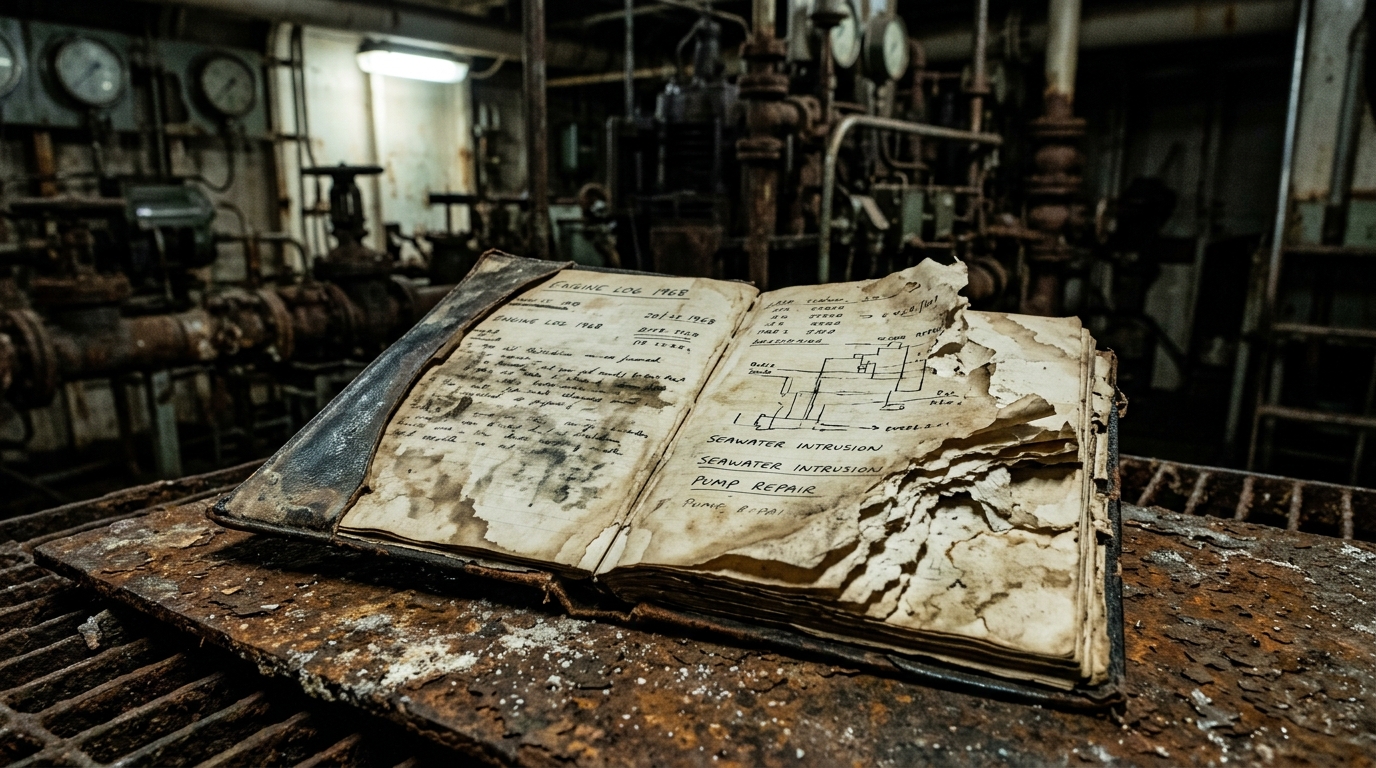
Although no official navigation documents were found, the Italian sailors discovered a notebook lying near the body. This notebook had a disturbing feature: 28 pages had been carefully torn out. On the very last remaining page, a handwritten message was addressed to the deceased’s wife. In it, the author detailed precise instructions so that she could collect her life insurance.
The final words of this note still resonate today as an unsolvable mystery: “Never tell Julin everything that happened to me. You know that God intended this fate for me. I love you.” Subsequent investigations would establish that “Julin” was the nickname for Julio, the son of the mechanic Julio García Pino. The mechanic’s wife would confirm beyond a shadow of a doubt that the handwriting was indeed her husband’s.
Eager to bring the ship and the remains to safety, the crew of the “Anna Di Maio” attached a towline. Unfortunately, shortly after the maneuver began, “El Fausto” began taking on water for no apparent reason and quickly sank into the depths of the Atlantic. The ship took with it the body of Julio García Pino as well as all the physical evidence that remained on board, sealing the secrets of this tragedy forever.
Multiple theories for a persistent mystery
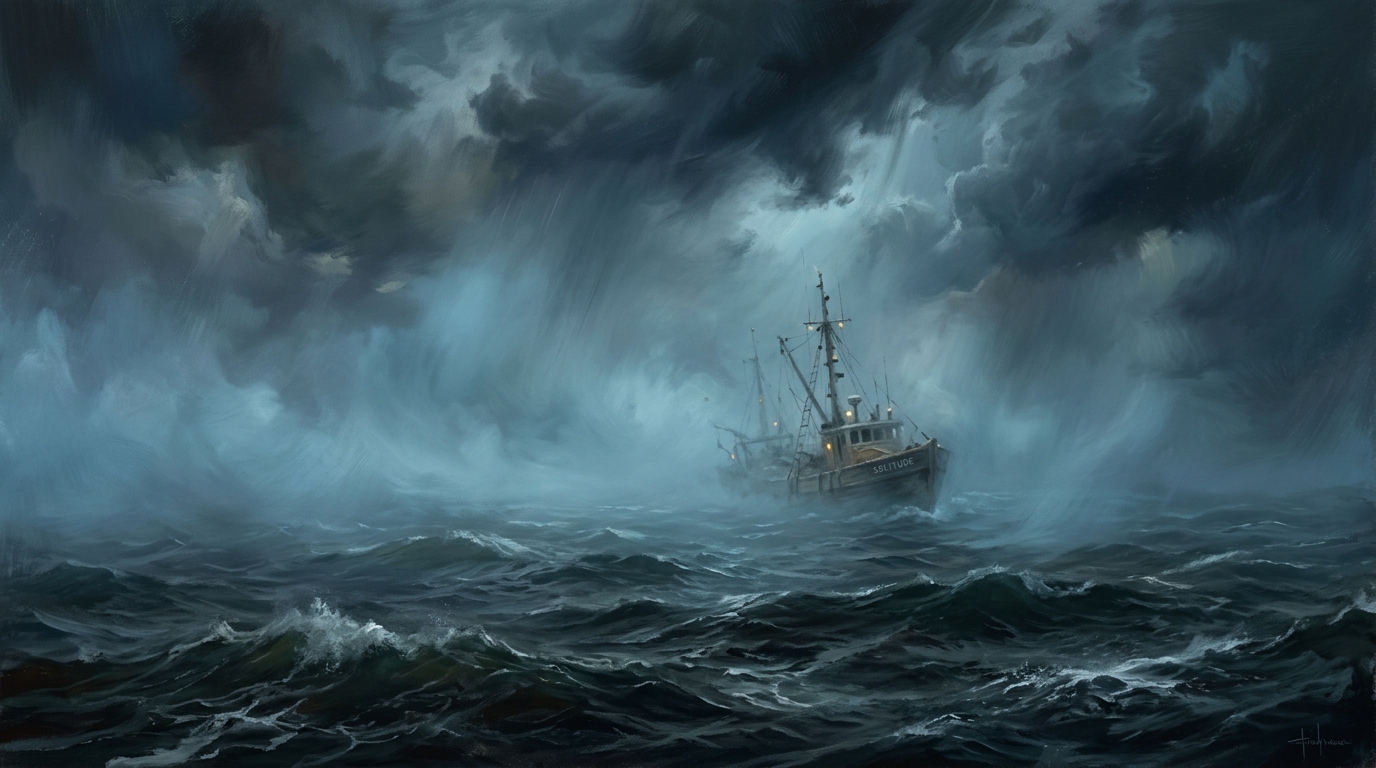
For experts and historians, the 28 pages torn from the logbook most likely contained the full account of the ordeal endured by the men of “El Fausto.” The farewell message suggests that Julio’s wife might have understood the whole truth if she had been able to read the missing pages. But why were they destroyed, and above all, why did the crew refuse the “Duchess’s” lifesaving assistance in July 1968?
Several hypotheses have been put forward over the decades. Some have speculated that the sailors were attempting to flee clandestinely to Venezuela to start a new life there, or that they were involved in illegal trafficking. Nevertheless, background checks showed that all of them were respectable family men with no criminal records and fully integrated into society. Others have suggested a political angle linked to the Movement for Self-Determination and Independence of the Canary Islands (MPAIAC), citing the presence of explosives on board. This theory, however, fell apart, as the terrorist group did not begin its violent activities until several years after the ship’s disappearance.
A particularly grim hypothesis suggests that a stowaway or a pirate was hiding on board during the encounter with the “Duchess,” threatening the crew to prevent them from accepting the tow. A more rational explanation points to a phenomenon of mass hysteria caused by dehydration and hunger, impairing the sailors’ judgment to the point of making them believe they could reach the coast on their own. However, this theory does not explain why three of the bodies had vanished when the “Anna Di Maio” located the boat, leaving the mystery of “El Fausto” unsolved.
Source: popularmechanics.com
The Mystery of El Fausto: The Strange Fate of a Ghost Ship and Its Crew


