

A New Look at GJ 3378b, an Intriguing Cosmic Neighbor
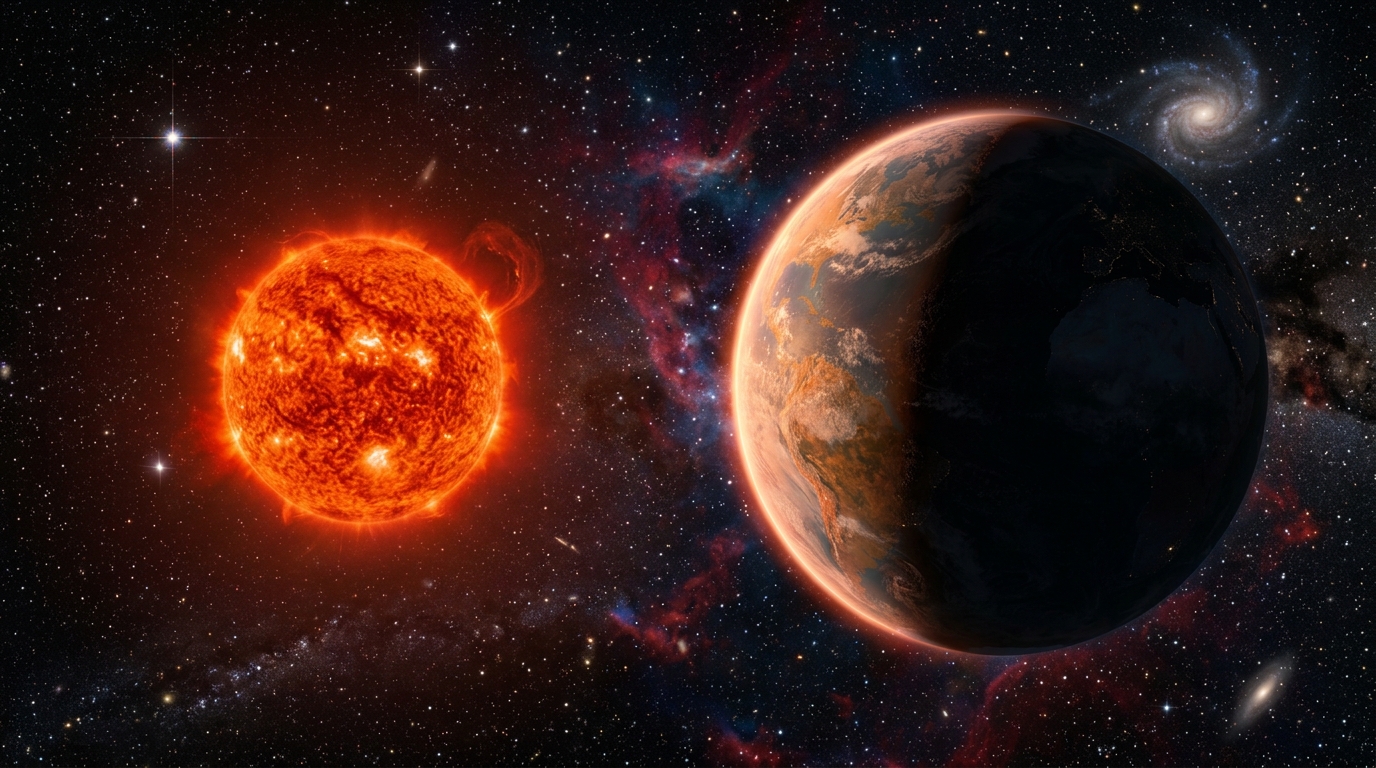
Early observations classified it as either a massive super-Earth or a sub-Neptune—categories of worlds previously considered too large to support life as we know it. According to recent data published in the journal The Astrophysical Journal, astronomers have radically revised their estimates, placing this world among the most promising targets in our immediate galactic neighborhood.
Physical characteristics much closer to those of Earth

Initial calculations estimated GJ 3378b’s mass to be 5.26 times that of Earth. Such a mass suggested a thick gaseous envelope that would be unlikely to support the formation of a solid surface. However, new measurements have reduced this estimate to just 2.3 Earth masses, which significantly increases the likelihood that this planet has a rocky composition similar to our own.
In addition to this reduced size, scientists have calculated its equilibrium temperature, which is just under 0 °C (32 °F). This purely theoretical estimate takes into account only the light received from its star, without considering the influence of a possible atmospheric envelope. This moderate climate makes it an ideal laboratory for exobiology researchers.
The study’s authors emphasize the importance of this discovery, stating in their scientific paper that “GJ 3378 b is therefore among the exoplanets potentially most similar to Earth known within the solar neighborhood of 10 pc [32 light-years].” This geographical proximity greatly facilitates future observation campaigns using next-generation telescopes.
A precise orbital position within the habitable zone
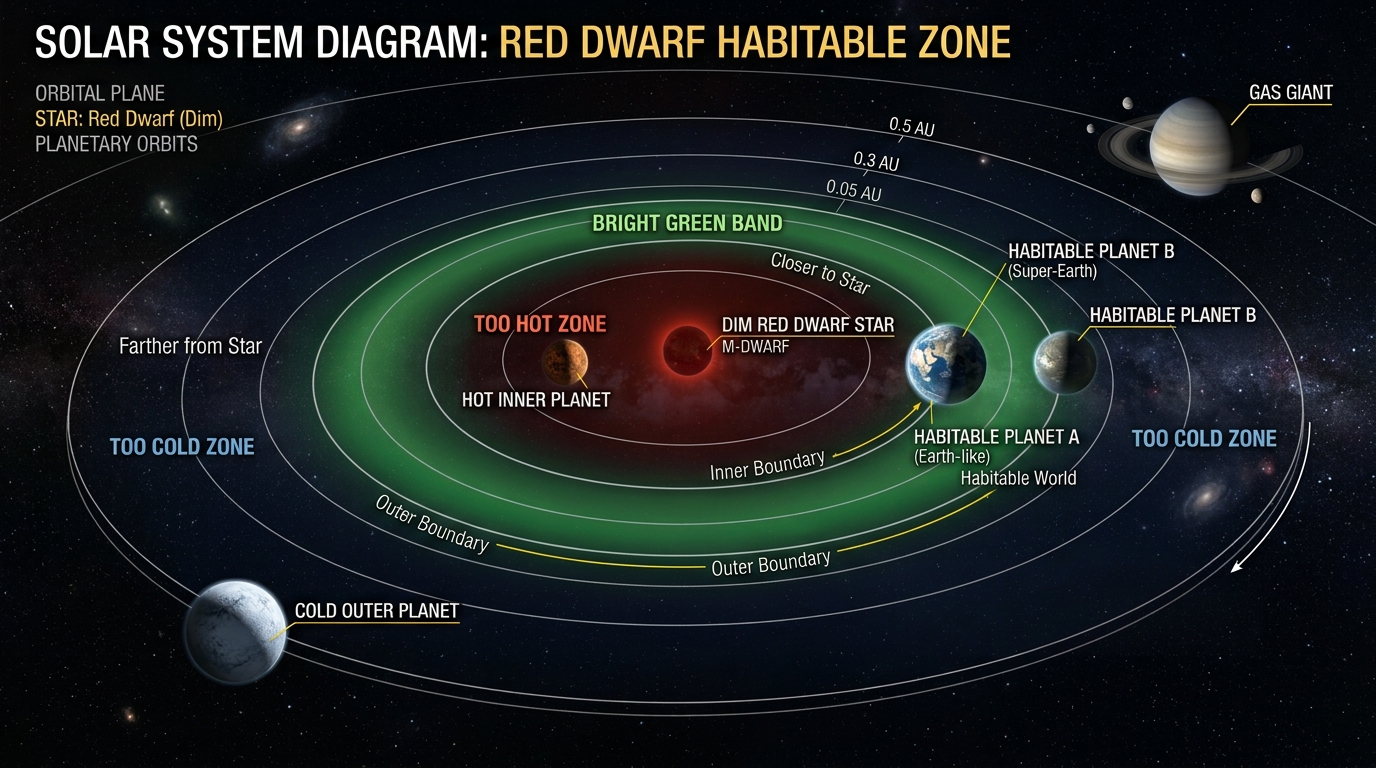
The concept of the cosmic shore and the risk of atmospheric loss
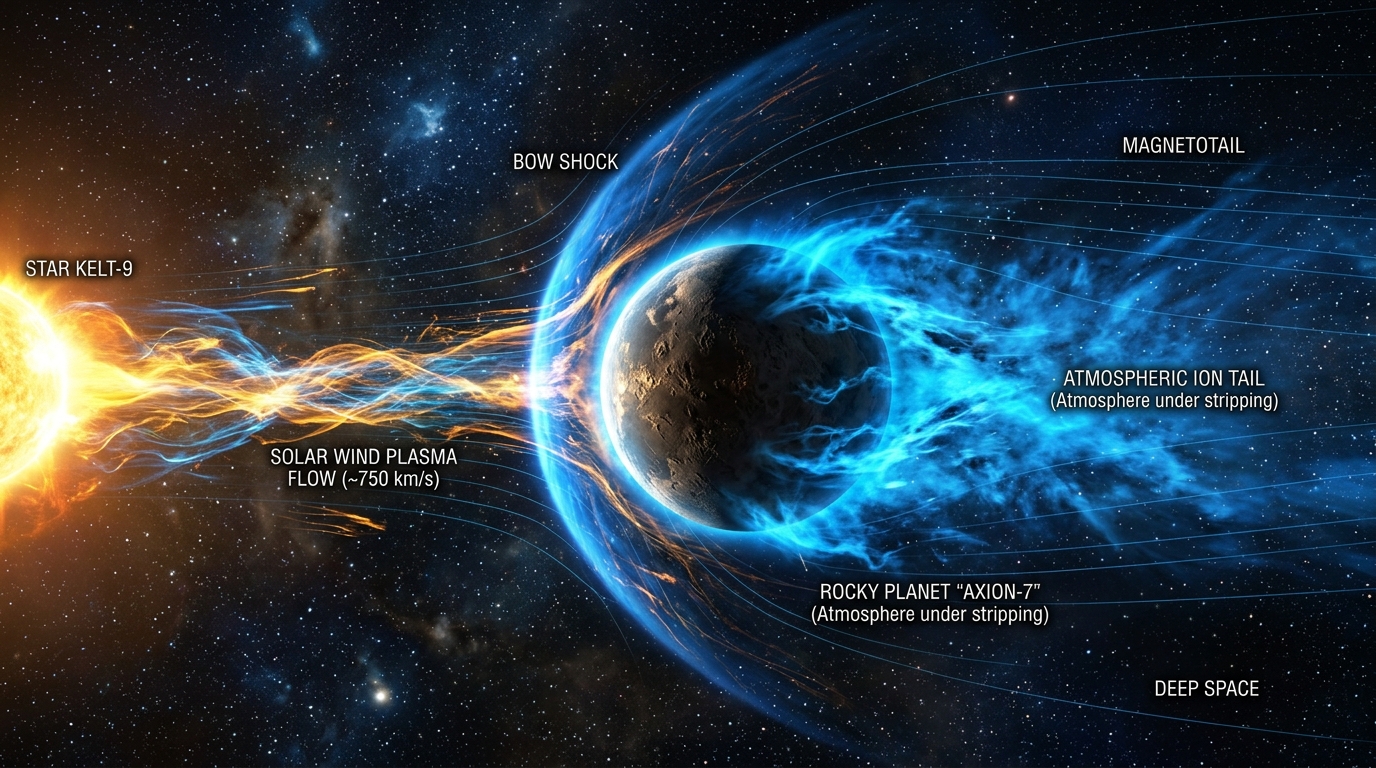
Although these revisions are encouraging, they are accompanied by a change in the planet’s orbital path. GJ 3378b now takes about 21.45 days to complete one full orbit around its star, compared to nearly 25 days according to previous estimates. This closer orbit exposes the planet to a formidable phenomenon known as the “cosmic shore.”
This poetic term, which may evoke the famous cosmic cliffs immortalized by the James Webb Space Telescope, actually refers to a ruthless physical boundary. The cosmic shore separates worlds capable of retaining an atmosphere from those that inexorably lose theirs due to stellar wind and the planet’s gravity. Red dwarfs regularly eject streams of energetic particles capable of eroding the gaseous atmospheres of planets that come too close—a fate similar to that suffered by Mars.
Further observations are essential to unravel the mystery

GJ 3378b’s proximity to this critical boundary of the cosmic shore means that future observation campaigns will be necessary to determine whether it still possesses a protective atmosphere. Scientists plan to leverage the capabilities of current and future instruments to analyze the chemical composition of its potential gaseous envelope.
The study of this system provides valuable data to refine our models for detecting habitable worlds in the near term. As radial velocity and transit measurement techniques improve, the discovery of habitable rocky planets in our immediate vicinity is accelerating, paving the way for a better understanding of Earth’s place in the universe.
Source: iflscience.com
GJ 3378b: This Earth-like exoplanet may be rocky, but its atmosphere is at risk


