Skip to content

The Mystery of the Age of the Universe Shed Light on by a Massive Survey
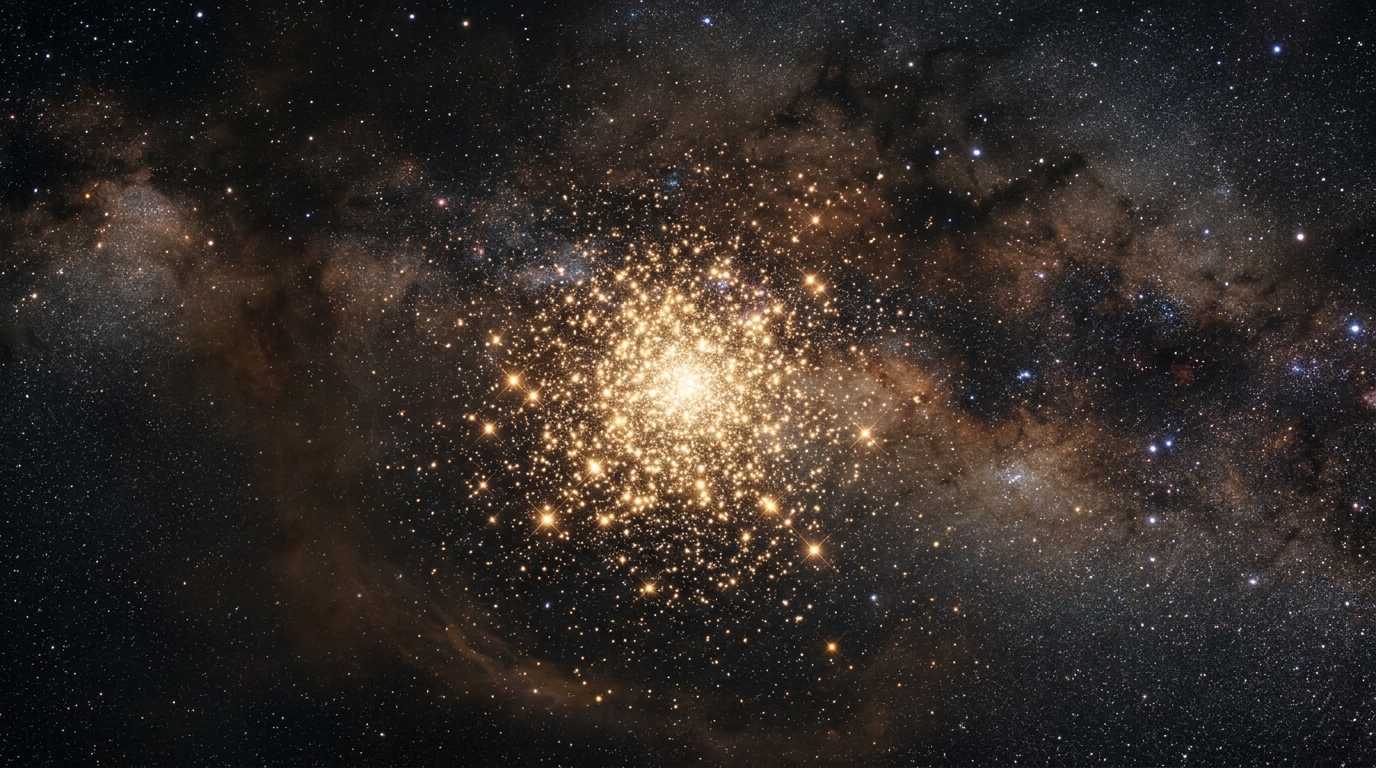
Determining the exact age of our universe remains one of the greatest challenges in modern astrophysics. Recently, a team of astronomers made a decisive breakthrough by analyzing the ages of more than 155,000 stars in the Milky Way. This independent estimate provides strong support for the standard cosmological model, suggesting that our cosmos was indeed born about 13.8 billion years ago.

This new research, conducted by an international team and submitted to the preprint platform arXiv on July 1, relies on a rigorous methodology to circumvent current debates over the rate of space’s expansion. As reported in an article on Phys.org, this work could well redefine our understanding of cosmic evolution.

The Hubble Tension and the Expansion Dilemma
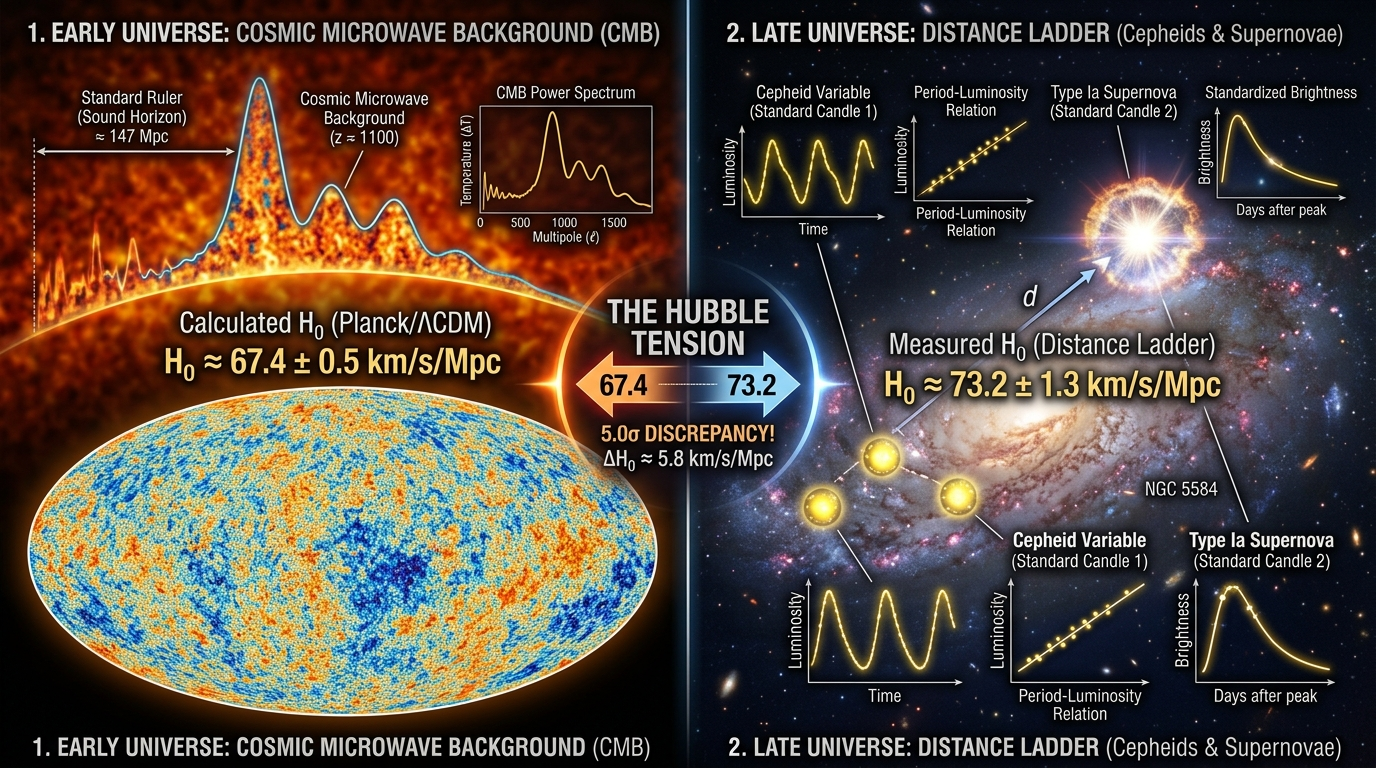
The age of the universe is intrinsically linked to a major scientific puzzle known as the “Hubble tension.” This discrepancy stems from two distinct methods for measuring the Hubble constant, which defines the rate of the cosmos’s expansion. The first method relies on the cosmic microwave background—a residual glow from the Big Bang—and yields a certain theoretical value.

The second method uses direct measurements in our nearby cosmic environment, notably through the observation of variable stars called Cepheids and supernovae. The problem is that these two approaches show a discrepancy of about 9%, creating an unexplained contradiction between theory and local observation.

If the standard model of cosmology based on the cosmic microwave background is correct, the universe is approximately 13.8 billion years old. However, if the locally measured expansion rate has held true throughout cosmic history, the age of the universe would be only 12.5 to 12.9 billion years. Astronomers are actively searching for explanations for this anomaly.

Stellar Fossils to Date the Cosmos

To try to resolve this contradiction, the research team led by Indranil Banik of the University of Portsmouth took an original approach. They measured the minimum age of the universe by identifying the oldest stars in the Milky Way. These ancient stars function as veritable temporal archives of space.

The scientists explain in their publication: “We can also achieve this by studying the oldest galactic stars, which serve as ancient ‘fossils’ that provide insight into the history of the universe.” By discovering an extremely old star, we obtain an absolute lower limit on the age of the universe, to which we must add the time required for the first stars to form after the Big Bang.

A massive sample of 155,600 stars under observation
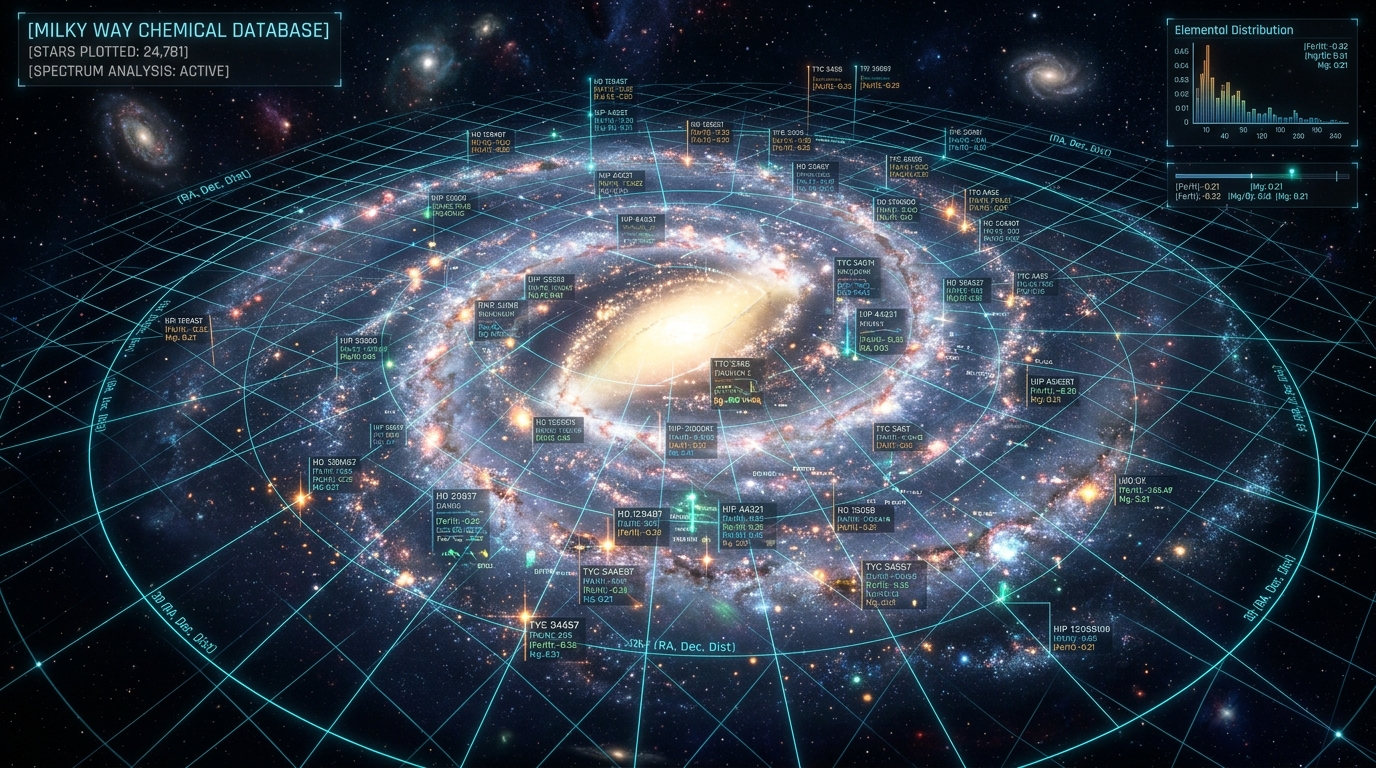
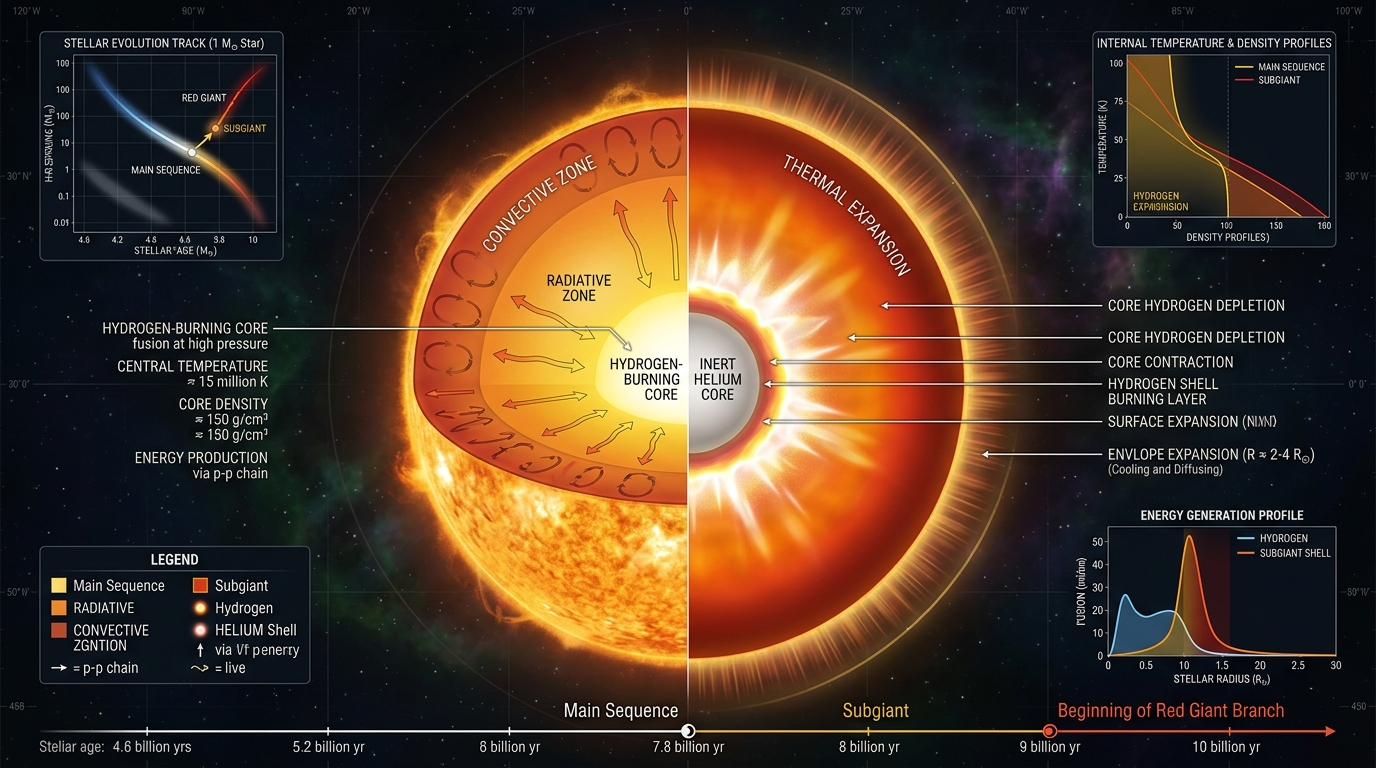
The researchers began their study with an initial group of 247,031 so-called “subgiant” stars—a phase in their life cycle during which their age can be determined with great precision. These data come from the LAMOST spectroscopic telescope and the European Space Agency’s Gaia satellite. The team then carefully filtered this sample to eliminate stars whose chemical composition did not match the typical characteristics of old stars.

After cross-checking with another independent analytical method, the scientists retained a final sample of 155,600 stars. Analysis of these relics from the past shows that the oldest star in this group is approximately 13.73 billion years old, with a margin of uncertainty ranging from plus 0.18 to minus 0.15 billion years.

Estimating that it took about 200 million years after the Big Bang for this star to form, this result aligns perfectly with the predictions of the standard cosmological model based on the cosmic microwave background. This consistency reinforces the hypothesis of a 13.8-billion-year-old universe.

The hypothesis of a local void or late evolution
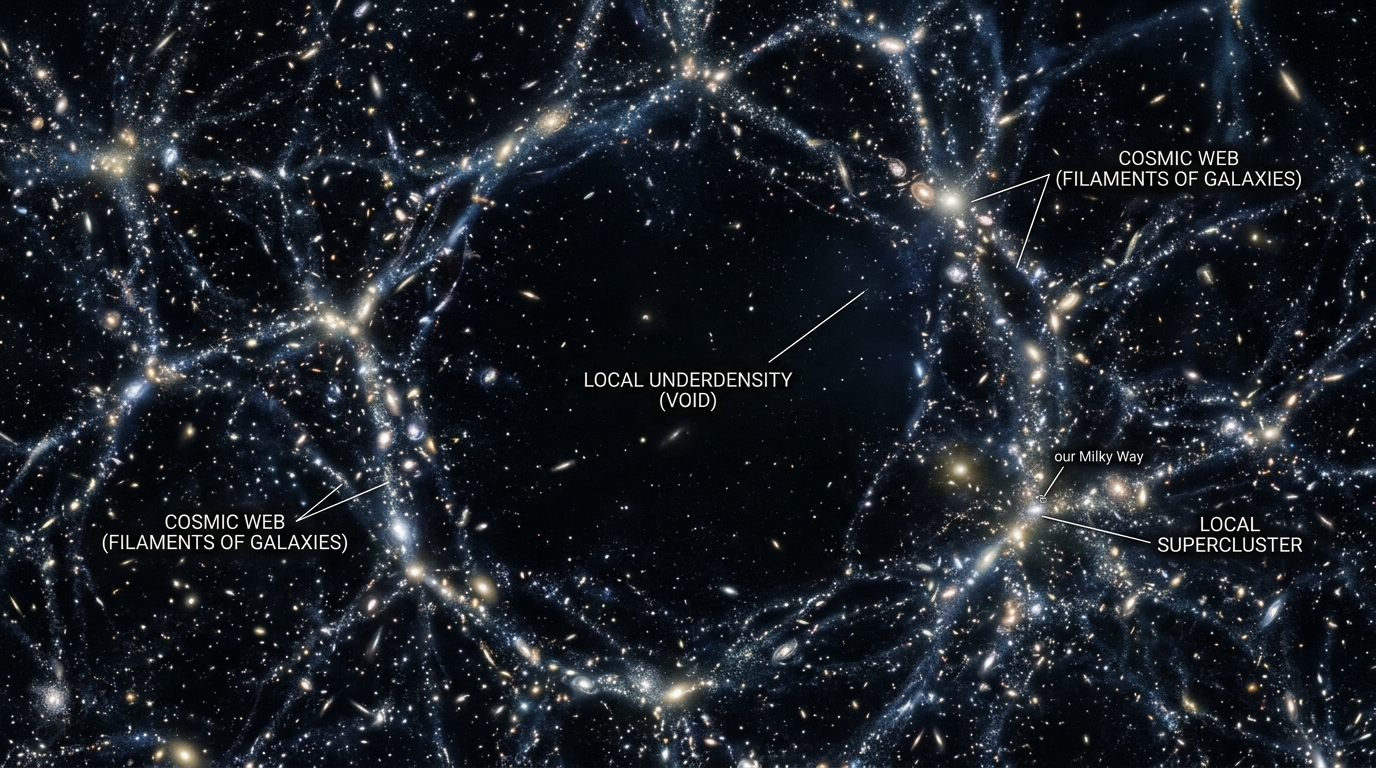
Although promising, these results have limitations that scientists are quick to point out. Five major sources of uncertainty could still influence the calculations: sample size, qualitative data selection, assumptions in stellar models, timescales of star formation, and theoretical predictions. Each of these factors limits the precision of the measurements by approximately 150 to 200 million years.

Nevertheless, the age obtained remains significantly higher than what would be expected if the Hubble tension resulted from new physics that had altered the entire history of expansion. Instead, the researchers favor theories suggesting that the expansion anomaly is a much more recent phenomenon.

The study’s authors explain: “Taken together, these results suggest a late-universe solution to the Hubble tension. Another possibility is that the Hubble tension is due to a large local underdensity or a void.” Such a void would create the illusion of accelerated local expansion. To explore these findings further, the full details of the work by Indranil Banik and his colleagues are available via the publication DOI 10.48550/arxiv.2607.00764.

Source: phys.org

A massive stellar census confirms that the universe is 13.8 billion years old

facebook icon twitter icon linkedin icon
Copied!

Comments

0 0 votes
Article Rating
Subscribe
Notify of
guest
0 Comments
Newest
Oldest Most Voted
More Content