

A chance discovery in the archives of the National Library of France
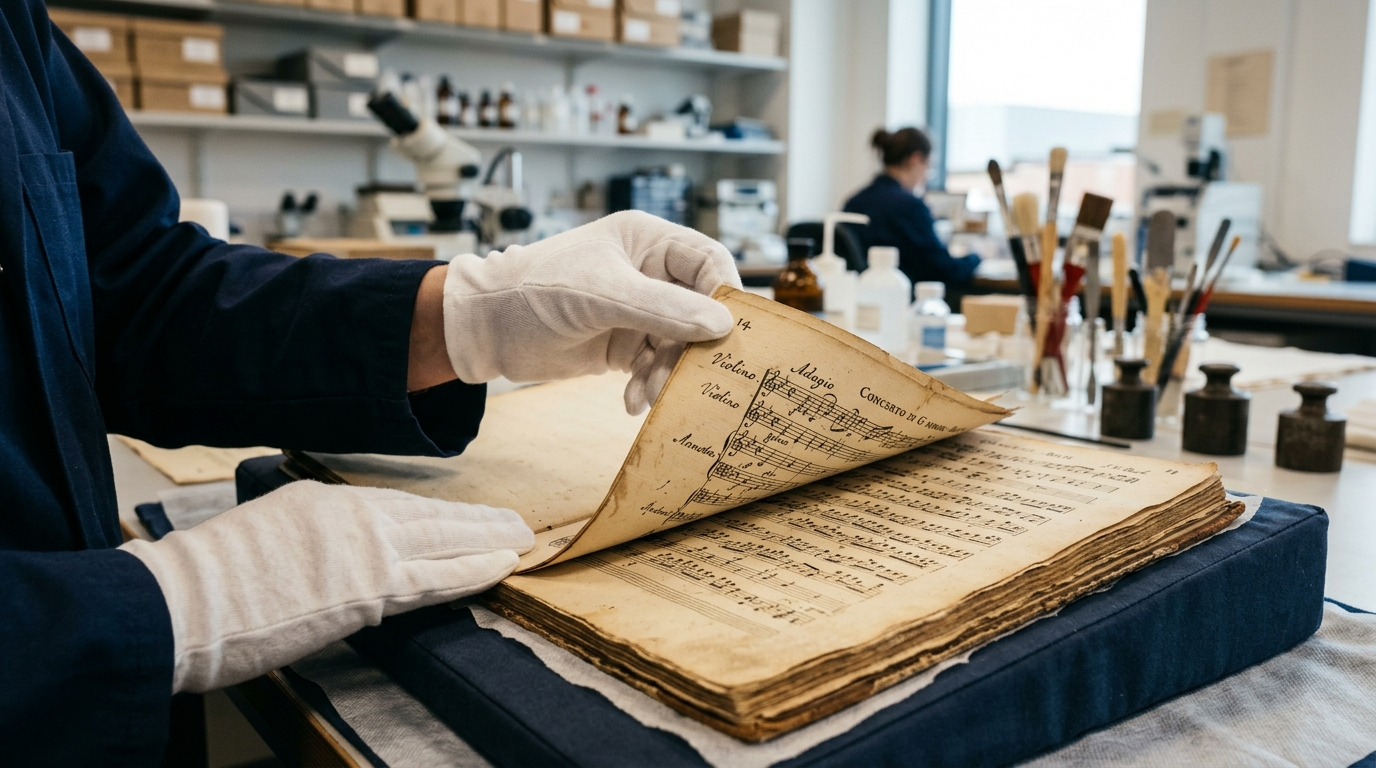
In February 2026, a major discovery shook the world of classical music. In the Music Department of the National Library of France, an attentive archivist unearthed a priceless document that had remained anonymous for nearly two and a half centuries. According to a report published by Biography.com, the discovery of this notebook of musical exercises sheds light on a fascinating episode in the composer’s life in Paris.
It was while examining a batch of unidentified manuscripts that archivist François-Pierre Goy noticed a 44-page notebook. Filled with exercises and short compositions, this document immediately aroused his suspicion regarding the identity of its author. The fine, distinctive cursive handwriting strikingly resembled that of one of the greatest geniuses in the history of music.
Mozart’s Difficult Quest for Recognition in Paris
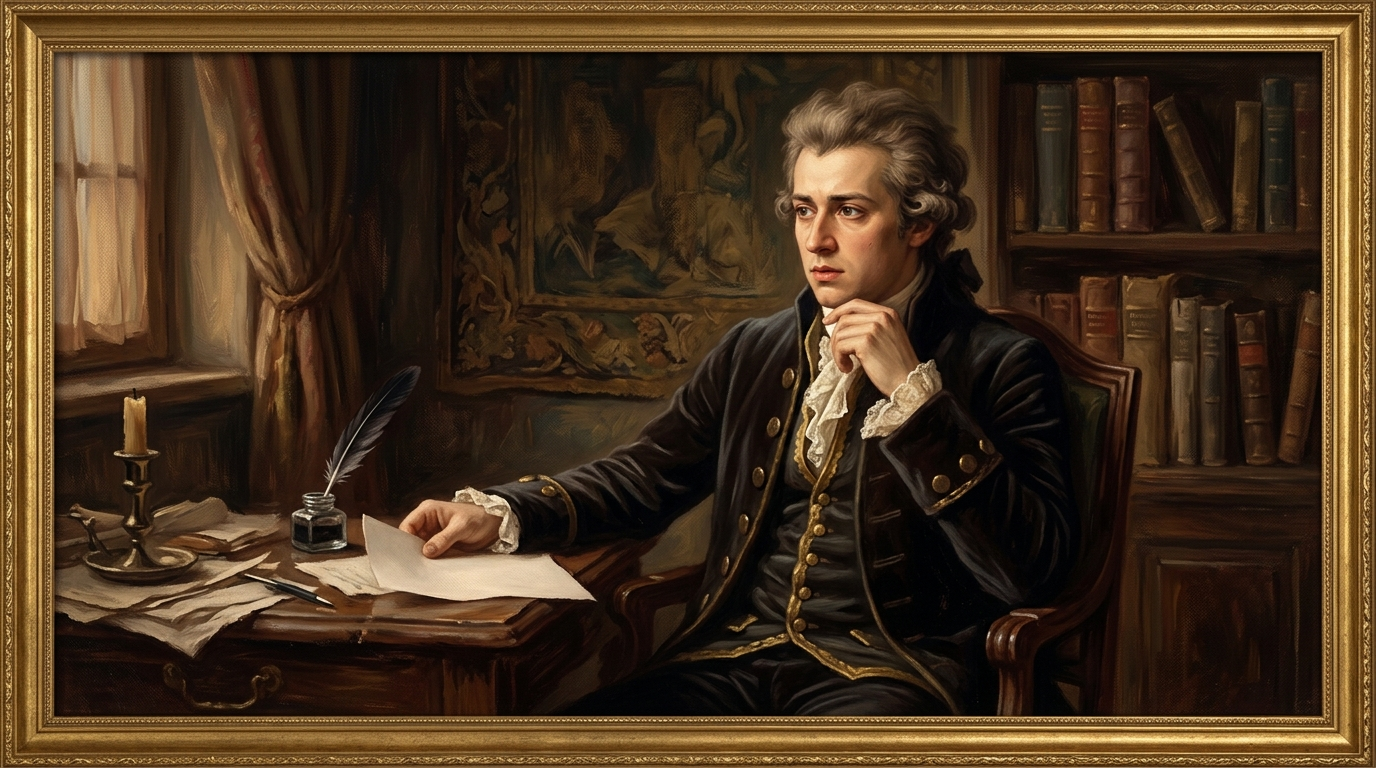
It was in this precarious situation that he met Adrien-Louis Bonnières de Souastre, better known as the Duke of Guînes. This wealthy aristocrat, a passionate amateur flutist in his youth, was looking for a teacher for his daughter, Marie-Louise-Philippine, herself an accomplished harpist. The duke then hired Mozart to teach the young woman composition and to commission works from him that they could perform as a duo.
The Birth of a Masterpiece and the Discovery of Unpublished Pieces

For centuries, the official story held that this famous concerto was the result of a sudden, dazzling burst of inspiration, typical of Mozart’s burgeoning genius. However, the discovery of the notebook in 2026 upended this historical certainty, revealing meticulous preparatory work. Mozart had, in fact, spent months devising exercises and melodies tailored to the playing style and expectations of the duke and his daughter.
The significance of this discovery was celebrated on June 21, 2026. On that day, the six short, previously unpublished pieces contained in the notebook were recorded and performed in public for the very first time during a memorable concert in the Oval Room of the National Library of France, offering a new perspective on the composer’s work in Paris.
The Affront at the Hôtel de Castries and the Secrets of a Speculative Duke

Behind this artistic collaboration lies a much more bitter reality: Mozart never received the payment promised by his prestigious patron. In July 1778, the composer went in person to the duke’s Parisian residence, the Hôtel de Castries, to claim what was owed to him. The Duke of Guînes refused to receive him and had a servant deliver a purse containing only half the agreed-upon sum.
Deeply offended by this gesture, which he considered an insult to his honor, Mozart categorically refused the money and left empty-handed. In a letter to his father, he expressed his indignation, stating that the nobleman treated him like a “stupid German.” This haughty behavior on the part of the Duke of Guînes was, in fact, part of a life marked by deceit and political scandals.
When the French Revolution Sets the Record Straight

The Duke of Guînes’ arrogance and pathological distrust undoubtedly led him to deceive the young Austrian musician. Yet fate had a spectacular twist in store for both men. On July 14, 1789—eleven years after Mozart’s humiliation—the people of Paris stormed the Bastille, marking the beginning of the French Revolution.
As a member of the wealthy aristocracy, the Duke of Guînes was quickly targeted by the new republican regime. Forced to flee France in 1793 to save his life, his assets and properties were seized by the revolutionary government. Among these confiscated possessions were the precious exercise books he had refused to pay Mozart for.
In an ironic twist of historical fate, what was once private aristocratic property became part of the nation’s public heritage. The archives of the Revolution thus preserved the written record of Mozart’s tireless work. Although the composer never received his payment, his work outlived the debt, the duke, and the Ancien Régime that had given rise to them, offering a poetic conclusion to this centuries-old injustice.
Source: popularmechanics.com
An archivist has discovered a 248-year-old notebook by Mozart containing lost works with surprising revelations


