Skip to content

A New Chapter in the Biological History of the Shroud of Turin
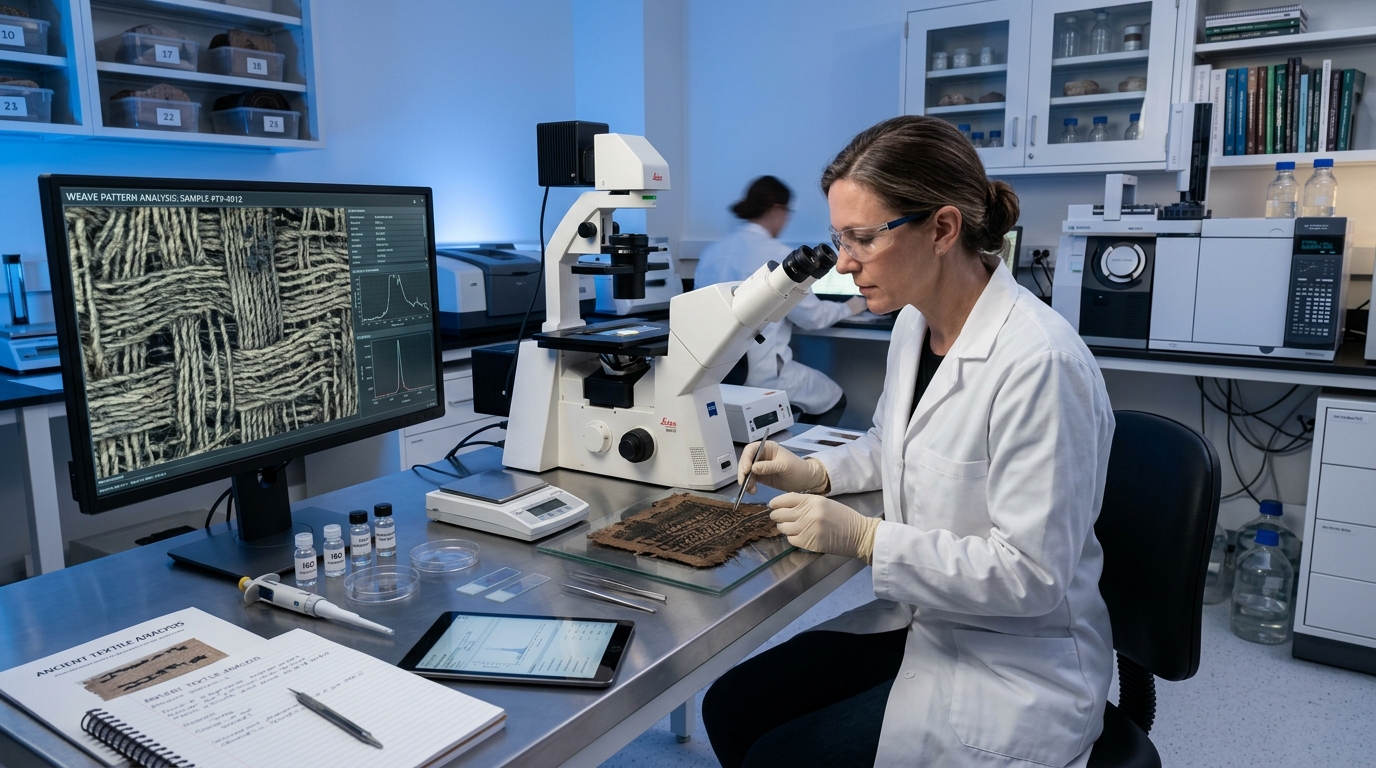
The Shroud of Turin, one of the most scrutinized and debated archaeological relics in human history, is revealing new secrets. A recent scientific study, published in the prestigious journal Scientific Reports, sheds light on the biological complexity preserved at the very core of its fibers. This research offers a unique perspective on the centuries of handling and travel endured by this iconic cloth.

The study is based on research coordinated in particular by the writings and analyses of the eminent researcher Gianni Barcaccia and his collaborators. By analyzing the accumulated DNA traces, the multidisciplinary team has produced an extremely detailed map of the interactions the cloth has undergone. This major breakthrough provides a better understanding of the physical and human environment that has surrounded the relic throughout the ages.

This international collaborative project redefines our understanding of the conservation of historical artifacts. Far from being a mere inert piece of fabric, the Shroud proves to be a true dynamic biological archive. The analysis thus reveals how human history is physically imprinted on the material at the microscopic level.

State-of-the-art methodology applied to historical samples from 1978

To achieve these results, scientists had access to official samples taken from the Shroud of Turin in 1978. These fragments of linen, preserved for nearly fifty years, were subjected to analyses using the latest technologies in genomics and forensic proteomics. This meticulous work was conducted in part with the collaboration of the University of Central Lancashire.

The team employed a next-generation metagenomic sequencing method that is particularly rigorous and PCR-free (polymerase chain reaction). This approach allows for the direct study of the genomic DNA preserved in the linen fibers without artificially amplifying any potential recent contaminants. The process thus provides the most reliable and comprehensive biological reconstruction obtained to date.

Researcher Noemi Procopio, a professor of forensic science at the University of Lancashire, explains the significance of this technological breakthrough. "The Shroud of Turin continues to fascinate historians, scientists, and the public, and we are delighted to reveal new information about the biological complexity preserved within samples collected nearly 50 years ago by applying cutting-edge forensic DNA technologies," she says.

Unexpected biodiversity trapped within the fabric
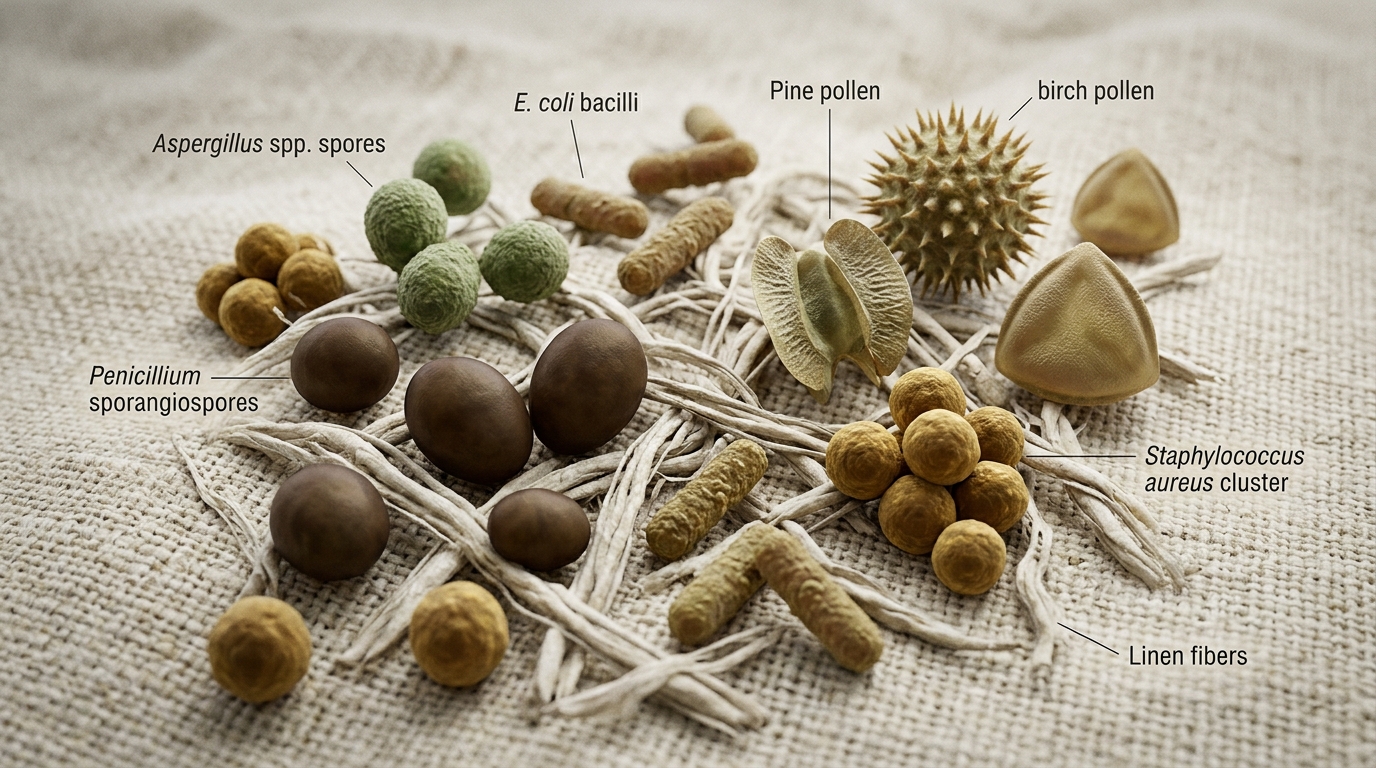
Genetic analyses have revealed a surprisingly rich microscopic ecosystem. Researchers identified several lineages of human mitochondrial DNA, evidence of the many people who have handled or come into contact with the fabric over the centuries. Added to this is a diverse microbiome composed of bacteria, fungi, and halophilic microorganisms—that is, salt-loving organisms.

Beyond these human and microbial signatures, scientists detected traces of DNA from cultivated plants and domesticated animals. Genetic markers from cultivated wheat, carrots, corn, bananas, and peanuts were thus identified on the relic. These plants, in their own way, tell the story of the everyday environment of the Shroud’s successive custodians and visitors.

The animal kingdom is also represented by traces of DNA from cattle, pigs, chickens, dogs, and cats. Furthermore, the presence of DNA from Mediterranean red coral has been confirmed. Taken together, these data bear witness to the multiple ecosystems and diverse cultural contexts in which the shroud was displayed or preserved throughout its historical existence.

Reconstructing the Shroud’s Movements and Handling

The biological traces discovered provide valuable clues about the relic’s handling, storage, and geographic movements. Fungi and salt-tolerant archaea suggest specific preservation conditions, sometimes in humid or coastal environments. Each identified organism serves as a silent witness to a specific era or location through which the artifact has passed.

The identification of plant and animal species native to different geographic regions supports the hypothesis of a long journey across the globe. The researchers note that these biological traces do not allow for the precise dating of the fabric or the validation of its absolute historical or religious authenticity. However, they demonstrate the ability of modern metagenomics to reconstruct the environmental history of a complex cultural heritage object.

"The Shroud represents a rich archive of genetic information that has accumulated over centuries of human interaction and environmental exposure. Although DNA evidence cannot answer all questions about the fabric’s age or authenticity, it provides unprecedented insights into its biological history and demonstrates how advances in forensic science can reveal new information from historical artifacts,” says Noemi Procopio.

The Limits and Promise of Forensic Science Applied to History
The findings of this study, published under DOI: 10.1038/s41598-026-60684-7, highlight the difficulty of isolating any original DNA that would be uniquely associated with the shroud’s initial creation. Centuries of repeated human contact have made this identification impossible, as genetic signatures have become inextricably superimposed and intertwined over time.

Nevertheless, this research validates the power of advanced metagenomic approaches for studying the conservation of ancient artifacts. Forensic science is no longer limited to solving contemporary investigations; it is becoming an indispensable tool for historians and museum curators, offering a non-invasive method for deciphering humanity’s material past.

The study by Gianni Barcaccia and his colleagues thus sets new benchmarks for the analysis of ancient textiles and historical relics around the world. For any complex medical or scientific questions, consult a qualified healthcare professional or an expert in the relevant field.

Source: phys.org

DNA from the Shroud of Turin Reveals New Clues About Its Biological History

facebook icon twitter icon linkedin icon
Copied!

Comments

0 0 votes
Article Rating
Subscribe
Notify of
guest
0 Comments
Newest
Oldest Most Voted
More Content