

The name of a woman carved into stone nearly 2,000 years ago may finally have been identified


The Age-Old Mystery of a Name Carved in Stone
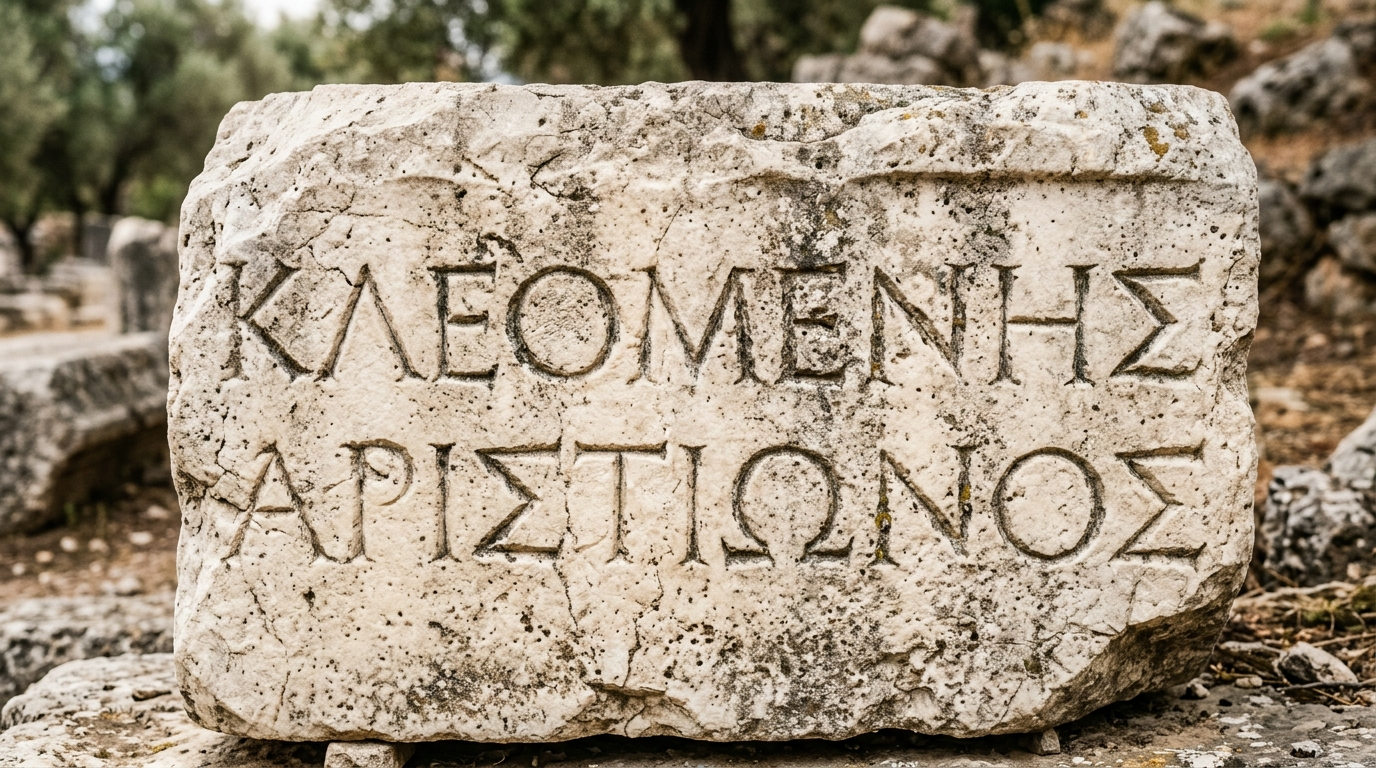
Overlooking a 2,000-year-old well in the ancient city of Butrint, Albania, an engraving has puzzled historians. Written in stylized Greek letters over a length of more than two meters, the inscription translates to “Junia Rufina, friend of the Nymphs.” Discovered around 1930, this dedication has remained an enigma to the archaeological community for nearly a century, raising countless questions about the role of this mysterious woman.
Butrint, a Strategic Crossroads Under the Auspices of Emperor Hadrian
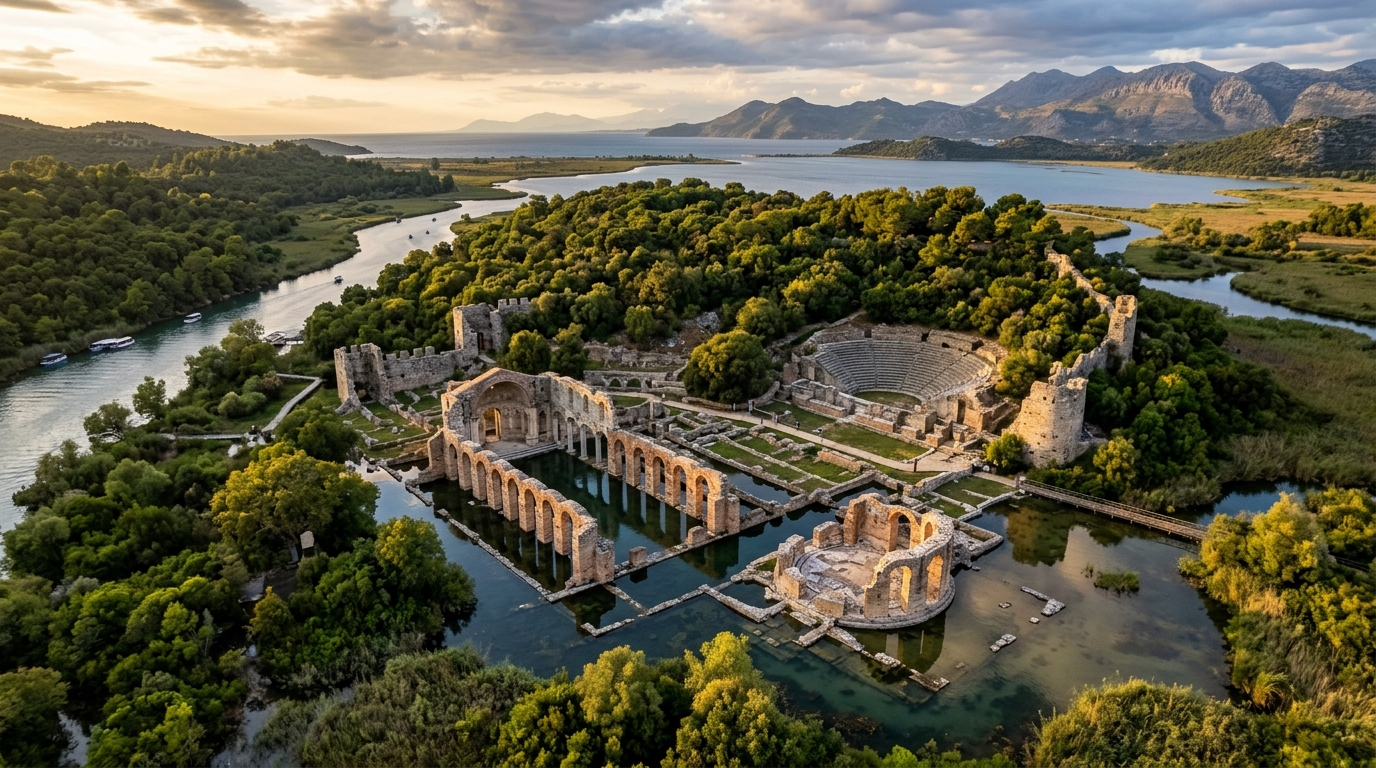
Located in what is now southern Albania, near the Greek border, the city of Butrint experienced remarkable growth during the reign of Emperor Hadrian in the second century CE. It was during this period that a natural spring was transformed into a monumental well, reflecting a desire to combine Greek architectural traditions with Roman construction techniques to make it a central feature of the city’s urban design.
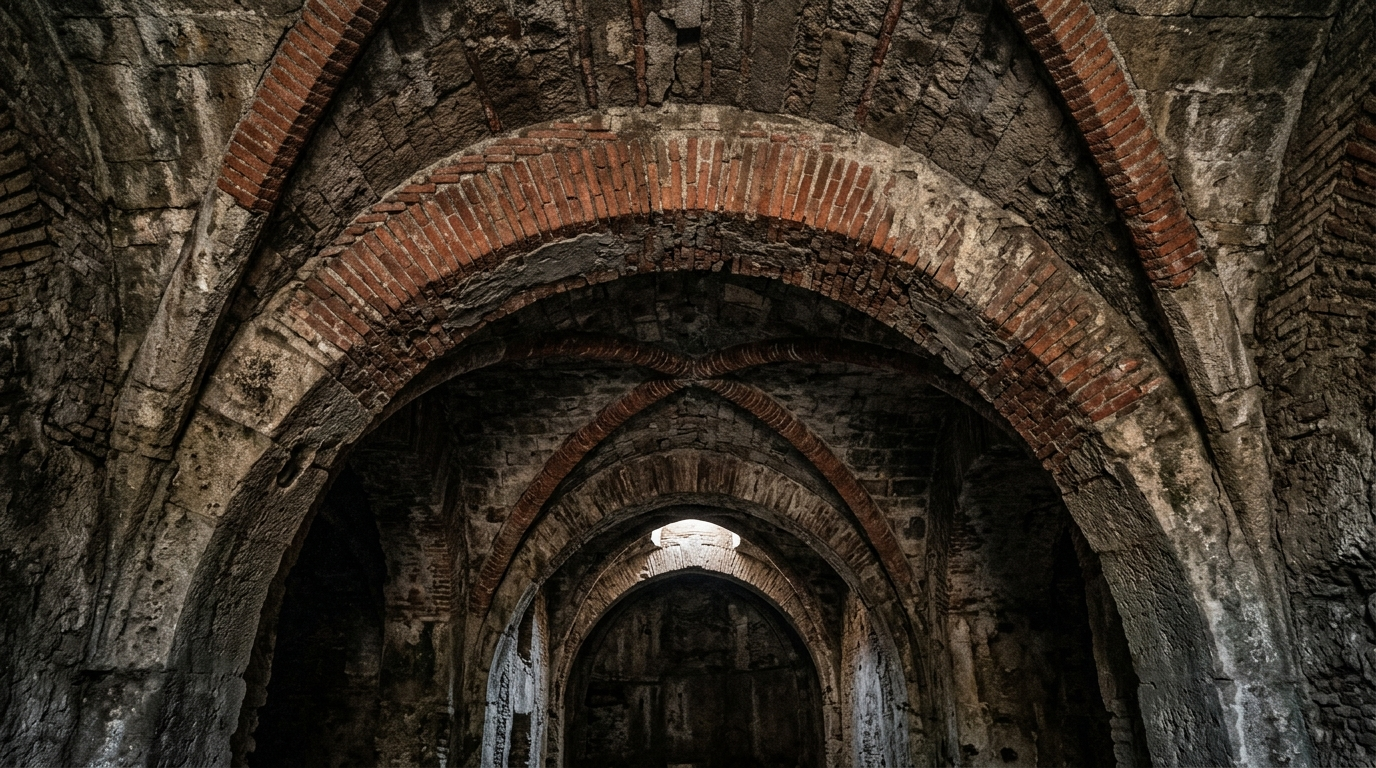
Although the spring existed in its natural state, the Romans completely restructured the site into a public well featuring stone walls, brick arches, and paved areas. This project was part of Hadrian’s policy of large-scale public works; he was renowned for promoting the construction of thermal baths, aqueducts, fountains, and wells throughout the Roman Empire, including at Butrint.
Female Philanthropy in the Roman World
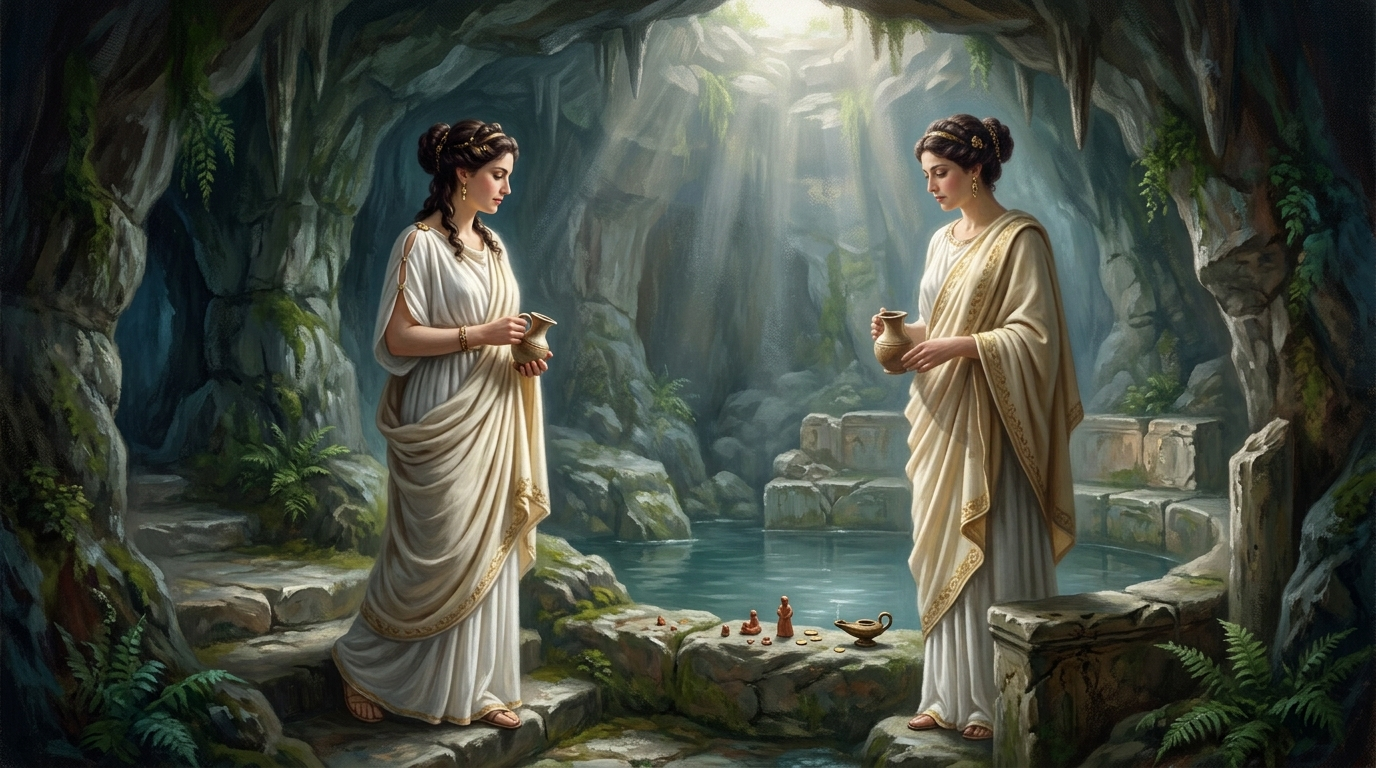
For Milena Melfi, the close connection between Junia Rufina and this monument attests to the “power and prestige associated with female patronage within families whose networks extended throughout the empire during Hadrian’s reign.” Women of Roman high society frequently used their personal fortunes to finance public infrastructure, a civic practice known as evergetism.
The Origins of an Influential Lineage
The surname suggests a direct connection to the Junii Rufini family, an extremely wealthy Roman clan with close ties to the circles of imperial power. Milena Melfi puts forward the hypothesis—supported by corroborating genealogical evidence—that Junia Rufina may have been the daughter of Marcus Junius Rufus, prefect of Egypt, and the half-sister of Julia Balbilla.
This prestigious lineage would explain her presence in Butrint. As a member of an influential family linked to Hadrian’s inner circle, she was likely on site during the emperor’s official visit to the region, either as part of the imperial entourage or acting as a hostess to welcome him.
The embodiment of Hadrian’s cosmopolitan ideal

According to analyses by the Oxford archaeologist, Junia Rufina represents the “perfect embodiment of the new community of Greek language and education envisioned by Hadrian.” She illustrates how women of the elite managed to establish themselves as major players in the public and political life of the Empire.
The case of this monumental well highlights how public works projects—particularly those related to water supply—transformed the character of Roman cities in the second century CE. These initiatives allowed female donors to consolidate their influence and leave a lasting mark on the urban landscape.
As Milena Melfi writes in her conclusions, “Whether by following her family’s tradition of philanthropy and loyalty to the provincial administration, or by acting decisively to consolidate her position within the local elite, Junia Rufina ensured, through her public generosity, that her name would be remembered for generations to come.”
Valuable insight into the role of women in antiquity
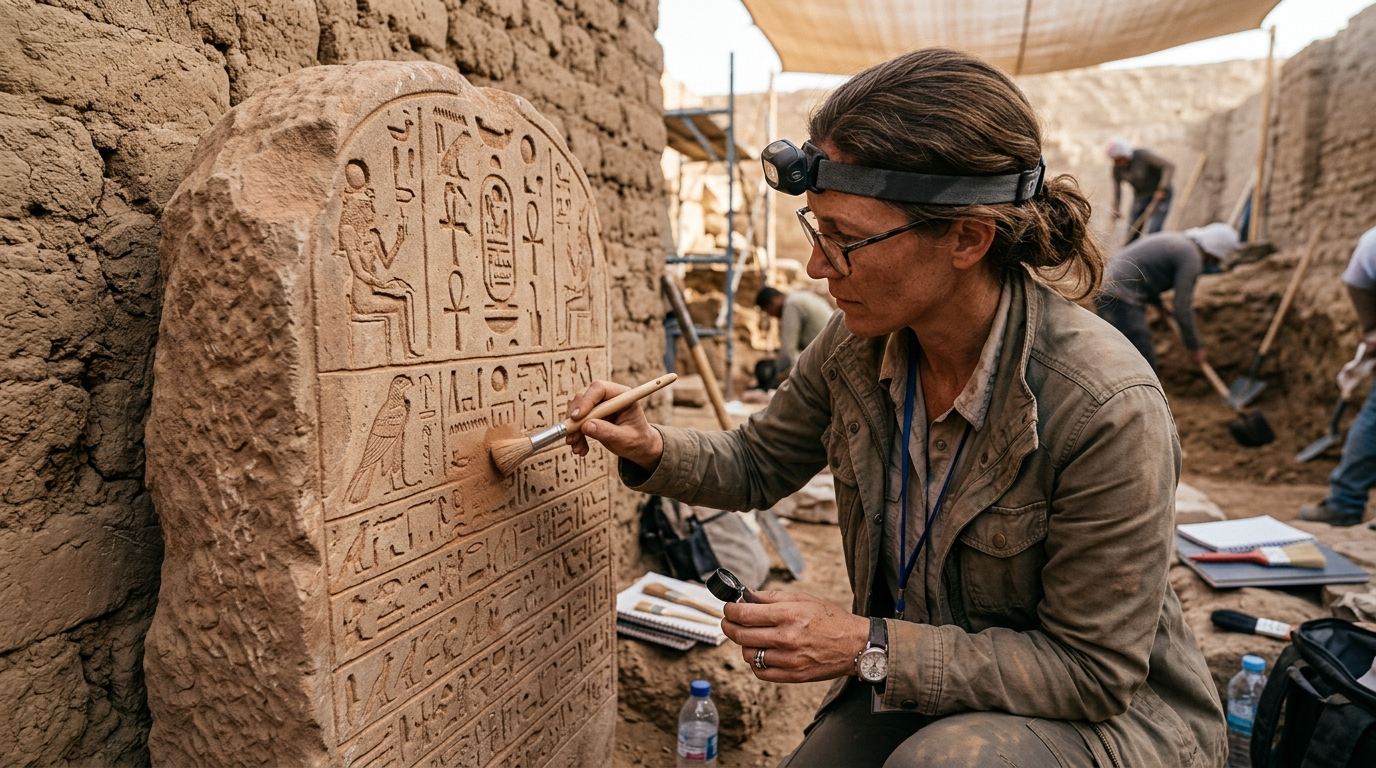
The rediscovery of Junia Rufina’s probable identity adds to the list of women who played a decisive role in the development of ancient municipal infrastructure. This study confirms that evergetism was not the exclusive preserve of men in the imperial administration.
The ancient city of Butrint—which served successively as a Roman colony under Caesar and Augustus, a major Byzantine port, and later a Venetian and Ottoman fortress—continues to reveal its secrets. Junia Rufina’s well remains one of the most fascinating examples of the enduring nature of monuments through historical upheavals.
Source: popularmechanics.com
The name of a woman carved into stone nearly 2,000 years ago may finally have been identified
