

The Silent Danger of 20th-Century Shipwrecks
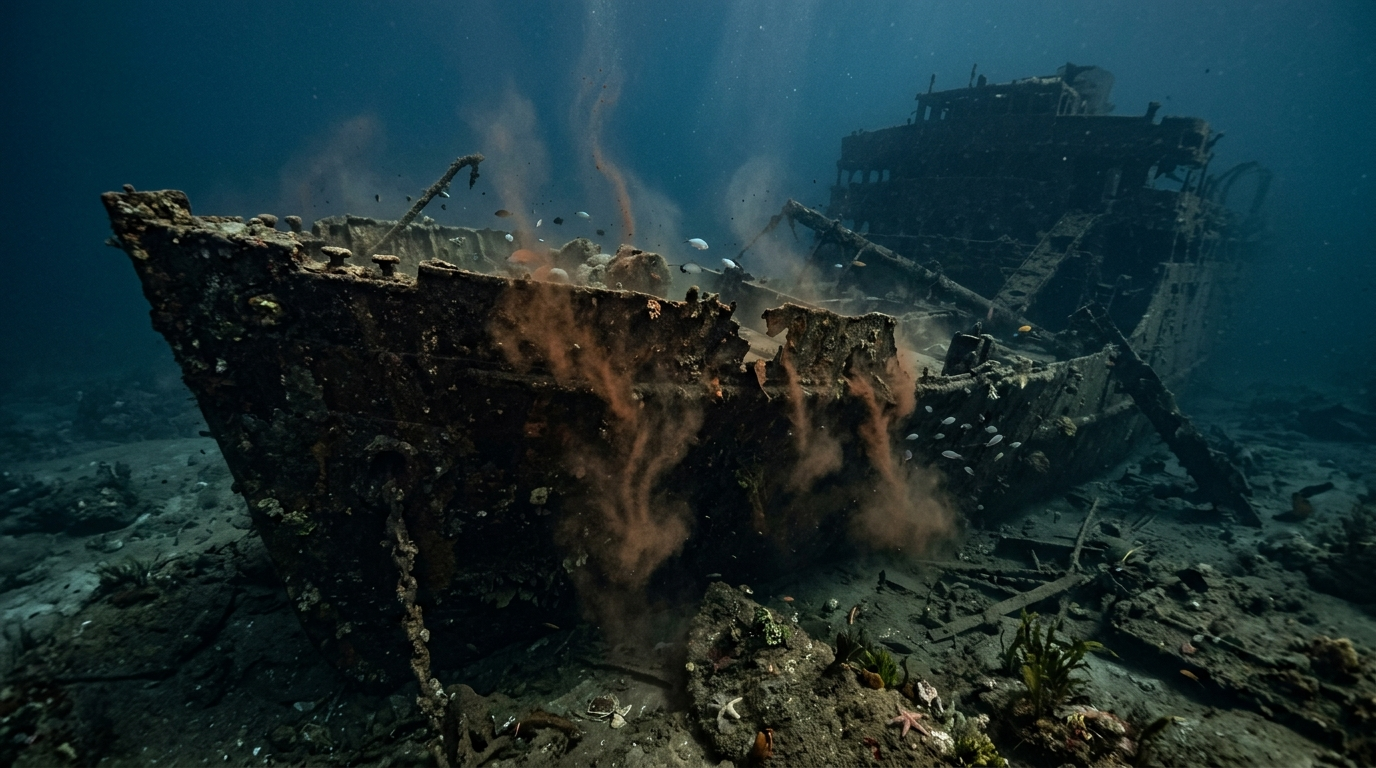
The world’s ocean floors are home to a colossal number of relics from the past, with the total number of shipwrecks estimated at around three million. While these structures often fascinate historians and diving enthusiasts, a large portion of them pose a major ecological problem for aquatic environments. In fact, nearly 15,000 of these vessels date back to World War I and World War II, a time when the presence of toxic substances and dangerous weapons on board was widespread.
The Critical Case of the German Submarine UC-30 in the North Sea
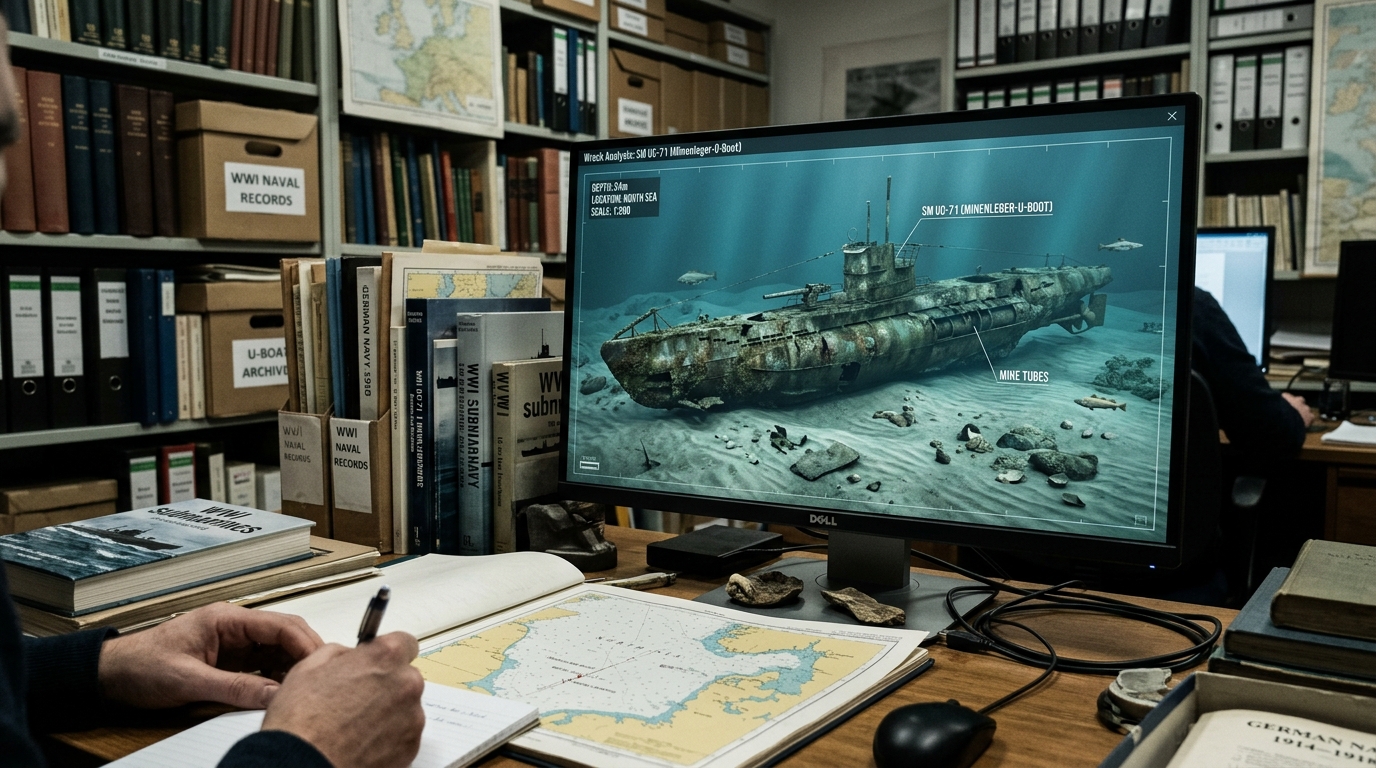
One of the most concerning cases studied by experts is that of the German submarine UC-30, a World War I submersible. The wreck lies at a depth of 23 meters on a shallow sandy reef composed of glacial deposits, located 66 nautical miles west of Nymindegab, off the coast of Denmark. Sunk in 1917, this submarine—specialized in laying mines—was intended to wreak havoc in enemy ports and shipping lanes.
A revealing genetic analysis of the mine shafts
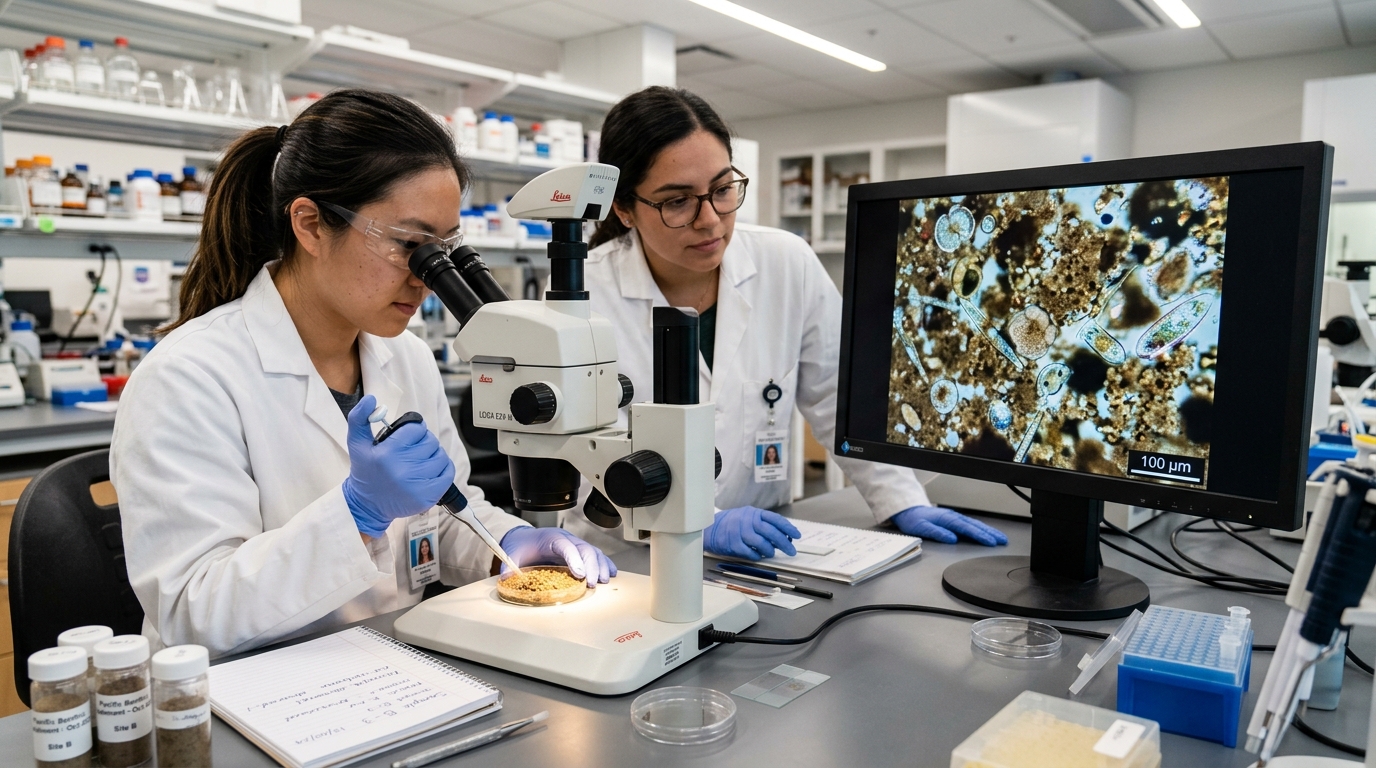
As part of a study published in the journal Communications Earth & Environment, a team of researchers from Germany, Belgium, and Denmark examined marine sediments collected from the mine shafts of the submarine UC-30. These unique structures consist of six vertical shafts integrated into the vessel’s sturdy hull, each containing three mines. They provide an ideal microcosm for study by offering a constant, localized source of contamination.
The scientists’ goal was to understand the exact composition of the marine microbiome at work in this highly toxic environment. In their paper, the authors highlight the significance of this observation: “Anthropogenic chemical pollutants are increasingly infiltrating marine environments, posing significant threats to ecosystem integrity and biological functioning. The current situation offers an opportunity to explore the inherent capacity of native marine microbiomes to detect, transform, and degrade environmental contaminants.”
Analyses conducted at the wreck site revealed a dramatic taxonomic reorganization within the contaminated sediments. In particular, there was a drastic increase in certain Proteobacteria, such as the families Haliaceae and Rhodobacteraceae—bacteria known for their ability to break down hydrocarbons and withstand extreme chemical stress.
Enzymes Specialized in Breaking Down TNT
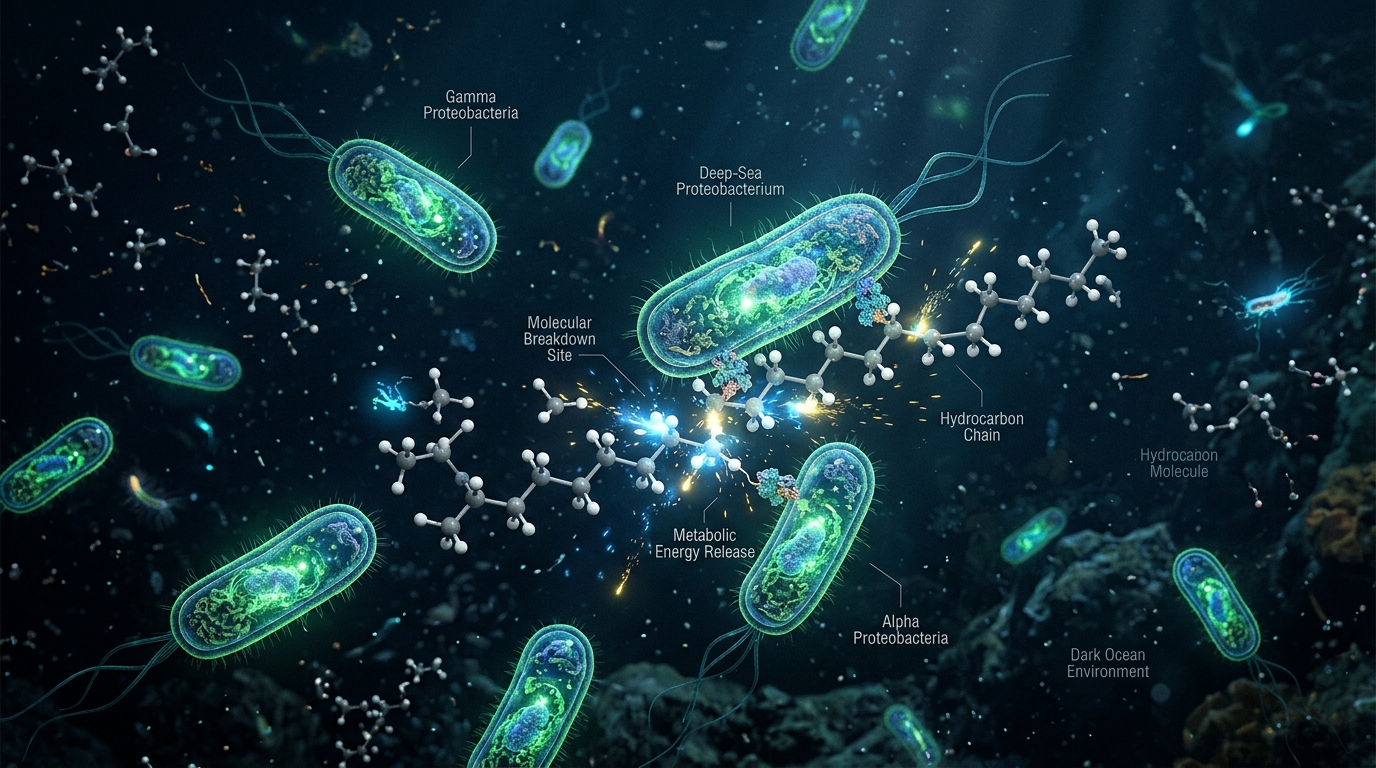
To survive this toxic environment and break down harmful substances, these marine bacteria use highly specific survival enzymes. The study highlights the role of glutathione S-transferases—a major family of enzymes involved in detoxification—as well as oxidoreductases, enzymes that catalyze the transfer of electrons from one molecule to another.
Natural bioremediation as a solution for the oceans
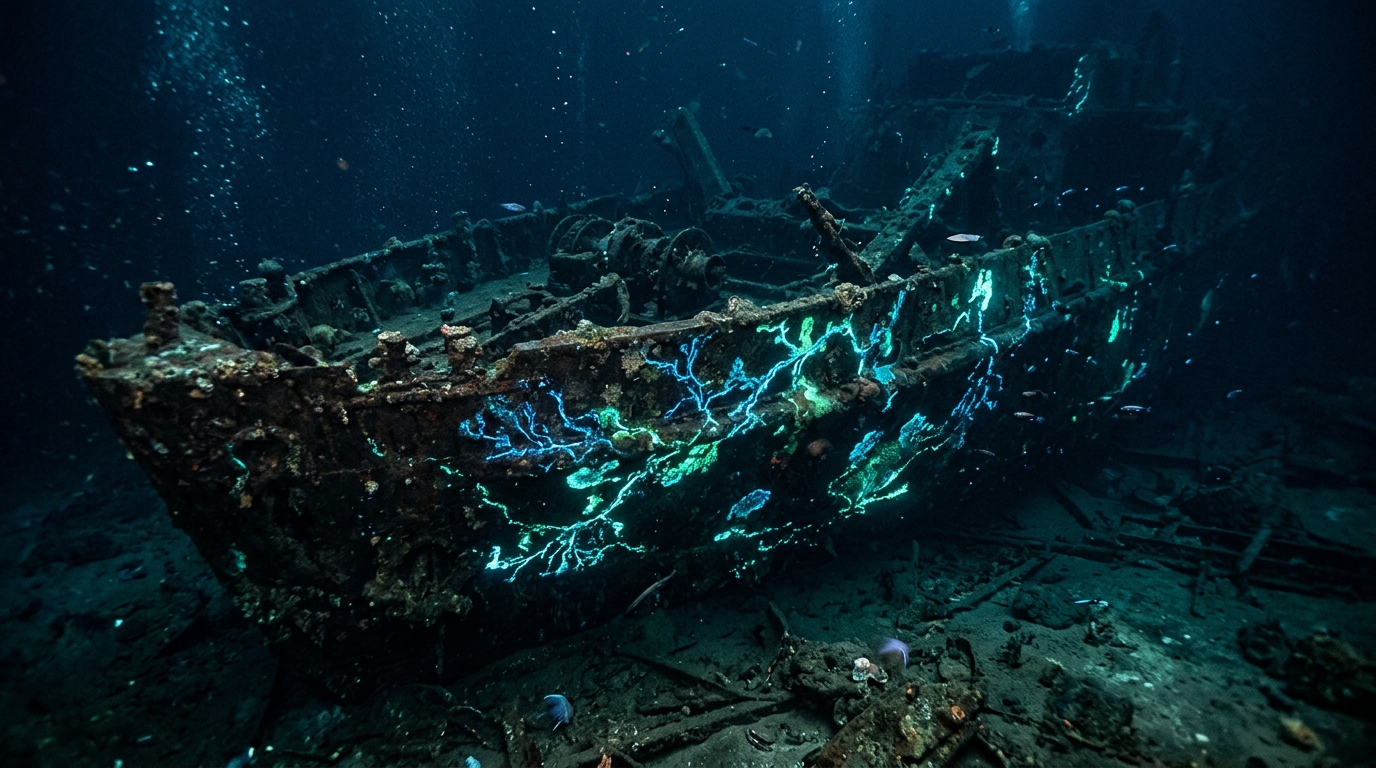
Researchers believe this discovery extends beyond the specific case of the German submarine: “These results indicate that the contaminated environments of mine shafts exert selective pressures that shape microbial communities toward increased stress tolerance and potential transformation capacity. By demonstrating this effect for TNT, our findings provide a framework that can be extended to study microbial adaptation, metabolic versatility, and natural attenuation processes across a broader range of contaminated marine sediments.”
Source: popularmechanics.com
20th-century shipwrecks are poisoning the oceans, but underwater microbes are fighting back


