

An idyllic landscape with a bloody past in Sunny Valley
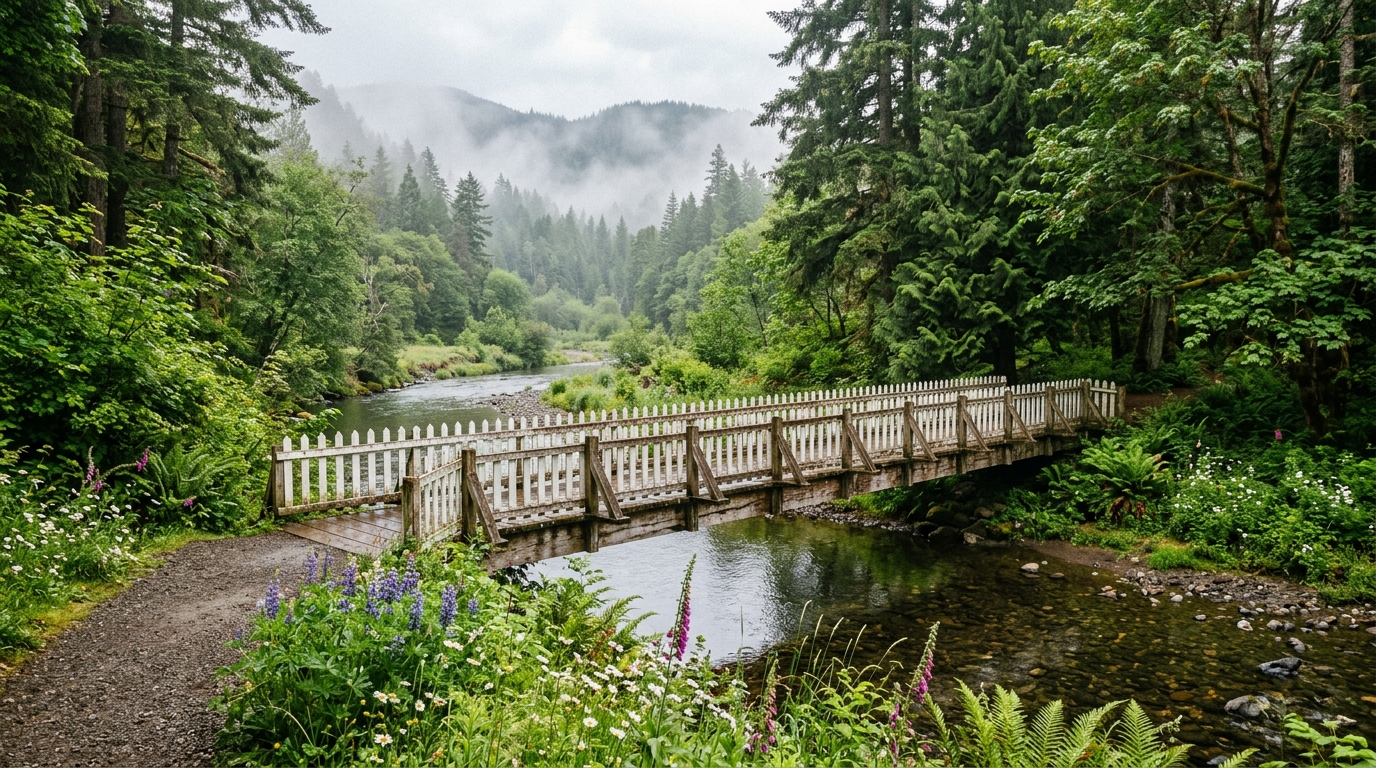
For more than a century and a half, precise accounts of the Battle of Hungry Hill—which took place in 1855 between the U.S. Army and the Takelma Native American tribe—were erased from memory and official maps. It is only very recently that researchers have succeeded in bringing this event out of obscurity.
The Gold Rush and the Outbreak of the Rogue River Wars
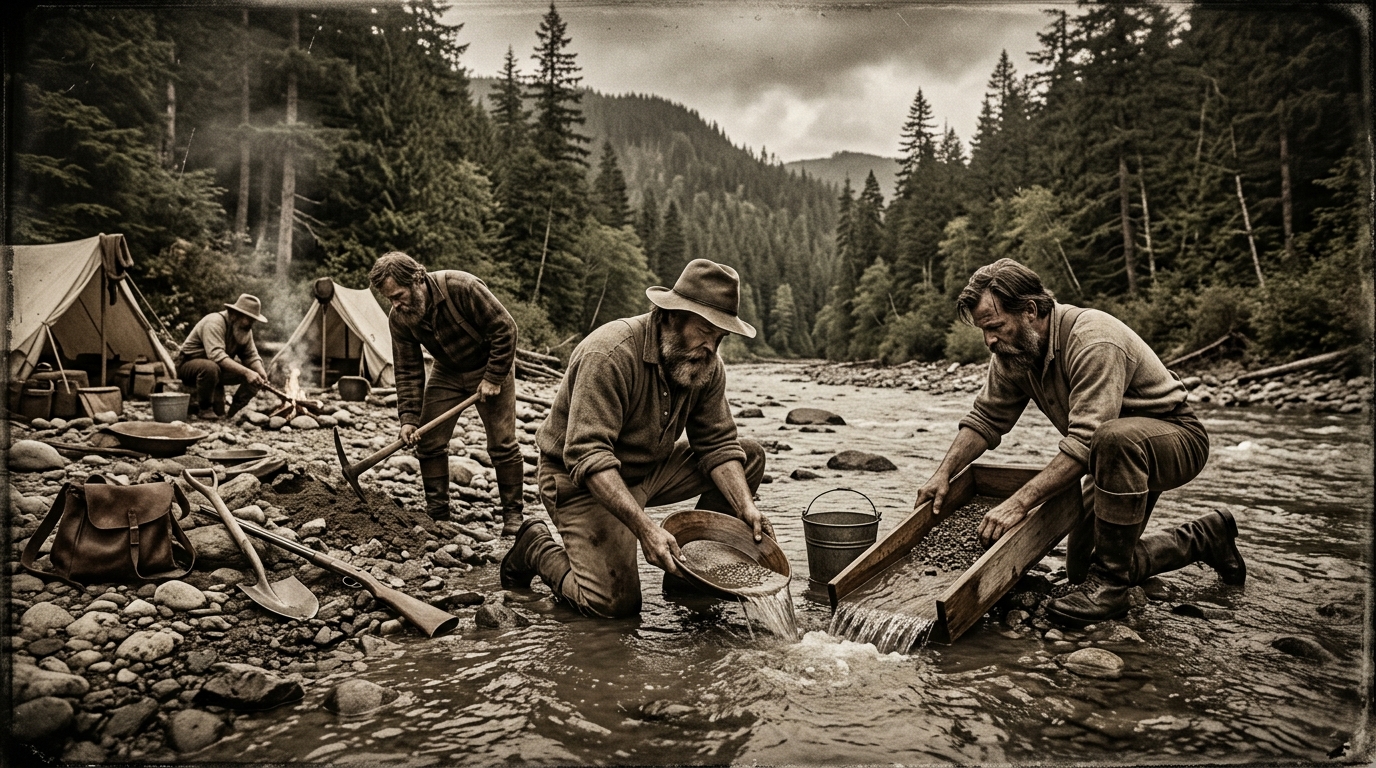
This gradual occupation of ancestral lands—inhabited for millennia by Indigenous peoples—led to intense tensions. In 1855, these constant frictions between military officers, Takelma chiefs, and local militias of settlers triggered the clashes known as the Rogue River Wars. The settlers could not agree on how to deal with the tribe whose territory they were invading.
The Archaeological Investigation and the Rediscovery of Lieutenant Kautz’s Report
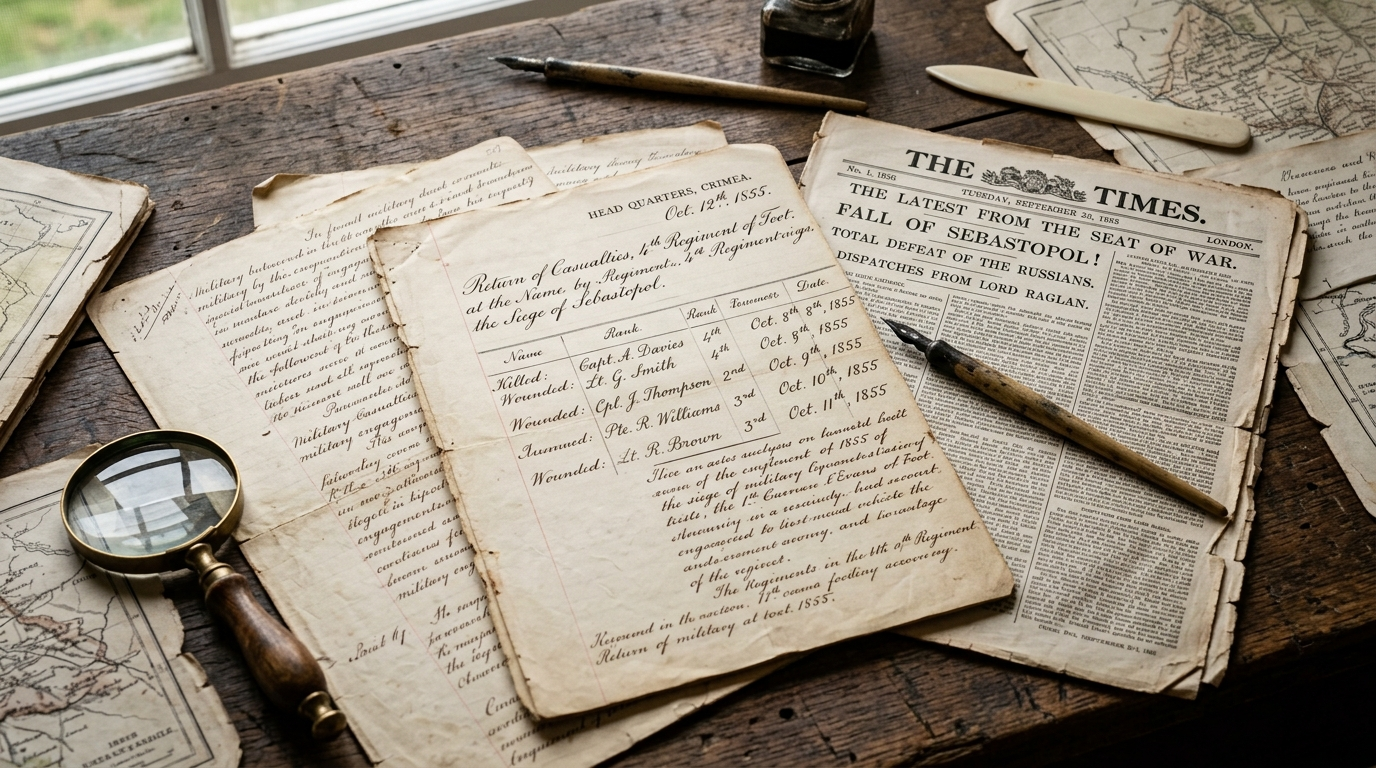
In 2012, Mark Tveskov, an archaeologist at the University of Southern Oregon’s Anthropology Laboratory, formed a research team to shed light on this clash. The researchers set out to analyze the terrain as well as numerous military archival documents. The fragmentation of the information stemmed from the survivors’ reluctance to publicly admit their defeat.
According to a 2017 study by Mark Tveskov, Lieutenant Kautz’s letter detailed the planning while offering scathing criticism: “It repeats, often in the same words as the New York Herald article, the details of the planning and execution of the battle, but unlike the newspaper article, Kautz’s letter contains candid editorial comments that portray both his fellow U.S. Army officers and the volunteer officers and soldiers in a frank and often unflattering light.” This report revealed that the troops had underestimated Native American tactics, that many paid volunteers had deserted at the first shots, and that the Army dragoons had abandoned their mountain howitzer at Fort Lane.
Physical evidence unearthed from the soil of Oregon
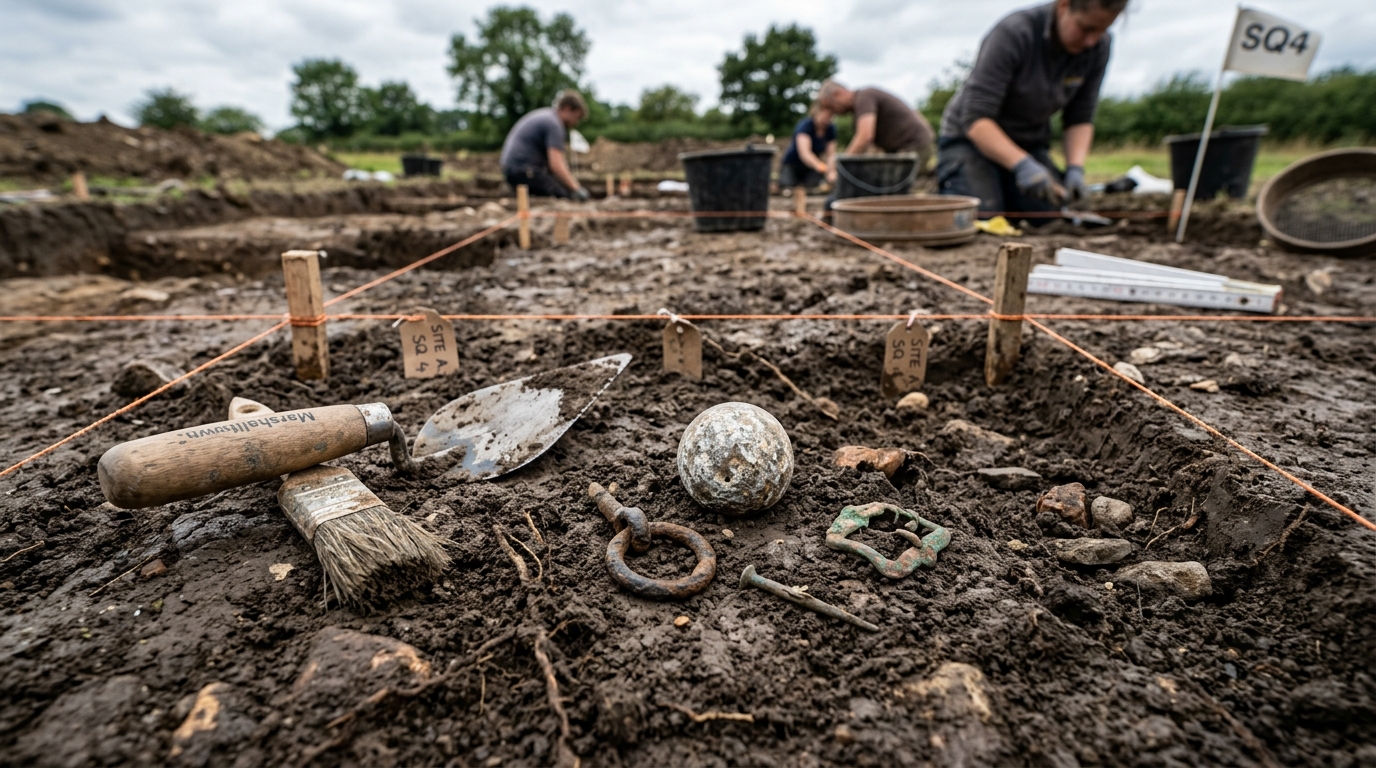
Analysis of historical documents preserved at the National Archives in Washington, D.C., combined with the study of hand-drawn maps by Lieutenant Kautz and military scouts, led researchers to a field located between the Grave Creek Hills and the area known as Hungry Hill. The site was given the name “Hungry Hill” because of the lack of food supplies the troops suffered during the battle.
On site, excavations uncovered .69-caliber lead musket balls. Military historians confirmed that this ammunition was intended for Springfield muskets manufactured in 1842. A lead powder box stopper, originating from the U.S. Army’s largest gunpowder supplier at the time, was also unearthed.
The Crucial Strategic Role of Takelma Women in the Victory
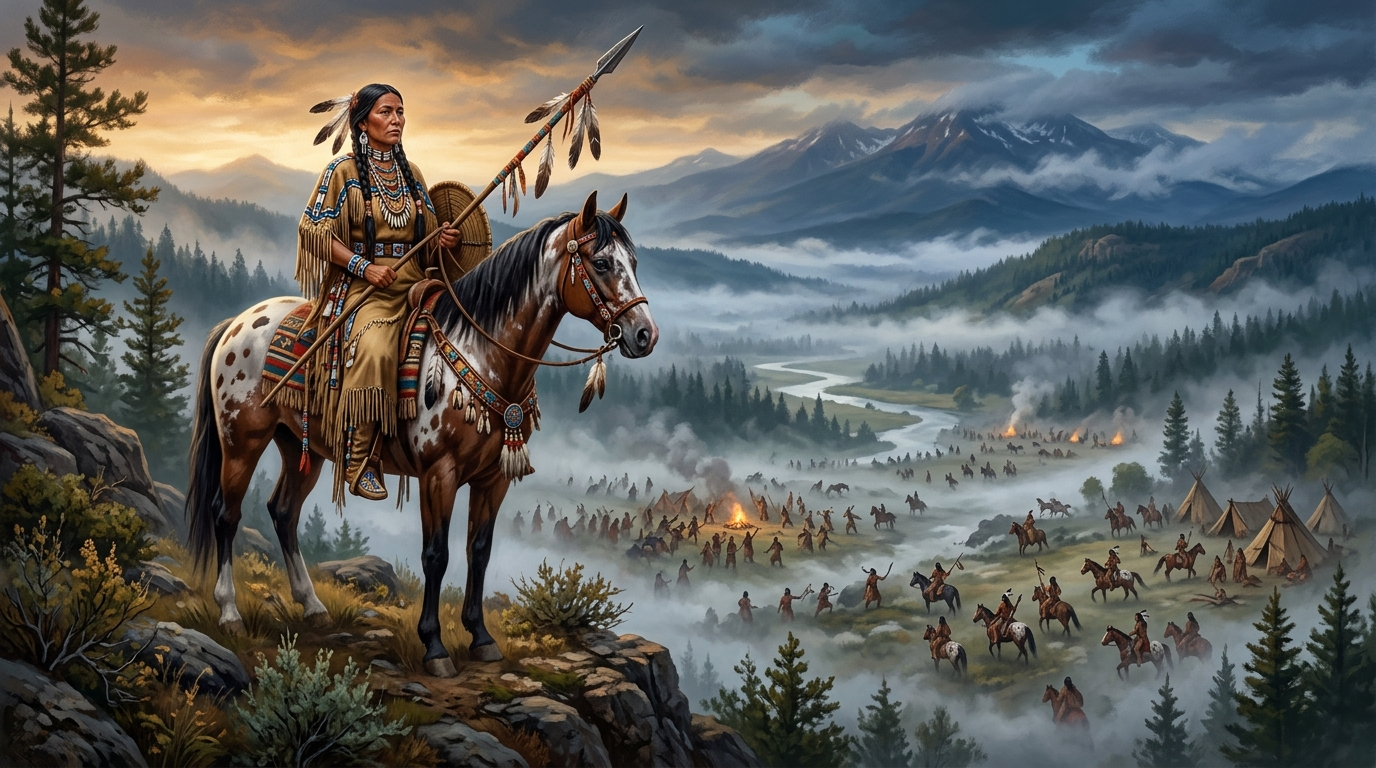
Beyond the artifacts discovered, Indigenous oral traditions and other accounts have made it possible to reassess the fundamental role played by the women of the Takelma tribe. Figures such as Frances Johnson, Sally Lane, and a woman known as Queen Mary had been deliberately omitted from accounts written from the colonizers’ perspective.
Sally Lane, daughter of Chief Joseph Lane, remained on horseback behind a fortification during the clash to issue instructions to the warriors. She had positioned herself at a strategic vantage point that allowed her to survey the entire battlefield and be heard clearly from a distance. Her sister, Mary Lane—nicknamed Queen Mary—wrote such great influence that she had previously managed to prevent another imminent conflict from breaking out, before leading the Takelma forces at the Battle of Hungry Hill.
As archaeologist Mark Tveskov explains: “The fact that their defeat was caused by a significantly smaller and well-coordinated Indigenous force—and that one of the principal architects of their defeat was an Indigenous woman—likely prompted U.S. Army volunteers and officers to prefer that as little be said about it as possible. It is only in their private letters and unpublished memoirs—some of which have only recently been examined by researchers—that candid reflections on the battle can be found.”
Source: popularmechanics.com
Oregon: How Archaeologists Rediscovered the Forgotten Site of the Battle of Hungry Hill


