

A Cosmic Impact: Its Origins Finally Revealed
The isotopic signature of the Cretaceous–Paleogene boundary
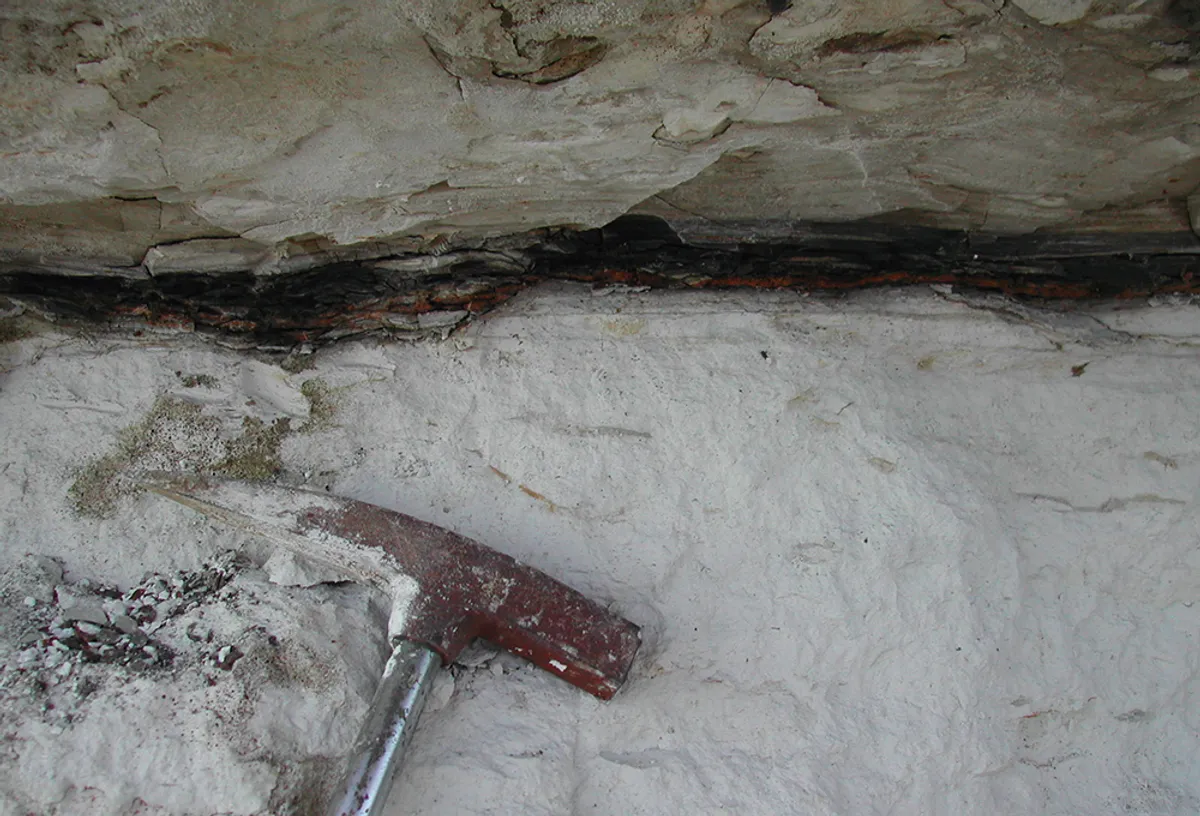
The main clue that initially led geologists to suspect that an extraterrestrial object had brought the Cretaceous to an end lies in a rock layer that is extremely rich in metals. Known as the KPg boundary, this stratum marks the exact moment when the Cretaceous ended and the Paleogene began. It contains metals that are extremely rare in the Earth’s crust, composed of a mixture of isotopes whose proportions are particularly revealing.
Analyzing these residues poses a real technical challenge for researchers. “It’s difficult work,” said Dr. Philippe Claeys in a press release. “Only a tiny fraction of the projectile is preserved in the planet’s [KPg] clay layer because the entire meteorite vaporized upon impact.”
Identification of an atypical meteorite from the Ornans class
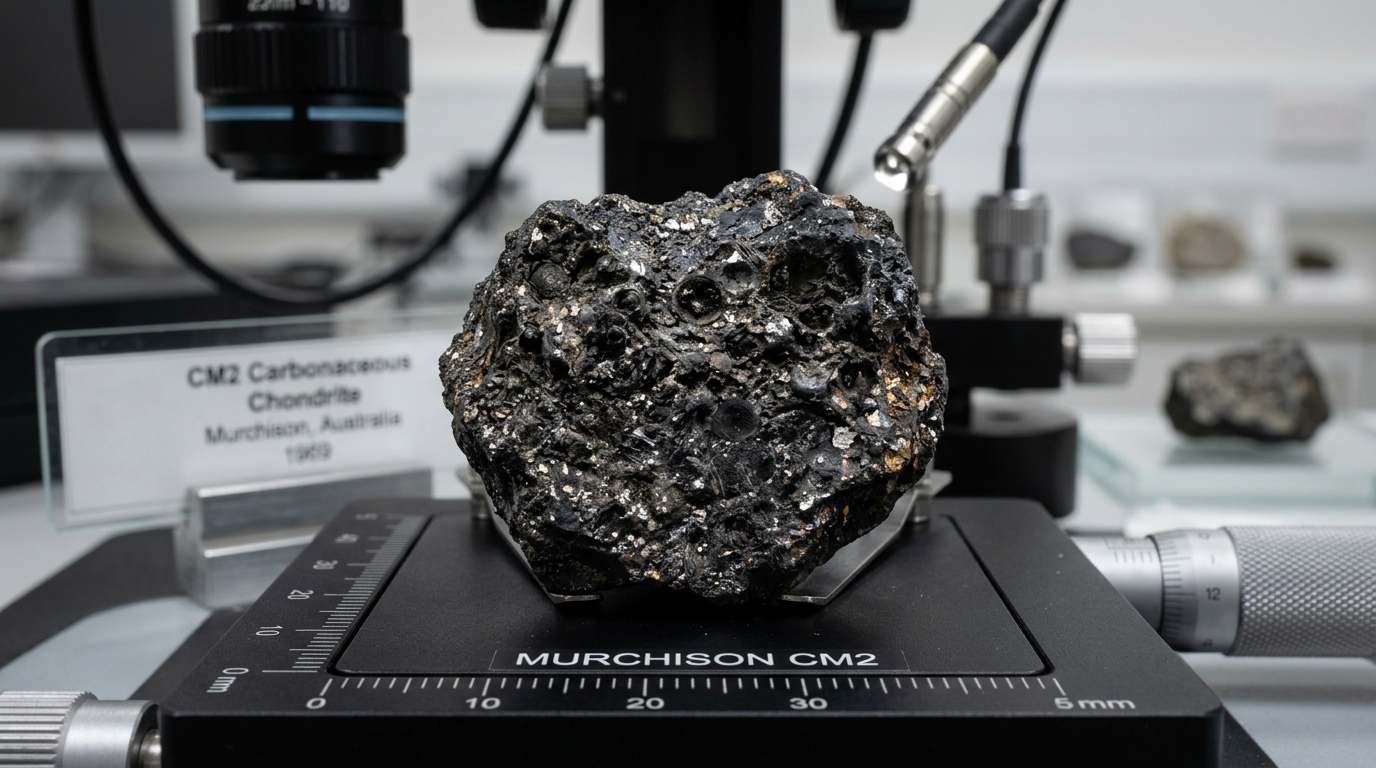
This category of asteroids is distinctly different from the conventional extraterrestrial rocks found on our planet. These distant celestial bodies exhibit an atypical chemical signature that alters researchers’ understanding of the meteor’s raw composition.
As Dr. Philippe Claeys explains: “Carbonaceous chondrites of the Ornans class are definitely unlike the typical meteorites found in museum collections. A CO contains far fewer volatile elements—such as carbon, zinc, water, and especially sulfur—than the other classes of meteorites we have discovered so far on Earth.”
Rethinking the Role of Sulfur in the Cataclysm
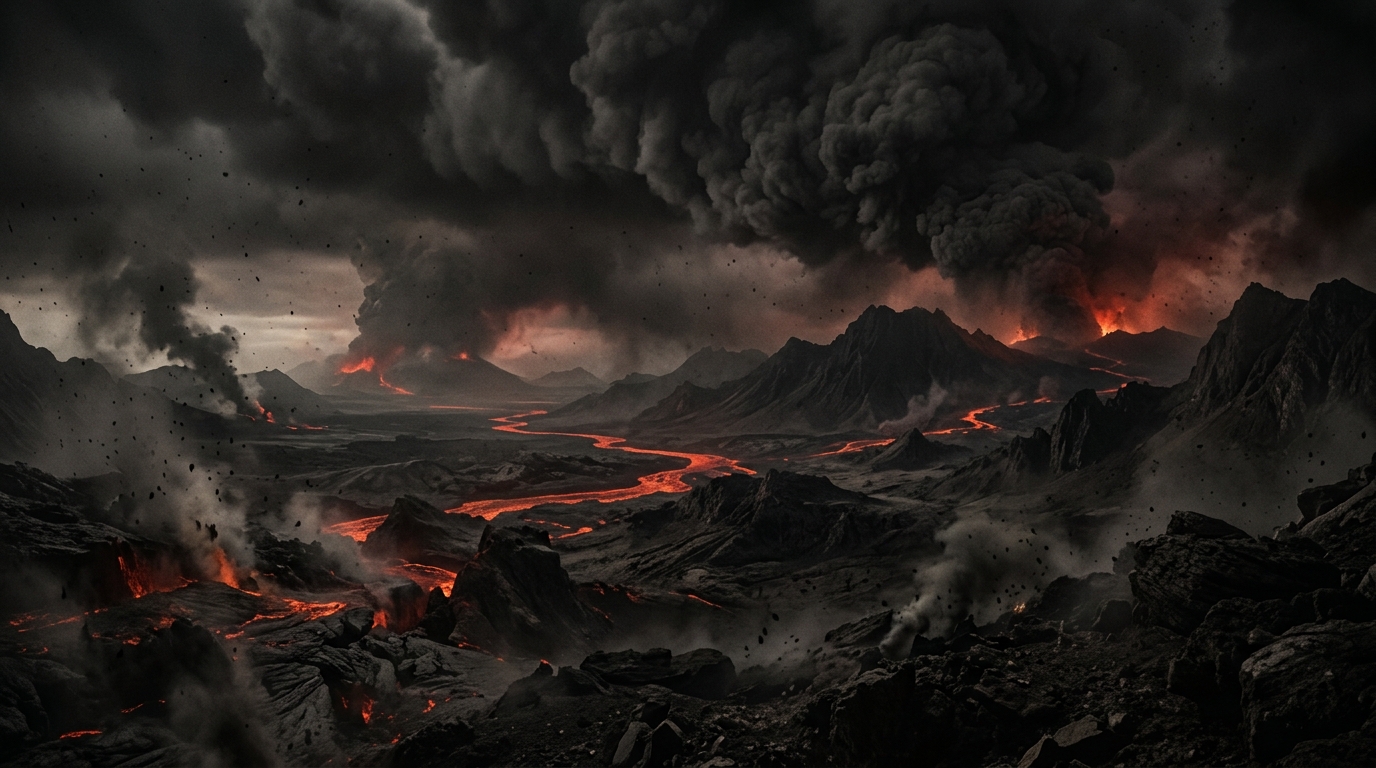
Dr. Philippe Claeys clarifies this crucial distinction: “This does not change our theory about what caused the extinction event, but it makes it less likely that the sulfur contained in the impactor was the trigger. The fine debris ejected into the atmosphere would have been the primary factor.”
A Cosmic Tragedy for the Dinosaurs
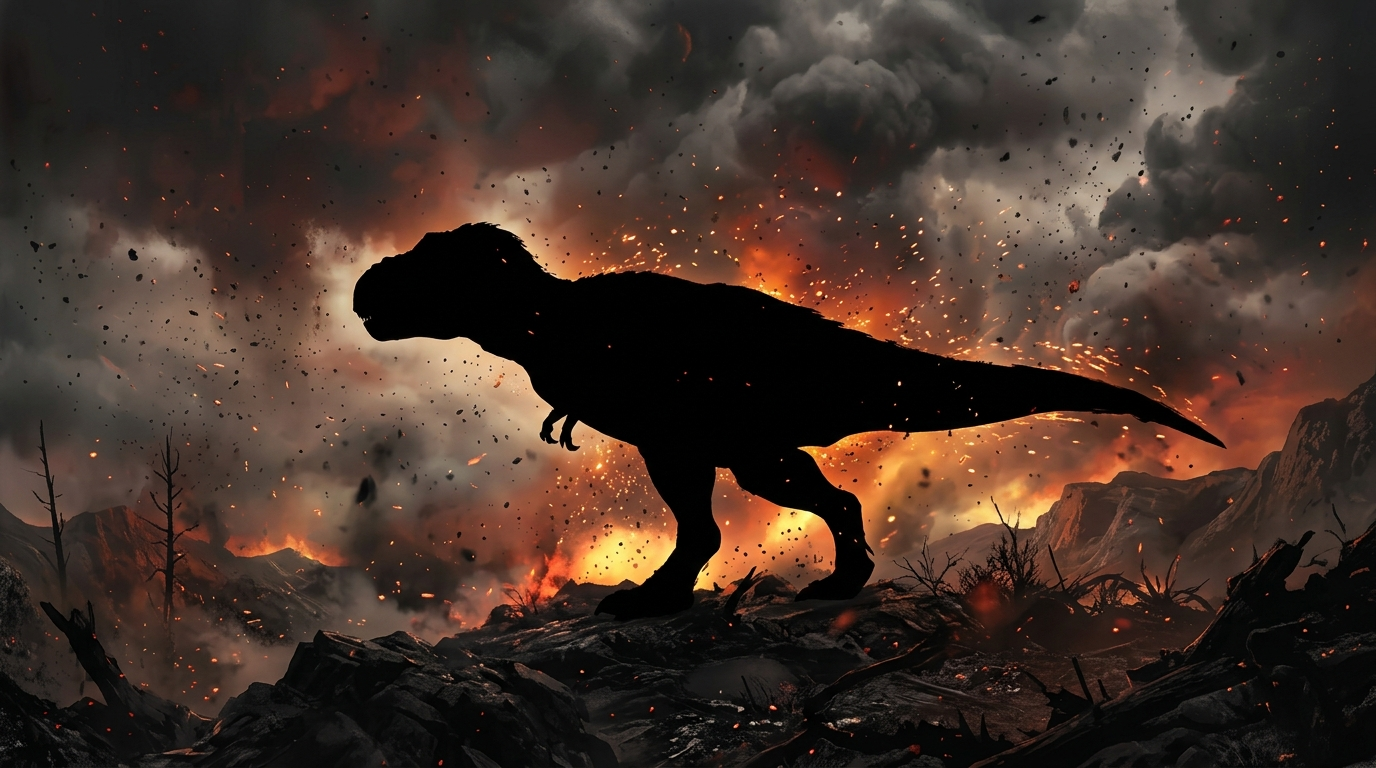
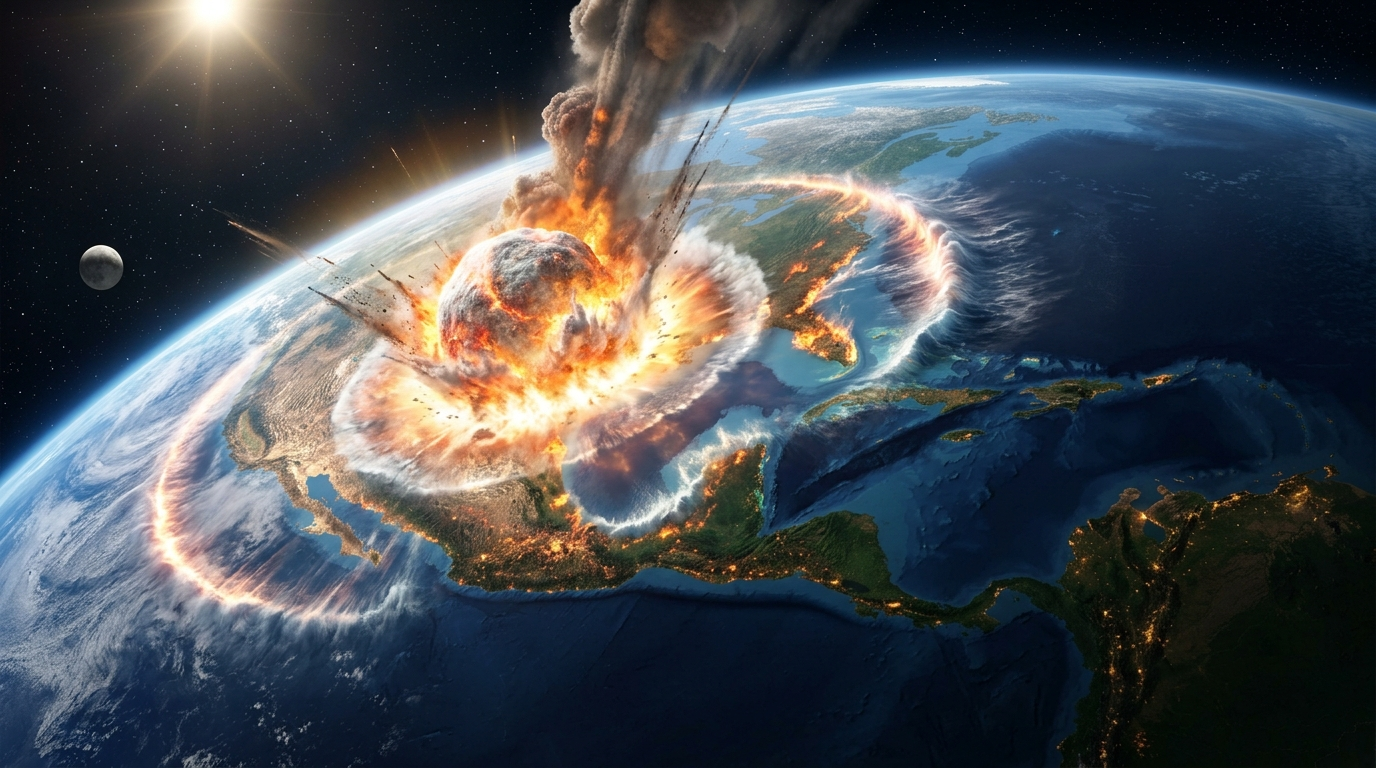
These findings shed light on the unique chain of events that led to the end of the great reptiles’ reign. Although spared from a massive shower of toxic sulfur directly released by the asteroid, the living organisms of the time were unable to survive the cloud of dust and soot ejected at high altitude during the colossal impact.
The extreme rarity of this type of impactor underscores the sheer bad luck that befell the Cretaceous fauna. “Being struck by such a rare and distant impactor highlights just how unlucky the dinosaurs were,” noted Claeys regarding the findings published in Science Advances.
Source: iflscience.com
The asteroid responsible for the extinction of the dinosaurs was a rare celestial body of an atypical class


