

An 1,800-year-old Roman military camp discovered at an industrial park construction site in Slovakia


A Major Archaeological Discovery at an Industrial Park Construction Site
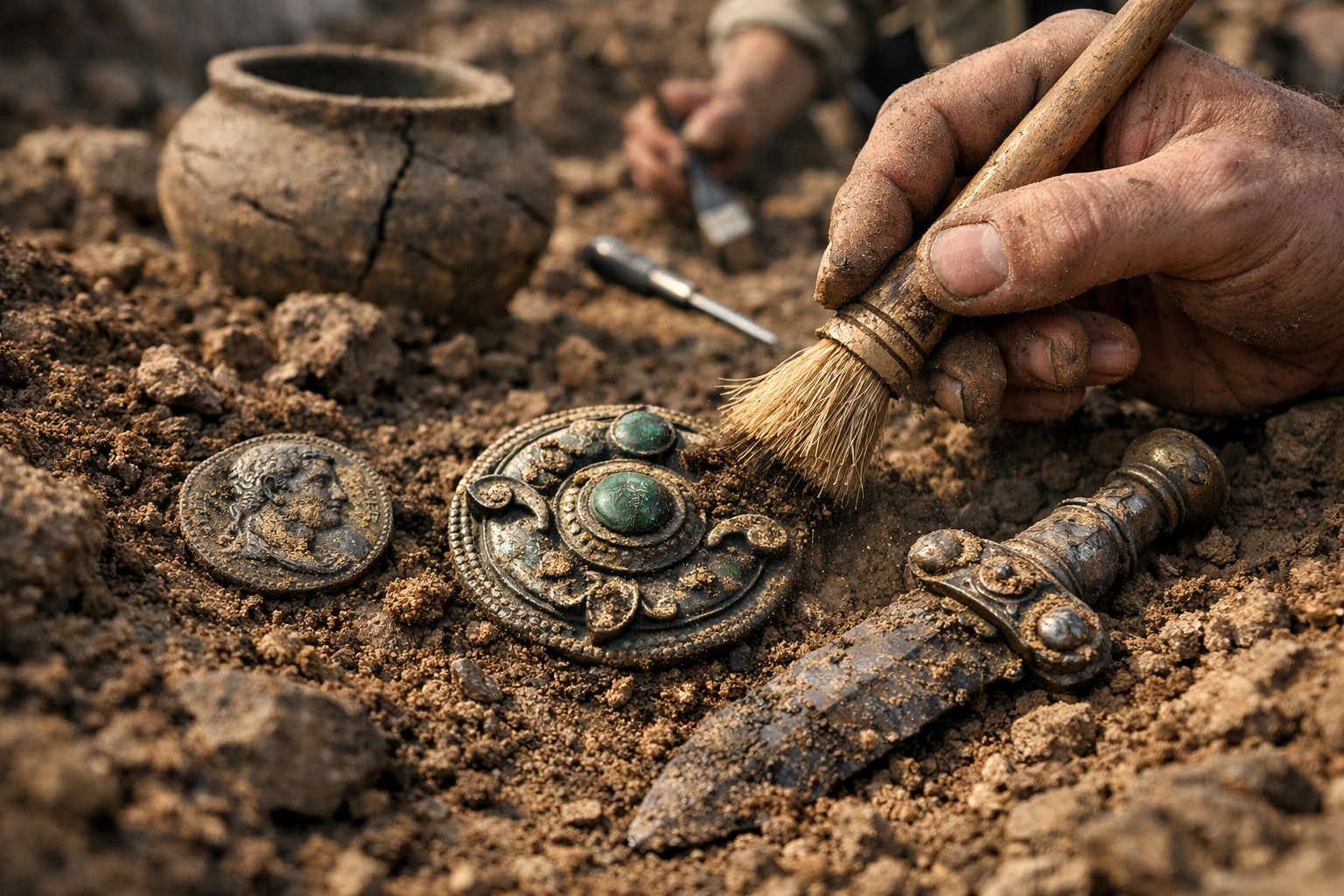
It was at the start of construction work on an industrial park in Šurany, in southwestern Slovakia, that archaeologists made a spectacular discovery. The excavations uncovered the remains of a vast Roman military camp covering approximately 7.4 hectares, or nearly 18 acres. According to the researchers’ initial findings, this structure dates back to the second half of the 2nd century CE.
Unprecedented military architecture and Slovakia’s first clavicula
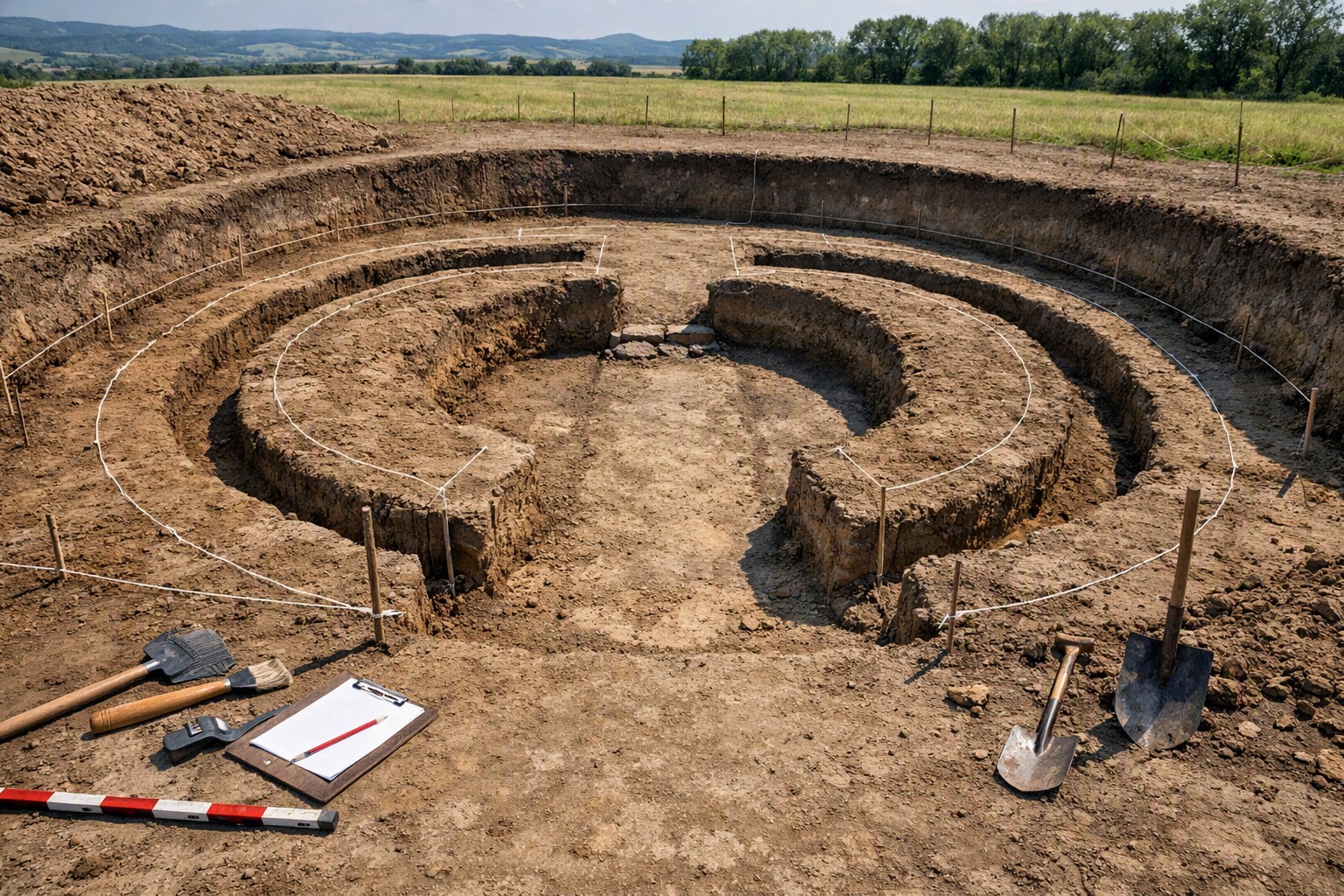
Although the Šurany military camp does not have the traditional rectangular shape of Roman structures, it incorporates all the defensive elements characteristic of the legions. The site featured five entrance gates, elaborate fortifications, and a particularly distinctive access layout.
Archaeologists discovered a “clavicula” there—a specialized defensive entrance consisting of a semicircular ditch and a rampart designed to expose the flank of attackers. This is the very first discovery of a clavicula-type gate on Slovak territory, marking a major breakthrough for regional archaeology.
This geographical area had long been the subject of speculation regarding the presence of Roman troops. A famous inscription dating from the year 179 CE, carved into the rock beneath the nearby Trenčín Castle, had already commemorated a Roman military victory. The discovery of this 7.4-hectare site near Šurany now provides indisputable physical evidence confirming their presence north of the Danube.
Weapons, everyday objects, and well-preserved military sandals
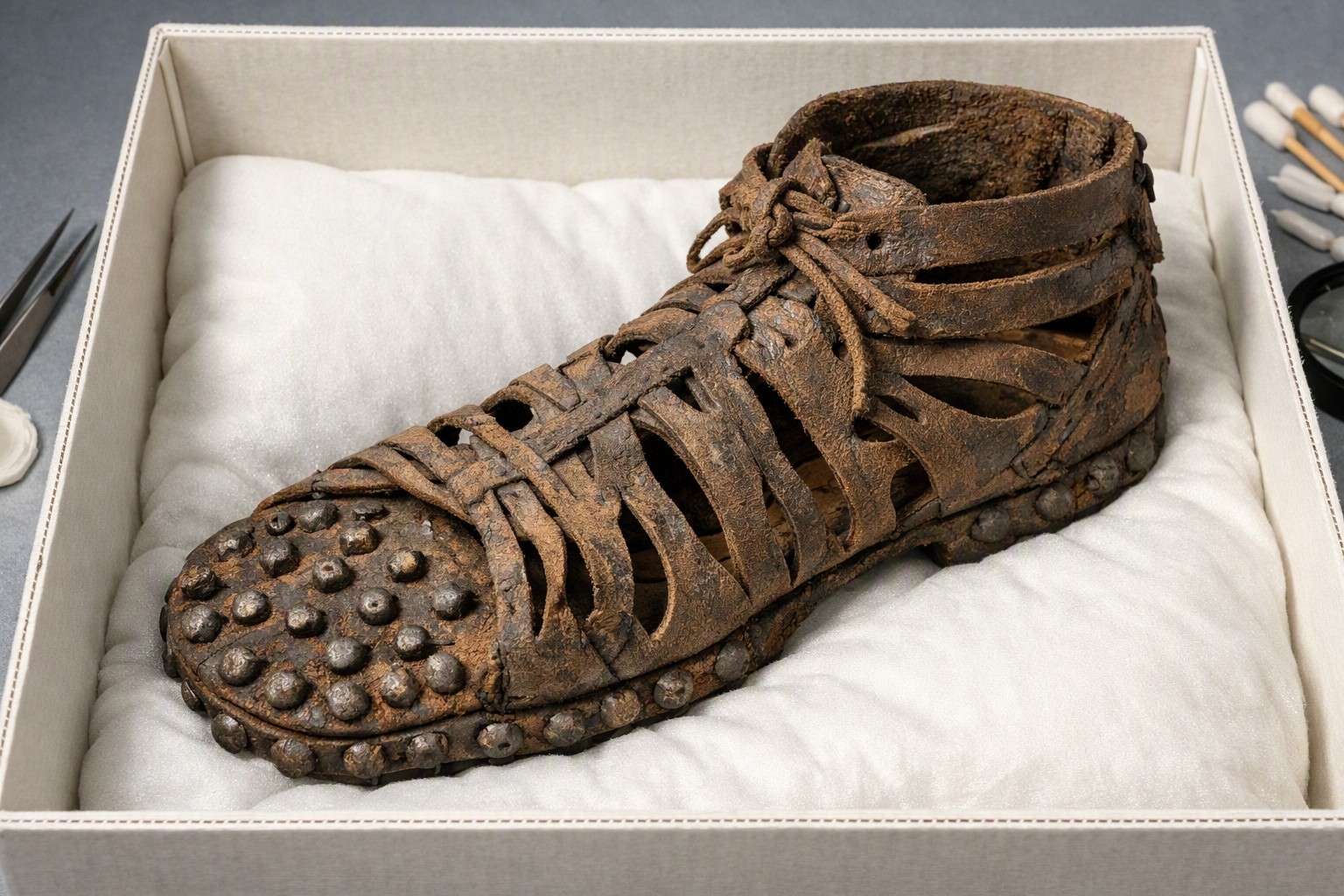
The excavations also revealed human skeletal remains—both complete and partial—found in ditches and shallow graves. "Our preliminary conclusions suggest that, in most cases, these are Roman soldiers," said Marek Vojtecek, one of the leaders of the research team. Numerous pieces of Roman military equipment and weapons were discovered alongside the skeletal remains.
Some blocks of earth were X-rayed before being stored, allowing for a precise view of the objects trapped in the soil. “It is truly remarkable,” noted researcher Michal Cheben, “to see the original shoes of a Roman soldier and even to be able to determine his shoe size.”
A multi-period site uncovered thanks to corporate funding
Historical Mysteries and International Collaboration to Unlock the Past

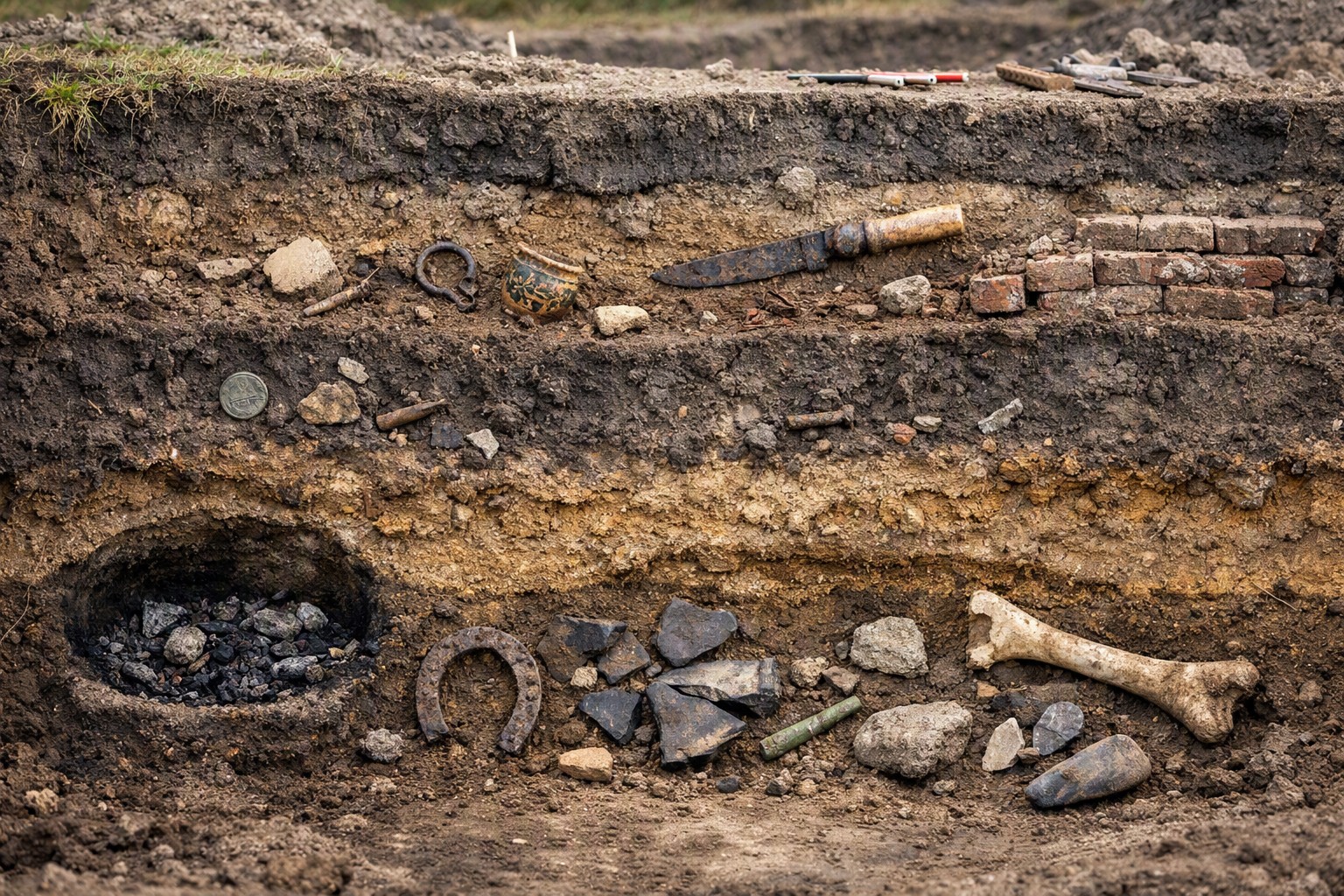
Despite the abundance of data collected, the Roman camp at Šurany retains an air of mystery. Who were the people buried here? What was the cause of their deaths? Why were the bodies often discarded in deep structures such as storage pits or wells? What role did disease play, and what role did combat injuries play? Why have we found so many objects that are so rare for this period? Why weren’t they looted at the time? Laboratory analyses and other genetic and anthropological research could provide answers, explained Michal Cheben.
Source: popularmechanics.com
An 1,800-year-old Roman military camp discovered at an industrial park construction site in Slovakia
