

Bees: Female Researchers Discover the Brain Switch That Reactivates Queen Care in Older Worker Bees


A Major Discovery About How Bees’ Brains Work
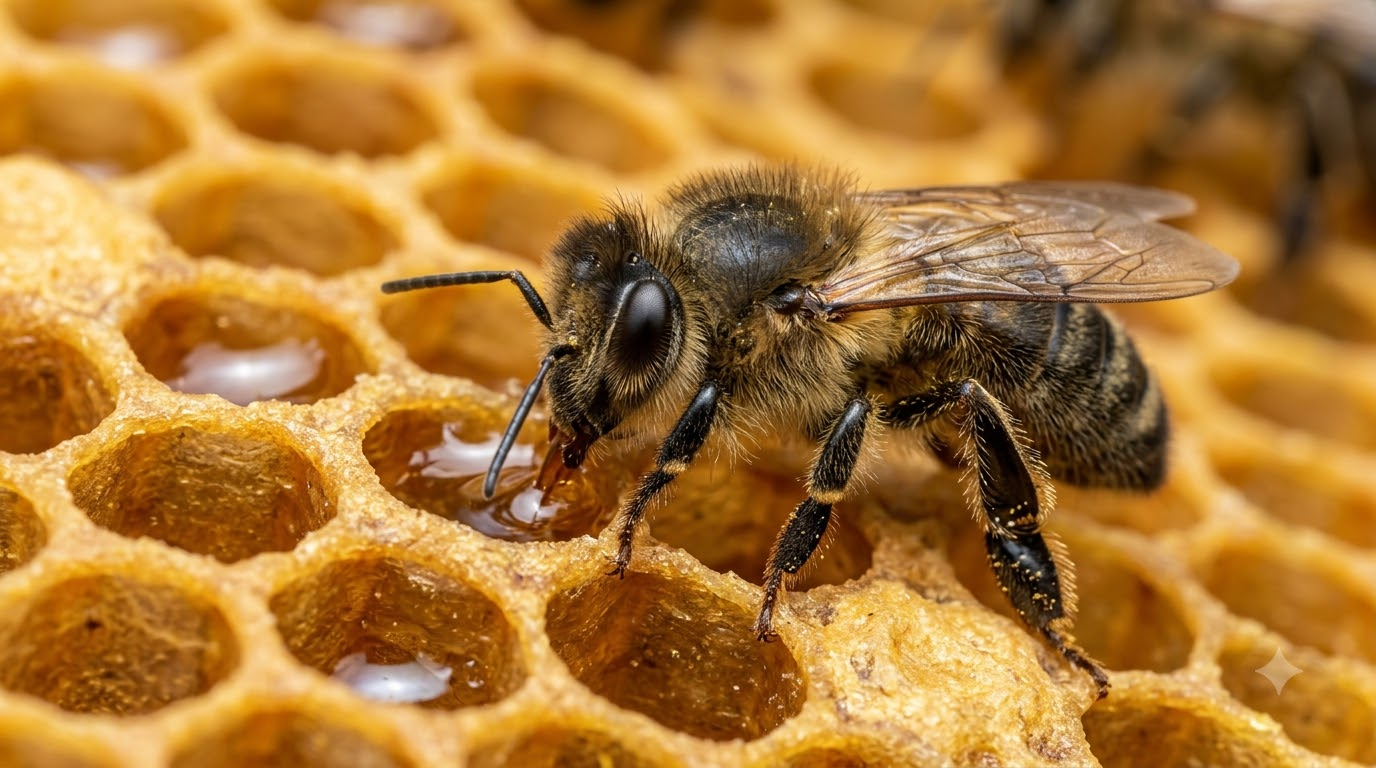
This finding profoundly changes the way biologists understand the evolution of a bee’s role over the course of its life. Older bees have not lost the ability to care for the queen: they retain this ability as a reserve in their nervous system, simply deactivated by the functioning of certain brain cells.
The Natural Organization and Division of Labor Within the Hive
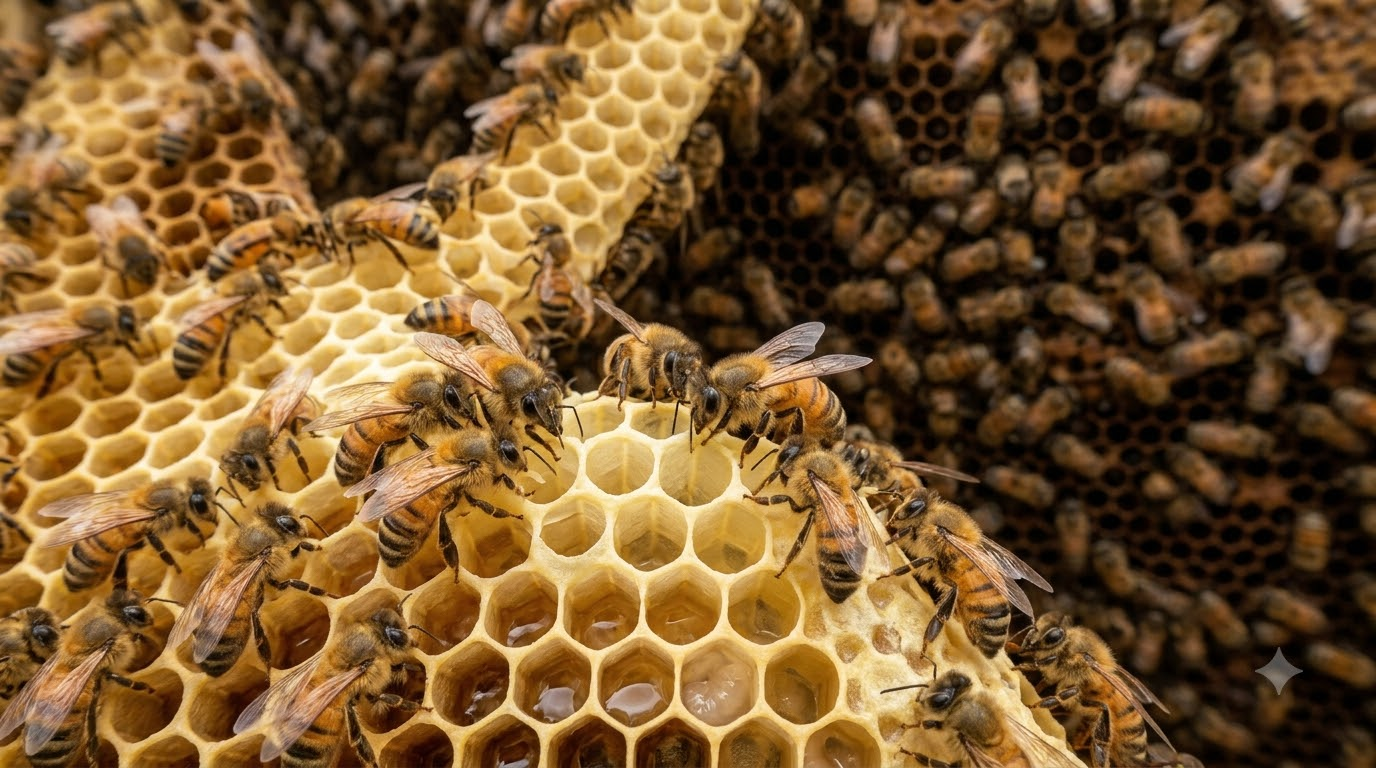
The youngest worker bees remain deep within the heart of the hive. They clean the cells, feed the larvae, and crowd around the queen to groom and feed her. This dense clustering around the queen is known as courting behavior, which helps spread the queen’s scent throughout the entire colony.
As a worker bee ages, her behavior evolves to take on external roles. She builds wax combs, guards the hive entrance, and eventually flies out to become a forager. Colonies adjust the timing of these transitions through scents transmitted from bee to bee, as demonstrated by a scientific study. This age-based division of labor enables the colony to feed the brood, defend the hive, and bring back food—all without a master plan.
A neural switch designed by German researchers
Dr. Jana Seiler led this research at Heinrich Heine University Düsseldorf (HHU), in the laboratory of geneticist Martin Beye. Beye’s team had previously linked a specific gene, called doublesex, to the tasks performed by worker bees and the duration of those tasks.
Jana Seiler therefore developed a switch that can be activated at will. She placed a genetically modified receptor exclusively within doublesex cells. This receptor silences a neuron when it encounters the correct molecule. By adding a specific compound to the bees’ food, the switch was turned off. This type of mechanism stems from research on the mammalian brain, where such receptors are a standard experimental method, according to a scientific review.
Juvenile behaviors reactivated in older bees
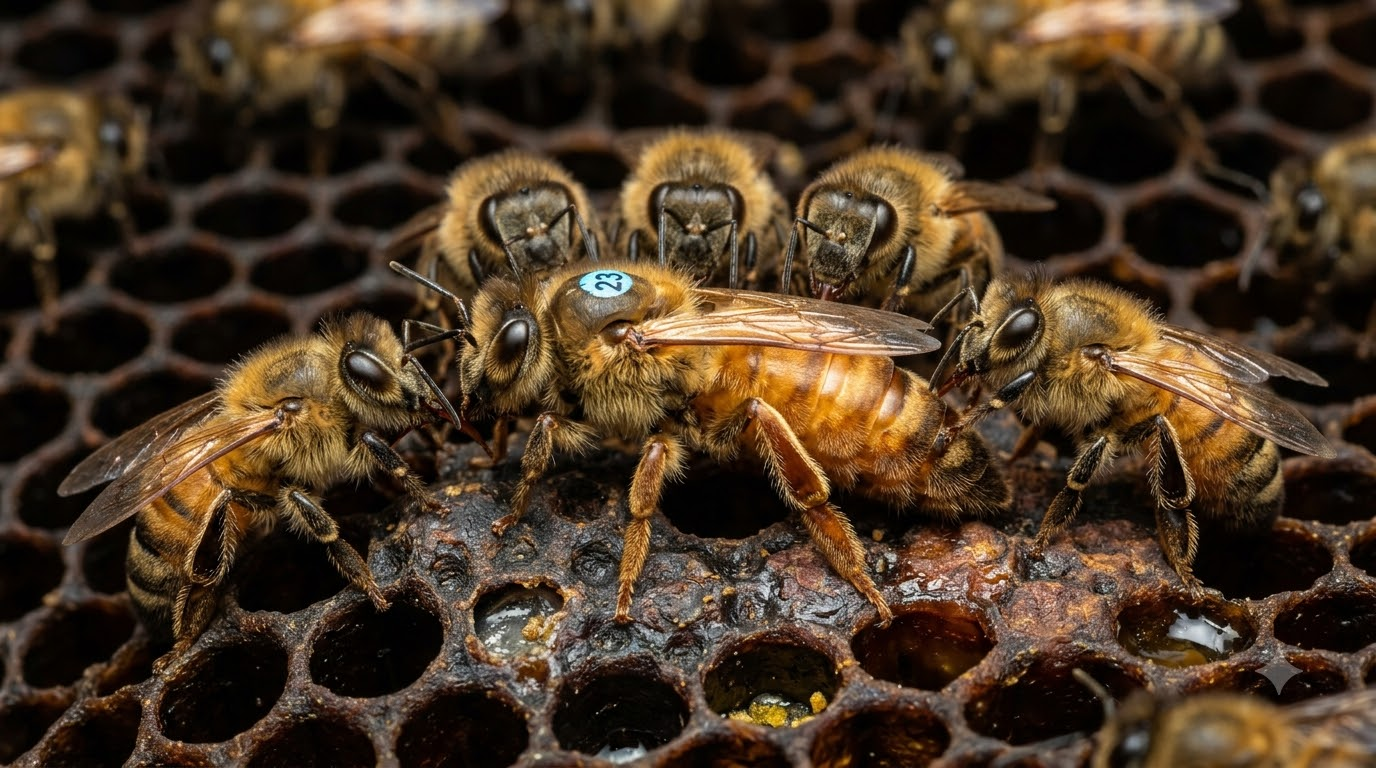
To test this hypothesis, the team worked with bees aged 8 to 11 days. At this age, a worker bee has generally stopped caring for the queen and moved on to other responsibilities. The researchers exposed these insects to the queen’s scent and observed their behavior.
“The older workers then resumed caring for the queen—something that only the youngest bees would otherwise do,” said Jana Seiler. When the genes remained active, these same bees ignored the queen and continued with their usual work. To ensure that the administered substance was not the direct cause of the change, the team administered it to bees lacking the artificial receptor: these bees did not care for the queen, confirming that the effect did indeed stem from the neutralized cells.
Task memory stored in the nervous system
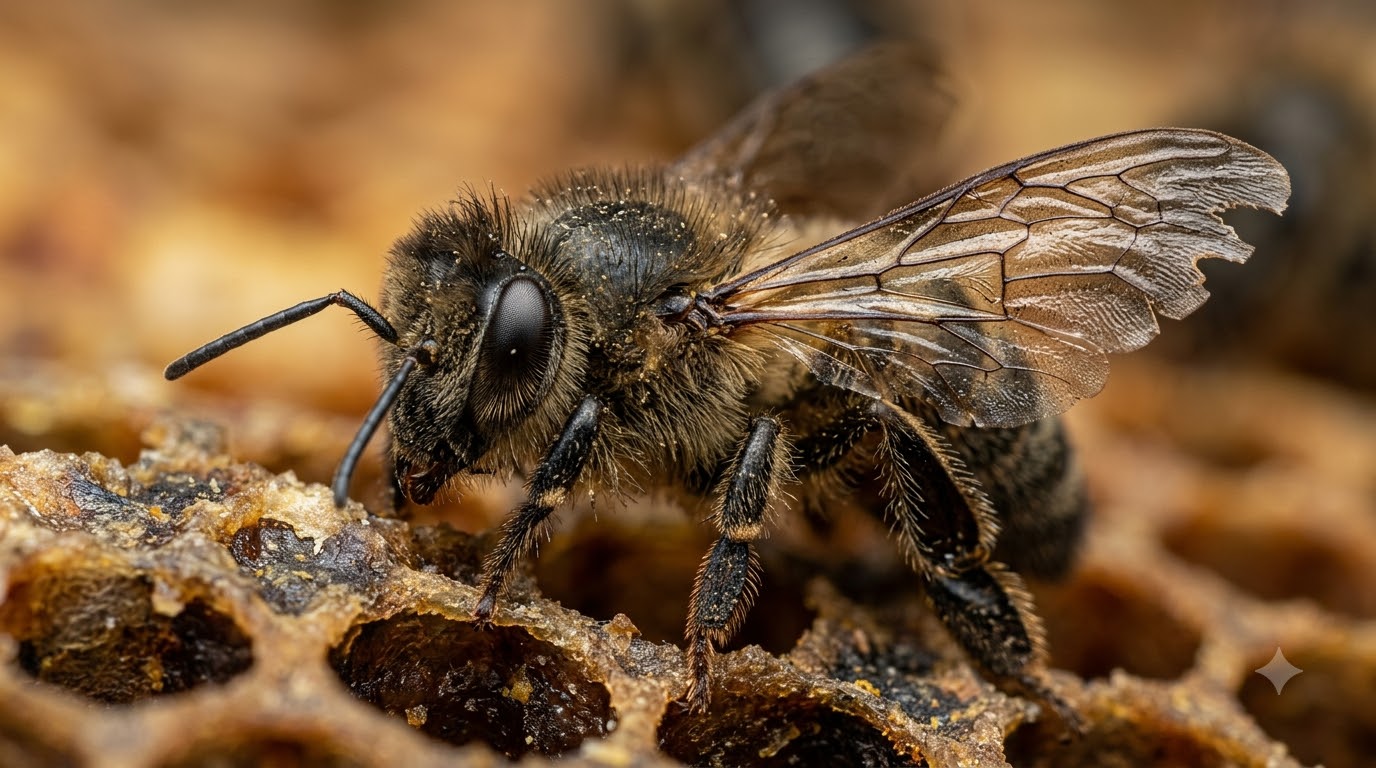
This finding builds on a previous study conducted by the same research group. That earlier work showed that the doublesex gene is essential for a worker bee to carry out its routine social tasks. The new study goes a step further by demonstrating that it is the activity of these cells—and not merely the presence of the gene—that defines the role of an older bee.
Toward Decoding Insect Social Circuits
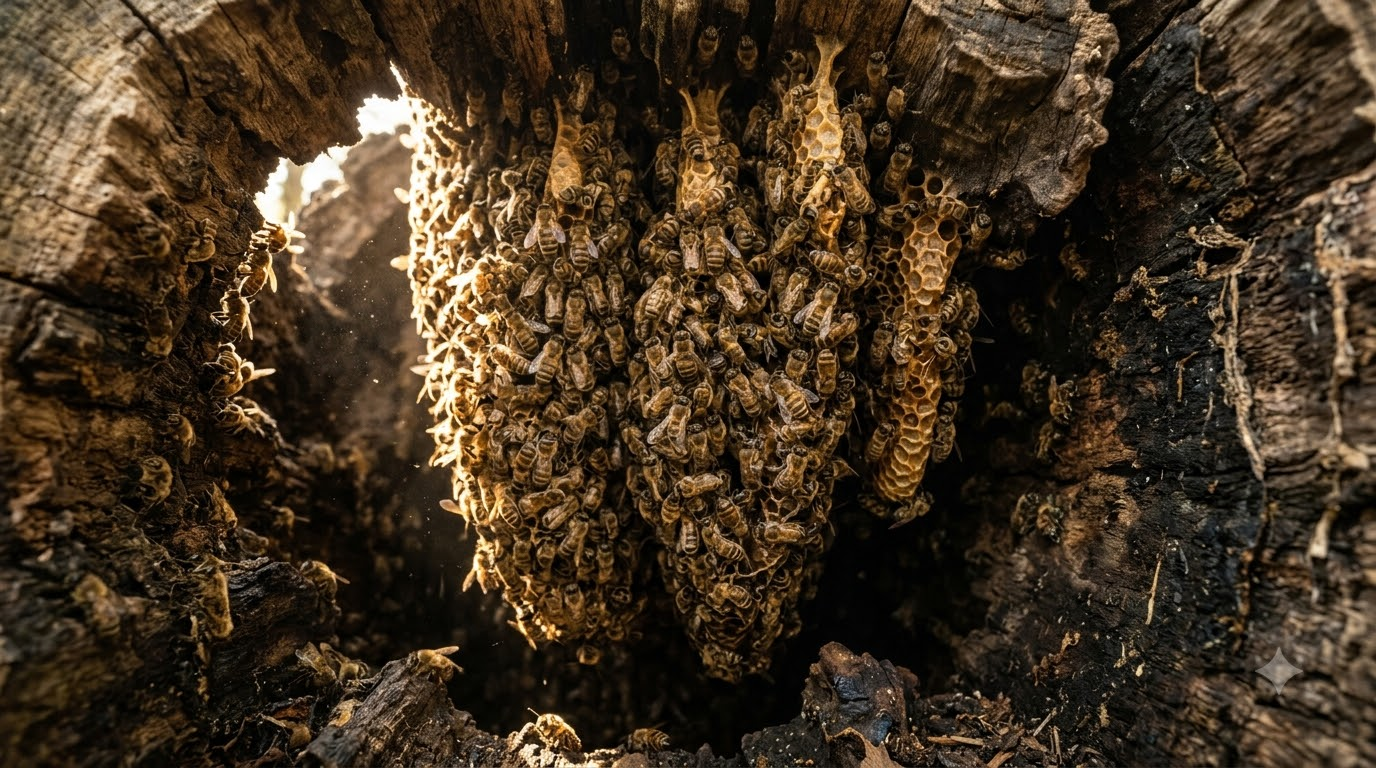
Until now, there was no way to directly access the neural switch controlling a bee’s role. The behaviors that enable a colony to function appear to be hardwired into the organism and regulated by the activity of specific cells that can be silenced or reactivated.
The smooth functioning of leaderless insect societies may result from the interpretation and guidance of internal circuits located in each bee’s brain. For the first time, scientists can activate or deactivate a specific behavior in a worker bee to analyze the process.
According to data published in the journal Proceedings of the National Academy of Sciences, these tools pave the way for a better understanding of decision-making within a complex brain. Martin Beye sums up the issue as follows: “The key to understanding how bees and other animals cooperate so effectively without a master plan is likely hidden in the brain’s neural circuits.”
Source: earth.com
Bees: Female Researchers Discover the Brain Switch That Reactivates Queen Care in Older Worker Bees
