

A Previously Unknown Geological Archive Hidden Within Fossilized Wood
In the field of paleontology, discoveries of bone remains or teeth from prehistoric animals generally generate the most public excitement. However, recent research reminds us that the plant kingdom is an equally fundamental pillar for deciphering Earth’s ancient history. A fragment of fossilized wood can, in fact, contain the geological record of several hundred million years of tectonic and climatic changes.
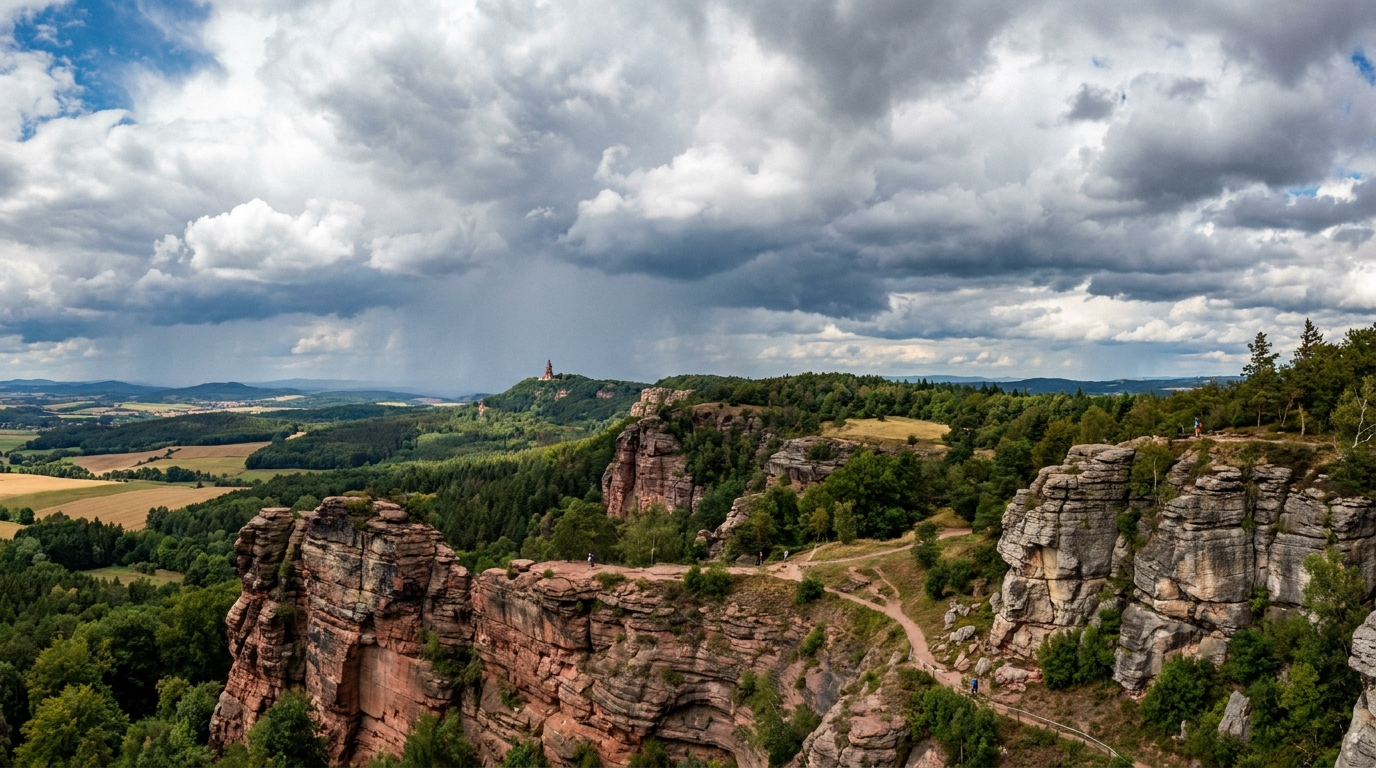
According to a study led by Dr. Steffen Trümper and his team at the University of Münster in Germany, published as open access in the journal Scientific Reports, samples collected from the Kyffhäuser Mountains, located within the Saale Basin in northern Germany, shed new light on this topic. The researchers highlight a key biological characteristic: “Of all hard organic tissues, wood has the strongest chemical affinity for mineralization.”
In a scientific press release, Dr. Steffen Trümper expresses his amazement at this ability to preserve: “It is astonishing that a fossil, often no larger than the palm of a hand, encompasses the geological history of an entire region spanning hundreds of millions of years.” This petrified plant material comes from majestic trees that thrived long before the appearance of dinosaurs, during the Carboniferous period, in the heart of a tropical zone on the supercontinent Pangaea that was subject to alternating dry seasons and catastrophic floods.
The Four Mineral Metamorphoses at the Heart of Pangaea
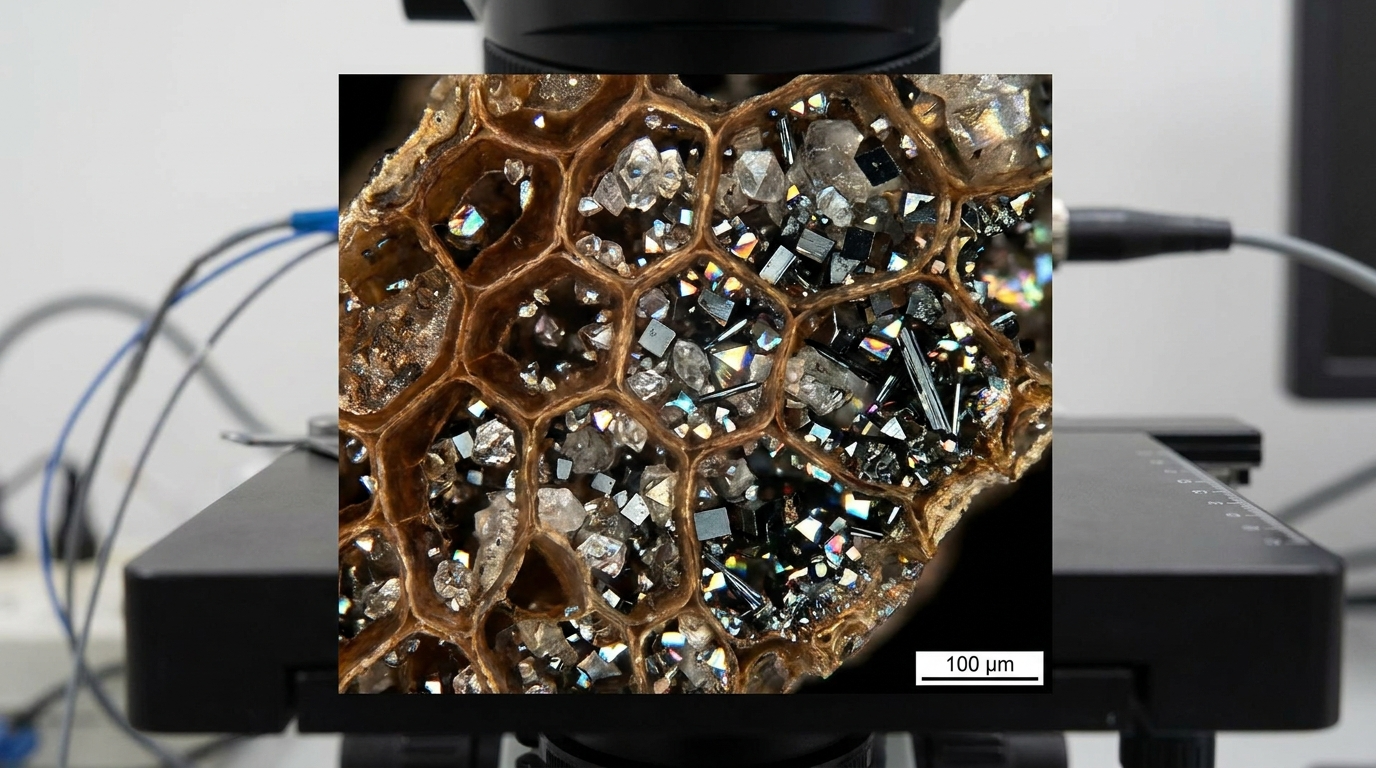
Once buried in riverbeds 304 to 299 million years ago, these trees began a long process of transformation. The study indicates that the environmental conditions at the time allowed silicic acids to infiltrate the organic matter. This phenomenon led to the formation of opals capable of preserving the original structure of the wood’s cell walls with surgical precision.
Subsequently, between 299 and 290 million years ago, the fossils became buried under ancient layers of sediment. Exposed to temperatures ranging from 50°C to 70°C, the opalized wood crystallized into very fine quartz. According to research by Dr. Steffen Trümper reported by IFLScience, these successive transformations preserved the evolutionary lineage of now-extinct species, whose closest living relatives are today’s conifers.
Over geological time, the mineralized wood underwent other equally profound changes. The accumulation of stratigraphic layers, combined with rising heat, pressure, and salinity between 257 and 260 million years ago, replaced the fine quartz with coarser quartz-hematite crystals, erasing the local anatomical structures in the process. Later, following a period of stability, exposure to temperatures ranging from 170 °C to 290 °C, between 180 and 150 million years ago, resulted in the formation of block-shaped automorphic quartz. Finally, about 100 million years ago, a final variety formed: baryte quartz, identifiable by its emission of blue light when bombarded with electrons—a phenomenon called cathodoluminescence.
A nuclear clock preserved through the ages
Although external factors can sometimes alter lead concentrations, Dr. Steffen Trümper explained in an interview with IFLScience that his team had rigorously controlled for these biases. He said, “In fact, we were very surprised to find that the [uranium-lead] clock, which was set in motion during the initial mineralization at the end of the Carboniferous Period, was not completely reset during subsequent processes.”
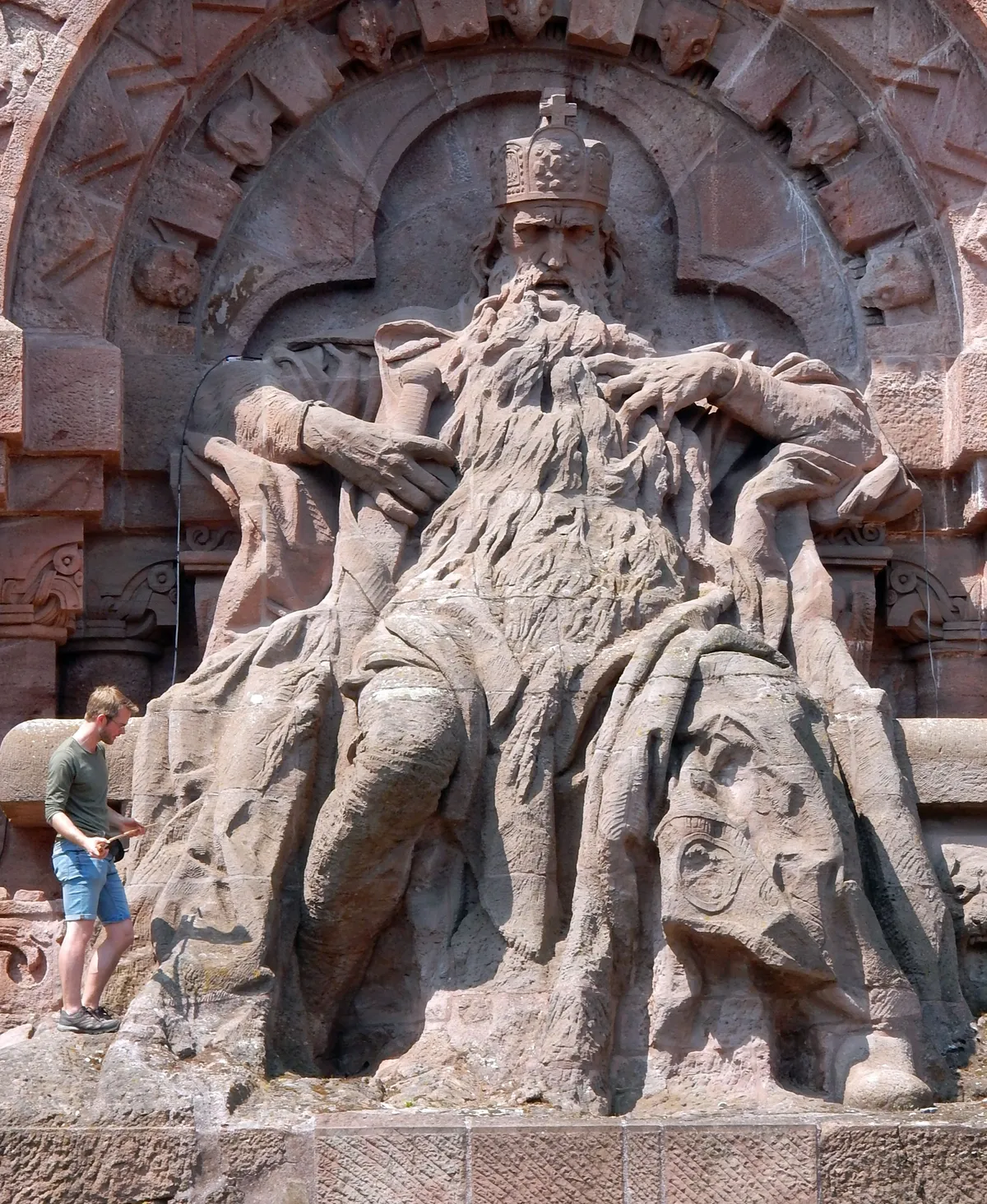
Using this dating method, the research team was able to establish an extremely precise chronology of burial depths. The wood’s final metamorphosis thus required burial at depths ranging from 3 kilometers to 5.5 kilometers. The fact that this fossilized wood is now found directly at the surface, in the immediate vicinity of the Kyffhäuser Monument (one of Germany’s tallest statues), is evidence of a colossal and recent geological uplift that occurred in the region.
A New Tool for Measuring Continental Evolution
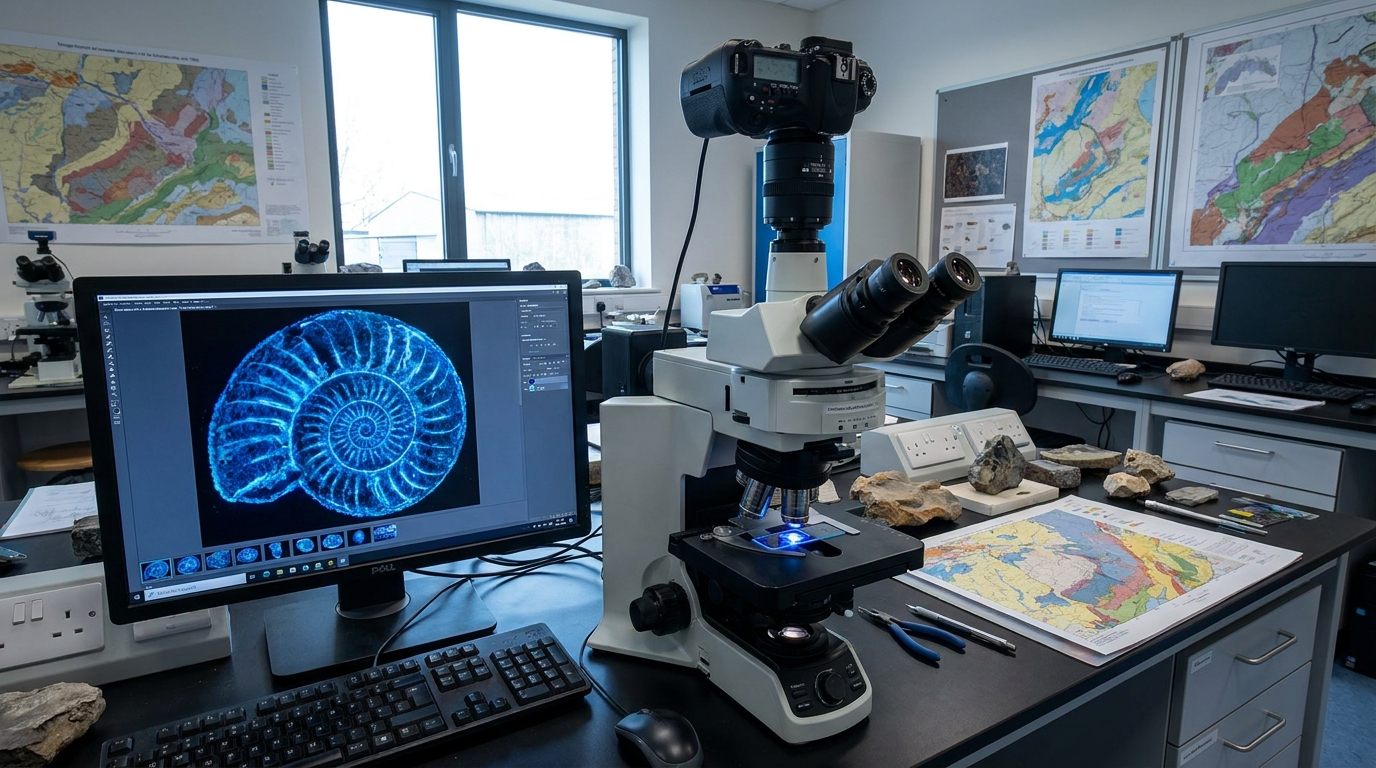
In addition to isotopic dating, microscopic analysis of trapped fluids provides valuable data on the history of the Earth’s crust. As Dr. Steffen Trümper explains in an official statement: “The tiny fluid inclusions in the quartz have been particularly revealing, as they preserve information about the exact conditions prevailing during crystal growth.” He also adds: “Since fossilized wood is present in many rock formations around the world, this opens up a valuable source of information. It provides science with a new tool for tracing the evolution of the continents.”
However, this phenomenon of complete mineralization remains exceptional. Just 80 kilometers to the south, at the Manebach site, conifer trunks have also undergone silicification. The authors of the study note in their article that “the delicate preservation of cellular structures is much better than at Kyffhäuser, and intracellular fungi are even present.” Nevertheless, analyses of fluid inclusions and uranium-lead dating on the Manebach fossils were unsuccessful.
When interviewed by IFLScience, Dr. Trümper explained the technical problem encountered during laser testing of the Manebach samples: “Large chunks broke off the sample instead of the small pieces needed to analyze the isotopic composition.” While scientists do not yet know how common this material challenge is at other deposits, a recent scientific study conducted in Qitai, in northwestern China, describes a promising site with a very similar metamorphic sequence.
Toward a Comprehensive Reassessment of Earth’s Plant Archives
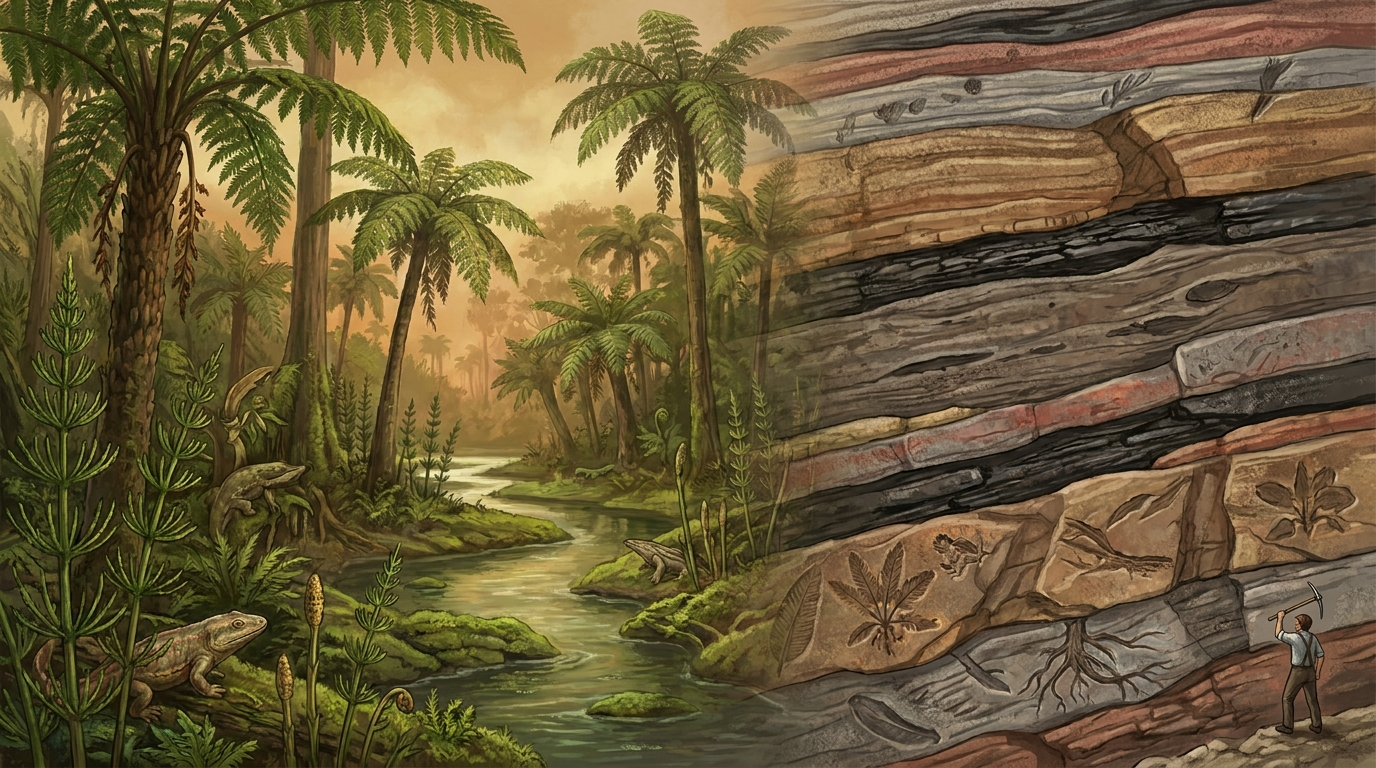
The discoveries made in the Kyffhäuser Mountains demonstrate that petrified wood is much more than a mere aesthetic curiosity or a botanical relic. By analyzing the succession of quartz crystals that gradually replaced the organic matter, geologists now have a veritable “black box” that traces temperature fluctuations, pressure variations, and tectonic movements over 300 million years.
Thus, every fragment of mineralized wood scattered across the globe represents a potential archive of inestimable value. While vertebrate bones primarily provide information on the anatomy and lifestyle of extinct fauna, mineralized flora stands out as an impartial record of the Earth’s depths and the long timescales of geology.
Source: iflscience.com
300-million-year-old fossilized wood reveals the Earth’s hidden geological history


