

Chained Burial Site Discovered on the Outskirts of Jerusalem
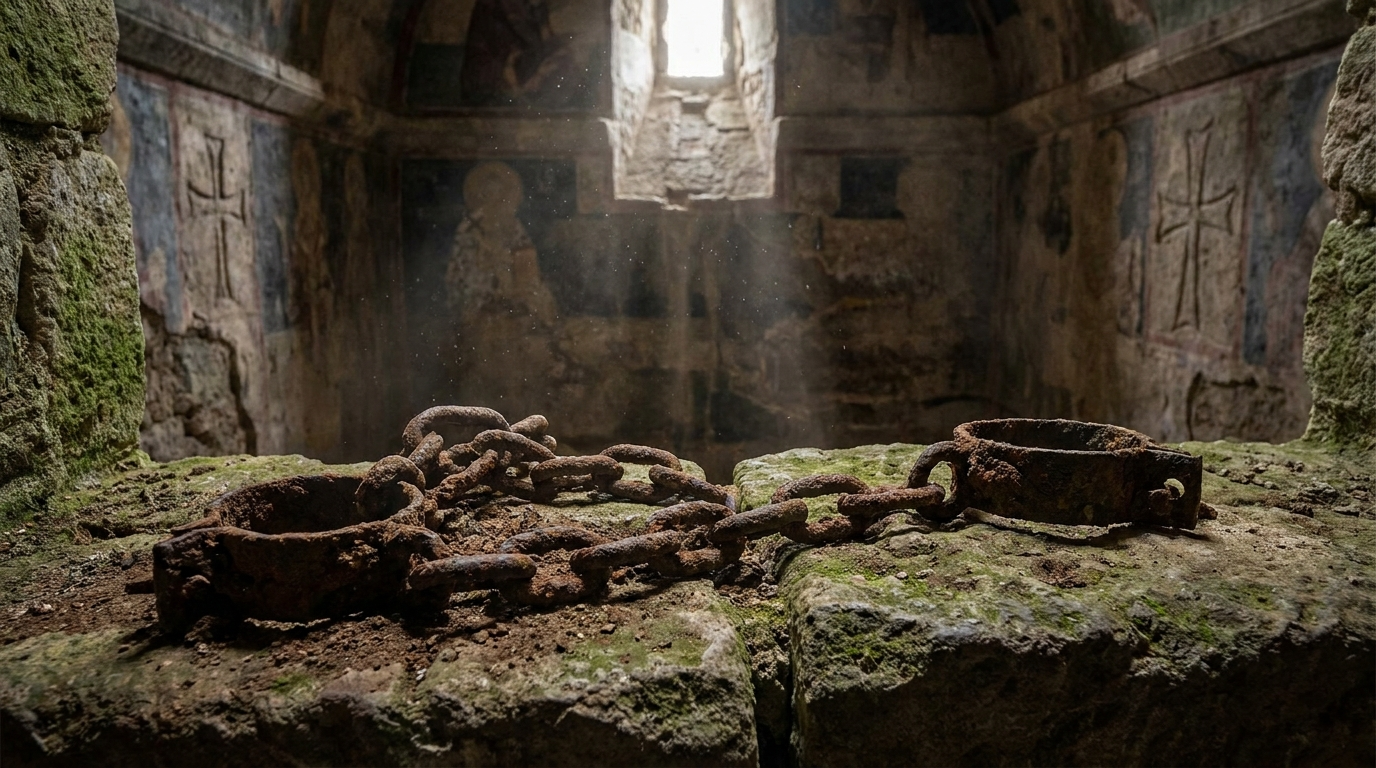
Tangled among the roots of a tree several centuries old, an ancient burial site nearly never revealed its secrets. It was in the heart of a Byzantine-era monastery, located near the Old City of Jerusalem, that archaeologists unearthed the remains of an individual wrapped in heavy iron chains. This discovery—whose original burials date from a period between 350 and 650 CE—upends what historians thought they knew about the religious practices of the time.
Until now, mainstream historiography had associated the most extreme forms of self-mortification and asceticism exclusively with men. As highlighted in a 2025 article published in Haaretz regarding the general perception among researchers: “Only men practiced self-punishment during the Byzantine era” and “Ecstatic suffering was the domain of the exalted man.”
However, a groundbreaking study published in the Journal of Archaeological Science, conducted in collaboration with Biography.com, now provides “the first solid evidence that women in early Christianity also engaged in self-punishment.” This unprecedented breakthrough redefines the nature of female devotion within early Christianity.
Extreme asceticism in Christian imagination and tradition
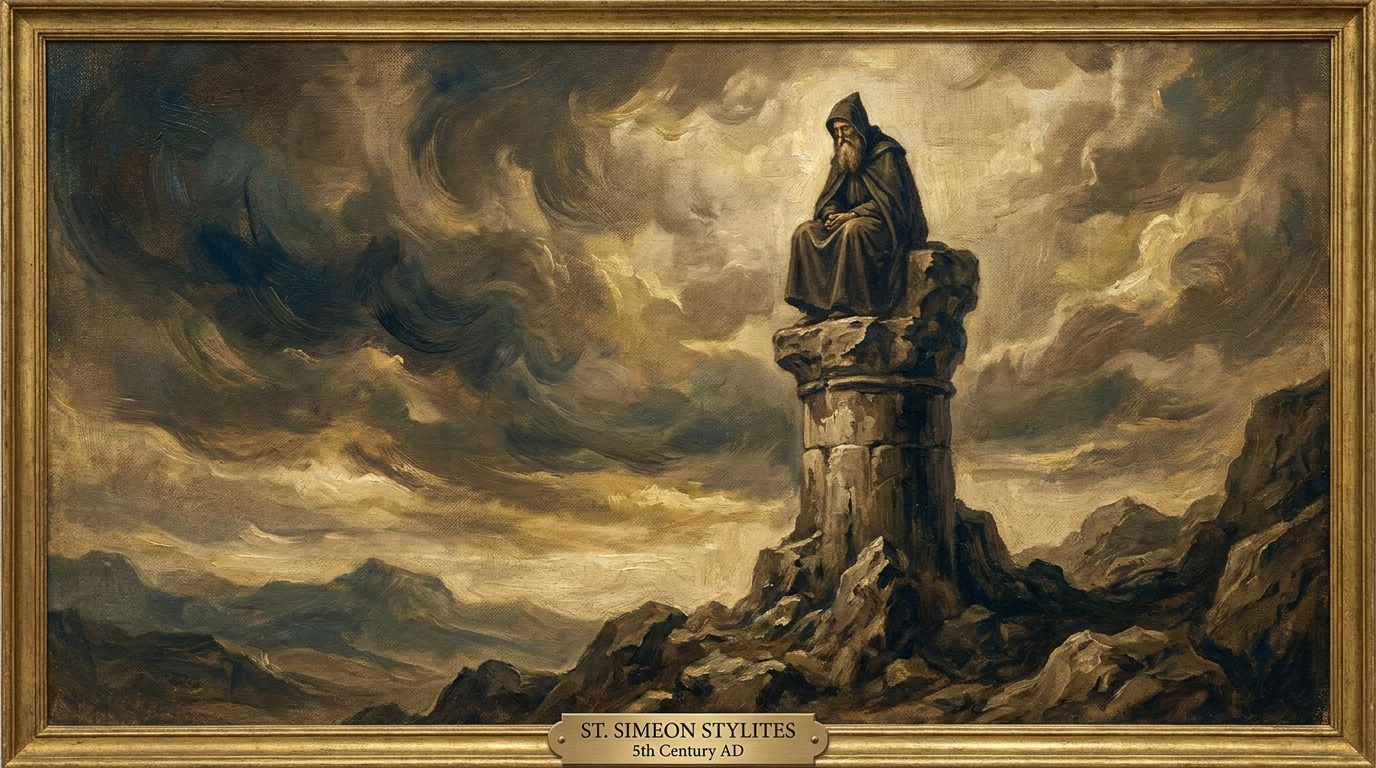
Within the Christian faith, asceticism has long encompassed a wide range of spiritual practices, ranging from simple meditation to rigorous fasting. However, it is the most radical branch of this movement—first documented in the 2nd century—that has consistently captivated people. These ascetics sought spiritual transcendence through voluntary deprivation of food that reduced the body to skin and bones, acts of self-flagellation, or the choice to chain themselves directly to rocks.
This imagery of sacred suffering has endured through the centuries and become deeply rooted in popular culture. It inspired a famous poem by Alfred, Lord Tennyson, as well as a 1965 film directed by the Mexican filmmaker Luis Buñuel. More recently, in the 21st century, this concept of ecstatic agony resurfaced in the best-selling novel The Da Vinci Code through the character of Silas, a monk who engages in self-flagellation. However, all these works shared one common thread: their protagonists were invariably men.
The Challenge of Biological Identification in the Face of the Ravages of Time
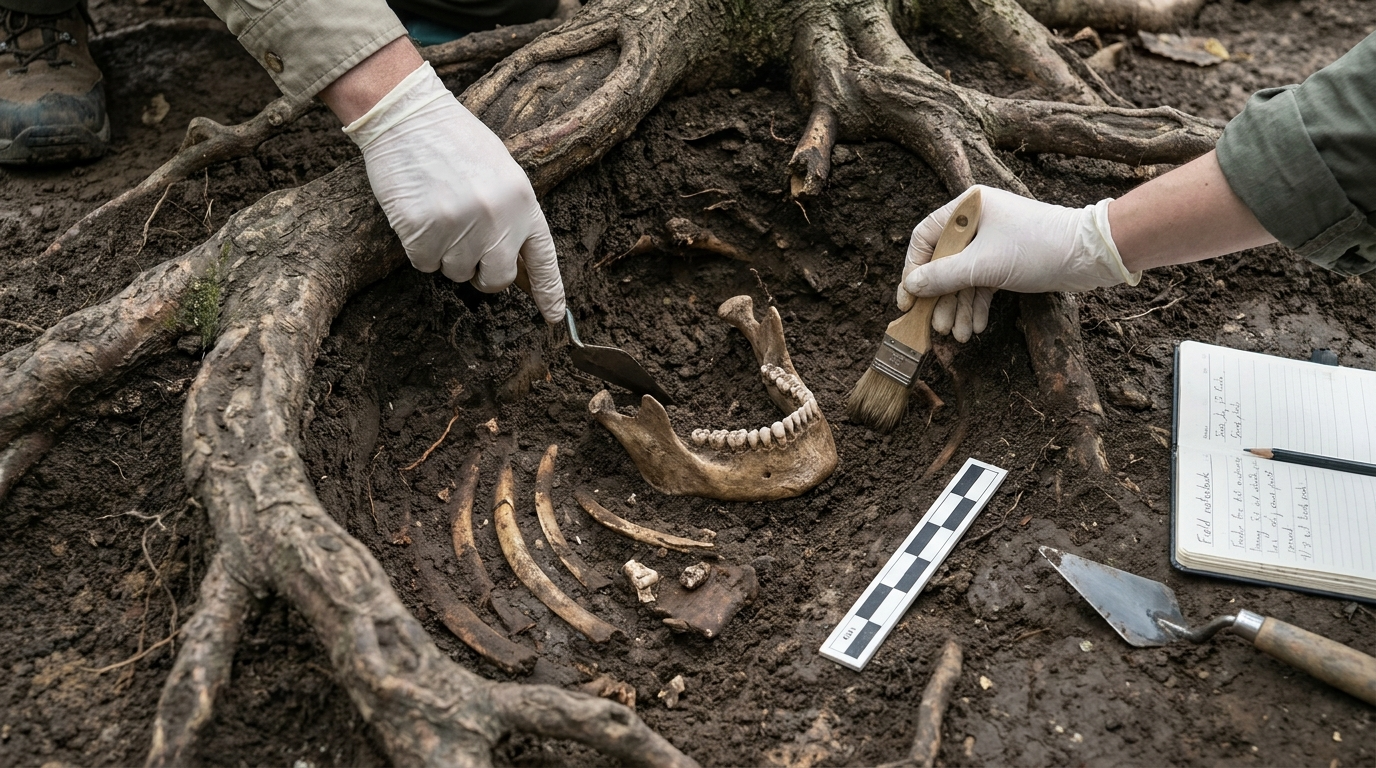
The so-called “diagnostic” bones—in particular the pelvis, which usually allows for the visual determination of a skeleton’s biological sex—were completely unusable and indecipherable. The only usable traces of this extraordinary ascetic available to the scientists were three vertebrae and a single tooth, preserved after nearly 1,600 years underground.
Given such severe environmental and temporal degradation, extracting a viable DNA sample was impossible. With conventional genetic methods hitting a dead end, the team of archaeologists had to turn to a completely innovative methodology to unravel the mystery of the ascetic’s identity.
A biochemical analysis derived from veterinary research

A New Perspective on Gender Roles in the Early Church

Although the results are particularly compelling, the research team maintains a cautious scientific approach. In the article’s conclusions, the authors state: “The absence of a unique AmelY spectrum allowed us to classify the remains as most likely those of a woman.” Indeed, since these samples are 16 centuries old, it remains theoretically possible that the Y-chromosome-linked protein may have degraded to the point of becoming undetectable in the analytical spectra.
Source: popularmechanics.com
An archaeological discovery in Jerusalem challenges established views on female asceticism in early Christianity


