

Archaeologists have reportedly discovered a mysterious burial ritual dating back 7,000 years


A Major Discovery at the Neolithic Cemetery in Coeby
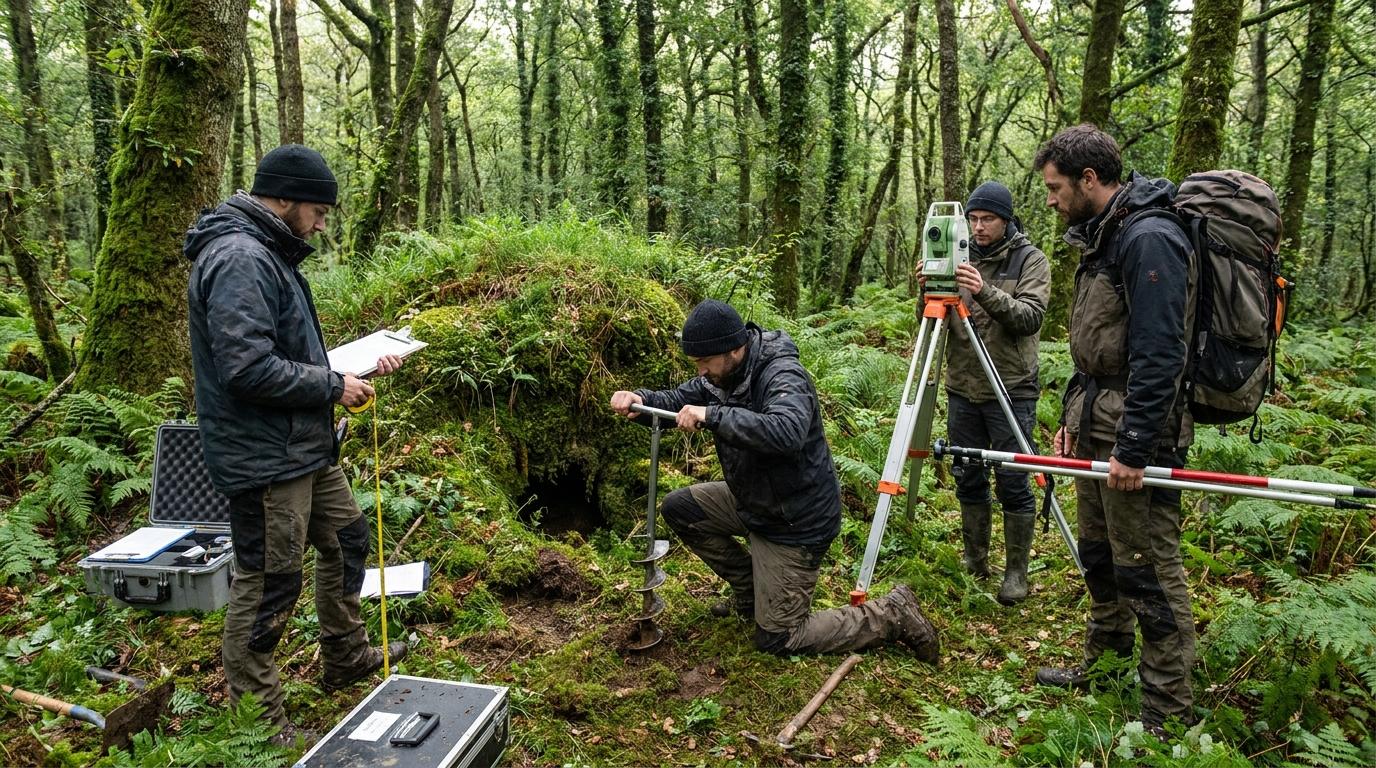
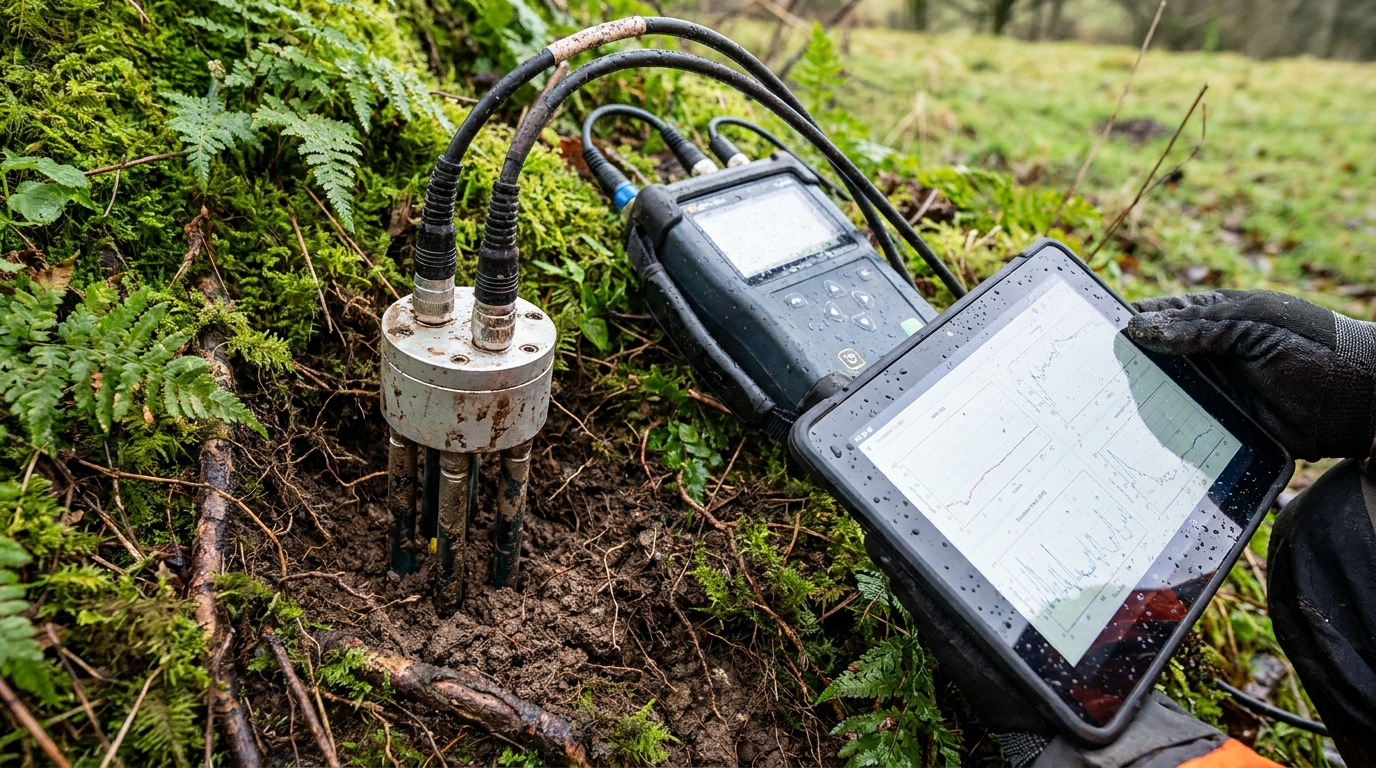
In the heart of a dense landscape covered with trees and brush near the Neolithic cemetery at Coeby, in the town of Trédion, France, a team of scientists has made a major archaeological breakthrough. The researchers surveyed the site point by point, taking thousands of manual measurements to examine the subsoil.
Electrical resistivity for mapping the subsurface
The entire Coeby site, first discovered in 1986, is home to several clusters of long barrows—some of which exceed 80 meters in length—surrounded by standing stones and passage graves. Now covered by lush vegetation, the site is also crossed by a service road.
Monuments comparable to Passy-type structures
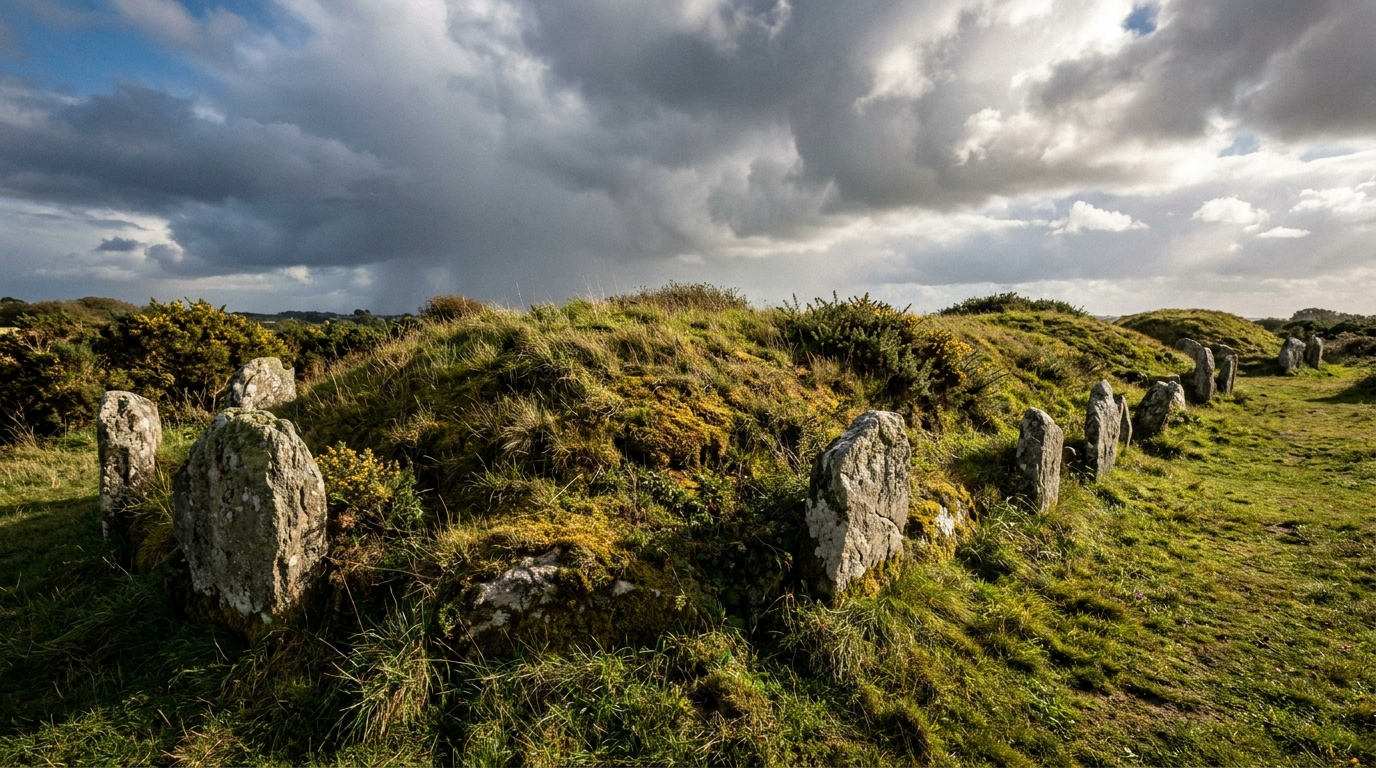
According to the scientific team’s conclusions published in the journal, “the results point to structures that could be similar to Passy-type constructions covering rough-hewn and anthropomorphic standing stones.”
The authors also note in their report: “Several groups of long tumuli of significant shape and size reveal unusual anomalies that raise questions about the function and origin of these structures,” adding that “it seems reasonable to confirm that these two tumuli are indeed funerary monuments belonging to the Coeby cemetery.”
The revealing presence of granite stelae
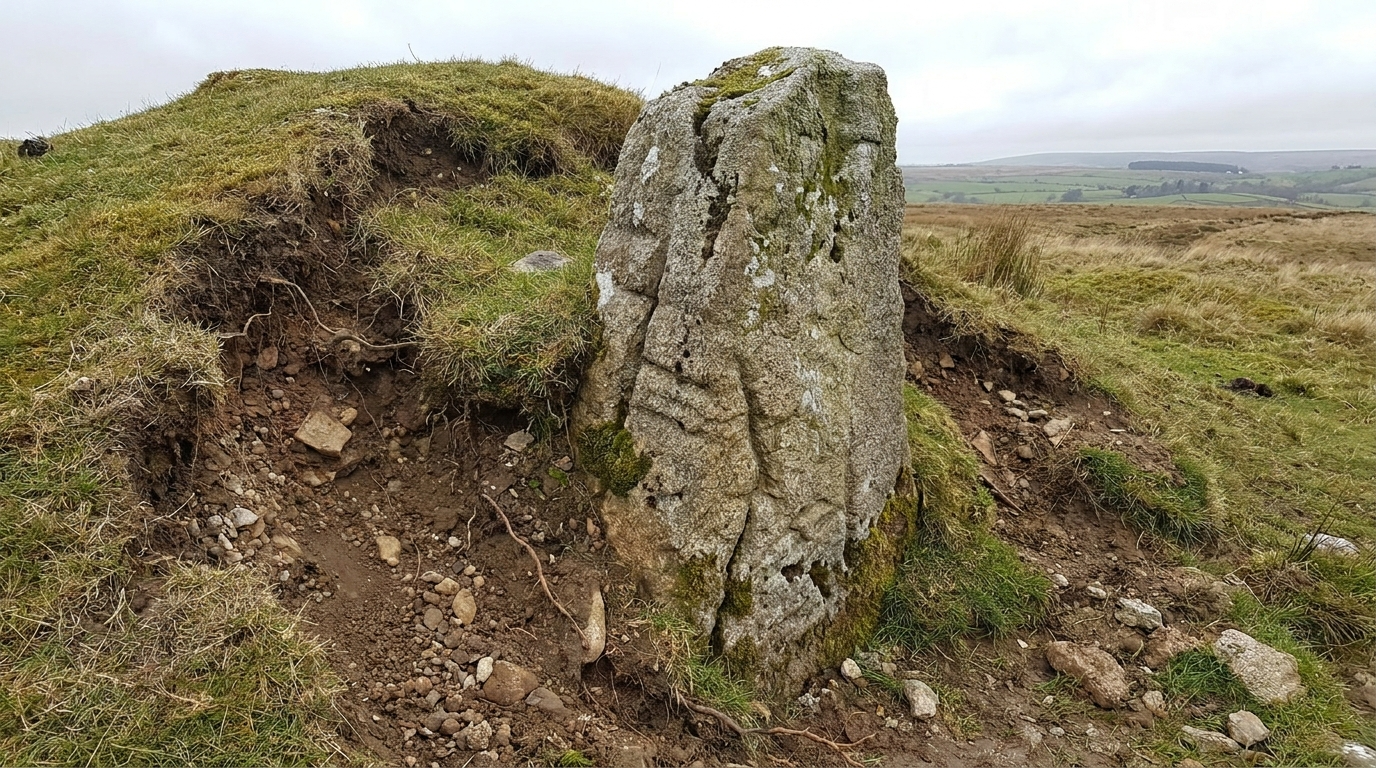
This surface visibility is a valuable asset for specialists. The researchers note on this subject: “We are fortunate to have, in our study area, well-preserved examples of these earthen giants with clearly visible above-ground structures.”
They also add in the study’s text that “the coexistence of standing stones embedded within the burial mounds and positioned above them suggests scientifically interesting interactions.”
Persistent Mysteries and the Need for Future Excavations
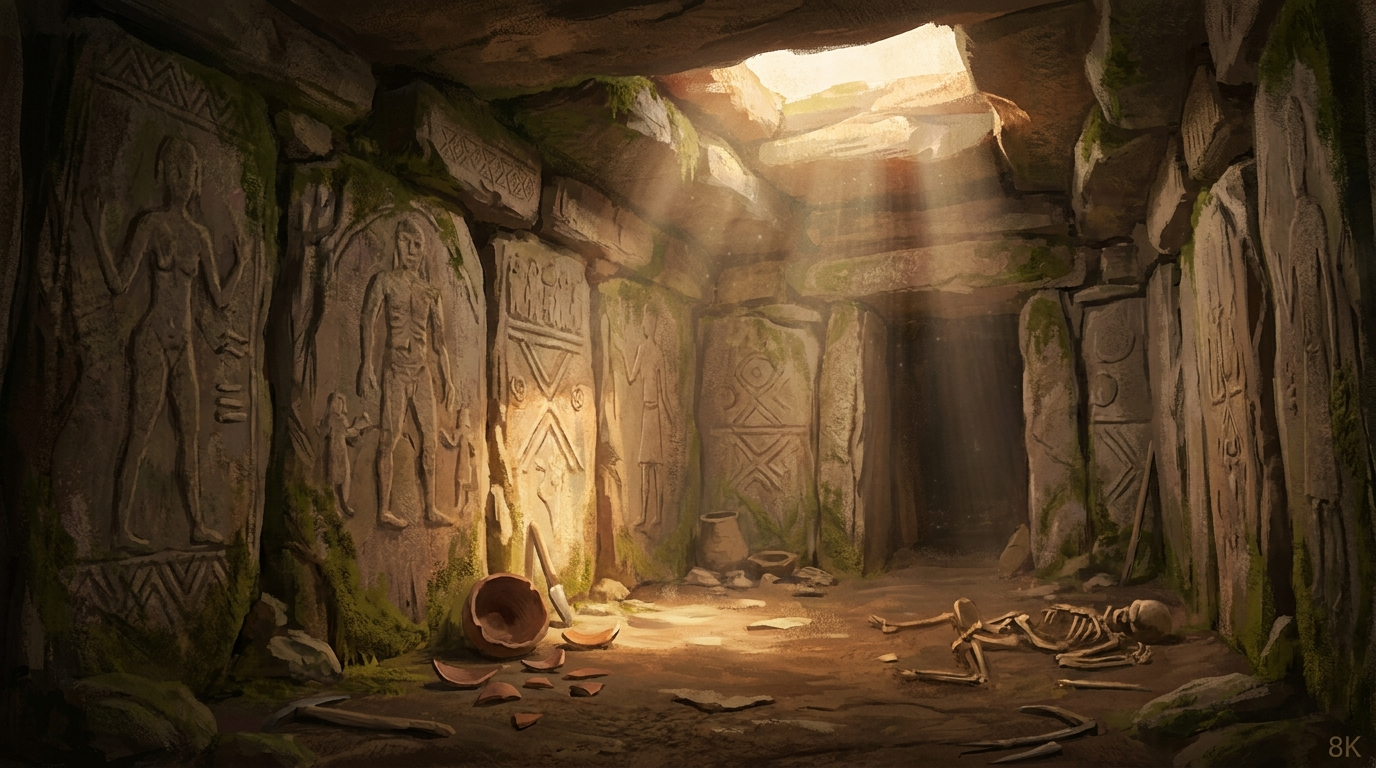
The exact function of these standing stones embedded at the heart of funerary structures remains poorly understood by the scientific community. The association between burial deposits, granite slabs, and a central menhir raises questions about the spiritual rituals of the region’s Neolithic populations.
In concluding their work, researchers from the University of La Rochelle note: “The presence of standing stones in these burial mounds remains a mystery to this day. A thorough excavation of this type of monument would provide more information about these internal anomalies.”
Source: popularmechanics.com
Archaeologists have reportedly discovered a mysterious burial ritual dating back 7,000 years
