

A Major Scientific Breakthrough in the Depths of the Ocean
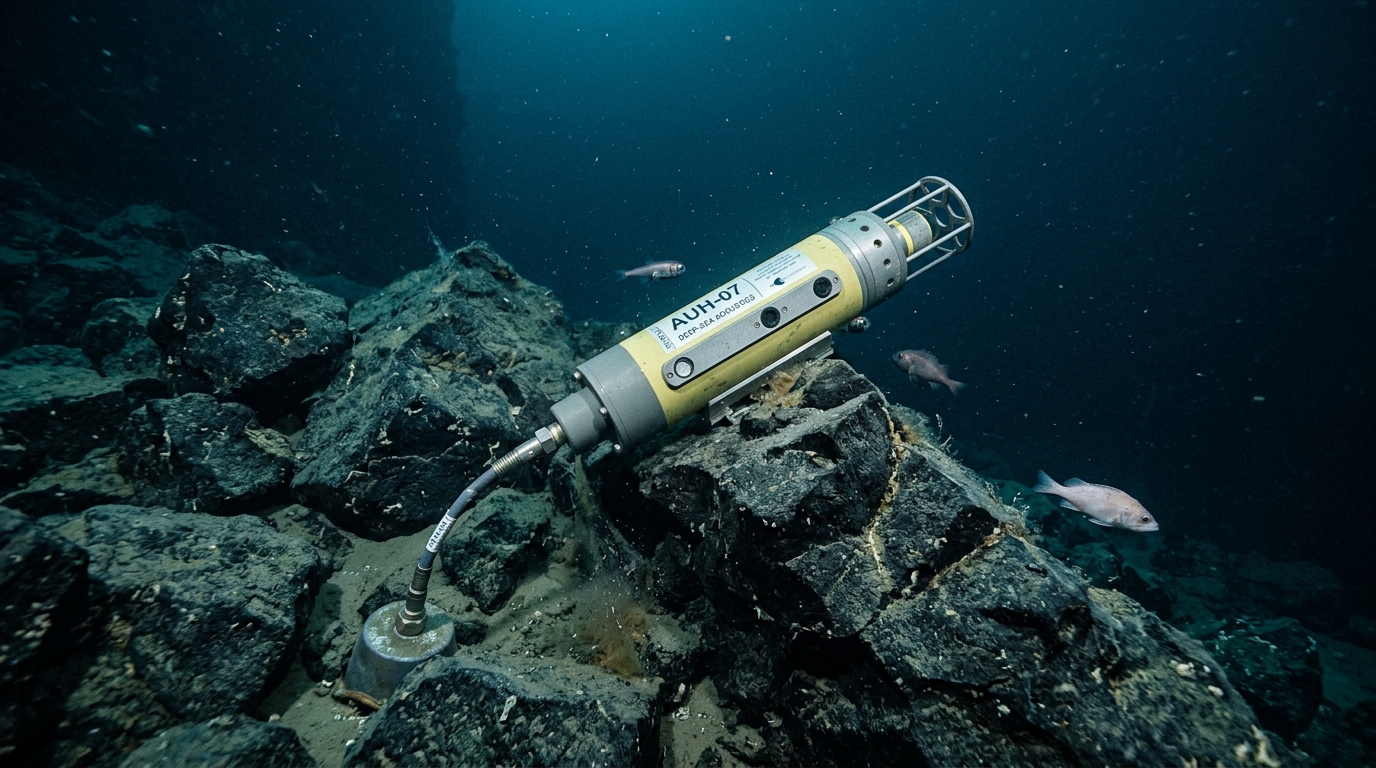
Much like a snake shedding its skin, the Earth’s crust is engaged in a perpetual process of renewal. For the very first time, researchers have been able to directly observe the formation of new oceanic crust at the bottom of the ocean. This fundamental event, which has shaped most of our planet’s current surface, was captured in real time using state-of-the-art instruments, as reported by the specialized media outlet IFLScience.
By analyzing movements recorded at extreme depths, the scientific team believes it has obtained the first direct evidence of the phenomenon of seafloor spreading. This process is characterized by the separation of the seafloor, which causes a massive amount of magma to be expelled from the Earth’s interior. Upon contact with freezing seawater, this molten lava rapidly solidifies to form a newly created oceanic crust.
An autonomous observatory deployed near Amsterdam Island
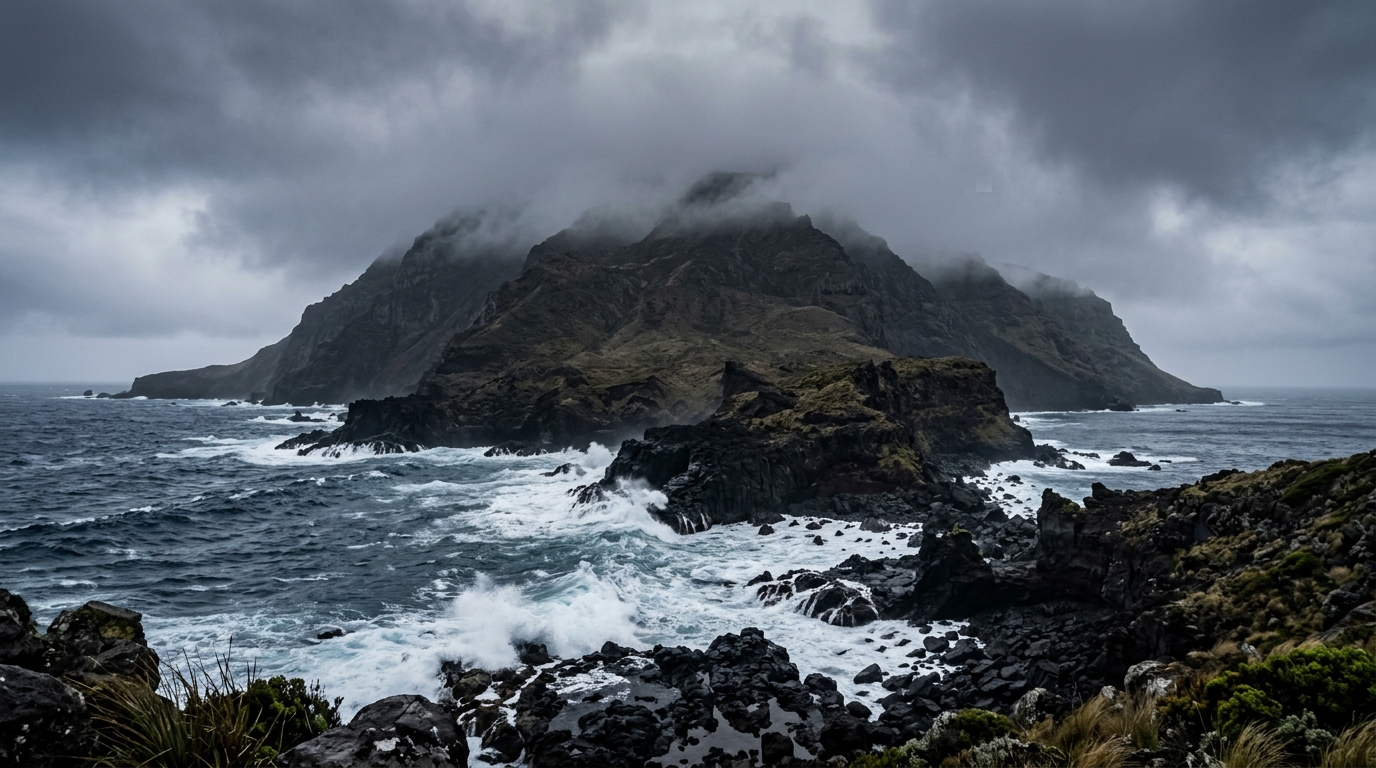
This ridge marks the junction where the Australian and Antarctic tectonic plates meet. The underwater observatory consists of five autonomous hydrophones—underwater microphones designed to continuously monitor the ocean floor and collect crucial geophysical and seismic data.
Timeline of the Eruption and Seafloor Collapse
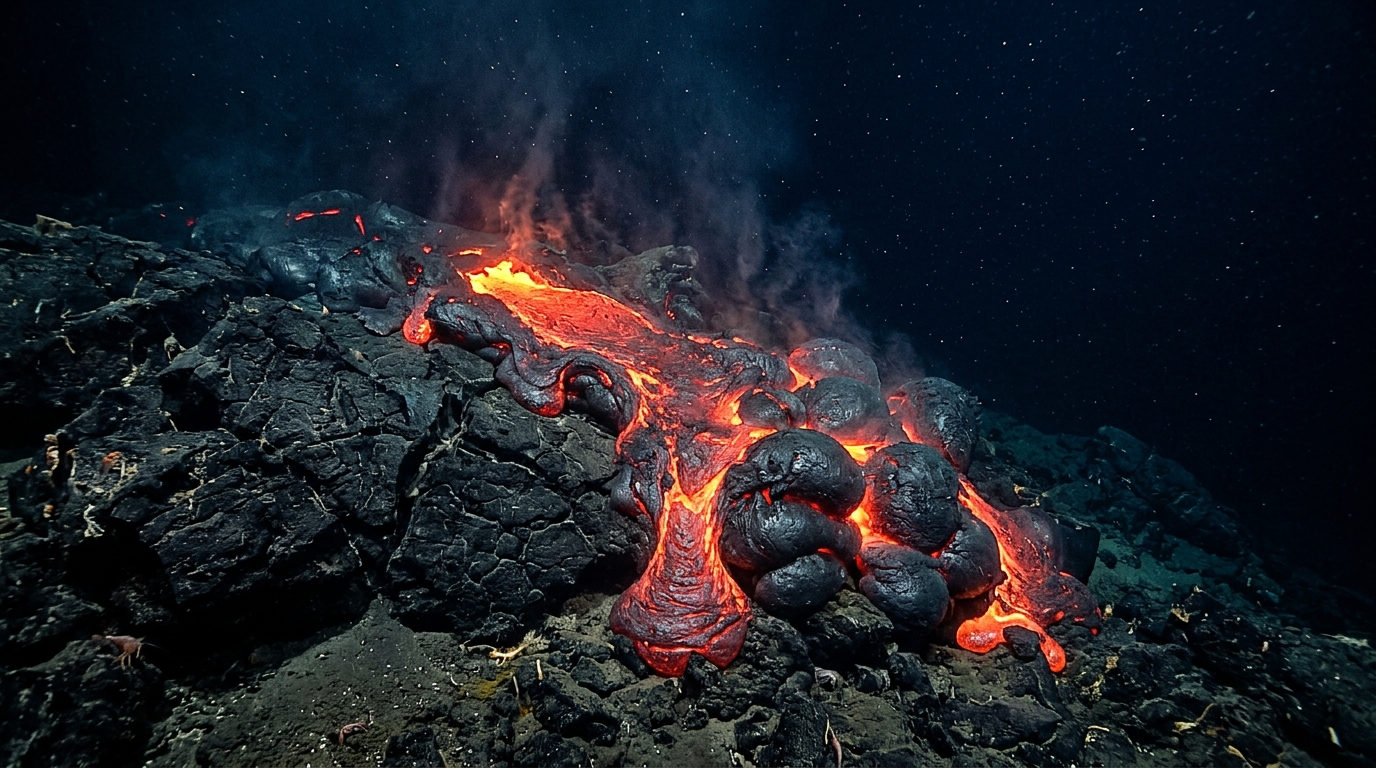
According to the research team, this sudden movement was caused by the emptying of a gigantic magma reservoir located 3.6 kilometers (2.2 miles) below the Earth’s crust. As it poured its contents onto the ocean floor, the reservoir deflated like a balloon. A major collapse of the seafloor occurred on April 26 between 9:03 p.m. and 9:40 p.m., followed by a rise in water temperature suggesting that molten lava may have reached the seafloor as early as 10:00 p.m.
As the authors explain in their report: “Beyond this time, the slower subsidence of the seafloor could reflect the drainage of magma through open fractures connecting the reservoir to the ocean floor.” This set of phenomena is referred to as a seafloor spreading event—an intense phase during which tectonic plates move apart and release decades of accumulated stress.
In-situ confirmation of a decades-old theory
However, observing plate separation in real time presented an unprecedented challenge. In a “News & Views” review article accompanying the publication, Ingo Grevemeyer and Lars Ruepke, geophysicists at the GEOMAR Helmholtz Center for Ocean Research in Kiel, hailed this breakthrough: “Plate separation is constantly forming new seafloor, but this had never been observed in situ—until now.”
This direct observation sheds crucial light on a fundamental phenomenon. Although two-thirds of the Earth’s surface was created along mid-ocean ridges through this colossal geological process, scientists previously had very little data on the behavior of the ocean floor during these hidden eruptive phases.
Technical uncertainties and methodological limitations identified
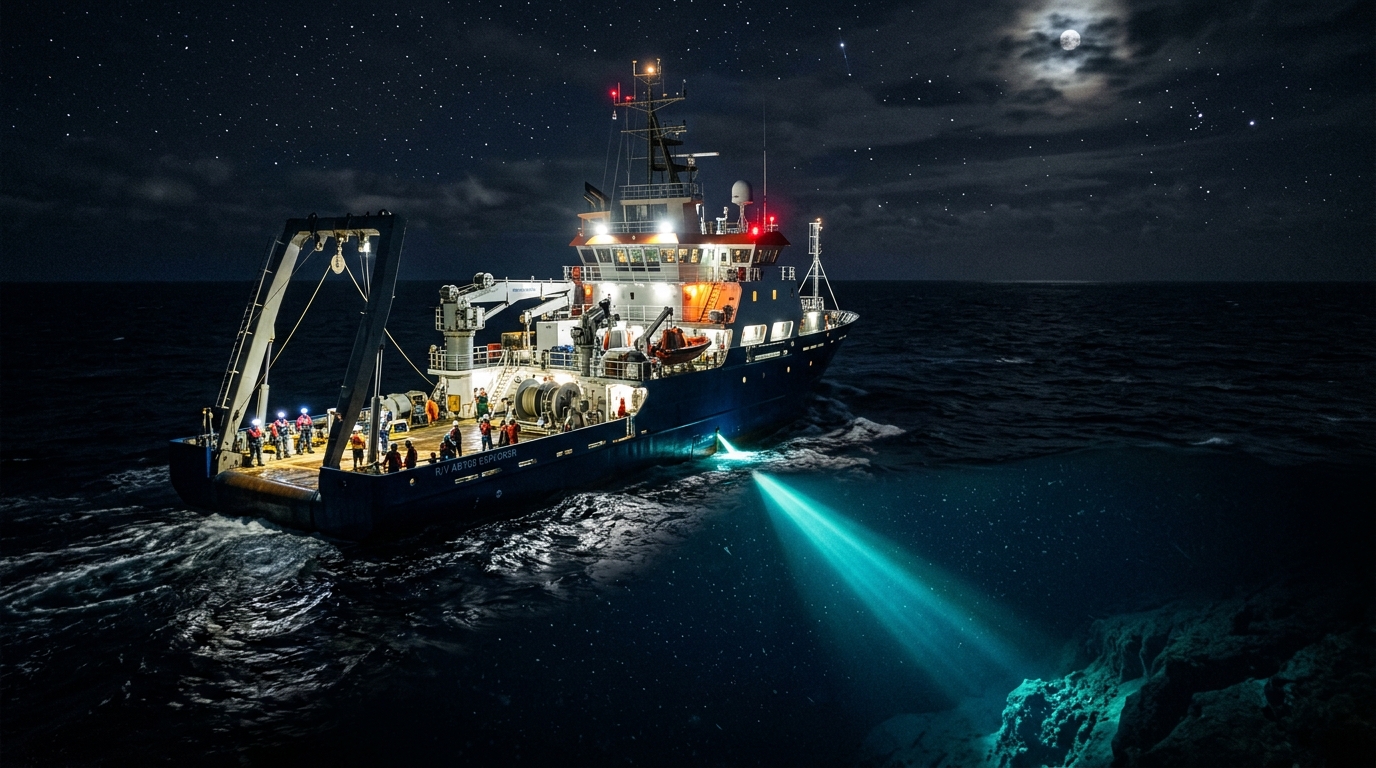
While acknowledging the exceptional significance of this discovery, independent experts were keen to highlight certain limitations inherent in the study. Ingo Grevemeyer and Lars Ruepke noted that “seismic measurements allow us to identify where earthquakes occur, but not their depth. Consequently, deformation patterns within the crust remain difficult to understand.”
Source: iflscience.com
For the first time, researchers have observed the formation of new oceanic crust in the Indian Ocean in real time


