

The Tragic Sinking of HMS Edinburgh in the Spring of 1942
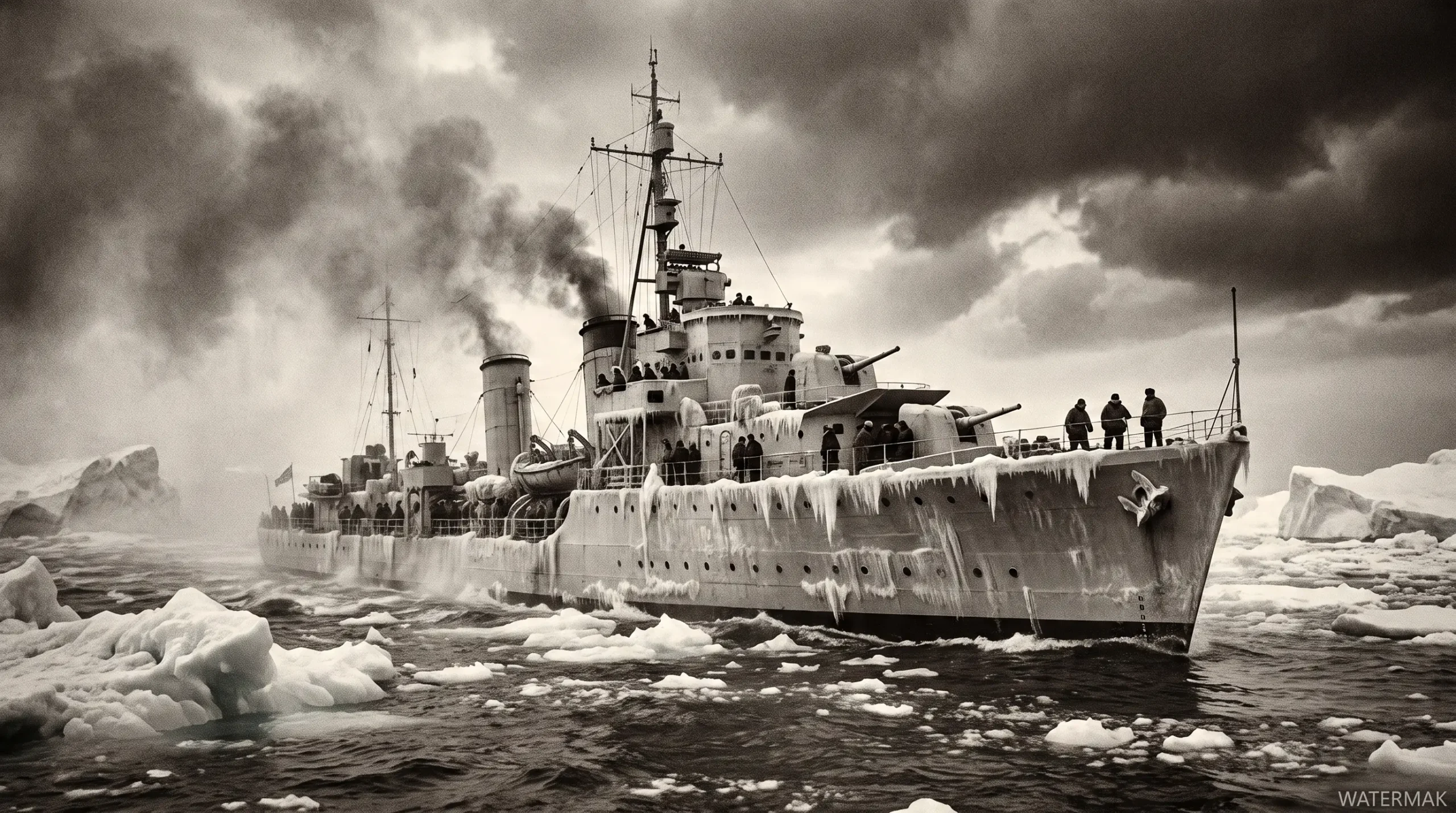
On April 28, 1942, the Royal Navy cruiser HMS Edinburgh set sail from Russia bound for the United States. On board was a strategic cargo of the utmost importance: 465 gold bars shipped by Joseph Stalin’s government. This precious treasure was intended as payment to the Americans for the war materiel supplied to the Soviet Union as part of the war effort against Nazi Germany.
Forty Years of Diplomatic Deadlocks and Assurances
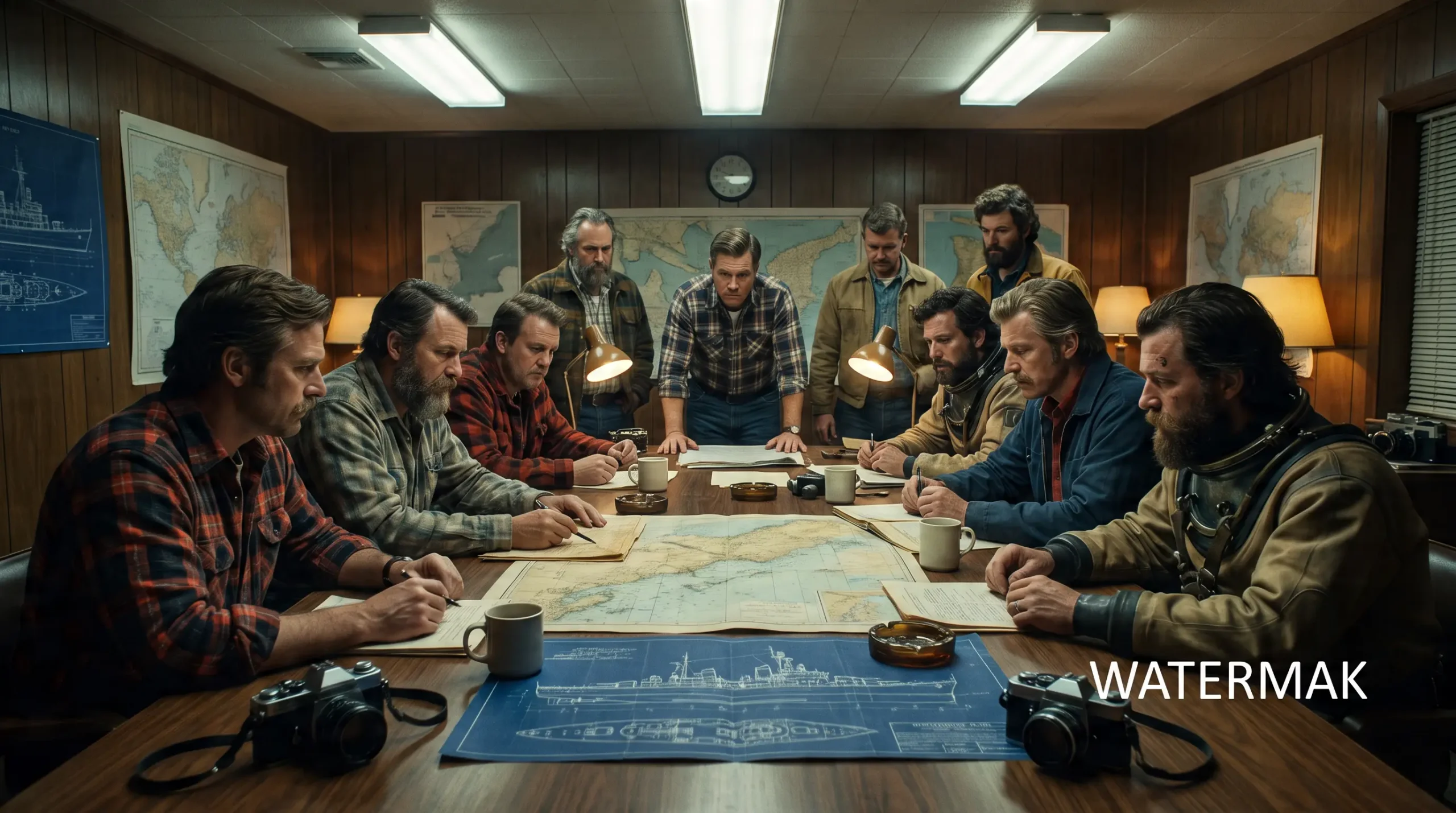
The matter remained at a standstill until the late 1970s, when treasure hunter Keith Jessop stepped in through his company, Jessop Marine Recoveries. To bring the project to fruition, the explorer formed an international consortium bringing together the British diving company Wharton & Williams, the German shipowner Offshore Services Association, and the British maritime survey firm Racal-Decca, finally securing an official contract with the British government thanks to Keith Jessop’s tenacious efforts.
The meticulous location of the wreck at the bottom of the Barents Sea
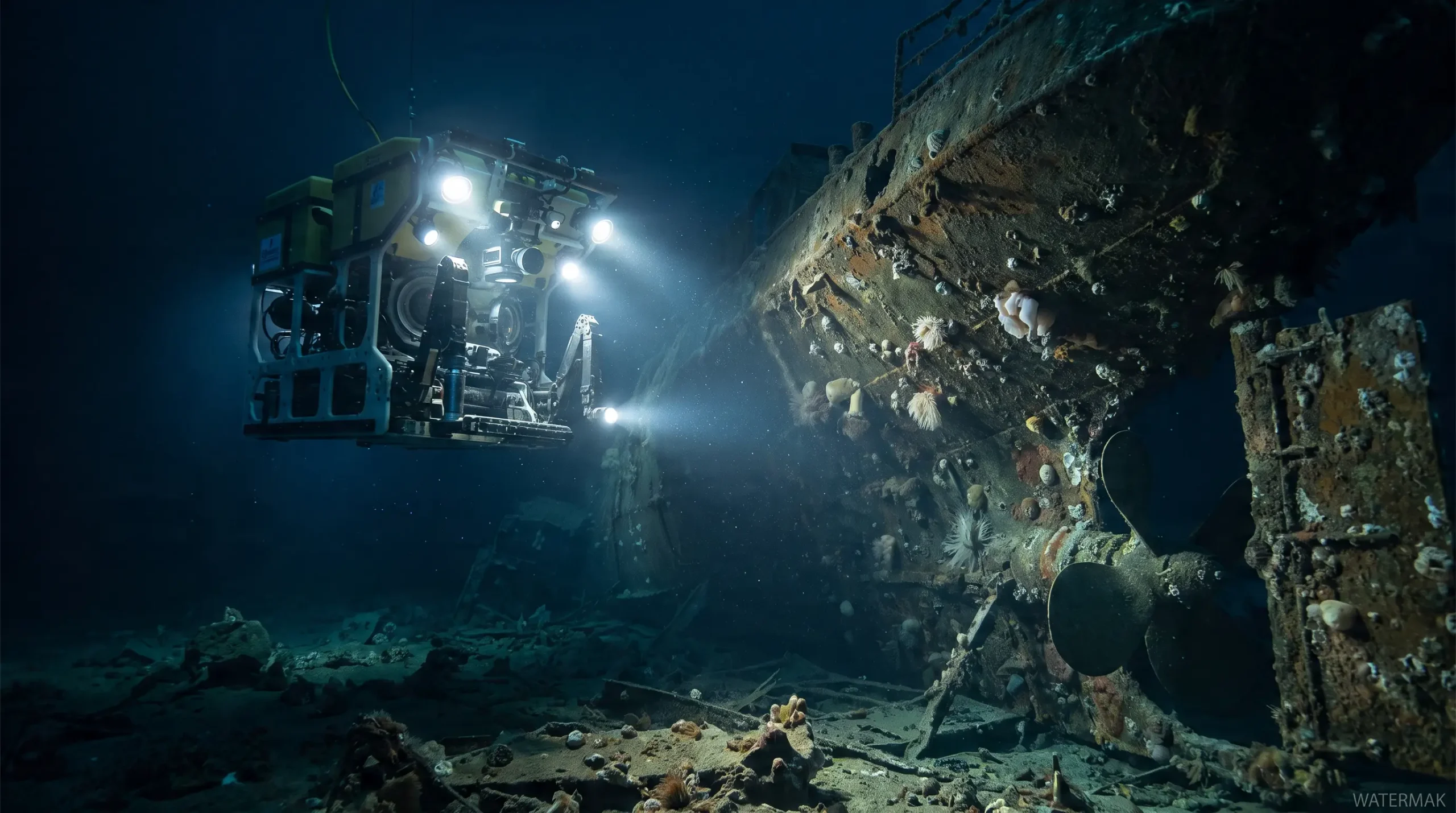
Before they could recover a single ingot, the expedition team had to overcome a major challenge: pinpointing the exact location of the wreck. The researchers meticulously cross-referenced survivors’ accounts, logbooks from the time, and reports from Norwegian fishermen to narrow down a plausible search area around the site of the sinking.
To best prepare for the divers’ mission, the team visited the Imperial War Museum in London to examine the wreck’s sister ship, the HMS Belfast. A detailed study of the plans and internal compartments of this sister ship made it possible to reconstruct the exact layout of the HMS Edinburgh and anticipate movements inside the sunken vessel.
An Extreme Diving Expedition into the Depths of the Arctic
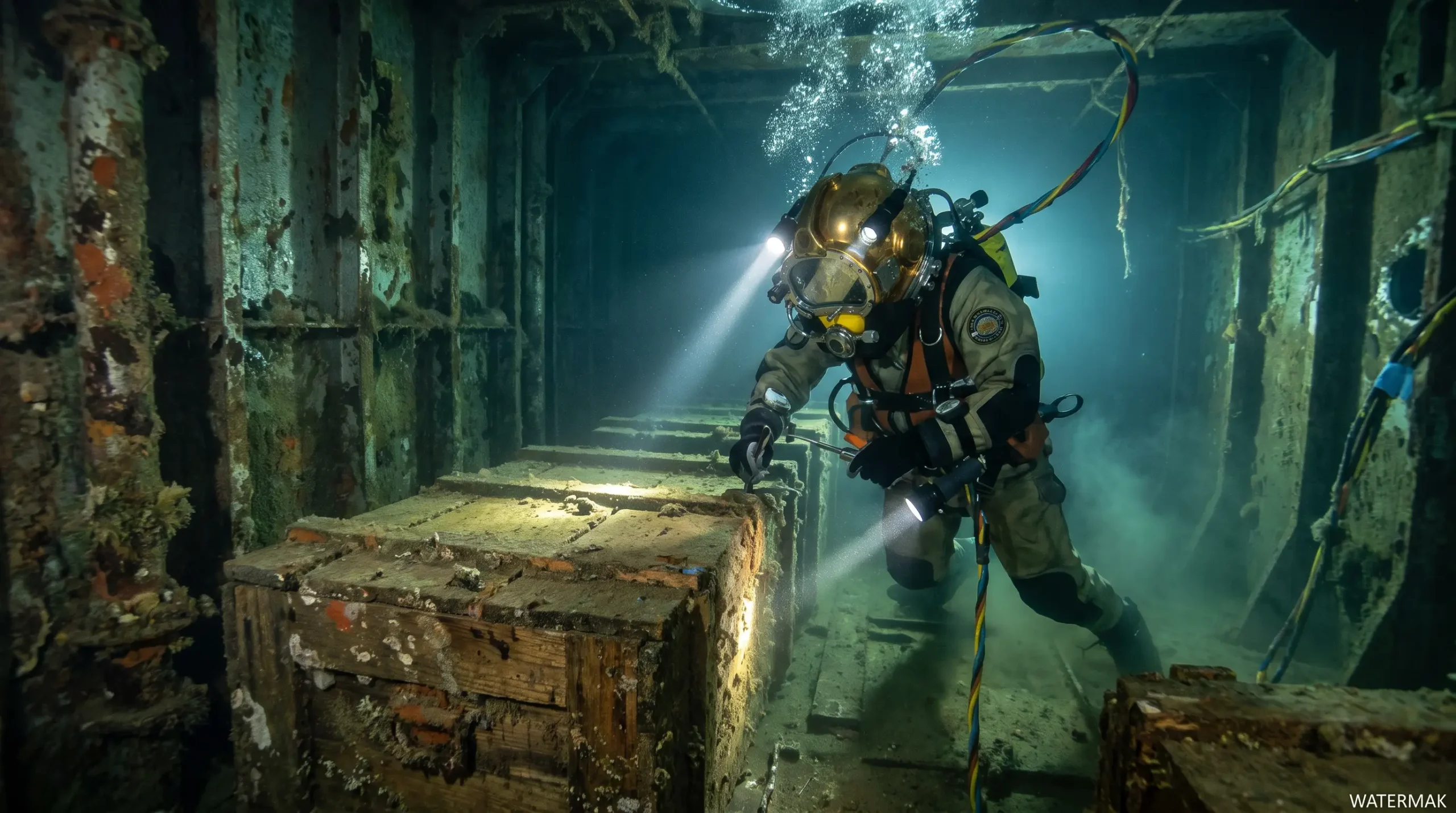
Initially, the plan was to enter the cruiser through the breach left by the German torpedo. Unfortunately, massive piles of debris blocked the entrance, forcing the technicians to cut directly through the steel hull. The team spent an entire week clearing a path to the bomb chamber, a dangerous space that still contained intact live ammunition. According to comments gathered by The Scotsman from Ric Wharton, co-founder of Wharton & Williams, this underwater operation was “the maritime equivalent of a moon landing,” stating that it was “without a doubt the greatest treasure hunt of the 20th century.”
The intense and repeated efforts finally paid off on September 16, 1981. Diver Jon Rossier, then 27 years old, managed to reach the stockpile of precious metals and radioed the now-famous phrase: “I’ve found the gold! I’ve found the gold!”
The spectacular results of the recovery of the century
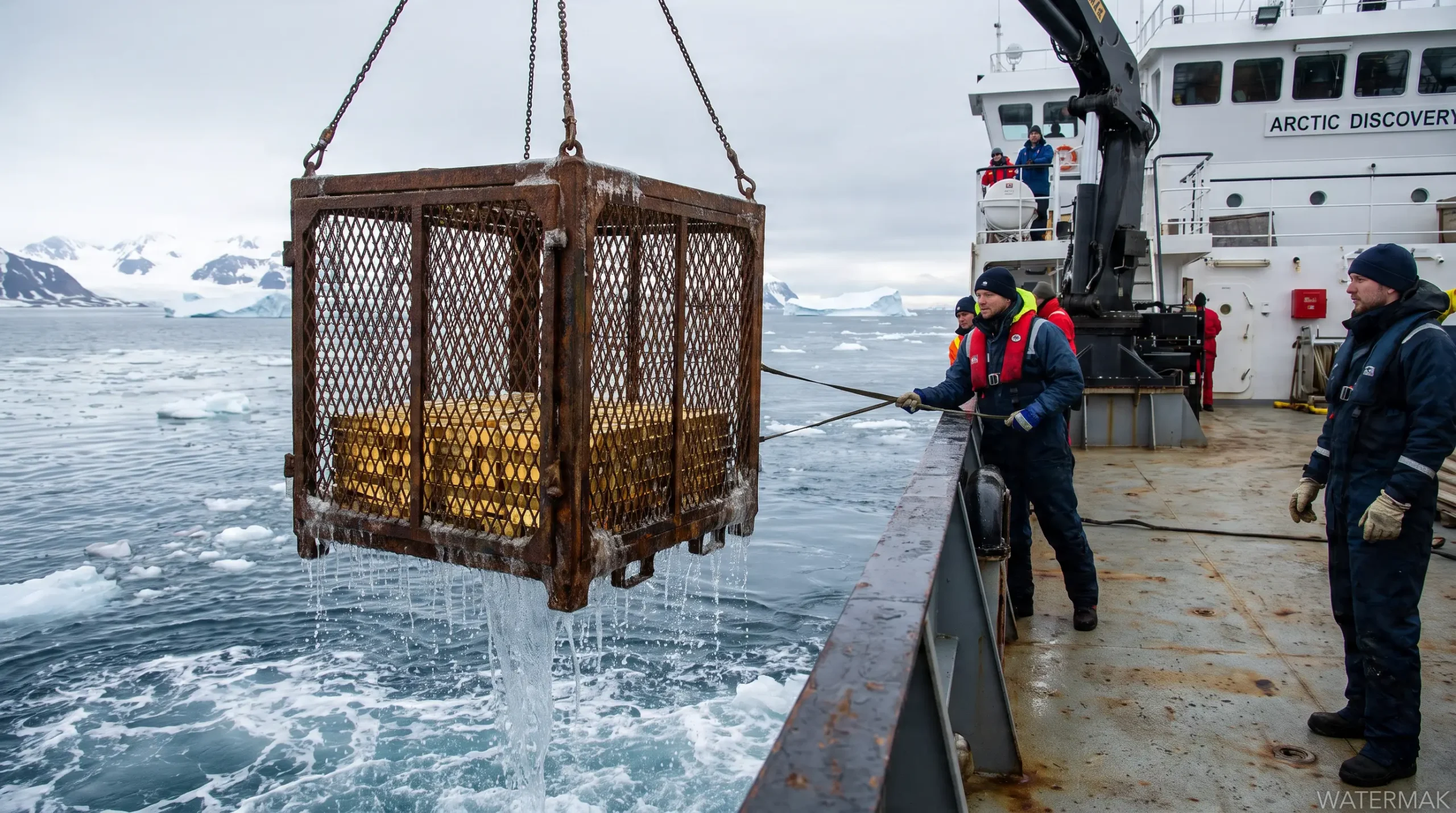
The recovery of the treasure proceeded at a steady pace using a metal cage winched up from the surface, carrying about 40 ingots per trip. Each gold bar weighs nearly 10.4 kilograms (23 pounds). Observing the operations from the surface ship, Soviet observer Igo Ilijn commented on the event, describing the precious cargo as “the very best Soviet gold,” according to news dispatches from the time.
The story doesn’t end there. In 1986, the consortium organized a second expedition to the site of the HMS Edinburgh to recover another portion of the remaining cargo. During this final dive, 29 additional ingots were brought to the surface. Today, only five of the original 465 ingots still lie at the bottom of the Barents Sea, forever sealing the memory of what remains the most spectacular treasure recovery operation in modern history.
Source: popularmechanics.com
Soviet gold remained trapped for 40 years in a sunken submarine before a daring rescue


