

A Targeted Approach to Mitigating Major El Niño Events

The imminent onset of an exceptionally intense El Niño cycle threatens to trigger a wave of extreme weather events across the globe. From heat waves to devastating floods and prolonged droughts, these events are further amplified by global climate change caused by human activities. Faced with this alarming reality, scientists are exploring the possibility of interrupting and neutralizing this Pacific Ocean warming phenomenon as early as its formation phase.
As reported by AFP, Jessica Wan, a postdoctoral researcher at the University of Chicago and the study’s lead author, highlights the strategic value of this method. “These shorter intervention timeframes could be a very powerful way for geoengineering to integrate all responses to climate change,” she explains. This vision marks a pragmatic turning point in thinking about mitigating climate emergencies.
Inspiration from the Australian wildfires and the marine mechanism
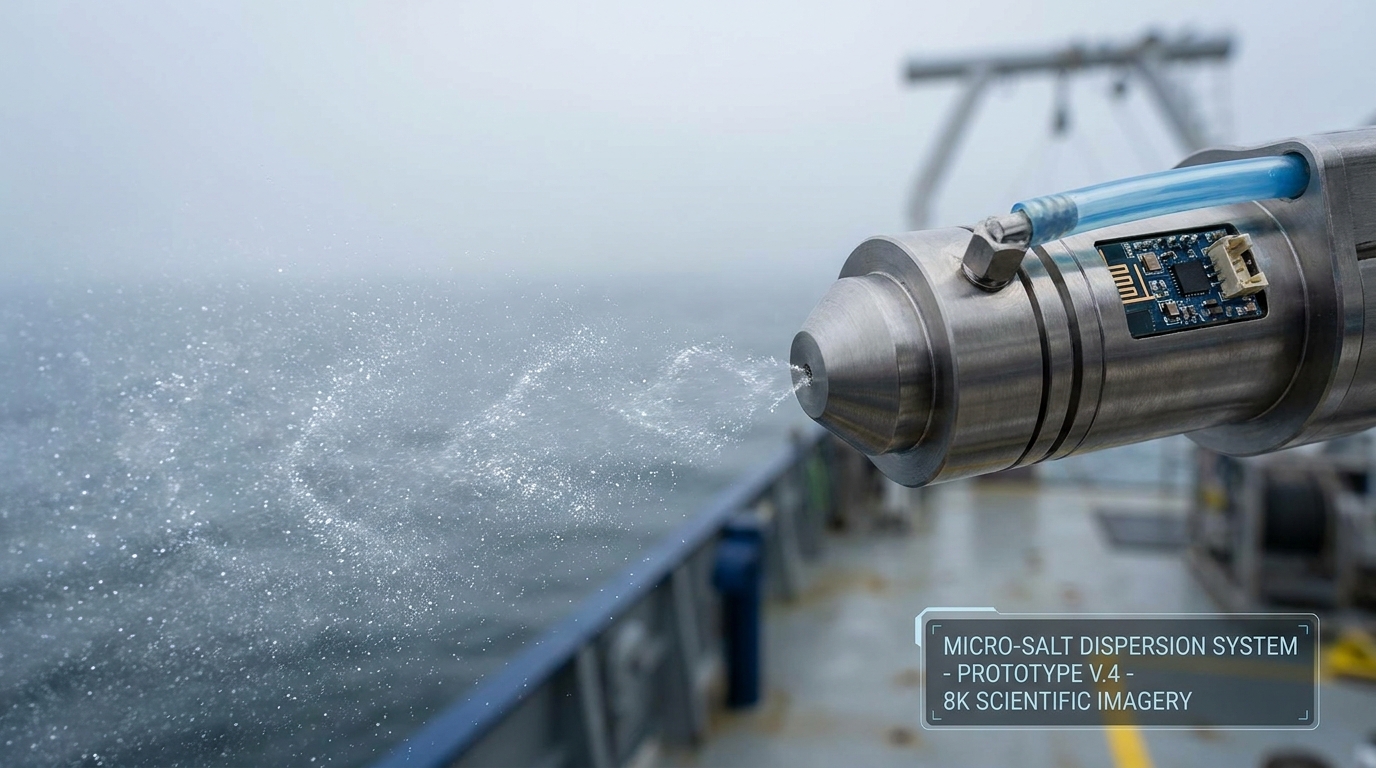
Previous research had revealed that the historic “Black Summer” bushfires, which ravaged Australia in 2019–2020, played a decisive role in triggering a multi-year La Niña event. La Niña represents the cool phase of the cycle known as the Southern El Niño Oscillation. During those fires, smoke particles propelled into the clouds triggered chain reactions that increased the albedo of the clouds, thereby reflecting a greater amount of solar energy back into space.
Inspired by this unintended natural experiment, Jessica Wan’s team sought to determine whether solar geoengineering could artificially replicate a similar effect. To test their hypothesis, the researchers deployed a state-of-the-art predictive model to assess the consequences of artificially brightening marine clouds over a vast rectangular area in the equatorial Pacific during the major El Niño events of 1997–1998 and 2015–2016.
Strategic Timeline and Reversal of Terrestrial Weather Effects
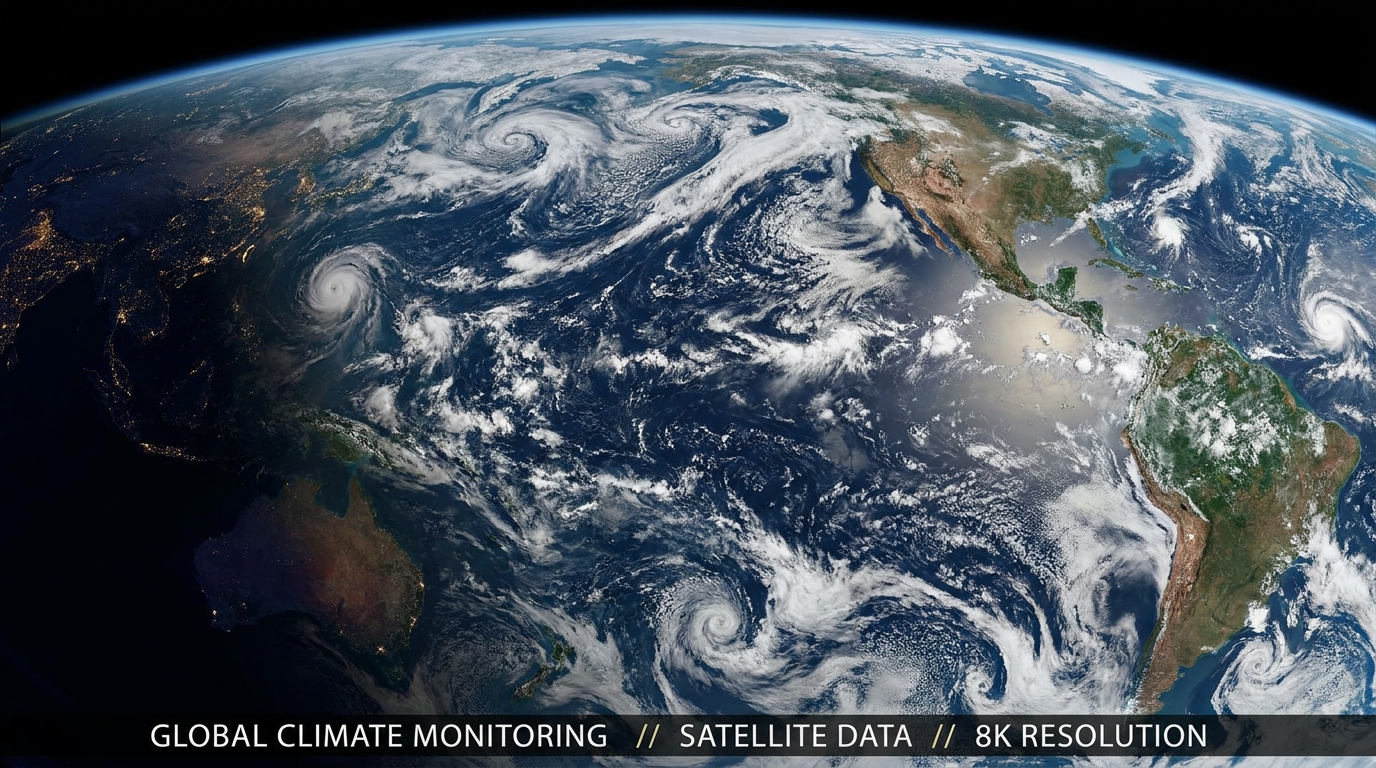
El Niño events are characterized by the warming of surface waters in the eastern tropical Pacific, leading to major global repercussions. Generally, drier conditions and severe droughts are observed in Australia, significantly wetter winters in East Africa, and an overall rise in global average temperatures. Extreme weather events associated with El Niño have historically resulted in tragic loss of life and economic damage amounting to trillions of dollars.
Following multiple simulations, scientists found that the intervention was most effective when it began early in the season—specifically in June—and continued through the following February. The study revealed that this simulated defoliation succeeded in reversing most temperature and precipitation anomalies. Regions that typically experience warming due to El Niño became cooler, while areas that are normally drier received more rainfall—and vice versa.
According to a report carried by AFP, the fundamental significance of this modeling lies in its direct impacts on populated areas. Jessica Wan explains that “the reason people would be interested in this isn’t the temperature in some isolated part of the Pacific, but how those impacts play out on land.”
Technological Limitations and Global Weather Patterns
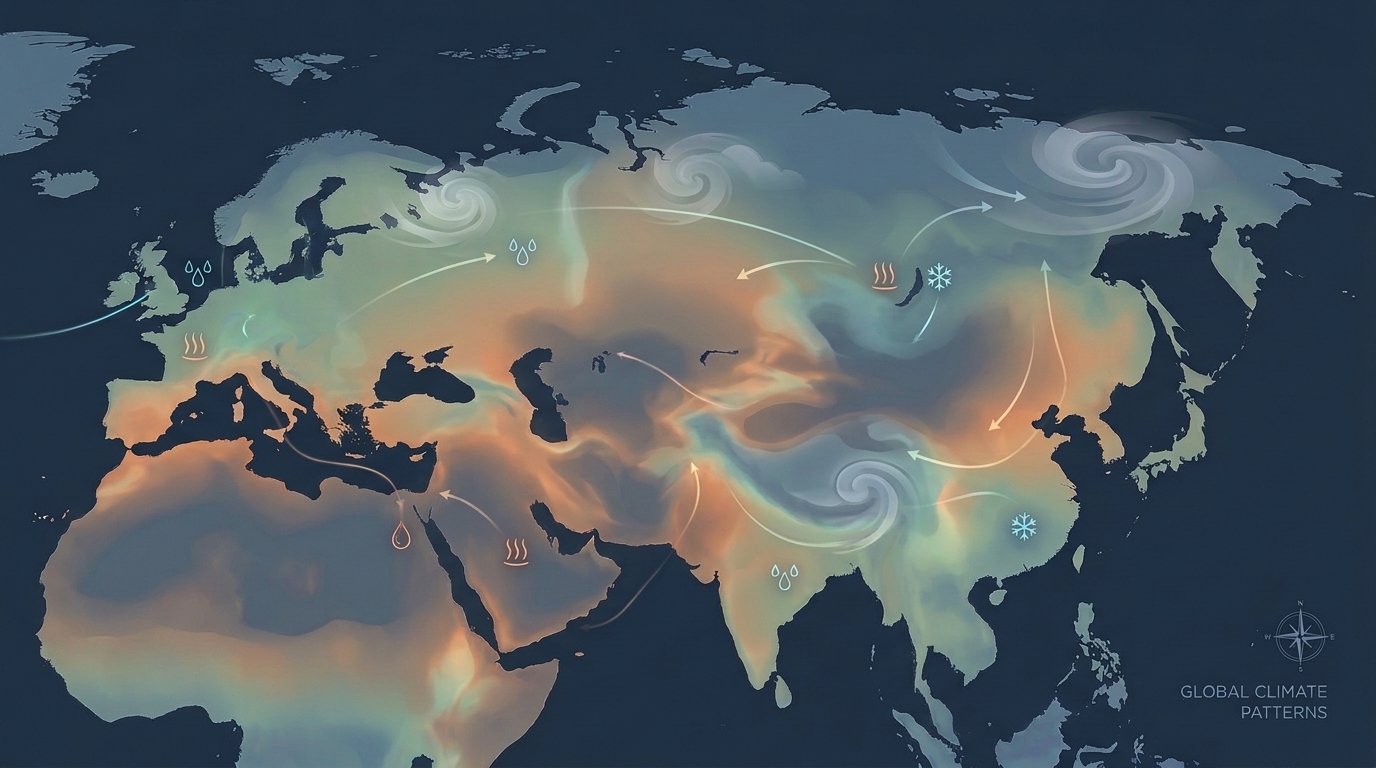
In addition to the monumental engineering challenges, computer simulations have highlighted particularly concerning undesirable side effects. Not all regions of the globe would benefit from the reversal of El Niño conditions. In particular, the models revealed unforeseen consequences for atmospheric circulation, causing abnormal warming over Europe and Asia.
Long-term uncertainties also remain regarding the global repercussions. As the lead author told AFP: “The other caveat, in my view, is that we haven’t examined the long-term impacts,” particularly regarding the consequences of repeatedly using marine cloud brightening to continuously suppress successive El Niño cycles.
The Ethical Dilemma of Geoengineering in the Face of the Climate Emergency

Jessica Wan challenges this view that emissions reduction and technological research are mutually exclusive. She believes that the severity of the climate crisis requires exploring all available scientific avenues. Speaking to AFP, she stated: “We’ve passed the point where simply stopping emissions today would be enough to make everything okay—we’re already experiencing global warming. The way I view geoengineering is as a means of mitigating the worst impacts while we work on a long-term solution.”
Faced with the rise in weather-related hazards, researchers are calling for rigorous evaluation efforts to inform future public policy decisions. “I think it would be irresponsible not to conduct this research, given the context in which we find ourselves,” concludes the University of Chicago researcher.
Source: phys.org
Thinning the clouds over the Pacific could weaken El Niño, but models reveal risks for Europe and Asia


