

The Myth of Ubar, the Sunken City of the Arabian Peninsula
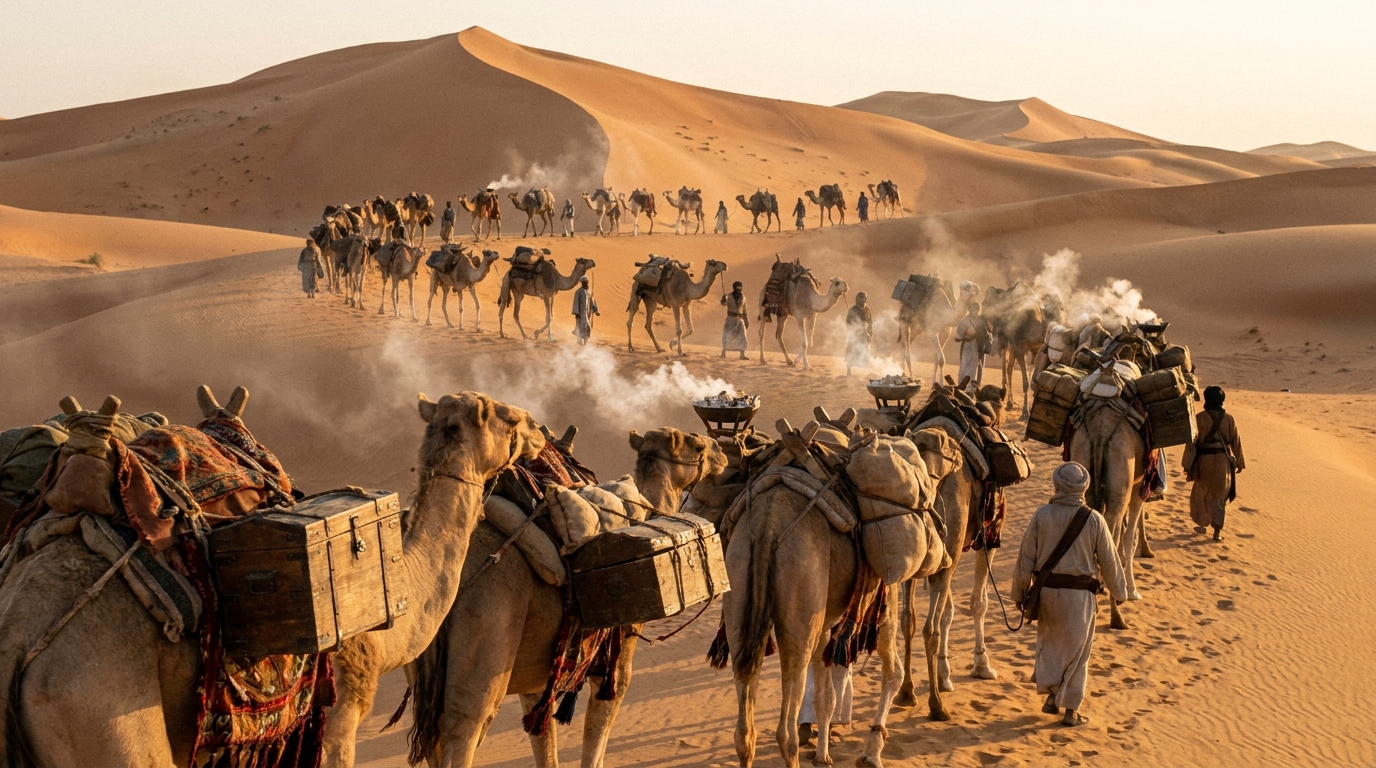
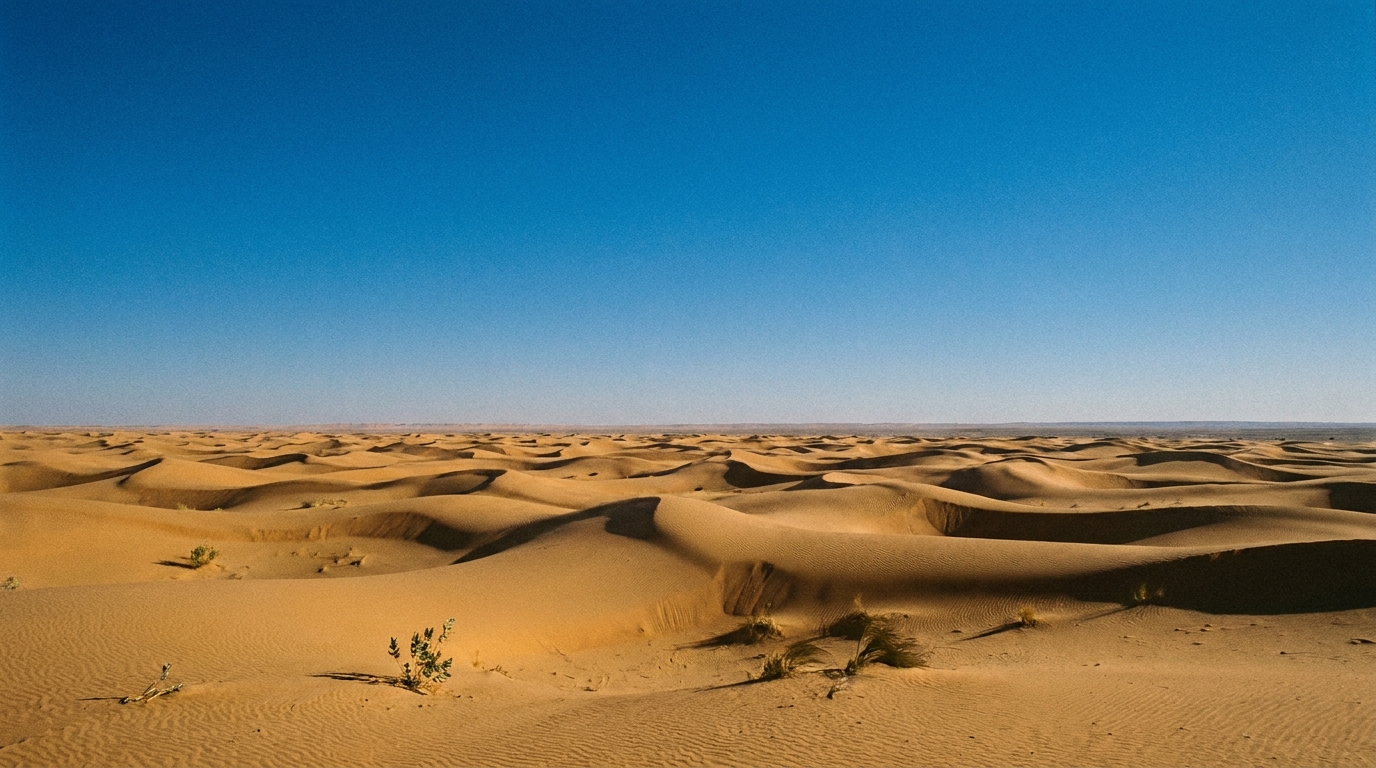
Although this story is partly a folk myth, historical evidence confirms that a thriving oasis did indeed exist in the Rub al-Khali Desert, recognized as the world’s largest contiguous sand desert. According to a report by journalist Tim Newcomb, the search for this forgotten metropolis has captivated researchers and adventurers from around the world for nearly a century, yet the mystery remains unsolved.
A Century of Expeditions and Research in the Empty Quarter
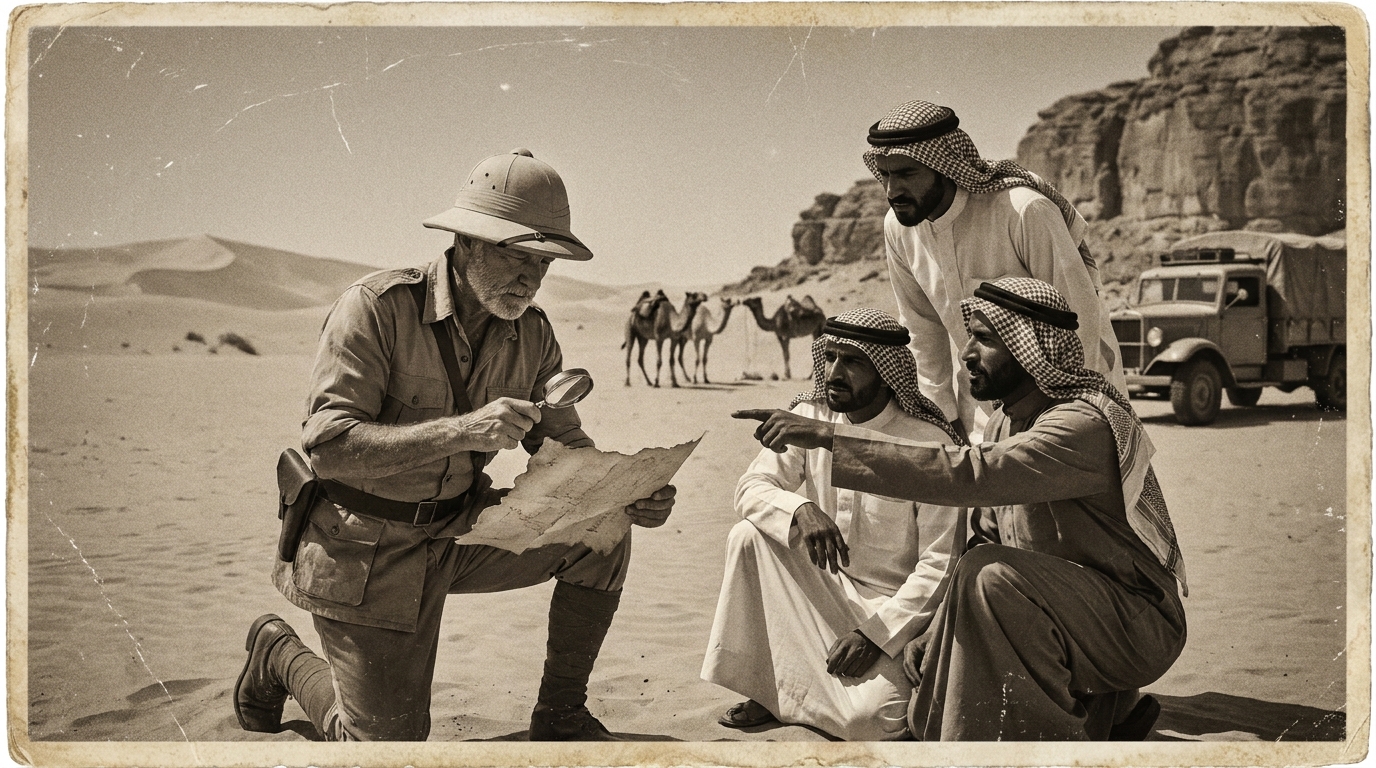
The Western world’s interest in this city, nicknamed the “Atlantis of the Sands,” intensified beginning in 1931, when British explorer Bertram Thomas set out to become the first European to cross the Quart Vide. Guided by local Bedouins, he collected oral accounts of the lost city and mapped the routes of ancient caravan trails. He published his findings in the Geographical Journal, definitively popularizing the concept of an Atlantis buried beneath the sands.
The 1980s Expedition and the Rediscovery of Shisr
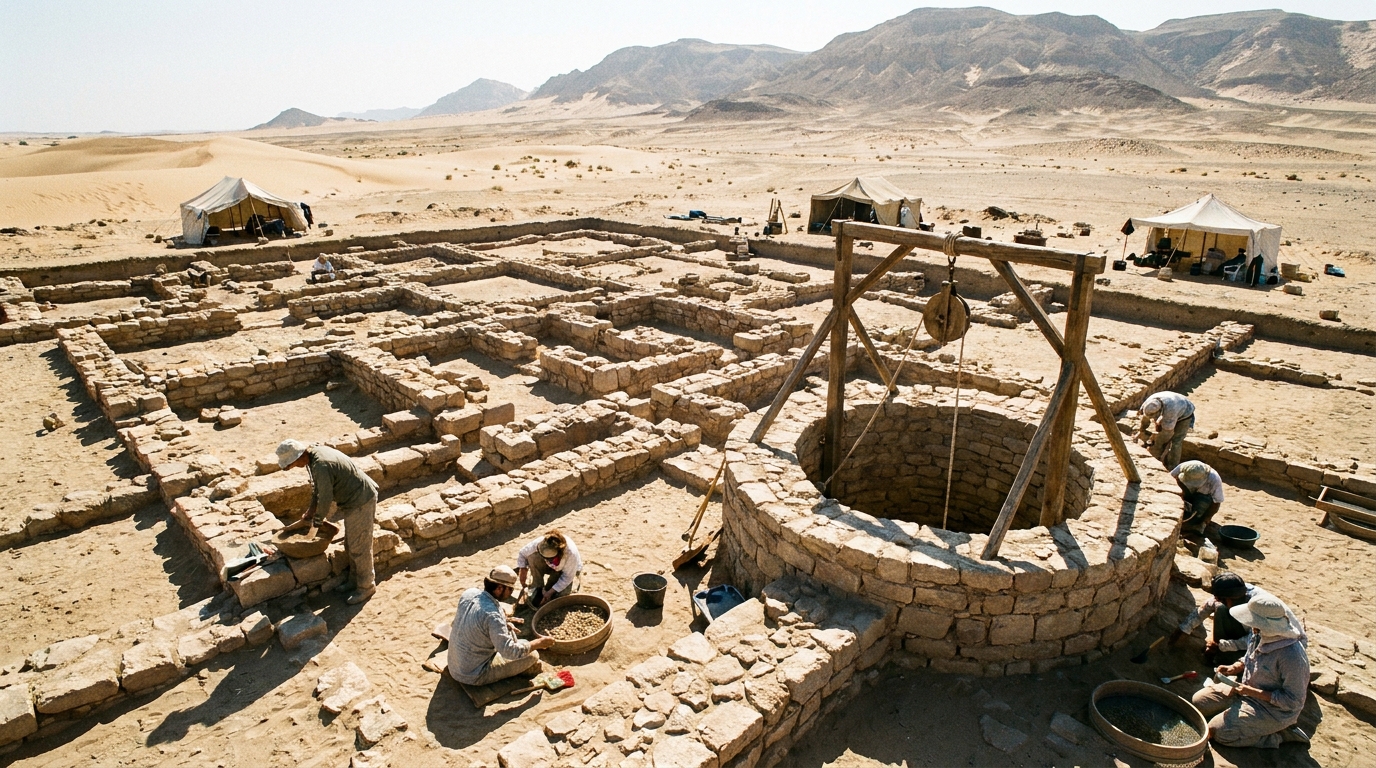
Excavations at this site have unearthed fortified structures, collapsed towers, and the remains of a permanent water well. The announcement of the discovery garnered considerable international attention. As noted in a 1992 article in The New York Times: "Guided by ancient maps and precise observations from space, archaeologists and explorers have discovered a lost city in the heart of the Arabian sands, and they are virtually certain that it is Ubar, the legendary hub of the lucrative frankincense trade thousands of years ago."
Controversies and Scientific Skepticism
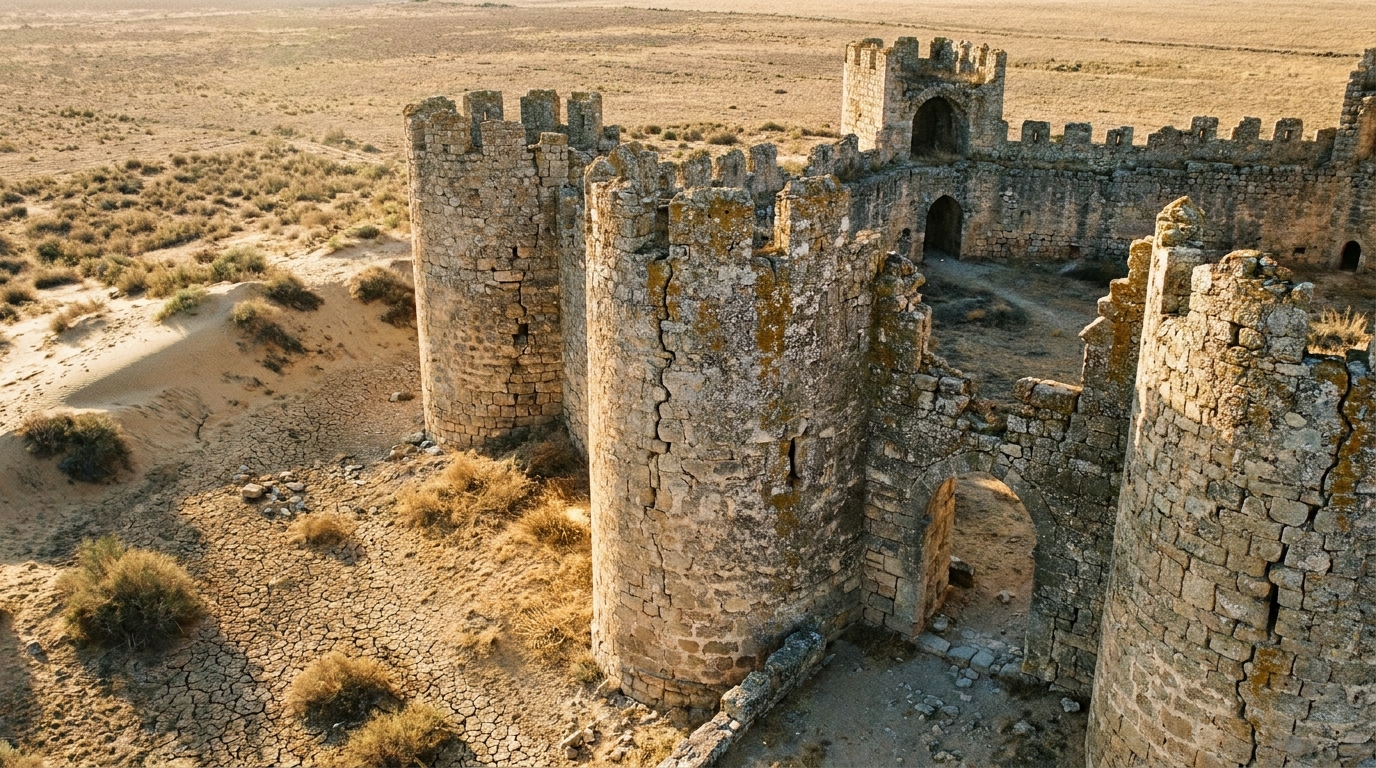
Archaeological analyses indicate that the visible fortress was likely built in the 16th century, although Clapp’s team maintained that it was built on top of a much older settlement. Saudi officials have publicly disputed this attribution, while UNESCO classifies Shisr as a medieval settlement. To date, no evidence proves that the site was anything more than a simple fortified trading post.
New Studies and the Decline of the Caravan Routes
The research team has not, however, abandoned its theory. In a 2007 study published in Remote Sensing in Archaeology, the researchers documented the discovery of artifacts from Persia, Rome, and Greece, confirming the site’s commercial importance. They also identified a sinkhole that had engulfed the main gate, caused by the inhabitants’ excessive drawing of groundwater.
Taking a broader view of the situation, archaeologist Juris Zarins told PBS that ancient texts describe Ubar as a region or a group of people rather than a single city. With the shift of trade to maritime routes and the gradual depletion of the water table, Shisr fell into obscurity, thus laying the groundwork for the myth of Ubar. The true lost city may still lie beneath the dunes of the Rub’ al-Khali.
Source: popularmechanics.com
A film crew may have discovered the legendary "Atlantis of the Sands"


