Skip to content

A Global Scourge with Complex Brain Mechanisms
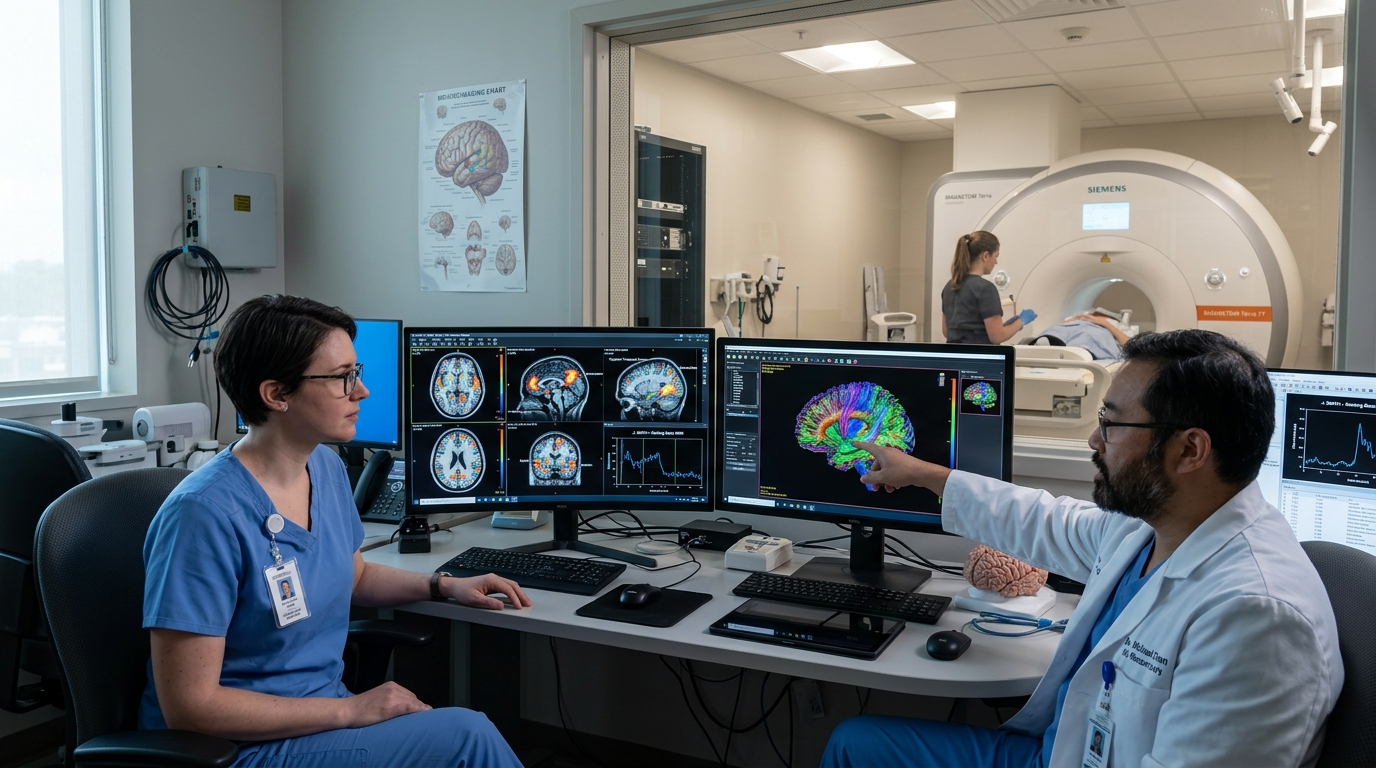
Major depressive disorder, commonly known as depression, is one of the most debilitating psychiatric conditions worldwide. According to current epidemiological estimates, this disorder affects approximately 5% of the global population. It manifests as persistent sadness, a profound sense of hopelessness, difficulty concentrating, and a loss of interest in daily activities, often accompanied by changes in sleep and appetite.

Although scientific research has identified various factors contributing to the development of this condition, the underlying neurobiological processes remain only partially understood. As reported in an analysis by Medical Xpress based on new research from Washington University School of Medicine, a precise understanding of the brain changes associated with depression is essential for developing more effective diagnostic and therapeutic tools in the future.

To date, neuroimaging studies have revealed alterations in several brain structures, including a reduction in gray matter volume in the hippocampus and frontal cortex. However, many of these studies have yielded inconsistent results or findings that are difficult to replicate in large samples.

The Limitations of Traditional Neuroimaging Approaches

The search for reliable brain signatures of depression has faced a recurring methodological obstacle for several years. Syntheses of scientific data, known as meta-analyses, regularly struggle to establish a firm consensus based on studies published individually over the years.

In an interview with Medical Xpress, Janine D. Bijsterbosch, lead author of the new study, shed light on this issue: “Determining how the brain changes in people with depression is a long-standing scientific goal that many publications have attempted to address. Despite a substantial body of existing research, studies aimed at identifying common ground among previous research—known as meta-analyses—sometimes struggle to find consistent evidence of brain changes associated with depression.”

One of the main reasons cited by the team is the narrow focus of past studies. These studies focused primarily on neural networks presumed to be of primary importance, thereby risking the oversight of other significant alterations. This observation had already been suggested by the researchers in their previous work.

A large-scale study involving more than 23,000 brain scans
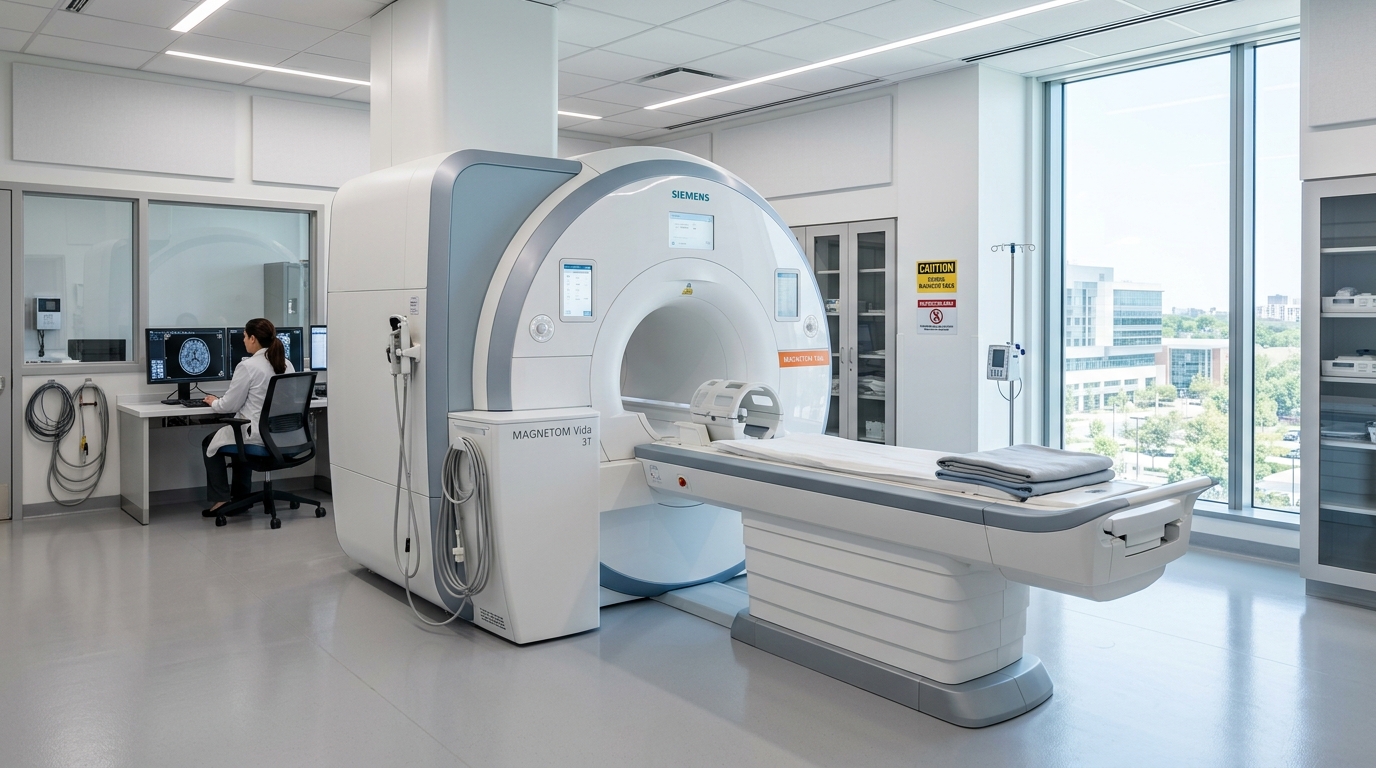
To overcome these uncertainties, the team at Washington University School of Medicine undertook a comprehensive comparative analysis by examining six large medical imaging datasets individually. The goal was to cover the entire human life cycle, including both healthy subjects and individuals with subclinical symptoms of depression.

Explaining the approach taken, Janine D. Bijsterbosch stated: “We wanted to see if a whole-brain approach, using large datasets, would yield more consistent evidence of brain changes associated with depression. We used six large datasets spanning the entire lifespan, ranging from 185 to 11,000 participants per dataset. Each dataset was analyzed separately to link measures of brain structure and function to measures of depression, including severity and personality-related risk. The results were then combined.”

In total, more than 23,000 brain scans were meticulously evaluated. The combined analysis of these cohorts yielded a particularly robust map of the anatomical and functional correlates of depressive disorder.

Smaller motor and visual areas: the unexpected finding
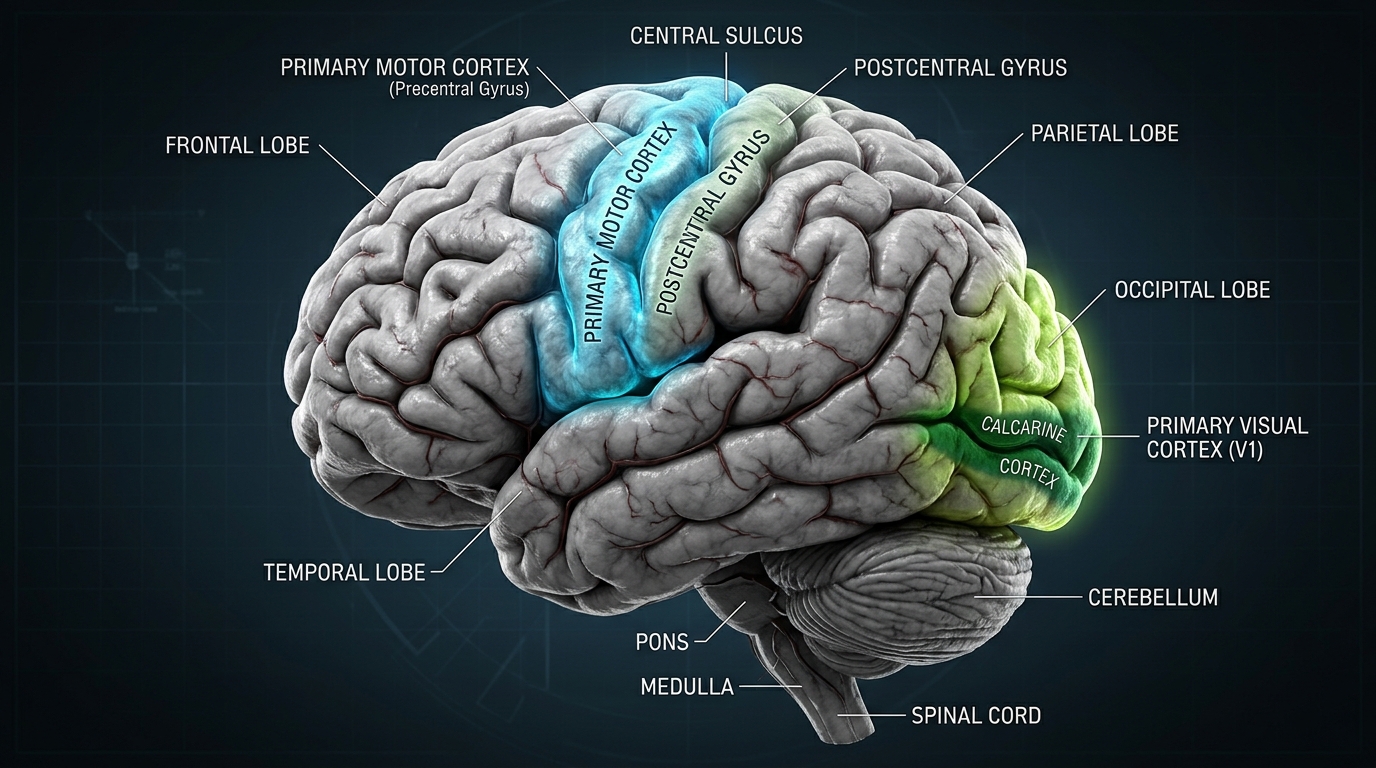
Consistent with certain findings in the medical literature, the results confirmed a decrease in gray matter volume in the frontal cortex, the anterior cingulate cortex, and the insula. These brain structures play a well-documented role in regulating emotions, decision-making, motivation, and the processing of bodily signals.

Nevertheless, the most surprising finding lies in the involvement of areas previously not strongly associated with mood disorders. Researcher Janine D. Bijsterbosch highlighted this key observation: “A key and surprising finding was that smaller regions in the motor and visual areas were linked to higher levels of depression.” It was already known that reduced volume in other parts of the brain, such as the frontal regions, is linked to depression, but the location of these new findings was surprising because we do not usually associate symptoms of depression with sensory processing or motor function.”

Furthermore, unlike previous studies, this study found very little evidence of marked alterations in deep subcortical structures such as the amygdala and hippocampus. The researchers attribute this potential discrepancy to the profile of the population cohorts studied, which generally include fewer patients with severe forms of the disease.

Toward a Better Understanding and New Research Directions

This study, published in the journal Nature Mental Health (cited under DOI: 10.1038/s44220-026-00680-y), demonstrates that depression extends to a broader brain network than previously thought. By integrating sensory processing and motor execution, neuroscientists now have a broader framework for analyzing the diversity of clinical manifestations.

The scientists are already planning their next steps to establish a link between these structural variations and specific depressive symptoms. Janine D. Bijsterbosch concludes on this topic: “One of the lead authors of our study, Kassandra Hamilton, is currently planning a follow-up study to test whether visual and motor regions encode specific symptoms of depression.” Such advances could eventually guide the development of new clinical diagnostic tools or personalized treatment strategies, as reported in Nature Mental Health.

For any medical questions, consult a qualified healthcare professional.

Source: medicalxpress.com

A large-scale brain imaging study reveals unexpected differences in the motor and visual regions associated with depression

facebook icon twitter icon linkedin icon
Copied!

Comments

0 0 votes
Article Rating
Subscribe
Notify of
guest
0 Comments
Newest
Oldest Most Voted
More Content