

A Moving Archaeological Discovery in the Ruins of Ephesus
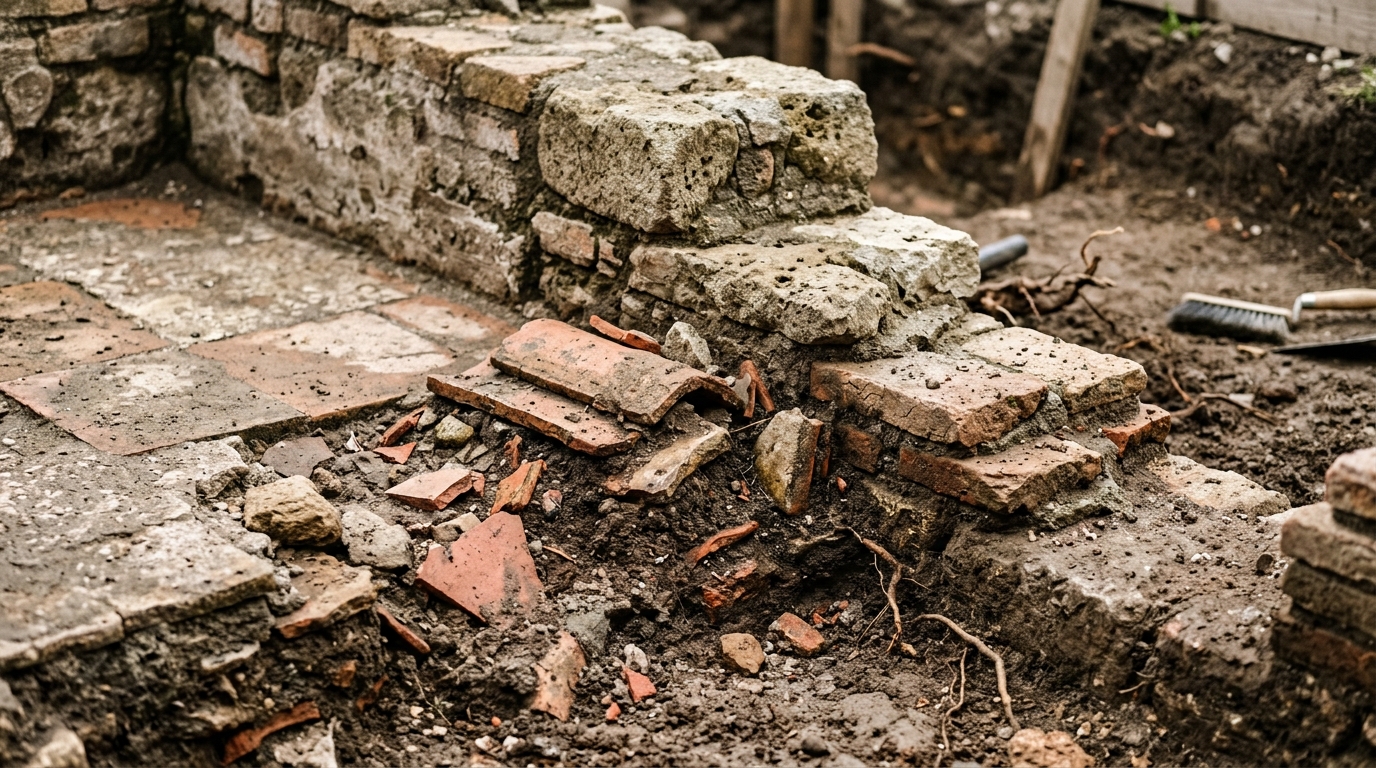
More than 1,200 years ago, two very young children were gently laid to rest in an ancient, abandoned Roman sewer at the historic site of Ephesus in Turkey. While the location of this burial may seem surprising at first glance, archaeological analyses reveal that these children were cherished and cared for with deep devotion—far from any negligent abandonment.
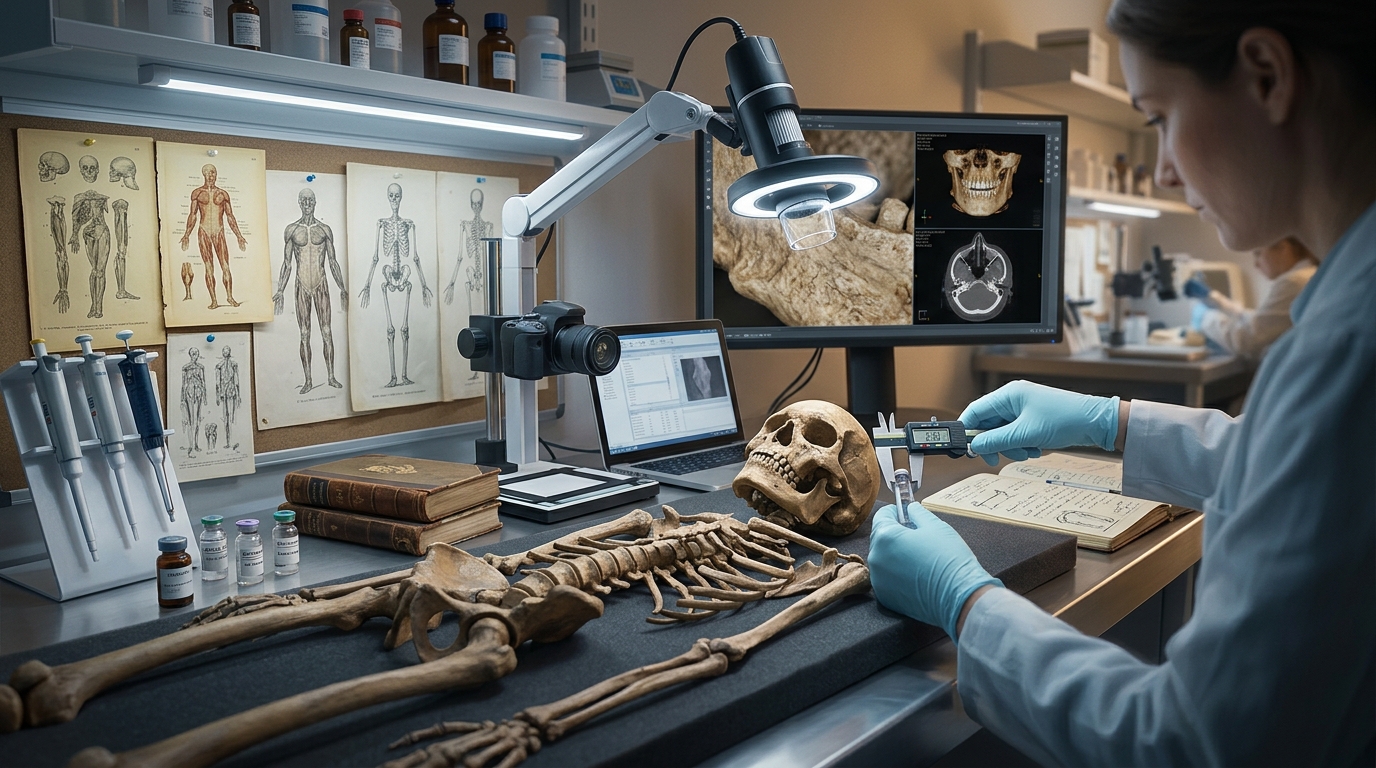
According to the researchers, these infants may have been twins. Beyond this characteristic—already rare for the period—archaeologists identified a tiny supernumerary cervical vertebra in one of them, marking only the second such case ever recorded worldwide in an infant from an archaeological site.
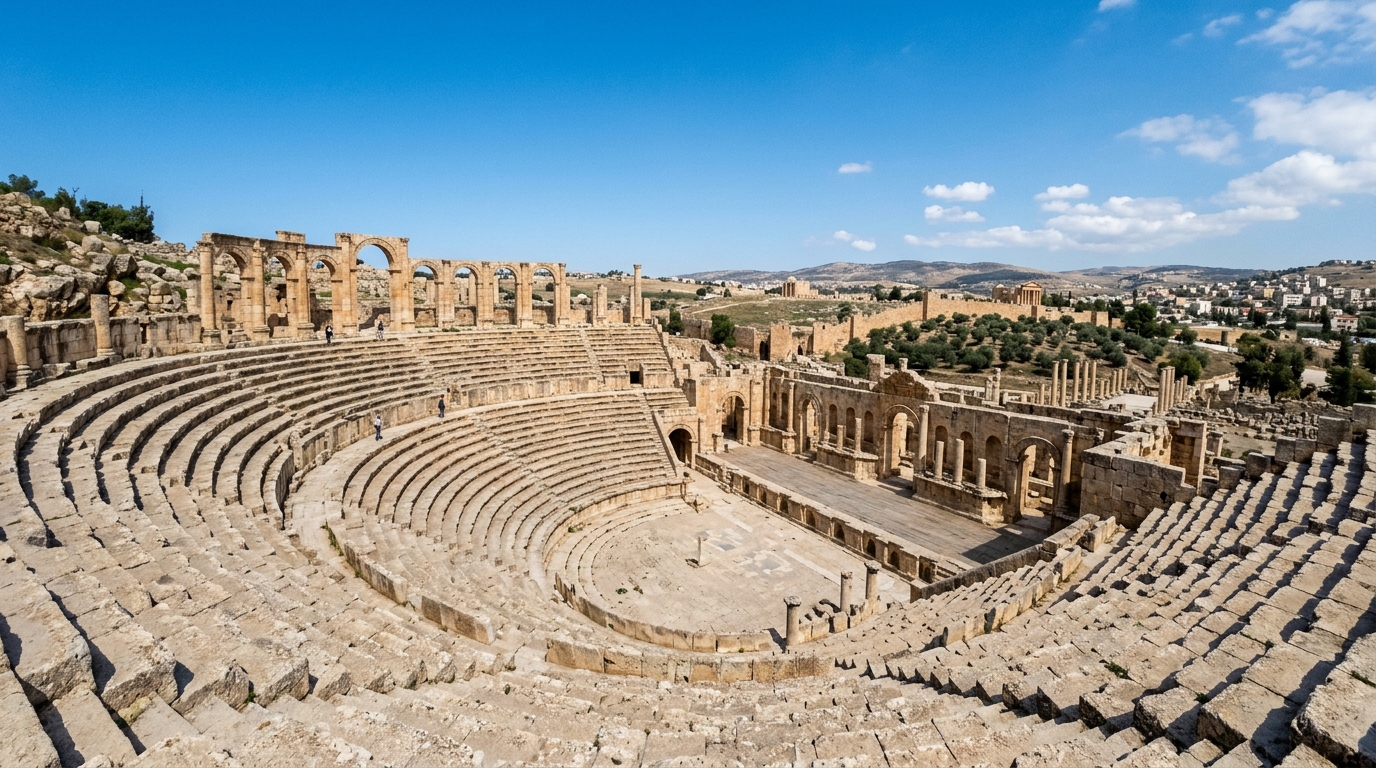
From a Roman concert hall to unused latrines
A funeral ritual marked by meticulous care and affection
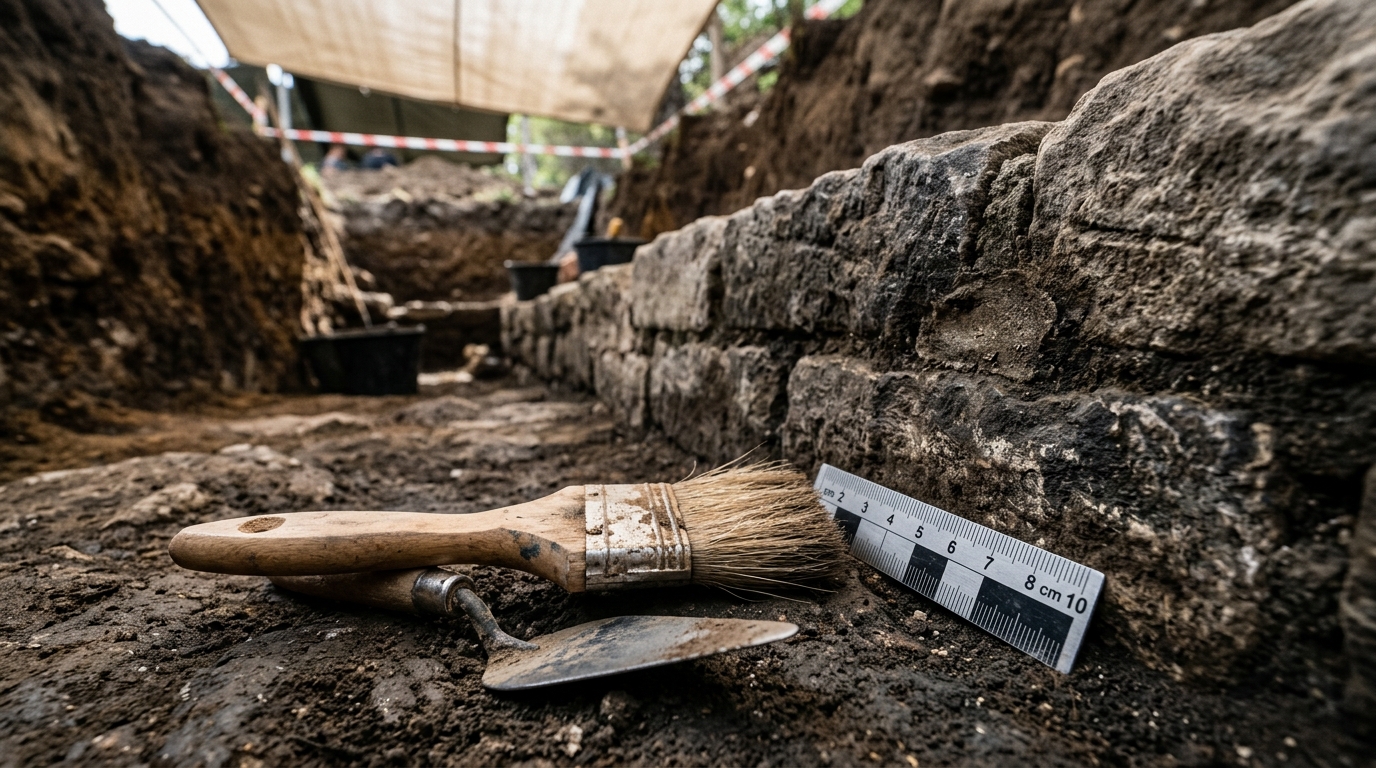
The disused latrine channel provided a sheltered and hidden space where the two bodies were laid side by side with great care. Archaeologist Lilli Zabrana of the Austrian Archaeological Institute emphasizes the intentional nature of the act: “As soon as we discovered the burial site, it was clear that this was not simply a matter of disposing of the infants’ bodies, but rather a very meticulous preparation of a final resting place.”
Those who carried out the burial had first placed the babies on a bed of soil taken from elsewhere and brought specifically to the site. Caroline Partiot, a bioarchaeologist at the Austrian Archaeological Institute and lead author of the study, notes that the children were “likely wrapped in shrouds, which attests to the special care taken in their funeral rites.”
An Extra 5-Millimeter Rib and the Mystery of the Twins
Byzantine Religious Prohibitions and the Spiritual Resonance of Artemis
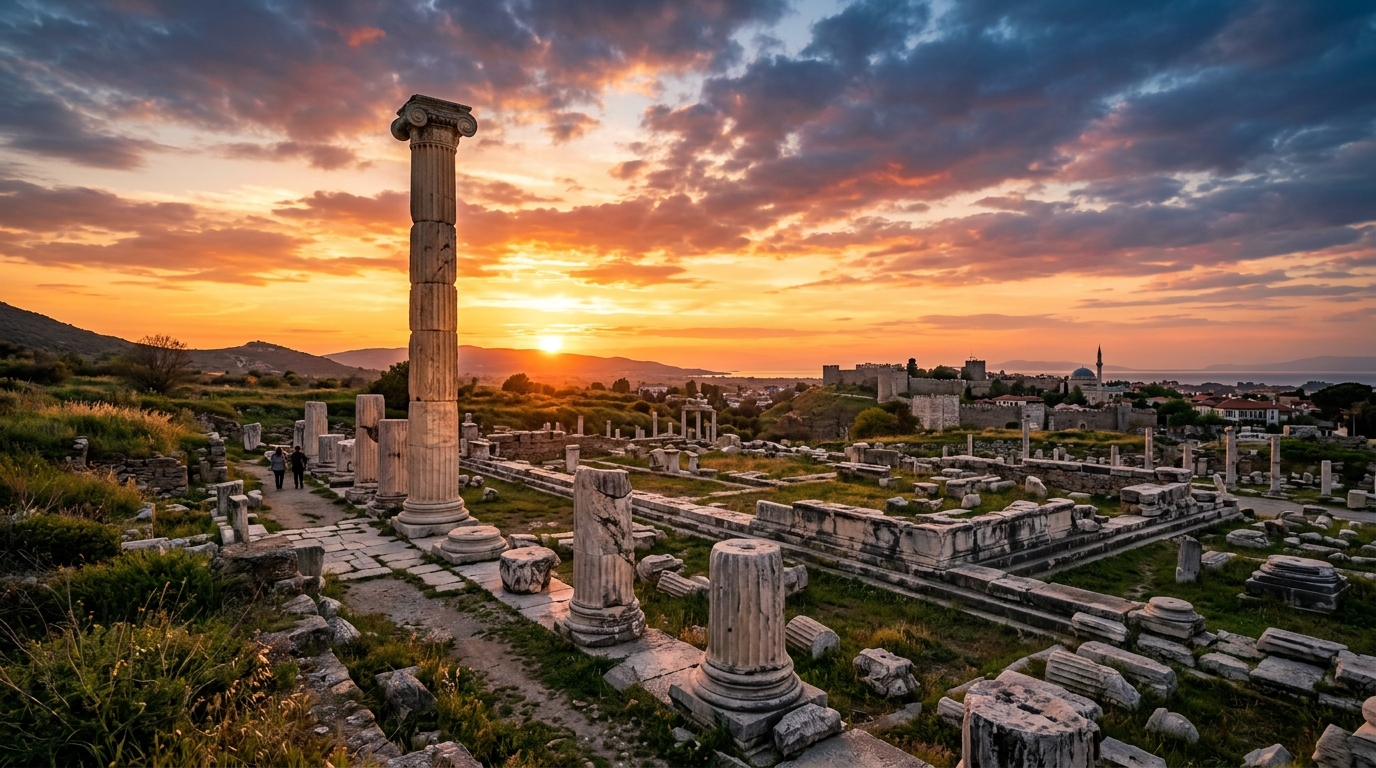
The burial site’s location outside a traditional cemetery can be explained by the strict rules of Byzantine society in Ephesus. At that time, only individuals who had received the sacrament of baptism were permitted to be buried in consecrated ground. However, baptism was generally administered only several weeks after birth—a requirement these premature infants were never able to meet.
Faced with this canonical impossibility, the proximity of the Temple of Artemis may have played a fundamental role. The Odeon was, in fact, located within the historic boundaries of the ancient goddess’s sanctuary. Lilli Zabrana wonders: “Did the site of the ancient sanctuary of Artemis still hold spiritual significance for the twins’ parents at that time?”
A poignant testament to compassion across the centuries
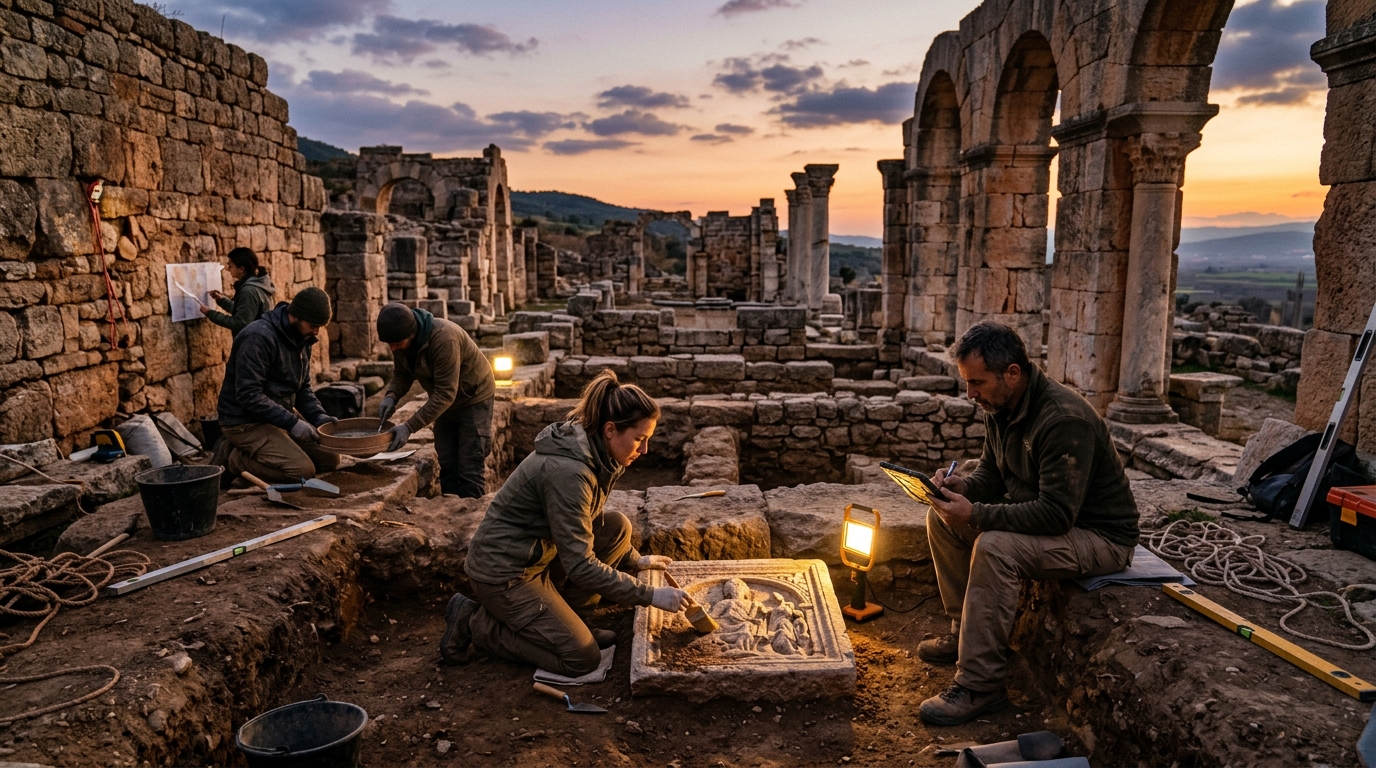
For the study’s authors, this discovery sheds valuable human insight into social behaviors during the Byzantine Middle Ages. Caroline Partiot notes: “This discovery shows us just how close ancient populations actually were to us, and that they cared for vulnerable individuals, contrary to many common misconceptions.”
The detailed results of this research were published by Caroline Partiot and her team in the study titled “Peace in Unexpected Places: The Middle Byzantine Burial of Two Perinates, Possibly Twins, in a Latrine Canal of the Odeion in the Artemision of Ephesos,” available via its DOI: 10.1080/17585716.2026.2682804.
According to the source: phys.org
Ephesus: Two Infants Found Carefully Buried in an Ancient Roman Latrine Channel


