

The Alarming Decline in Nocturnal Biodiversity
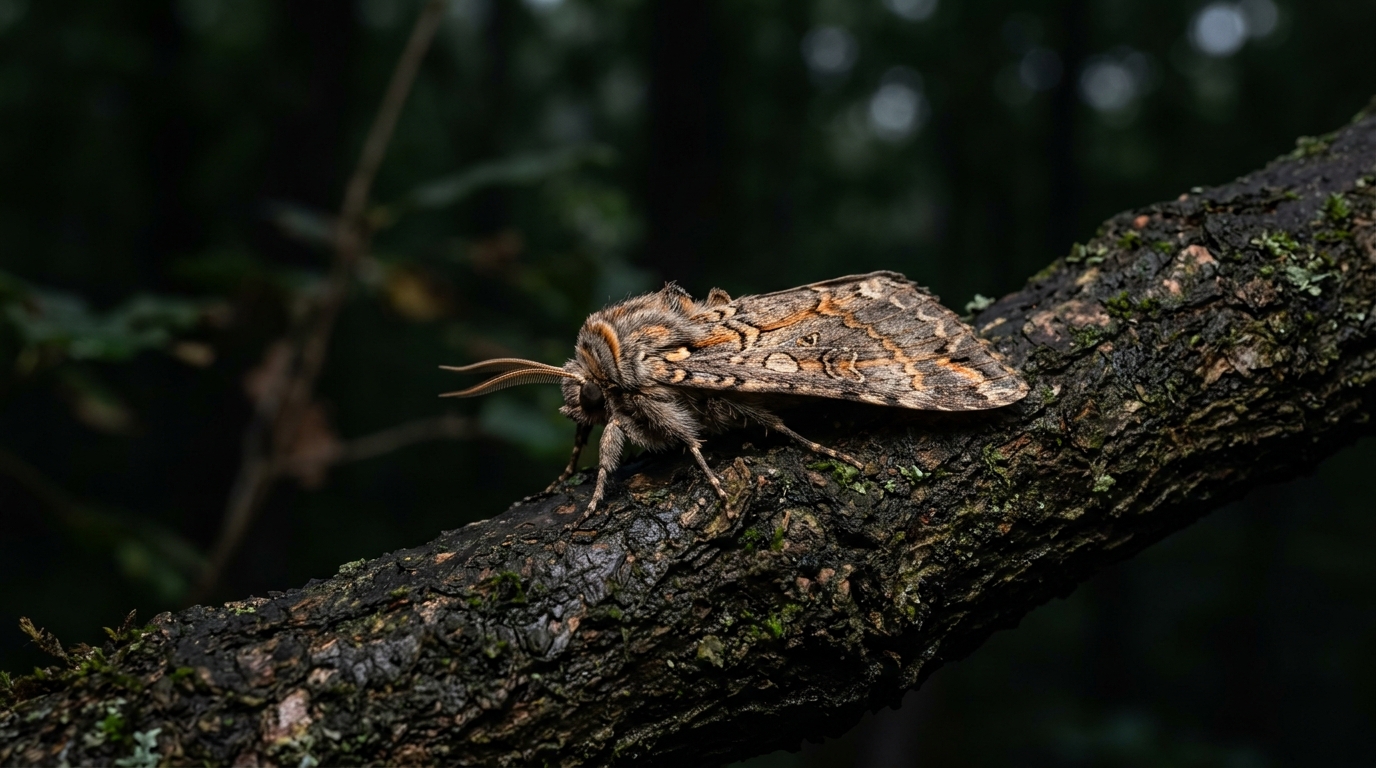
A full-scale experiment in Germany

Amber LEDs Show Remarkable Effectiveness
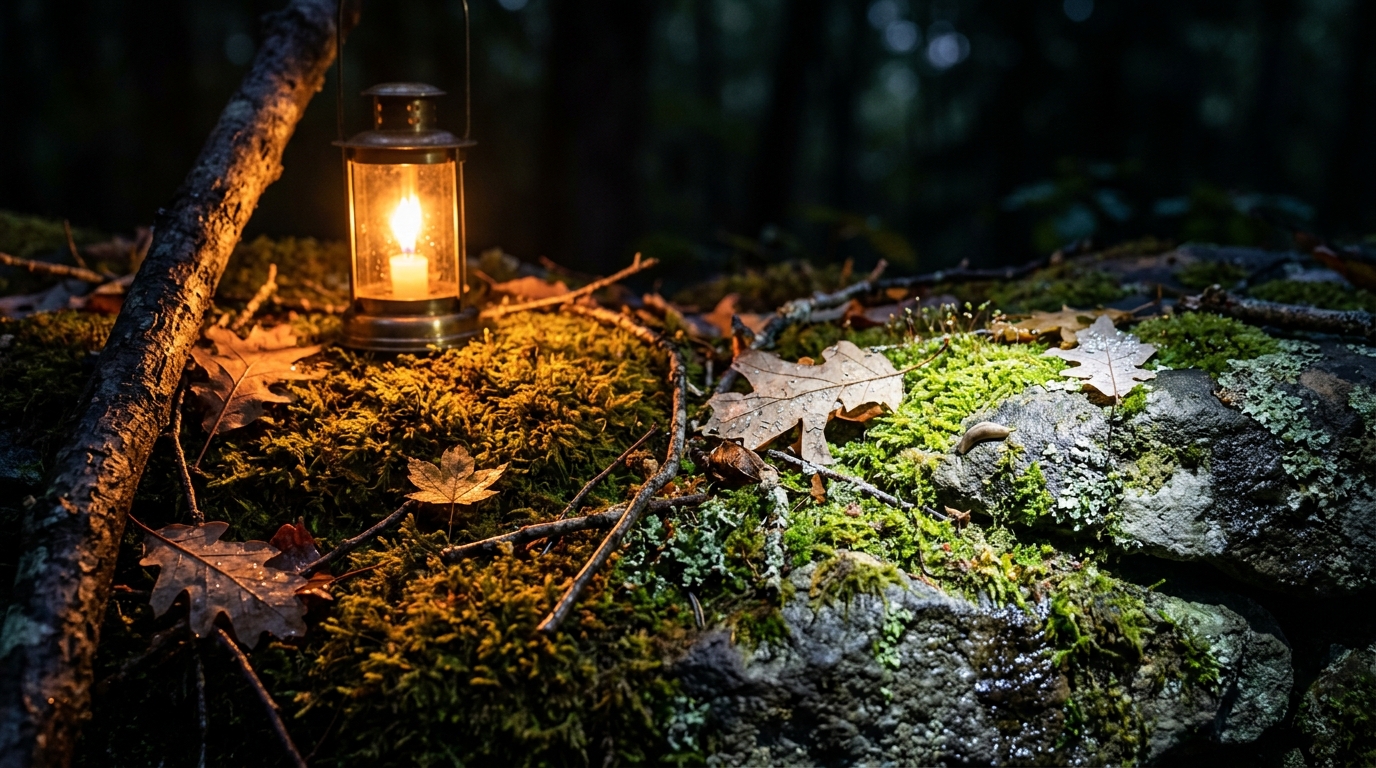
The study’s findings show an indisputable result. According to the scientists involved in the study, “Commercially available 1800 K amber LEDs consistently attracted fewer individuals and species than high-pressure sodium lamps and 4000 K LEDs under in situ conditions throughout the study period.”
Challenging Common Misconceptions About Warm Light
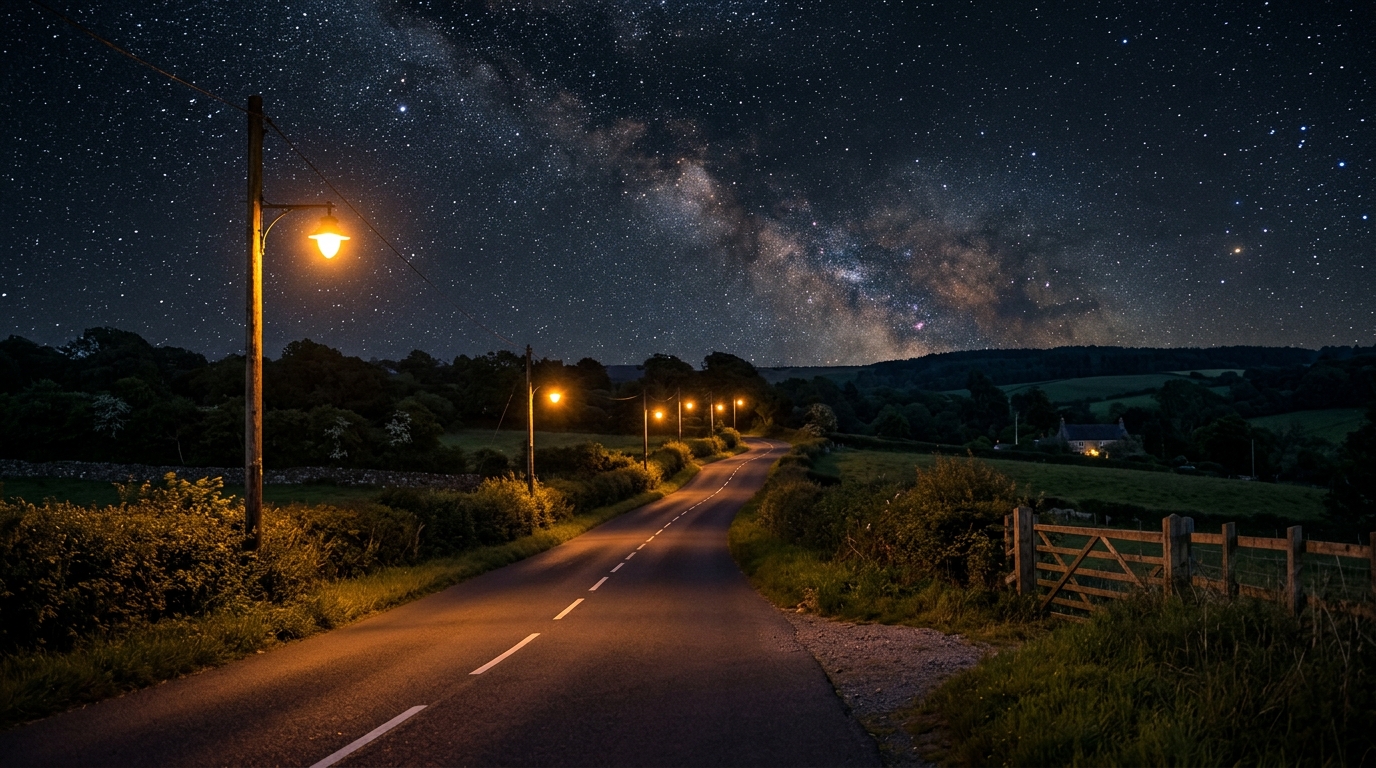
Necessary Compromises for Species Conservation

Although 1,800 K LEDs represent a significant improvement, the researchers note in their report that any light source still has a negative impact compared to the complete absence of light. As stated in the article published in Biological Conservation, “Although the 1,800 K LED was the least attractive light source in our study, it still attracted more individual arthropods and a greater total number of species than the unlit control.”
Source: phys.org
Simple amber lights could make nights safer for insects


