

One decree, six names, and the silence of a country fighting for its survival
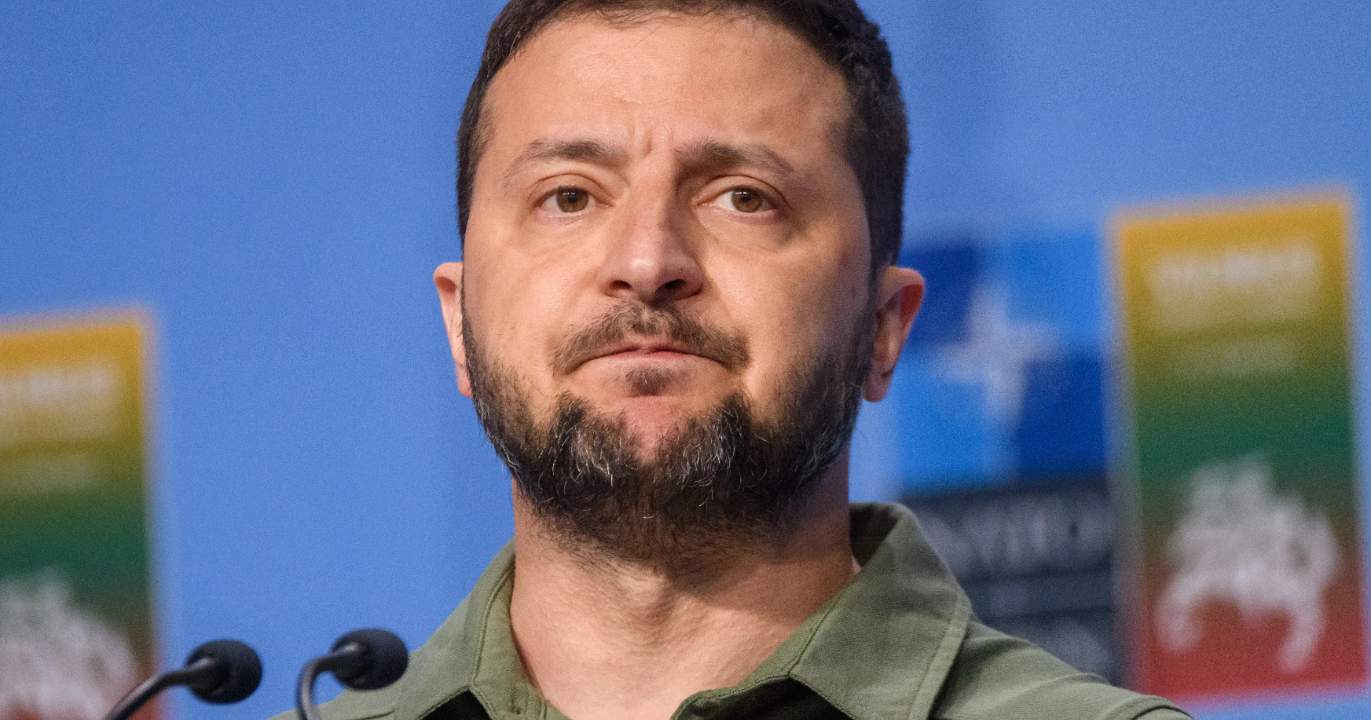
On August 4, 2026, the Ukrainian state news agency Ukrinform reported that Volodymyr Zelensky had signed a new series of decrees dismissing six additional ambassadors as well as Ukraine’s permanent representative to UNESCO. This is not an isolated administrative adjustment. It is the latest development in a trend that, just a few days earlier, had already led to the dismissal of Ukraine’s ambassador to the United States, Oksana Markarova—at a time when Washington remains the de facto arbiter of all negotiations with Moscow. A country at war since February 2022 is changing its representatives at the very moment when it needs them most.
Officially, it is a rotation. Kyiv refers to it as a renewal of the diplomatic corps. But a dismissal carries different weight depending on the timing. And the timeline, in this case, is packed: Russian strikes on Odesa and Mykolaiv, massive power outages in the Sumy region, 226 skirmishes along the front line in twenty-four hours according to the Ukrainian General Staff, and a former commander-in-chief who publicly declares that Ukraine will never join NATO. The country is losing bridges, power, and lives—and replacing its ambassadors.
What the decrees actually say—and what they don’t
A trend, not an isolated incident
According to Ukrinform, the presidential decrees published on August 4, 2026, terminate the appointments of six heads of diplomatic missions as well as the permanent representative to UNESCO, the UN agency responsible for education, science, and culture—the very same organization to which Kyiv has been documenting the destruction of its cultural heritage for the past four years. The position is not merely ceremonial: it is the channel through which Ukraine has the destruction of its churches, museums, and archives recorded in the international registry. Vacating it, even temporarily, means silencing a voice in a forum where narrative matters as much as evidence.
American timing: Markarova first, the others later
When the Decisive Capital Loses Its Interlocutor
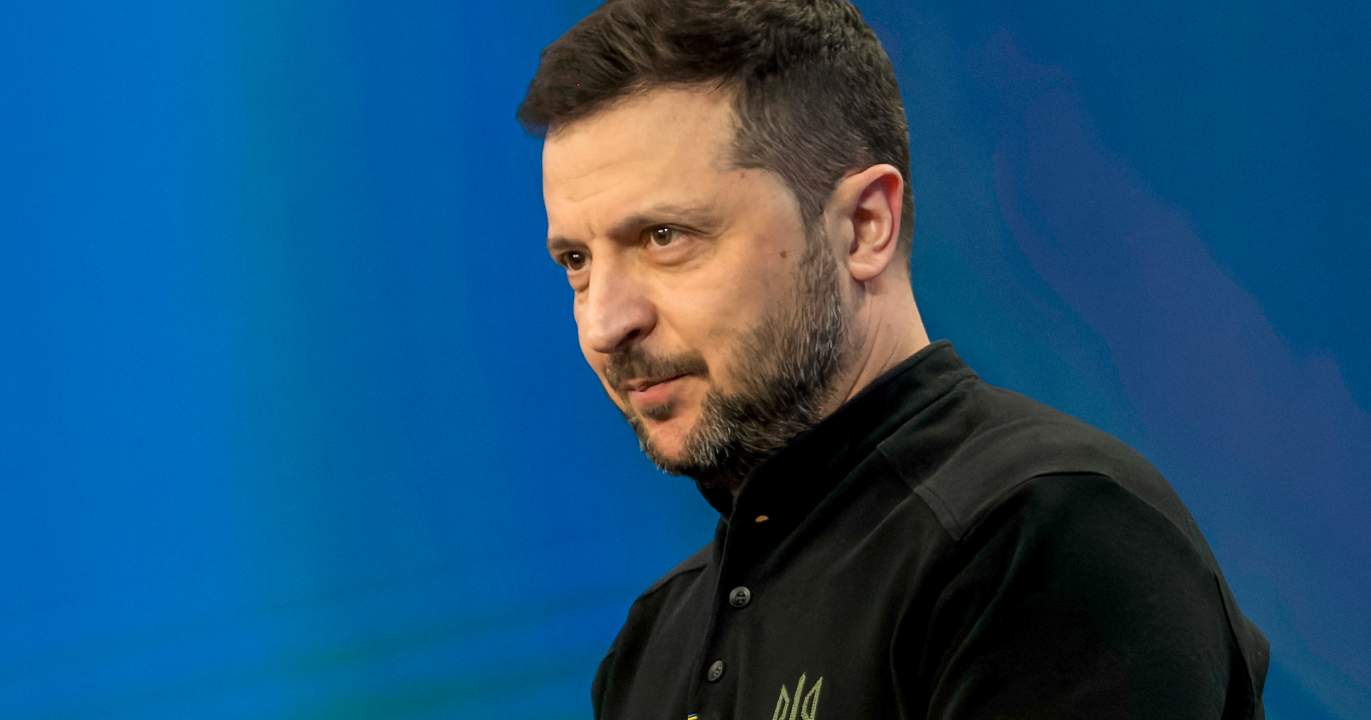
The dismissal of Oksana Markarova, ambassador to Washington since 2021, was noted by L’Express as “strange timing.” That’s putting it mildly. Markarova was the figure who, during the darkest months, wrested aid packages from Congress, maintained channels of communication with both parties, and absorbed public humiliations when the U.S. administration changed its tone. Replacing this institutional memory at a time when Donald Trump is simultaneously waging a war with Iran, a tariff battle against twenty-five U.S. states, and a verbal offensive against oil companies is like sending a novice into a burning room.
The most charitable interpretation exists and deserves to be considered: Kyiv may want a figure tailored to the current U.S. political ecosystem—one closer to Republican circles and less associated with the previous era. It’s a defensible line of reasoning. But it comes at a cost measurable in weeks of rebuilding networks, in trust that must be restored, and in files that lie dormant while a successor learns the ropes. In peacetime, this cost is a budget line item. In wartime, it’s a window of opportunity handed to the adversary.
You don’t switch translators in the middle of an interrogation.
During the decrees, the war takes no administrative break
Twenty-four ordinary hours in a four-year war
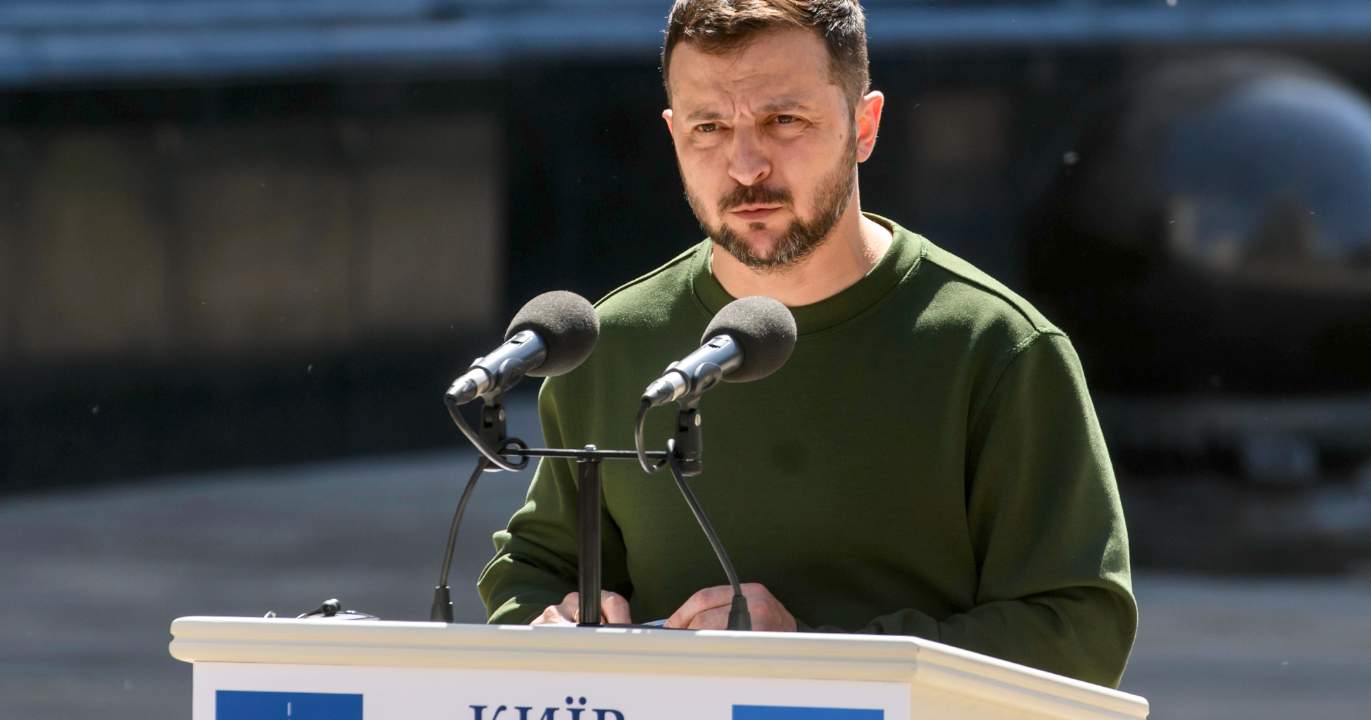
On that same August 4, Ukrinform reported 226 clashes along the front line in a single day, with the heaviest fighting concentrated in the Kostiantynivka sector of the Donbas. Ukrainian forces claim to have struck a deployment site of an FSB unit as well as road and rail bridges used by the Russian military. The commander of the Unmanned Systems Forces confirmed a strike on a Wildberries warehouse in the Leningrad region—a Russian civilian logistics target, described by Kyiv as a supply hub.
“Ukraine will never join NATO”: the phrase that changes everything
A former commander-in-chief says aloud what foreign ministries whisper
According to Free Malaysia Today, a former commander-in-chief of the Ukrainian armed forces stated that Ukraine will never join NATO. Coming from a military officer of this rank, the statement is not just another opinion in a debate. It is the public collapse of a political promise that has shaped Ukrainian discourse for years and served as the stated justification for the Russian invasion. If collective security is taken off the table, then the question of Ukraine’s security now arises without its single, straightforward answer.
Giving up a collective shelter means having to build one’s own wall. But that still requires masons.
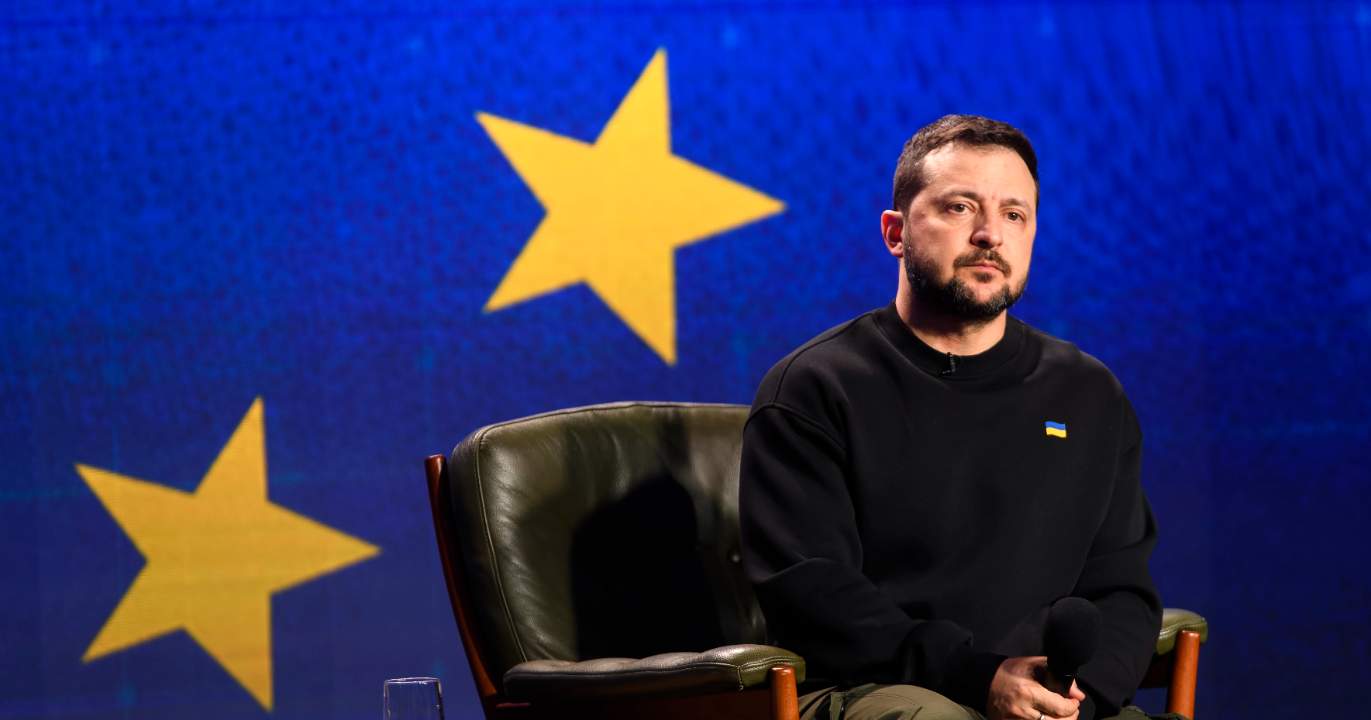
Zelensky Says Yes to Every Format: Openness or an Admission of Exhaustion?
Openness as a Last Resort
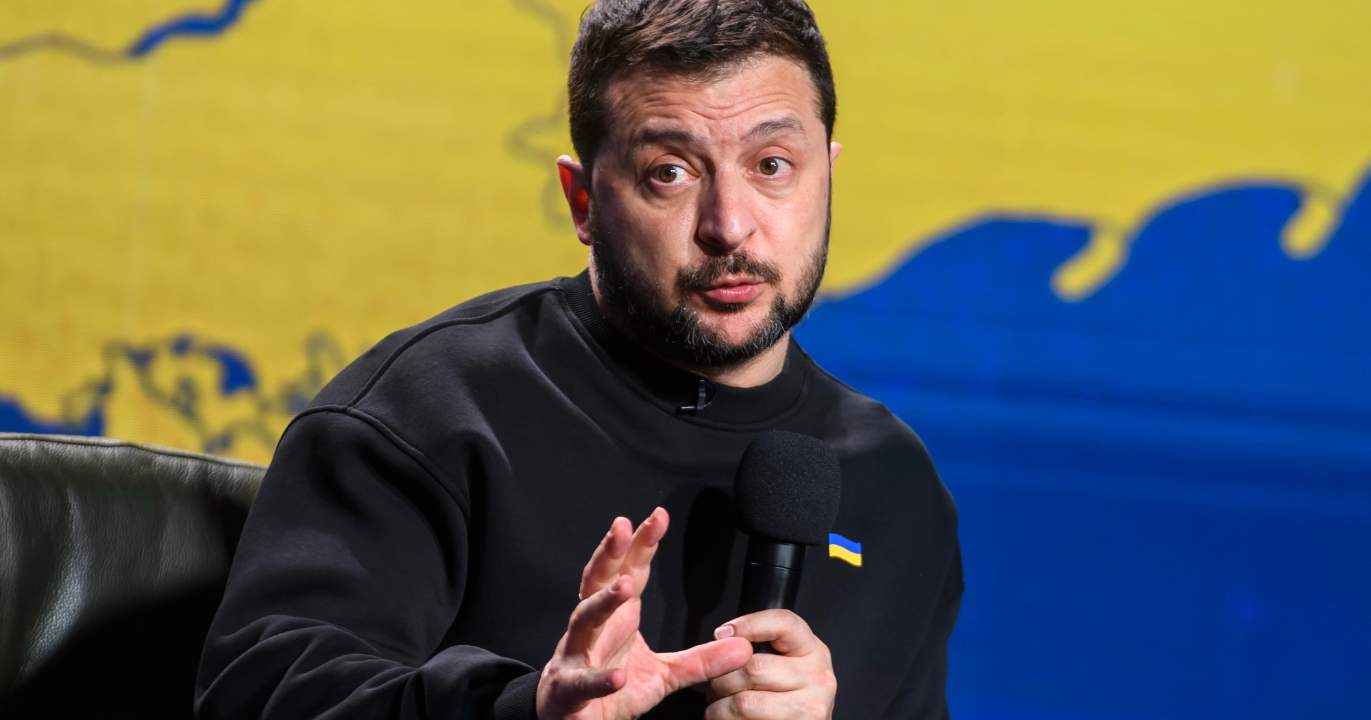
Also on August 4, Ukrinform reported that Zelensky stated Ukraine is ready for “any constructive format of negotiations,” while simultaneously accusing Russia of prolonging the war. The statement is open to two interpretations, and honesty demands that we consider them together. First interpretation: Kyiv holds the moral high ground, making it impossible to accuse it of obstruction, and leaving Russia to bear the sole burden of the stalemate. Second interpretation: a country that accepts any format is a country that no longer has the strength to impose one.
Washington Elsewhere: Iran, Oil Companies, the Courts
U.S. attention is a scarce resource, and Ukraine no longer has a monopoly on it
The U.S. context on August 4 explains part of Ukraine’s dismay. According to Europe 1, Donald Trump stated that Iran has a choice between “a deal” or “total surrender.” According to La Dépêche and TV5 Monde, the same president accused U.S. oil companies of “making too much money” and profiting from the war in Iran after posting record profits. According to CBC, twenty-five states are suing his administration over tariffs linked to forced labor. Three domestic fronts, a war in the Middle East, and the Ukraine issue slipping down the priority list.
Political Money: The Other Battleground
Musk funds, Musk loses, Musk wields influence
La Tribune de Genève reports that Elon Musk is resuming his funding of Republicans for 2026. Charente Libre notes, meanwhile, that his fortune has plummeted—the article mentions $650 billion evaporating—while still leaving him the world’s richest man. These two pieces of information, placed side by side, paint a political landscape where an individual can lose the equivalent of the GDP of several nations and still be capable of influencing a U.S. election. Wealth has ceased to be a reserve; it has become a lever.
The link to Kyiv is neither direct nor proven, and this must be made clear. But the mechanism is evident: funding for the 2026 midterm campaigns will shape the Congress that will—or will not—vote on the next round of aid to Ukraine. A competent embassy in Washington serves precisely to understand these circuits before they close. That is exactly the function that Kyiv has just suspended.
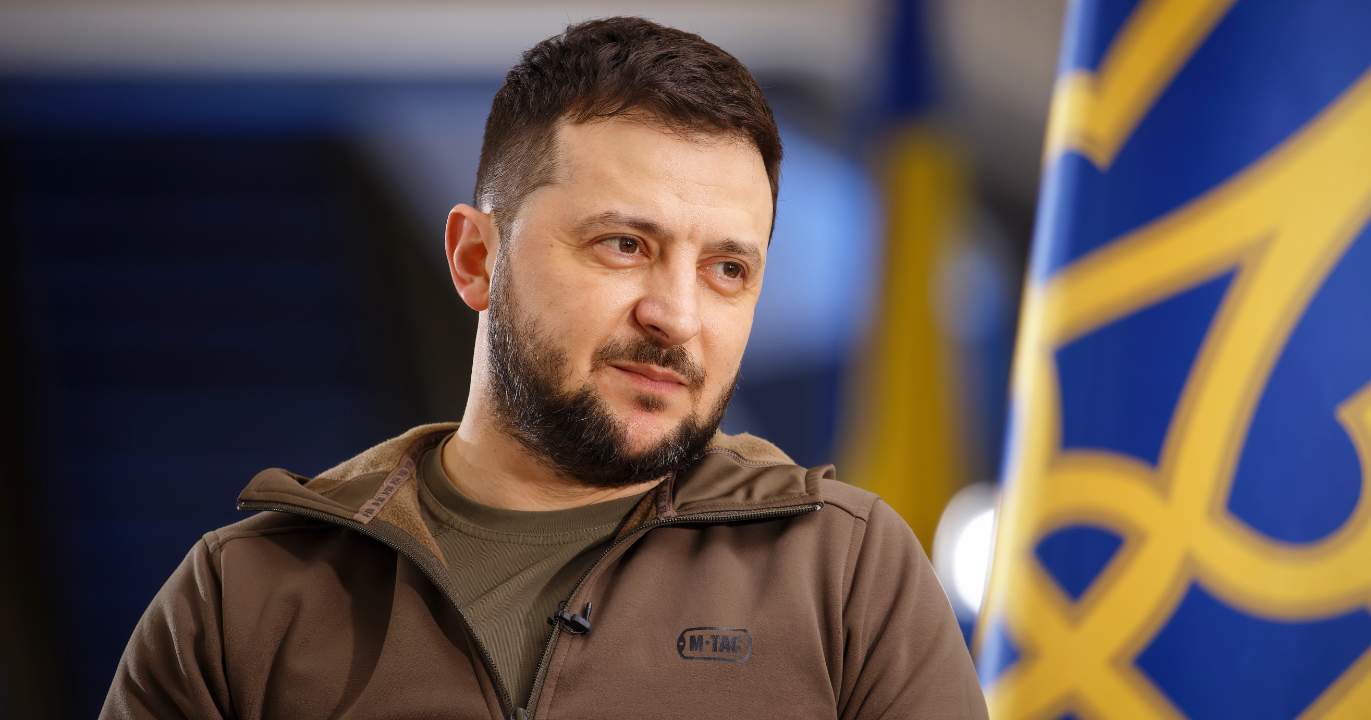
“Putin Is Losing Russia’s Empire”: The Argument That Challenges the Pessimism
The most compelling counterargument deserves to be heard
Newsweek has published an op-ed arguing that Putin is losing the Russian empire under Trump’s watch. It is an opinion piece, not an intelligence report, and should be read as such. But it offers a serious counter-hypothesis to everything that has been said: if Russian influence is crumbling in its neighborhood, then Moscow’s slowness to negotiate is not a sign of strength but a calculated move for survival, and Ukraine’s wait-and-see approach could pay off.
This interpretation makes the dismissals seem less absurd. A country that believes it is buying time can afford to restructure its government apparatus. But the hypothesis rests on a gamble: that Russia will exhaust itself before Ukraine collapses. Yet today’s events—a port struck, a market hit, an entire region without electricity—do not yet point to the aggressor’s exhaustion. They point to the endurance of both sides.
What the report confirms—and what it does not
The line between the documented and the presumed
Seven vacant posts and a country that still needs to convince the world
What remains is the picture, and it is clear. On August 4, 2026, Ukraine destroyed two bridges to slow down an army, lost power across an entire region, counted its dead by the hundreds—and recalled seven of its spokespeople. Bridges can be rebuilt. Power returns. Diplomats, however, take months to regain credibility in a foreign capital. A country fighting for its very existence cannot afford to fall silent where its future is being decided.
The decree didn’t claim a single life. It achieved something more subtle and perhaps more lasting: it created silence in Washington, in Paris, and in a UNESCO hall where the memory of destroyed churches is recorded. Kyiv may have good reasons. It hasn’t stated them. And in a war where narrative is a weapon, saying nothing is already giving ground.
Columnist’s Transparency Box
Editorial Position
Methodology and Sources
Secondary sources: Ukrinform, L’Express, Free Malaysia Today, Stuff, Europe 1, CBC News, Newsweek, Forbes, La Dépêche du Midi, TV5 Monde, Tribune de Genève, Charente Libre.
The figures cited—six ambassadors and one representative to UNESCO, 226 clashes in twenty-four hours, at least five deaths per country—come from Ukrinform and Stuff. Disputed claims are attributed, and differing interpretations are presented.
Nature of the Analysis
The columnist’s role is to connect the facts, explain the mechanisms, and offer an interpretation, without presenting that interpretation as an established fact.
ANALYSIS: Zelensky Evacuates His Embassies While Russia Burns Its Bridges
This content was created with the help of AI.


